
Nutrition Basics: The 5 Food Groups
Understanding Essential Nutrients Building Healthy Eating Habits Grade 8 Health Education
Why Do We Need Different Foods?
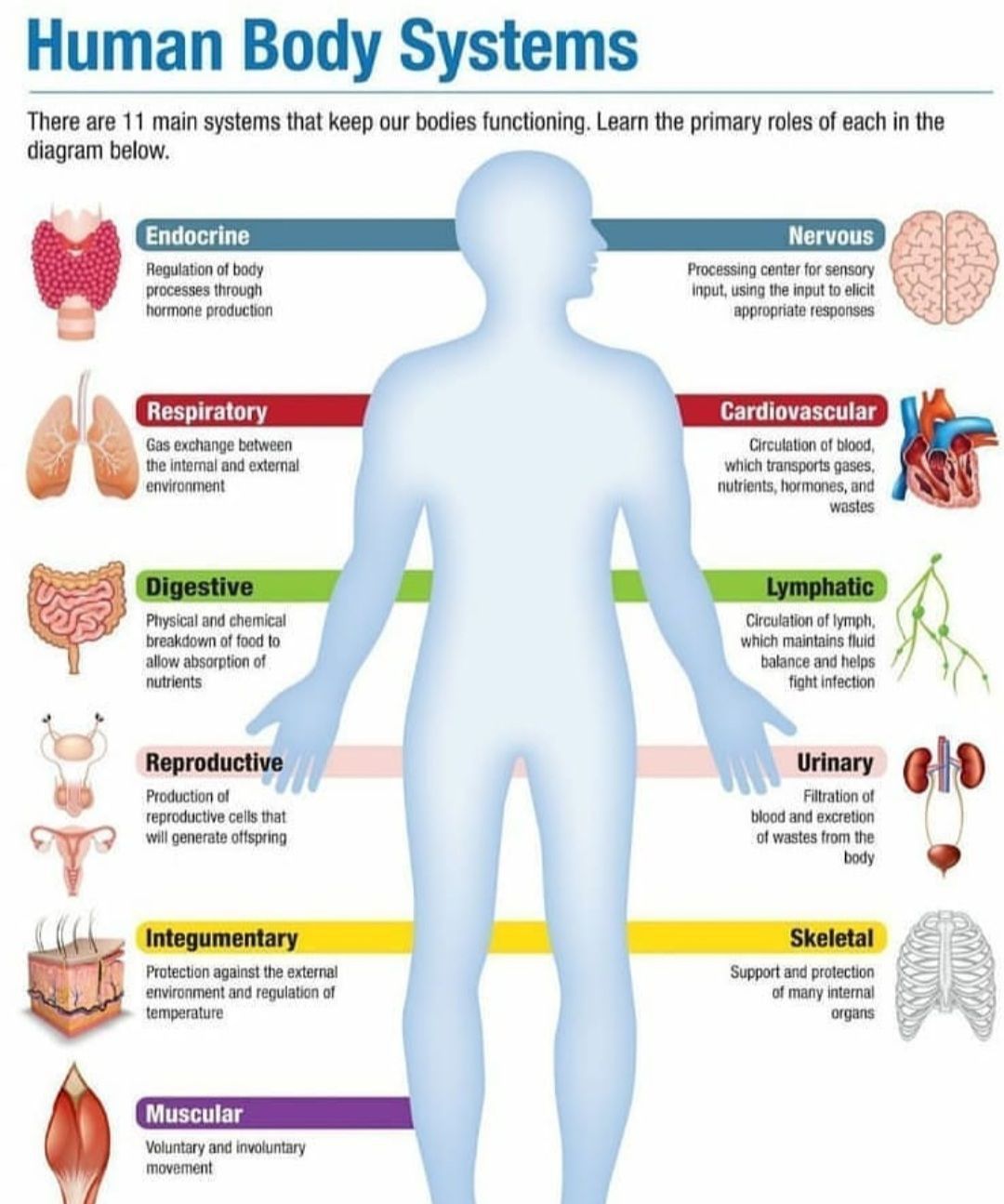
Our bodies are like complex machines that need fuel Different nutrients serve different purposes No single food contains everything we need Variety ensures we get all essential nutrients
Quick Check: What Did You Eat Yesterday?
Think about your meals from yesterday Can you name foods from different groups? Which group did you eat the most from? Which group might you have missed?
The 5 Food Groups Overview
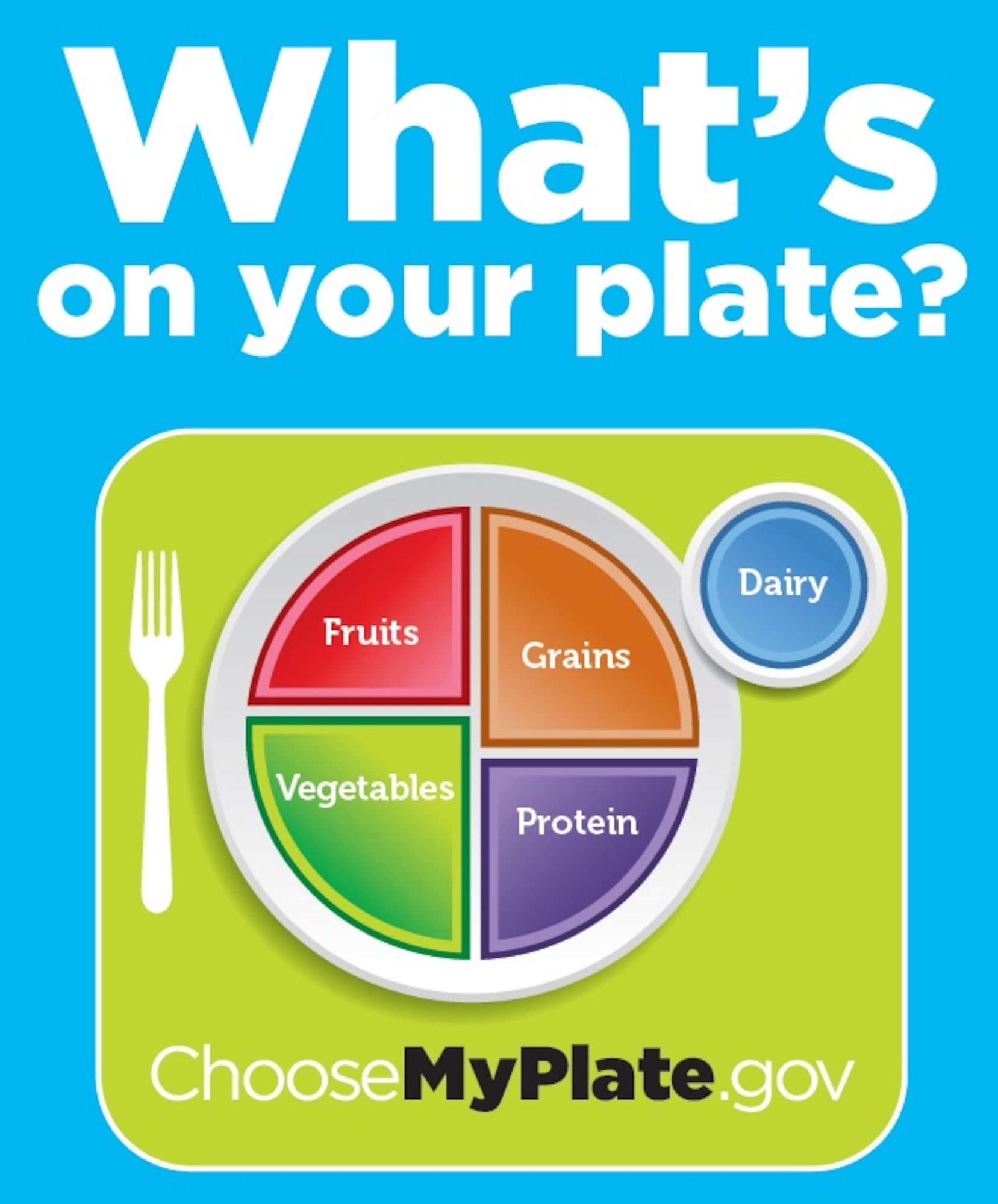
Fruits - vitamins and natural sugars Vegetables - minerals and fiber Grains - energy and B vitamins Protein - building and repair Dairy - calcium and vitamin D
Group 1: Fruits
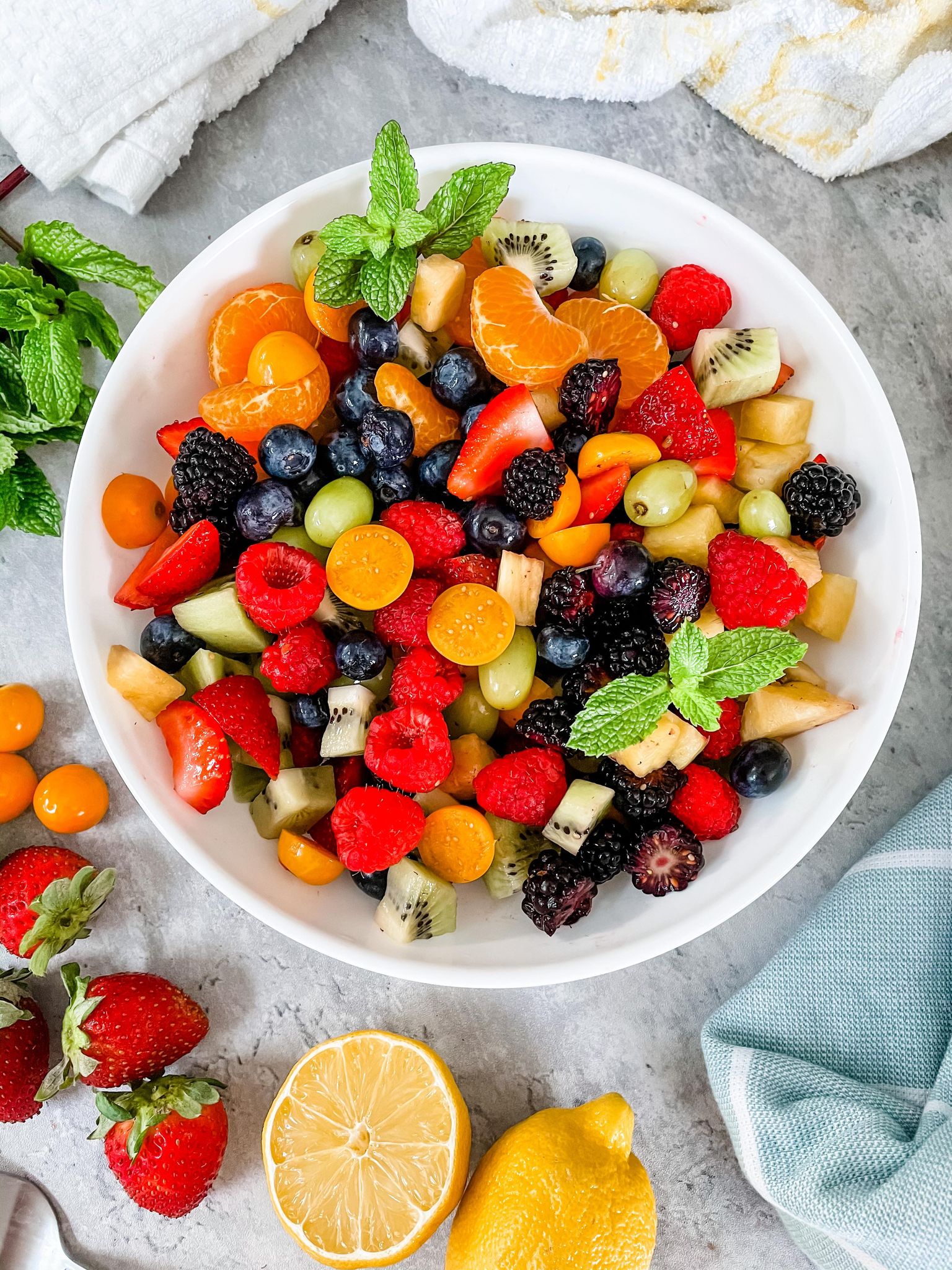
Rich in vitamin C and antioxidants Provide natural sugars for quick energy High in fiber for digestive health Examples: apples, berries, citrus, bananas
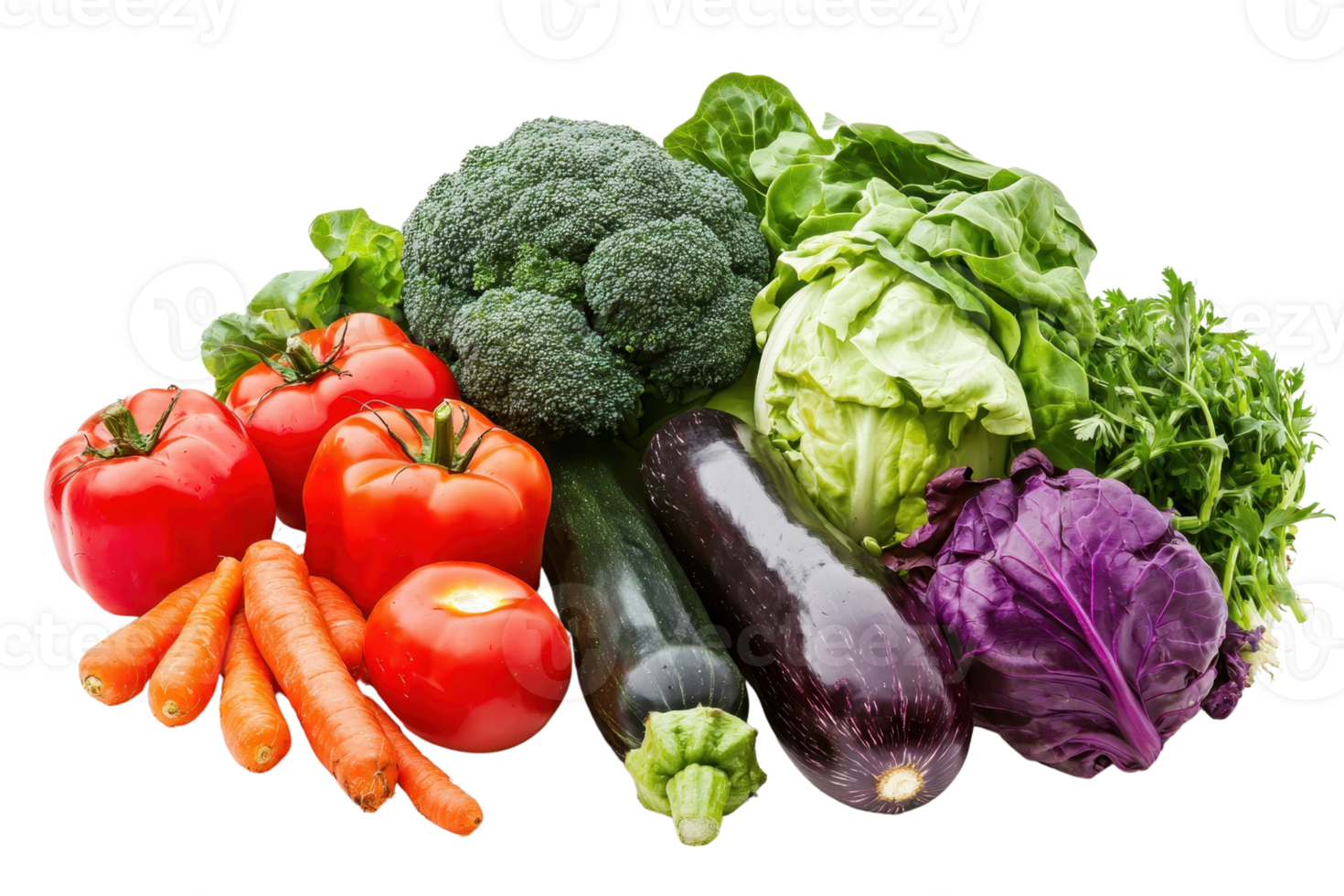
Group 2: Vegetables
Packed with vitamins A, C, and K Rich in minerals like iron and potassium High fiber content Examples: leafy greens, carrots, broccoli, peppers

Food Group Sorting Challenge
Work in pairs to sort food cards Place each food in the correct group Discuss any foods that were tricky Share one surprising discovery with the class
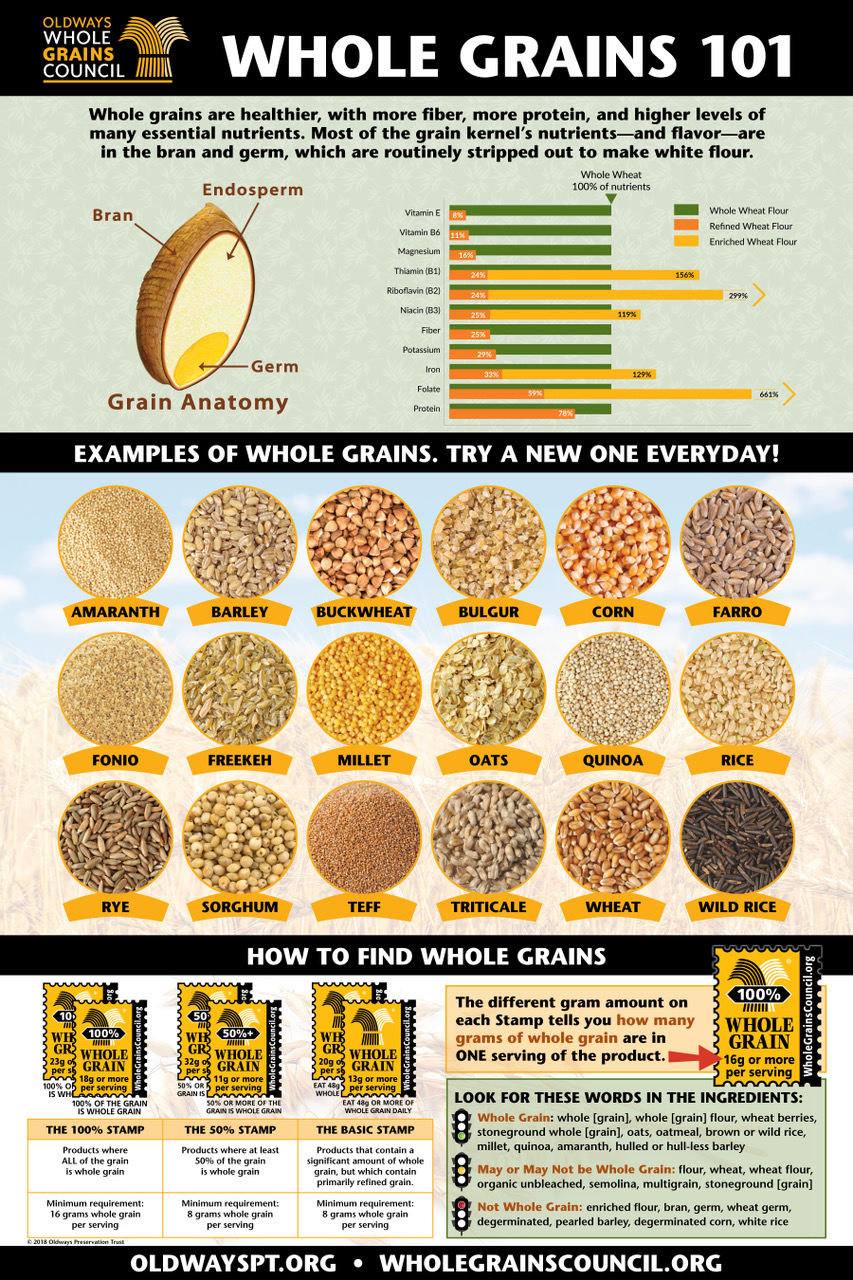
Group 3: Grains
Primary source of carbohydrates for energy B vitamins for brain function Choose whole grains when possible Examples: rice, bread, pasta, oats, quinoa
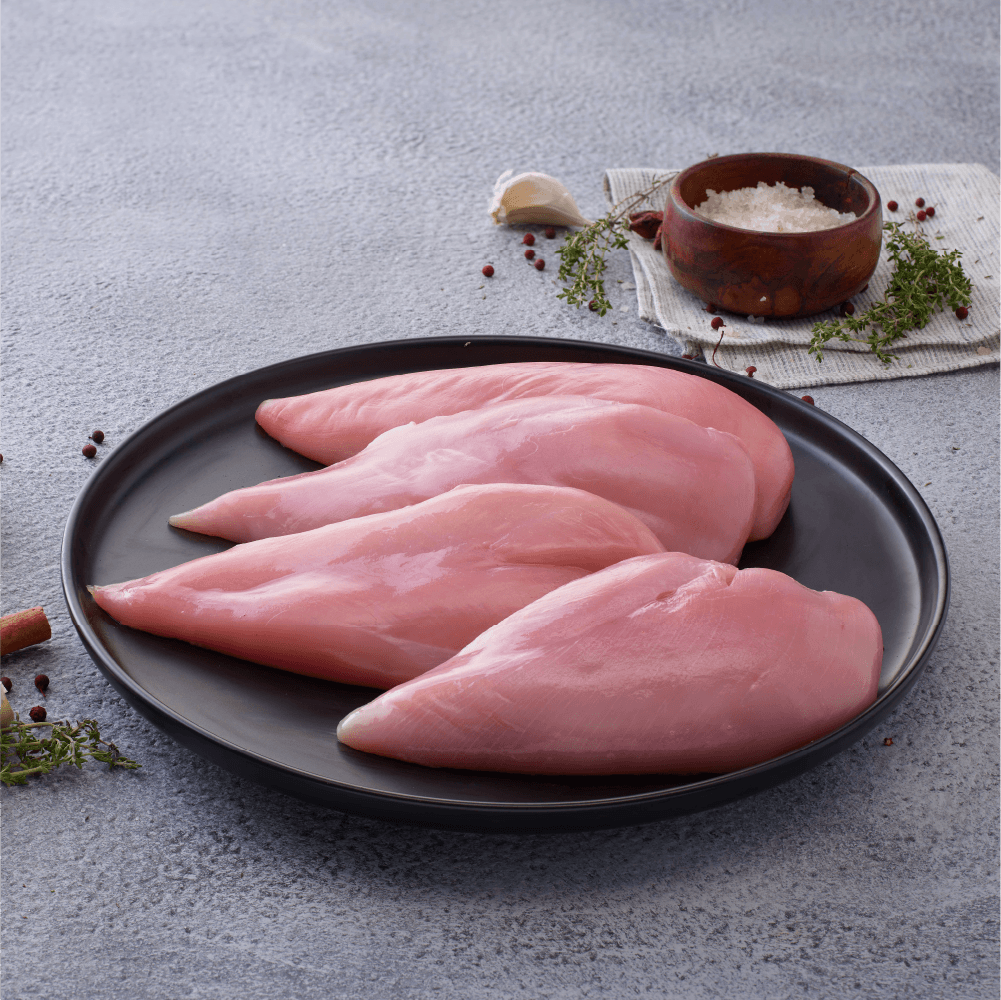
Group 4: Protein Foods
Essential for muscle growth and repair Helps build enzymes and hormones Keeps you feeling full longer Examples: meat, fish, eggs, beans, nuts, tofu
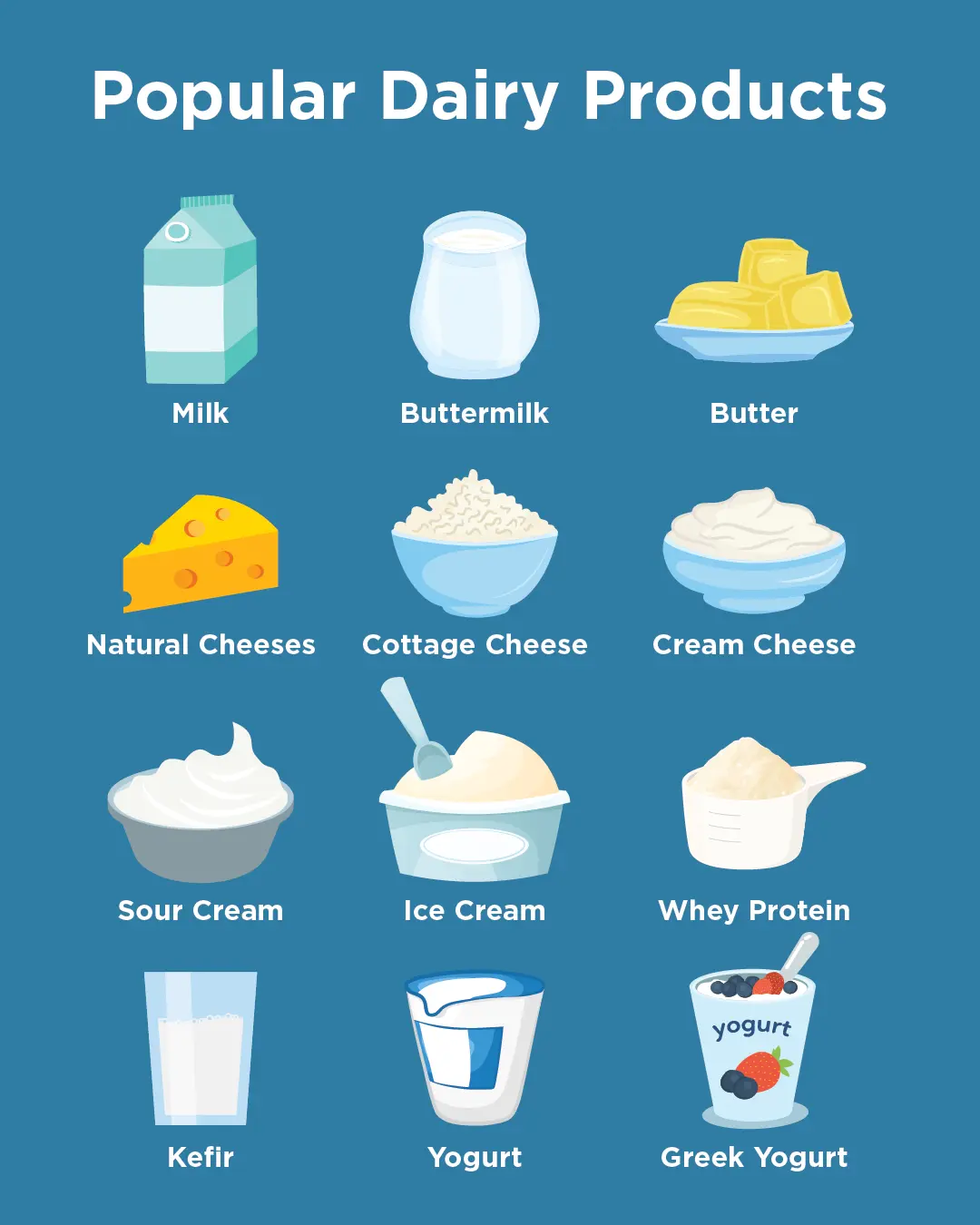
Group 5: Dairy
Rich in calcium for strong bones and teeth Provides protein and vitamin D Important during teenage growth years Examples: milk, cheese, yogurt, fortified alternatives

Building a Balanced Meal
{"left":"Fill half your plate with fruits and vegetables\nChoose whole grains over refined grains\nInclude a palm-sized portion of protein","right":"Add a serving of dairy or calcium-rich alternative\nLimit added sugars and sodium\nDrink plenty of water throughout the day"}
Remember This Key Principle
'Variety is the spice of life - and the key to good nutrition. No single food is perfect, but together, foods from all five groups create the perfect team for your growing body.'