
Pay-Yourself-First: Smart Budgeting Strategy
A Foundation for Financial Success Grade 9 Business Education

Meet Sarah: A Summer Job Success Story
Sarah just got her first summer job at a local café She earns $800 per month working part-time What should Sarah do with her first paycheck? Most teens spend first, save what's left over But there's a smarter way...
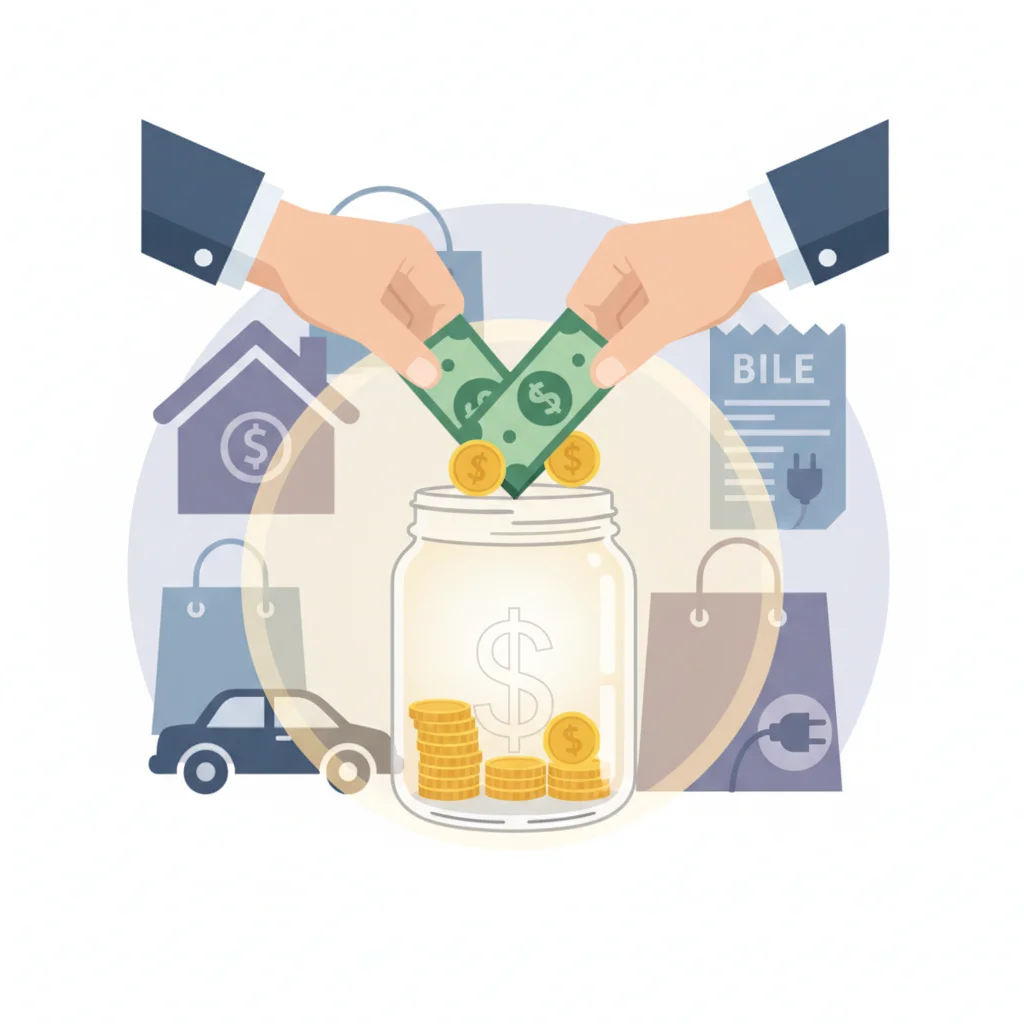
Pay-Yourself-First Strategy
"Pay yourself first means you should save a portion of your income before paying any bills or expenses. This ensures your savings goals are prioritized and you build wealth consistently."
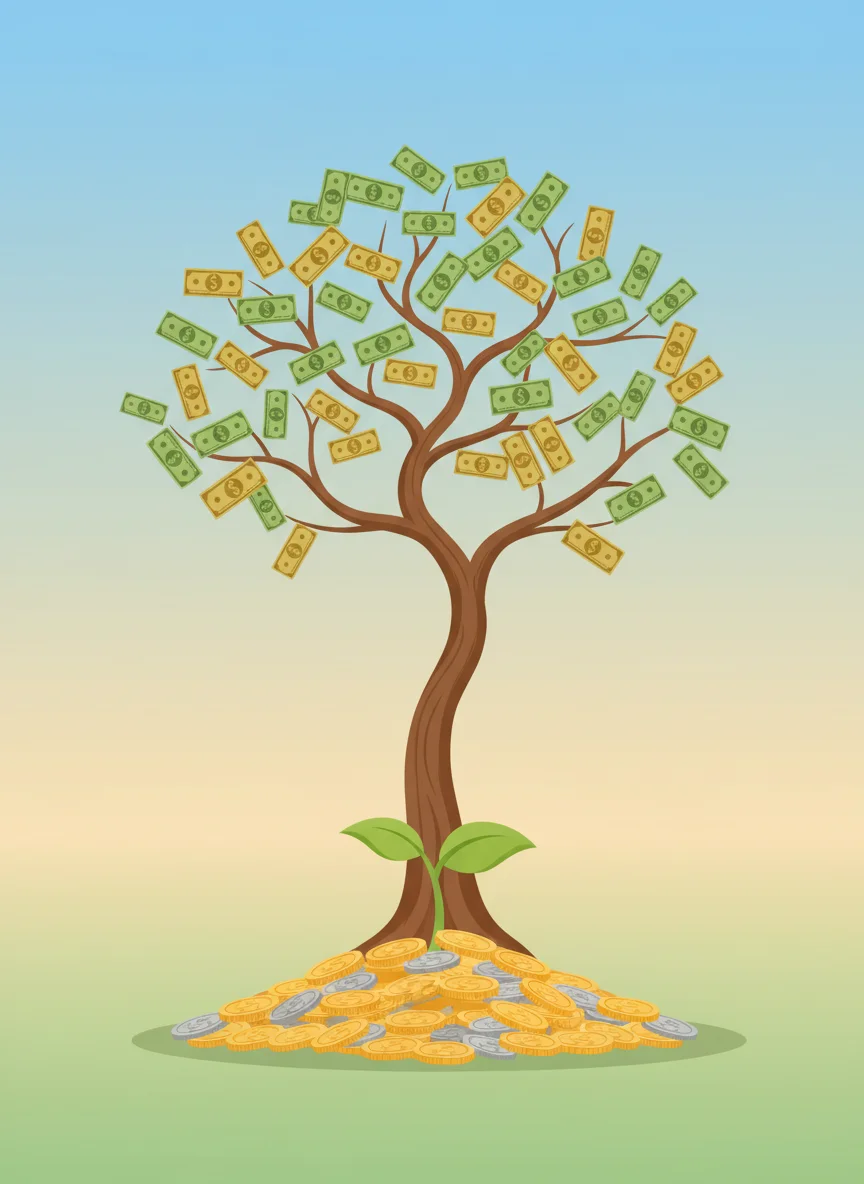
Why Pay-Yourself-First Works
Builds financial security and emergency funds Develops consistent saving habits early Prevents overspending on unnecessary items Creates wealth through compound growth Reduces financial stress and anxiety
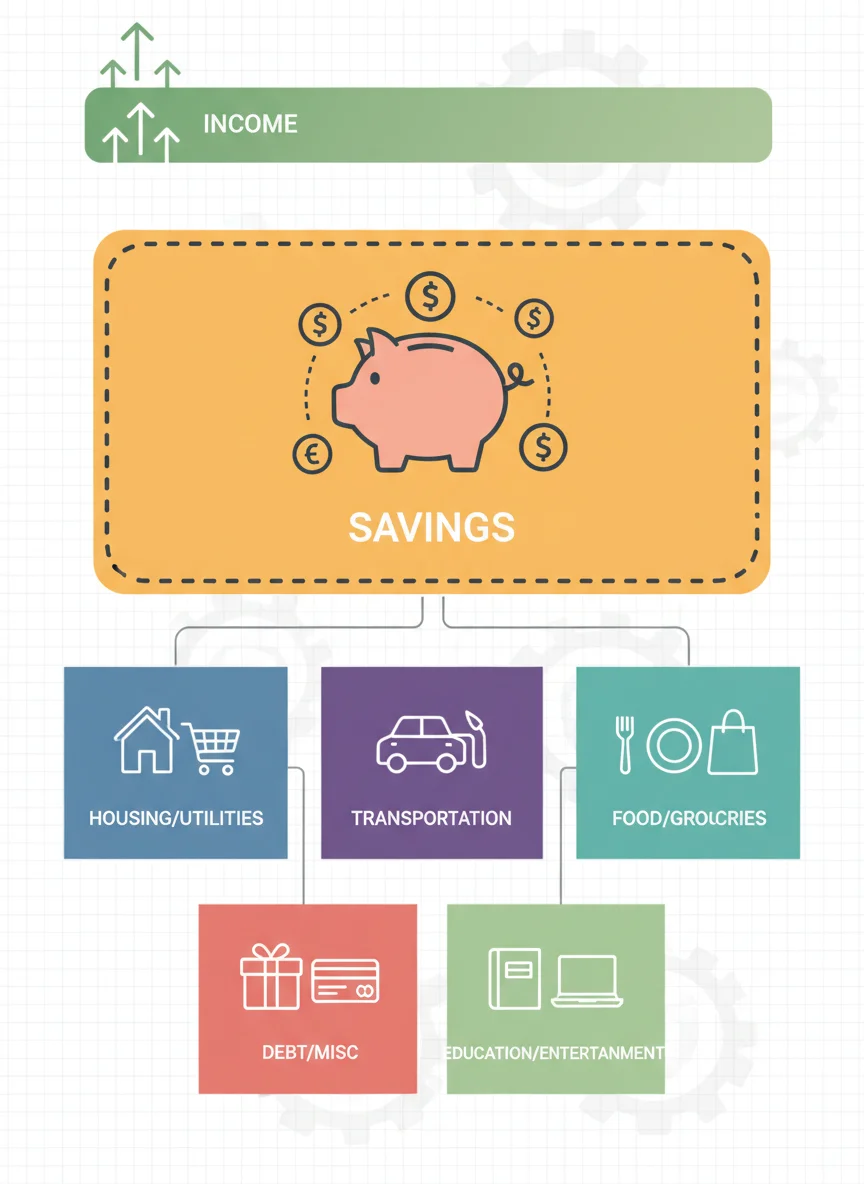
Sarah's Smart Budget: Pay-Yourself-First in Action
Sarah's monthly income: $800 Step 1: Pay herself first - Save 20% = $160 Step 2: Remaining budget = $640 Food & Entertainment: $300 Transportation: $200 Personal items: $140
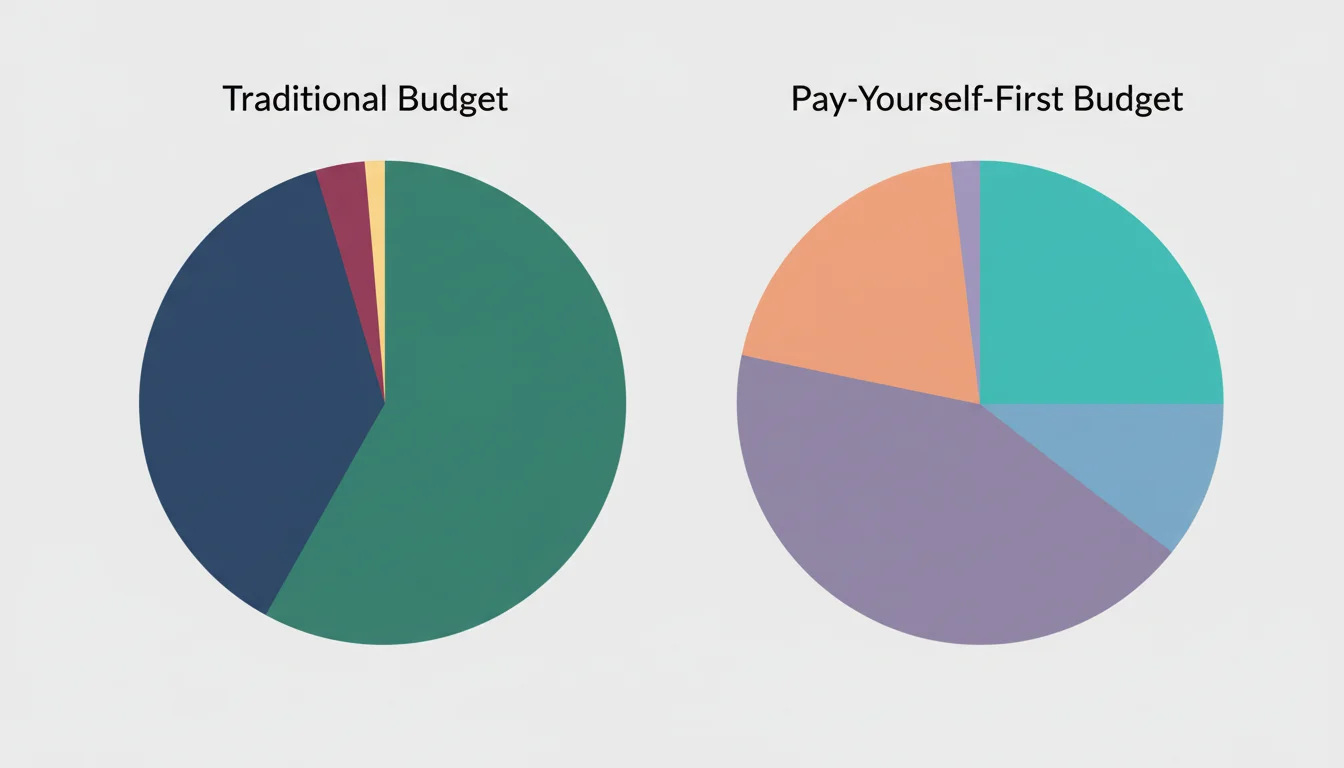
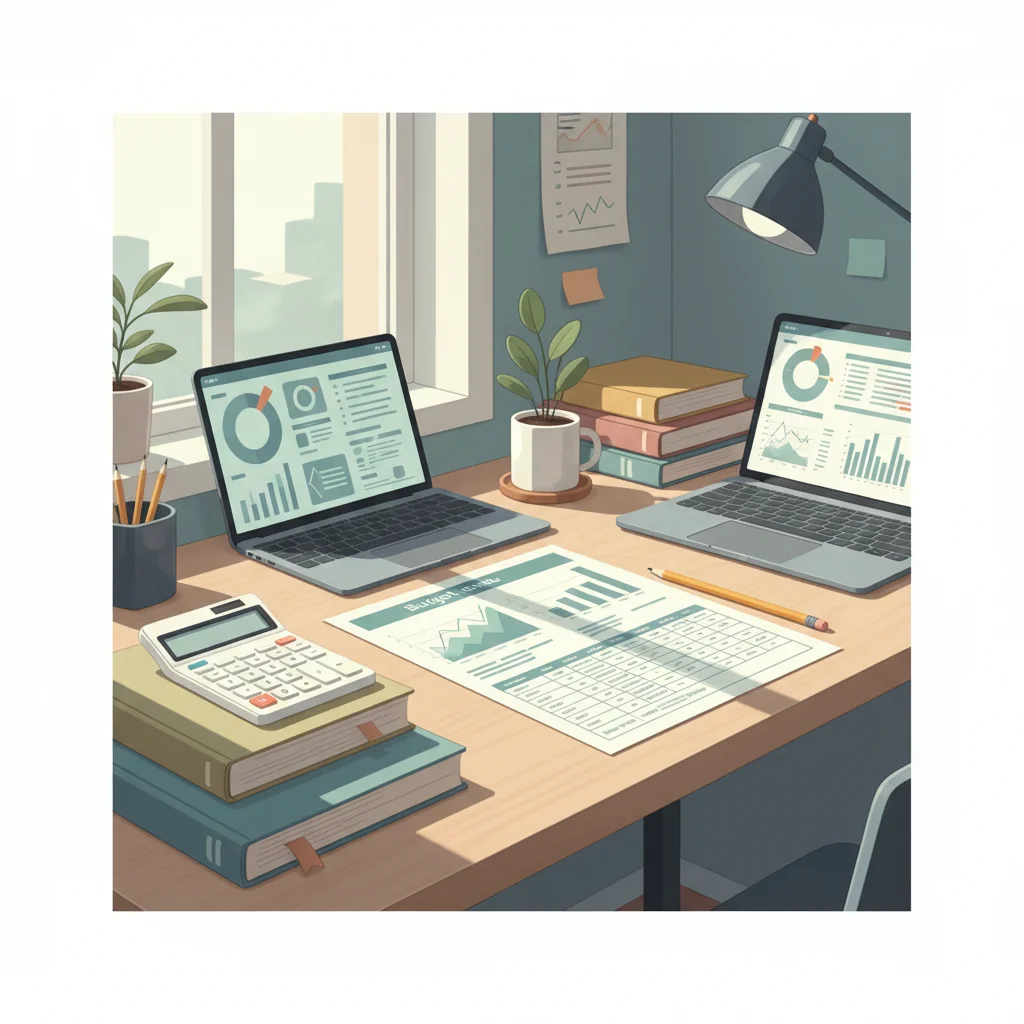
Budget Comparison: With vs. Without Pay-Yourself-First
Your Turn: Practice Pay-Yourself-First
Choose your income scenario: Scenario A: $600/month (part-time job) Scenario B: $1,200/month (full-time summer) Scenario C: $300/month (allowance + odd jobs) Calculate 20% savings first Allocate remaining 80% to expenses

Real-Life Application Discussion
How could Pay-Yourself-First help you reach a specific goal? What obstacles might prevent teens from saving first? How would you convince a friend to try this strategy? When might you need to adjust your savings percentage?

Overcoming Common Saving Obstacles
'I don't earn enough to save' → Start with even $5-10 'My friends will think I'm cheap' → Explain your goals 'I need everything I earn now' → Distinguish wants vs. needs 'Saving is boring' → Set exciting, specific goals 'I'll start saving later' → Time is your biggest advantage
Your Pay-Yourself-First Action Plan
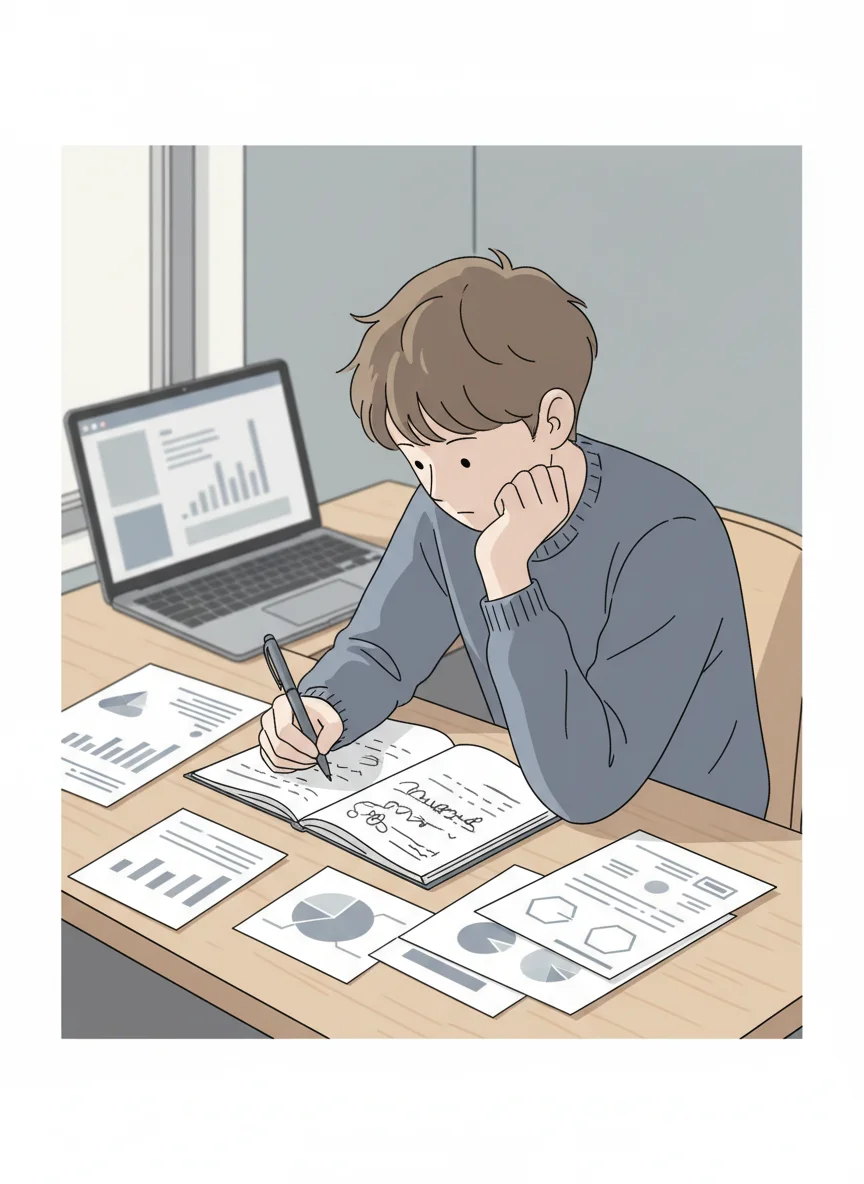
Write a brief paragraph explaining: Your current or future income source How much you would save using 20% rule One specific goal your savings would help achieve One potential obstacle and your solution Why starting this habit now benefits your future
More Business slide decks
Other ready-to-teach business decks for US classrooms.

Comparing Multiple Budget Methods
Comparing Multiple Budget Methods

Exploring Four Essential Budgeting Methods
Exploring Four Essential Budgeting Methods
Creating Your Personal Budget
Creating Your Personal Budget