Persuasion in Sophocles' Antigone
Exploring Rhetorical Strategies in Ancient Greek Tragedy Grade 10 English Literature
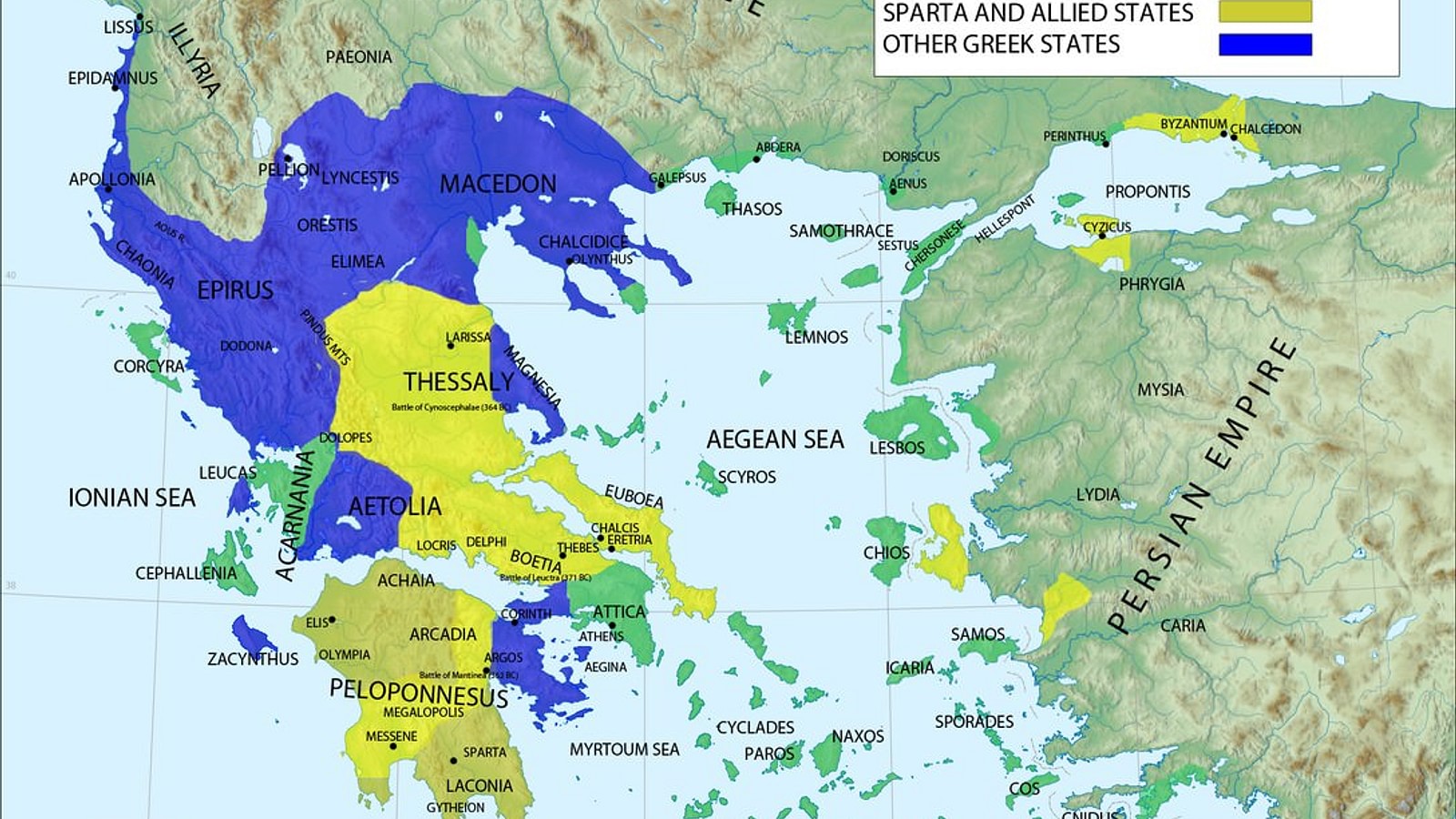
Background: Antigone's World
Ancient Greek tragedy by Sophocles (441 BCE) Set in Thebes after a civil war Central conflict: divine law vs. human law Antigone defies King Creon's edict Themes of family, duty, and moral courage

The Central Conflict: Two Perspectives
{"left":"Antigone believes in divine law and family duty\nMust bury her brother Polynices despite royal decree\nAppeals to religious tradition and moral conscience\nWilling to die for her principles","right":"Creon represents state authority and civil order\nForbids burial as punishment for treason\nAppeals to law, stability, and royal power\nSees defiance as threat to his rule"}
The Three Pillars of Persuasion
Ethos: Appeals to credibility and character Pathos: Appeals to emotions and values Logos: Appeals to logic and reasoning First identified by Aristotle in ancient Greece Still used in modern persuasion and debate

Antigone's Moral Appeal
'I did not think your edicts strong enough to overrule the unwritten, unalterable laws of God and heaven, you being only a man.'

Creon's Authority Appeal
'Anarchy, anarchy! Show me a greater evil! This is why cities tumble and the great houses rain down... obedience keeps the lives of men safe and sound.'

Group Analysis Challenge
Form groups of 5 students each Each group analyzes one rhetorical strategy Create a visual summary of your findings Identify specific examples from the text Prepare a 2-minute presentation Focus on effectiveness and impact

Persuasion's Power in Literature and Life
Rhetorical strategies reveal character motivations Persuasion drives plot forward through conflict Ancient techniques still relevant today Critical thinking helps us evaluate arguments Understanding rhetoric empowers effective communication