Political Systems Around the World
Understanding Different Forms of Government Year 8 Social Studies Exploring Democracy, Monarchy, and Beyond
What is a Political System?
A way of organizing and governing a society Determines how decisions are made for a country Includes laws, institutions, and processes Affects every citizen's daily life
Key Components of Political Systems
{"left":"Executive Branch - carries out laws\nLegislative Branch - makes laws\nJudicial Branch - interprets laws","right":"Constitution - supreme law\nCitizens - the people governed\nElections - choosing representatives"}
Democracy: Power to the People
Citizens choose their leaders through voting Multiple political parties compete for power Individual rights and freedoms are protected Examples: United States, Canada, United Kingdom
Monarchy: Traditional Royal Rule
Power held by a king, queen, or emperor Leadership often passed down through families Constitutional monarchies limit royal power Examples: United Kingdom, Japan, Thailand
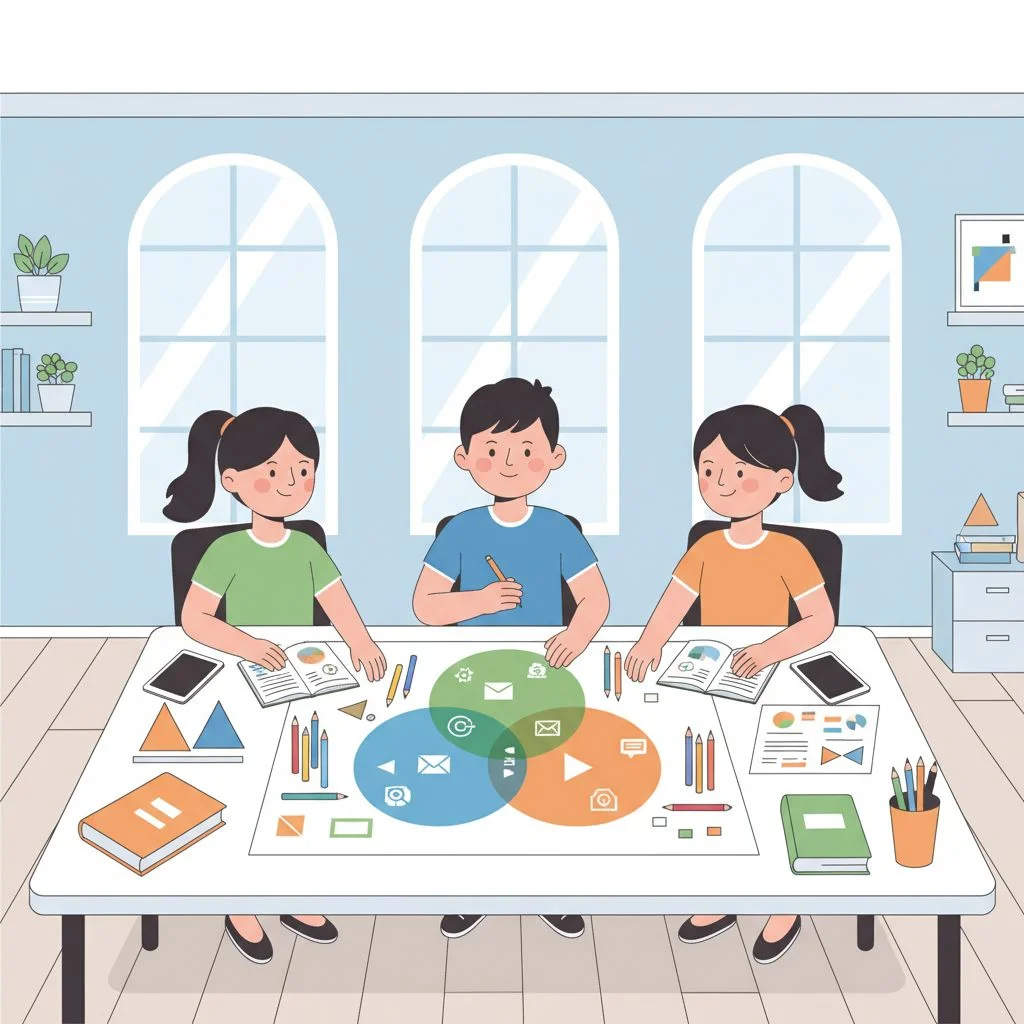
Compare and Contrast Activity
Work in pairs to create a Venn diagram Compare Democracy vs Monarchy List similarities in the middle Discuss your findings with the class
Authoritarian Systems
Power concentrated in one person or small group Limited political freedoms for citizens Government controls media and information Examples: North Korea, China (one-party system)
Critical Thinking Question
Which political system do you think works best for protecting citizens' rights and why? Consider the advantages and disadvantages of each system Think about what factors might influence your answer
Why Understanding Political Systems Matters
Helps you become an informed citizen Enables you to participate in democracy Builds understanding of current world events Prepares you for future civic responsibilities
1 more slide available after you open the deck.
Download all 10 slides