Race and Slavery in Colonial America
Understanding the foundations of American slavery Examining slave codes and their impact Analyzing the intersection of race and labor
Learning Objectives
Analyze the development of slavery in colonial America Examine the role of race in justifying slavery Evaluate the impact of slave codes on African Americans Understand how slavery shaped colonial society and economy
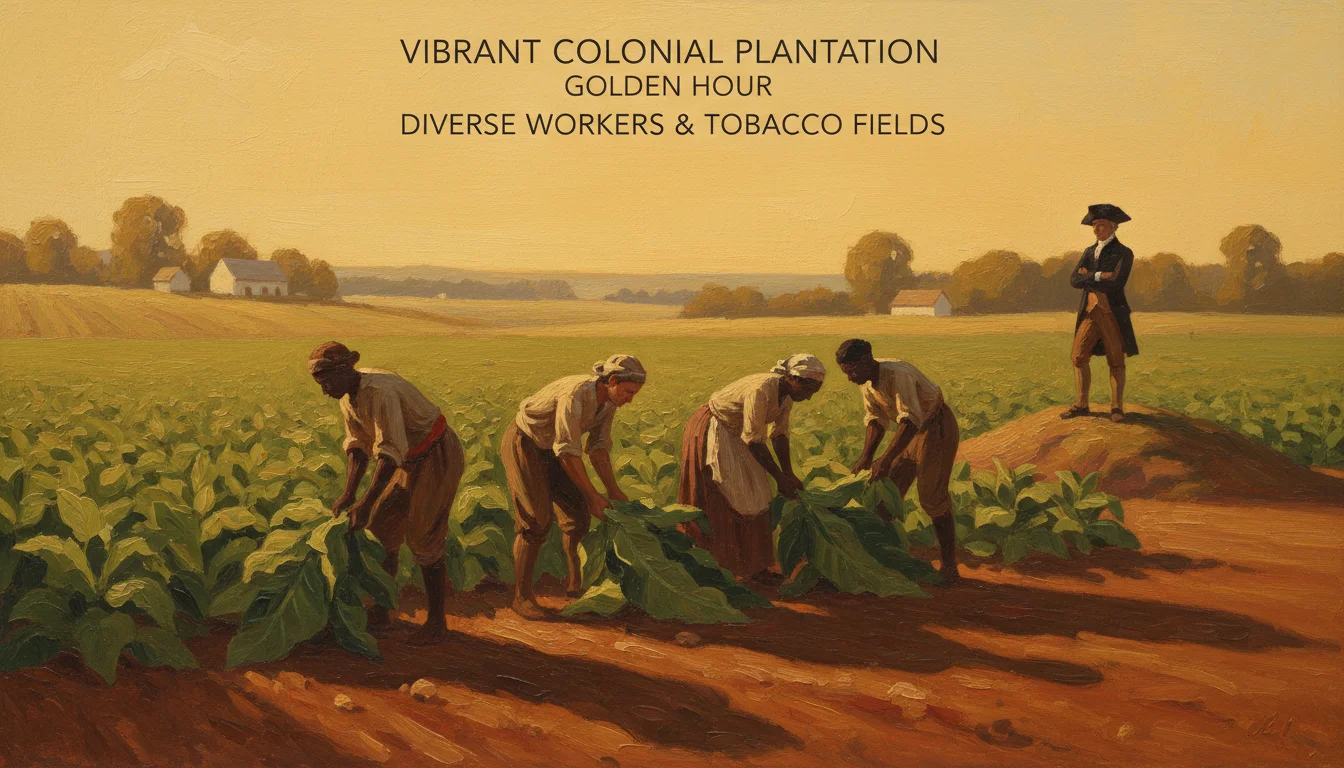
Early Colonial Labor Systems
Indentured servitude was the primary labor system Both Europeans and Africans worked as indentured servants Servants could earn freedom after completing their contracts Labor shortages created demand for workers
The Transition to Slavery
{"left":"1640s-1660s: Key turning point\nLegal distinctions emerge between white and Black servants","right":"Lifetime bondage becomes associated with African ancestry\nChildren follow the status of their mothers"}
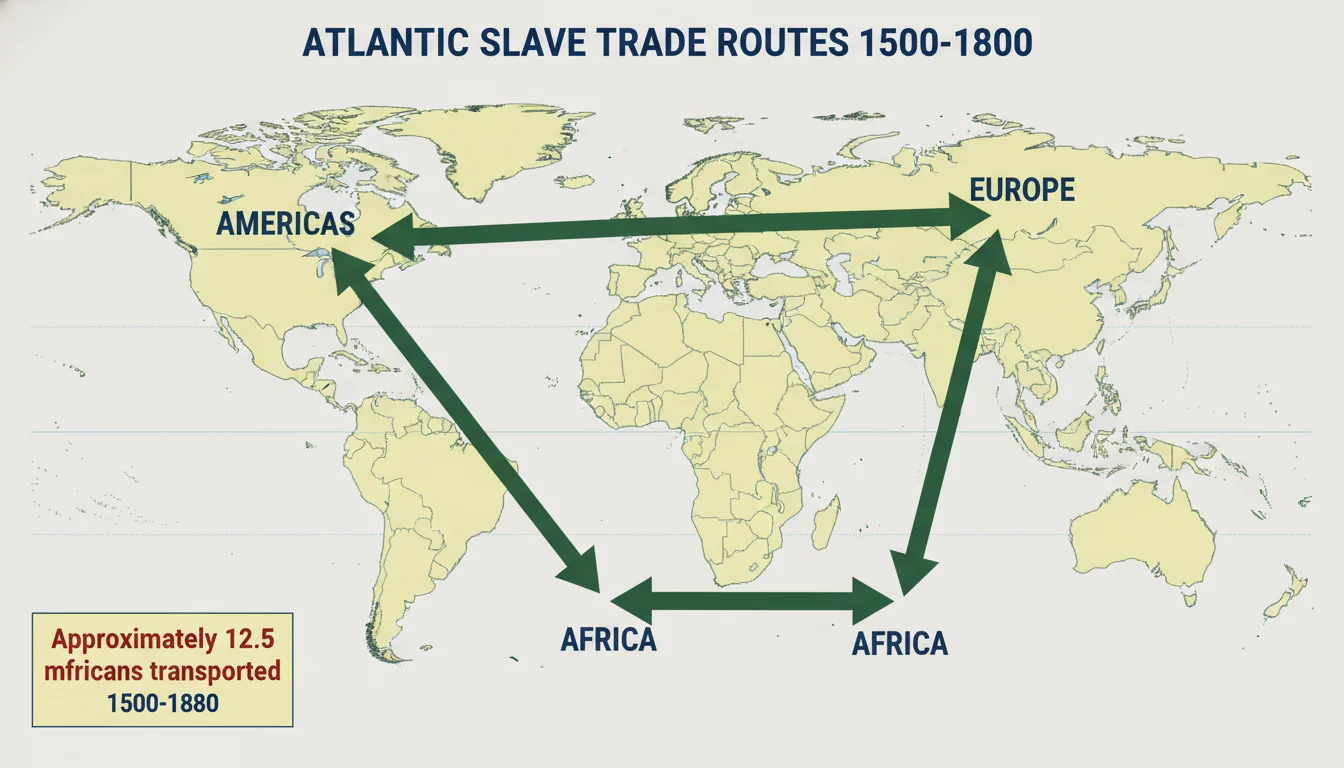
The Atlantic Slave Trade Routes

The Development of Racial Ideology
Slavery needed justification beyond economics Religious arguments: 'Curse of Ham' interpretation Pseudo-scientific theories about racial differences Legal codification of racial hierarchy
Virginia Slave Code of 1705
'All servants brought into this country by sea or land that are not Christians in their native land...shall serve for life.'
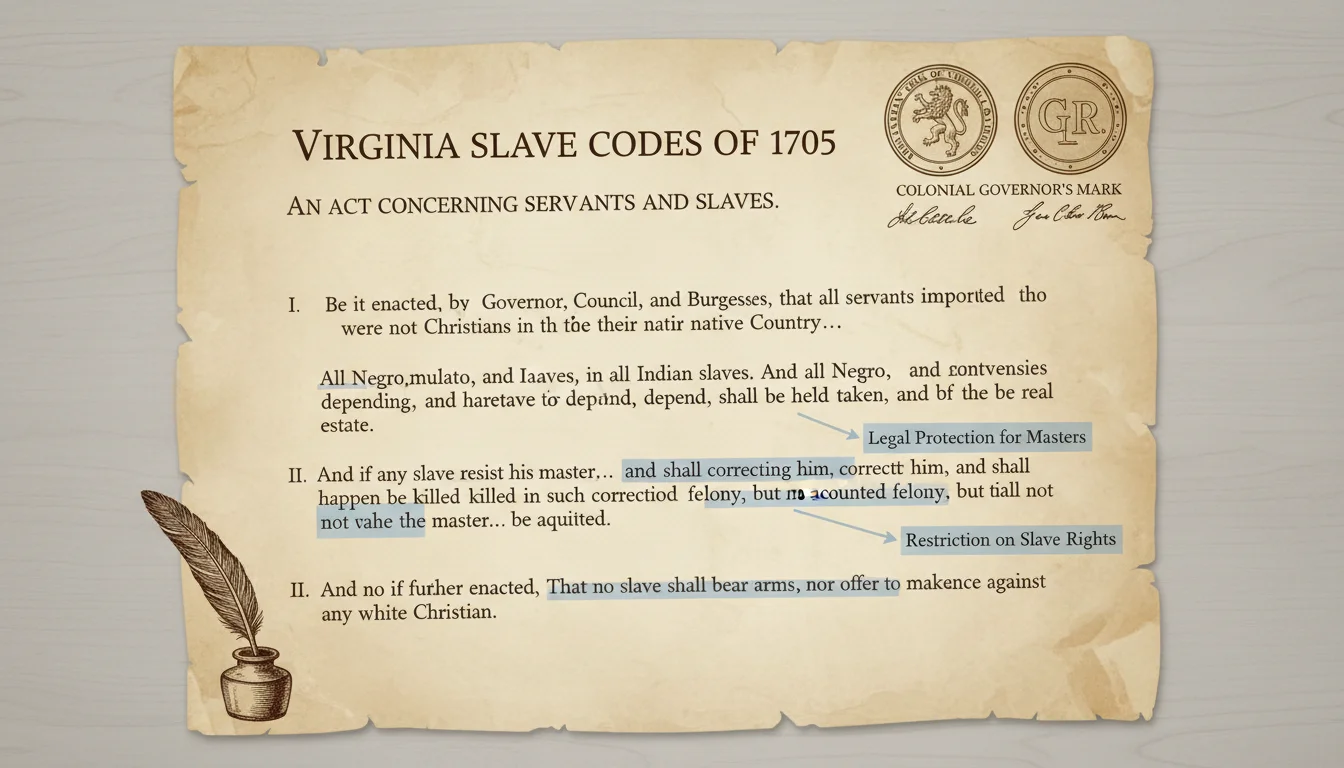
Key Features of Slave Codes
Prohibited enslaved people from carrying weapons Banned gatherings without white supervision Restricted movement and travel Denied legal rights and testimony against whites Established harsh punishments for resistance
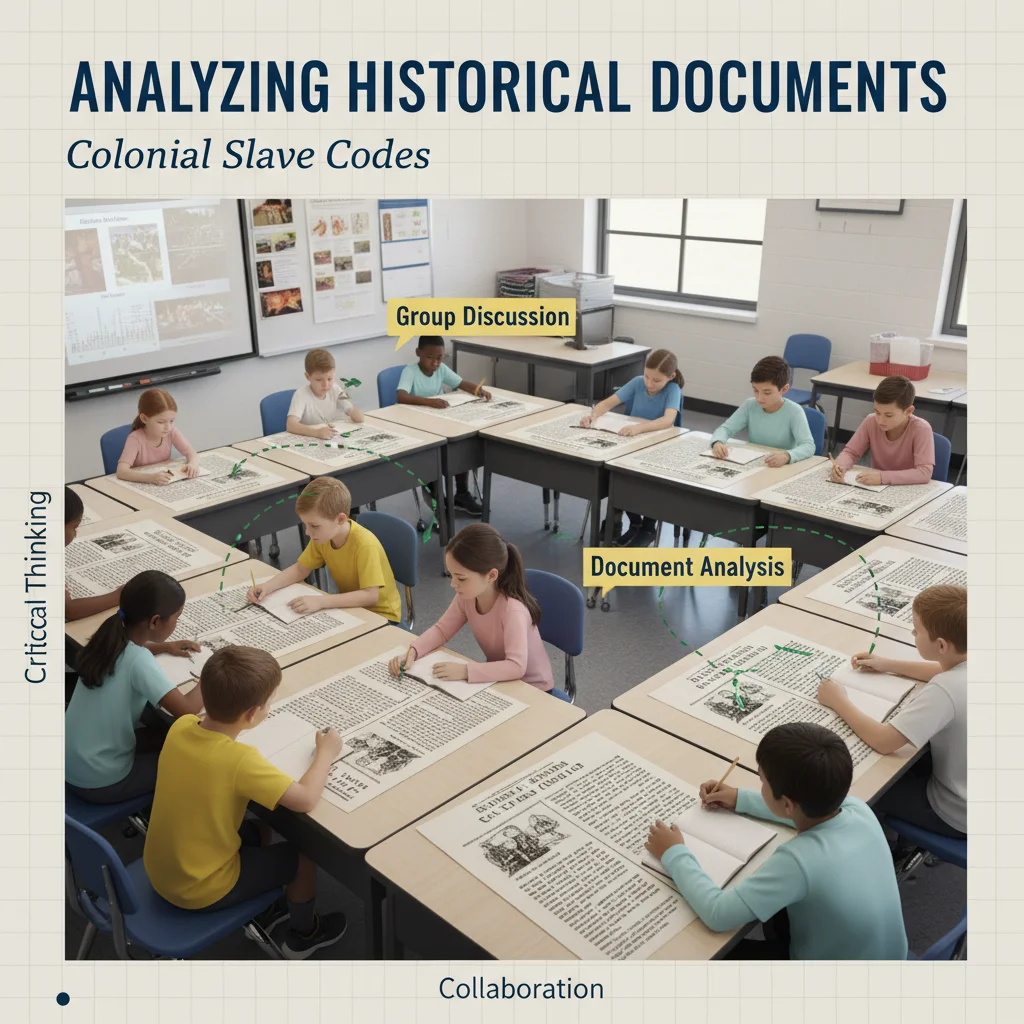
Document Analysis Activity
Read excerpts from colonial slave codes Identify specific restrictions and punishments Analyze the language used to justify these laws Discuss the impact on enslaved communities
Discussion Question
How did the development of racial slavery in colonial America lay the foundation for ongoing racial inequality in the United States?