Reading Music: Rhythm, Pitch, Dynamics
Grade 10 Music Education 60-minute interactive lesson Building foundational music literacy skills

Learning Objectives
Identify and interpret musical notation symbols Demonstrate rhythm patterns through clapping exercises Recognize pitch names and apply sight-reading skills Explain dynamic markings and their expressive qualities Apply reading skills in practical performance exercises

Musical Symbol Warm-Up
Look at the musical symbols displayed Work with a partner to identify what you already know Create a word web of musical terms on your paper Share one symbol or term with the class

Understanding Rhythm and Note Values
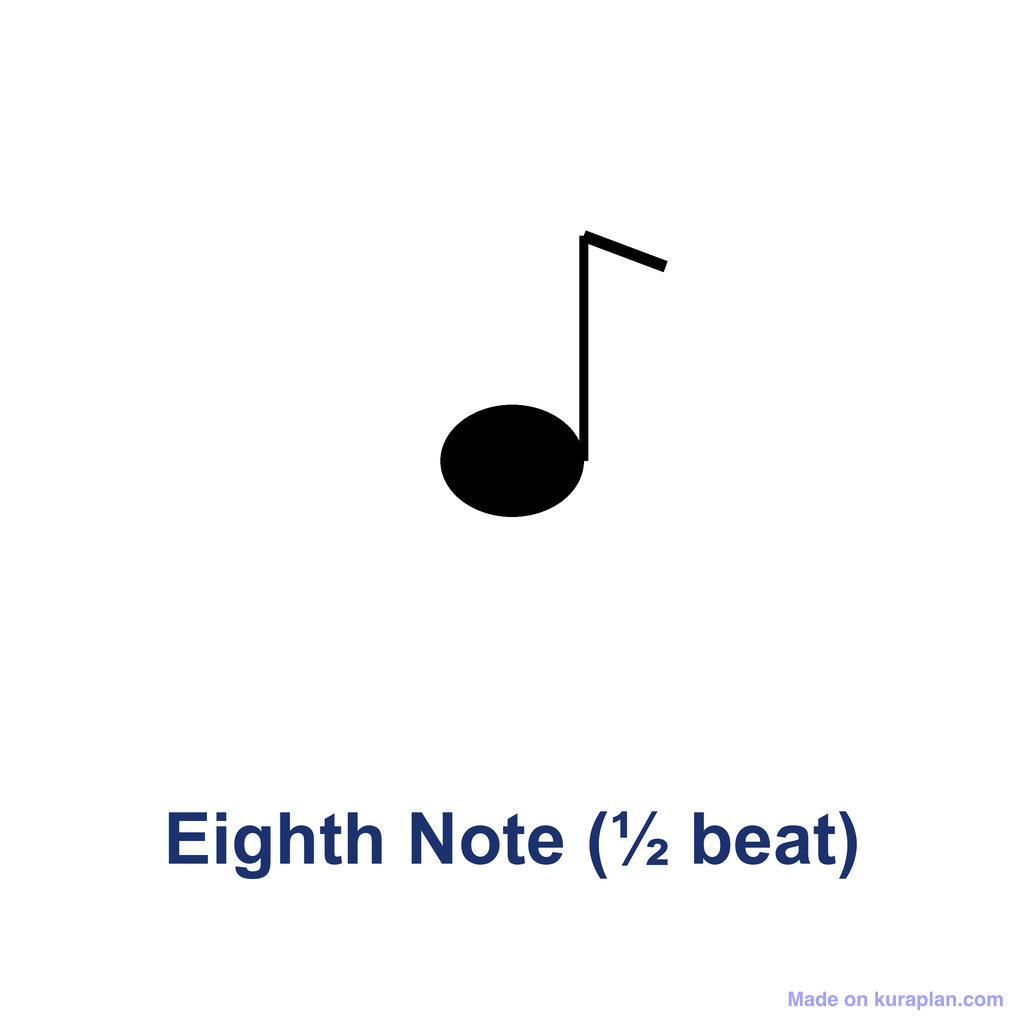
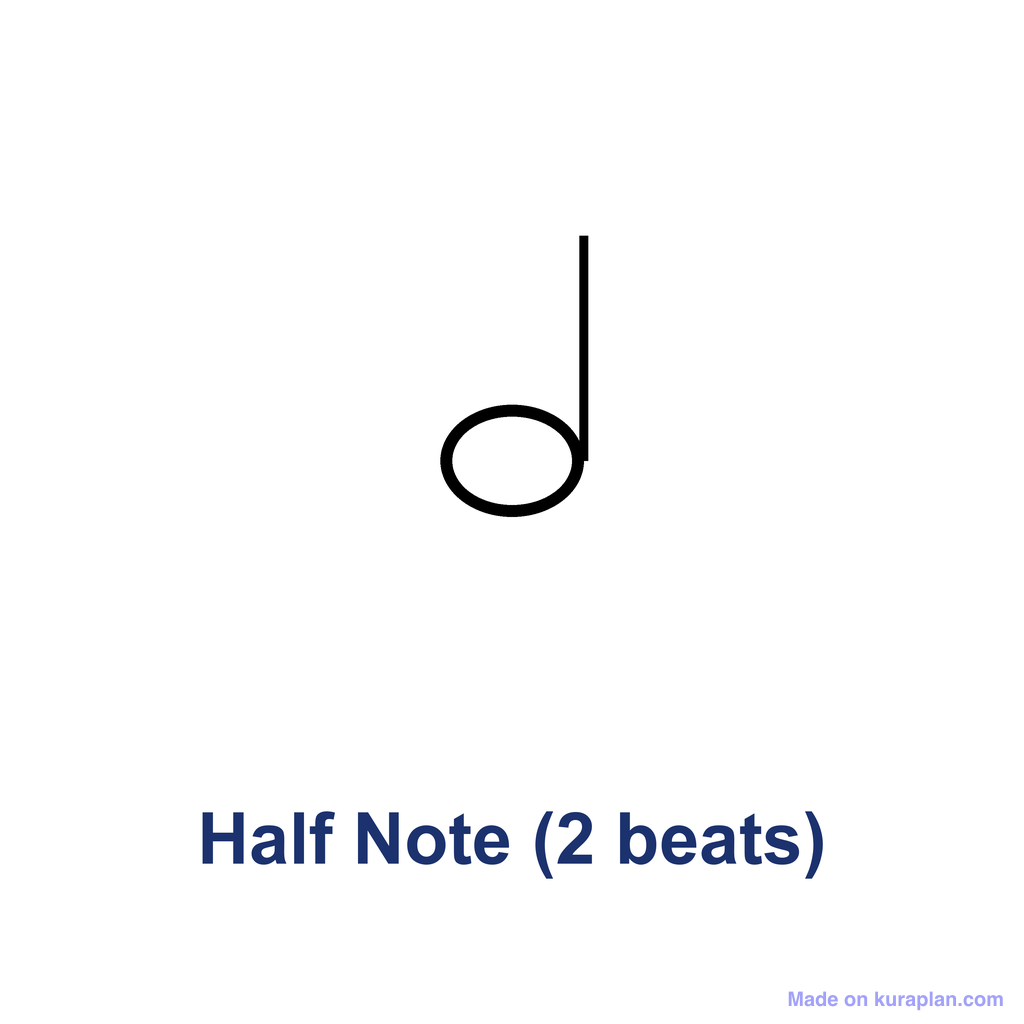
Whole note = 4 beats Half note = 2 beats Quarter note = 1 beat Eighth note = 1/2 beat Corresponding rests have same values Time signatures organize beats into measures

Rhythm Clapping Exercise
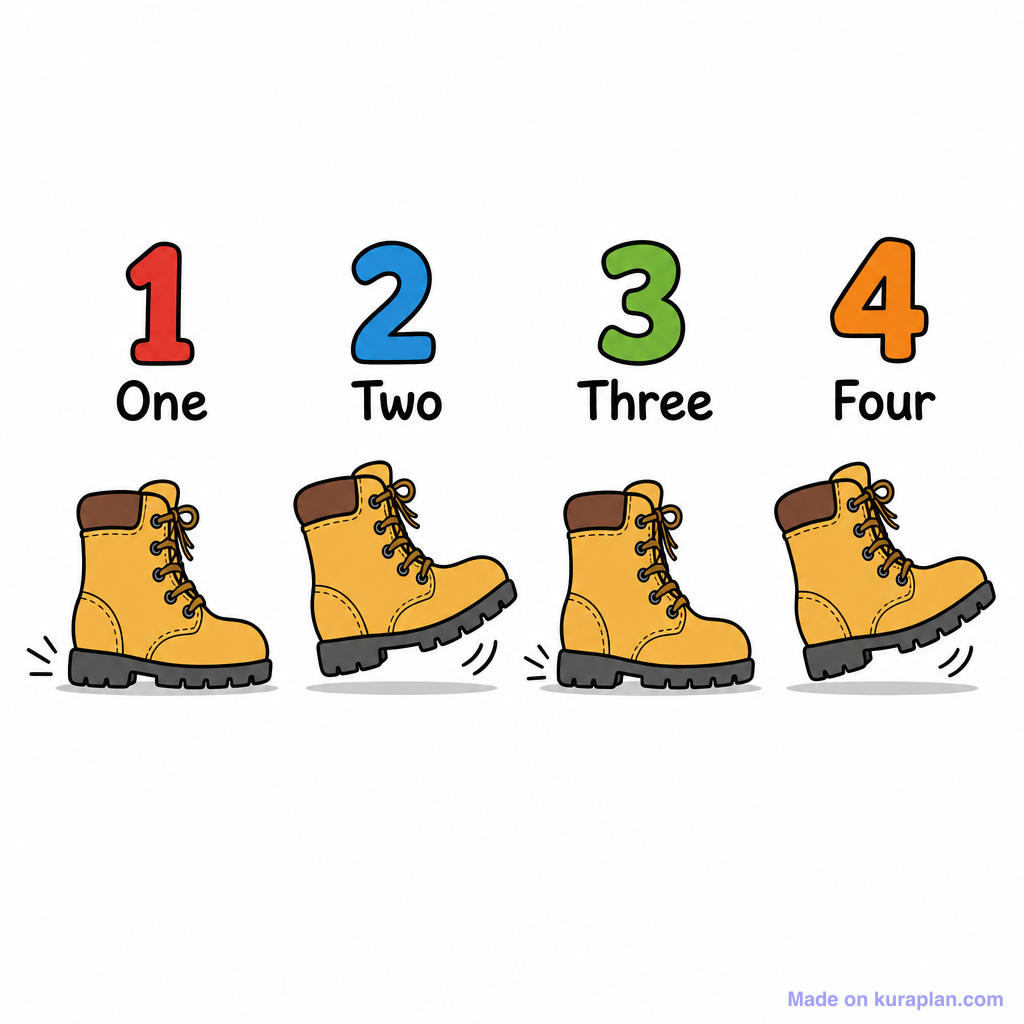
Follow the rhythm flashcards Clap each pattern with the metronome Count aloud: '1, 2, 3, 4' Identify the note values used in each pattern Work in pairs to check accuracy

The Musical Staff and Pitch

Dynamics: The Expression of Music
{"left":"pp (pianissimo) - very soft\np (piano) - soft\nmp (mezzo-piano) - moderately soft\nmf (mezzo-forte) - moderately loud","right":"f (forte) - loud\nff (fortissimo) - very loud\ncrescendo - gradually getting louder\ndiminuendo - gradually getting softer"}

Putting It All Together
How do rhythm, pitch, and dynamics work together to create musical expression? Can you sight-read this short musical example? What challenges did you face in today's exercises? How will these skills help you in musical performance?
More Music slide decks
Other ready-to-teach music decks for US classrooms.

Reading Music Notes Made Easy
Wagner's Musical Journey Explored
Wagner's Musical Journey Explored
Exploring Brahms' Rhythmic Symphony Patterns
Exploring Brahms' Rhythmic Symphony Patterns

Medieval Music Time Travel Adventure
Medieval Music Time Travel Adventure
Free Rhythm images
Drop these illustrations straight into your lesson.