
Reproduction: Asexual vs. Sexual Strategies
Understanding how life continues Grade 7 Science Essential for species survival
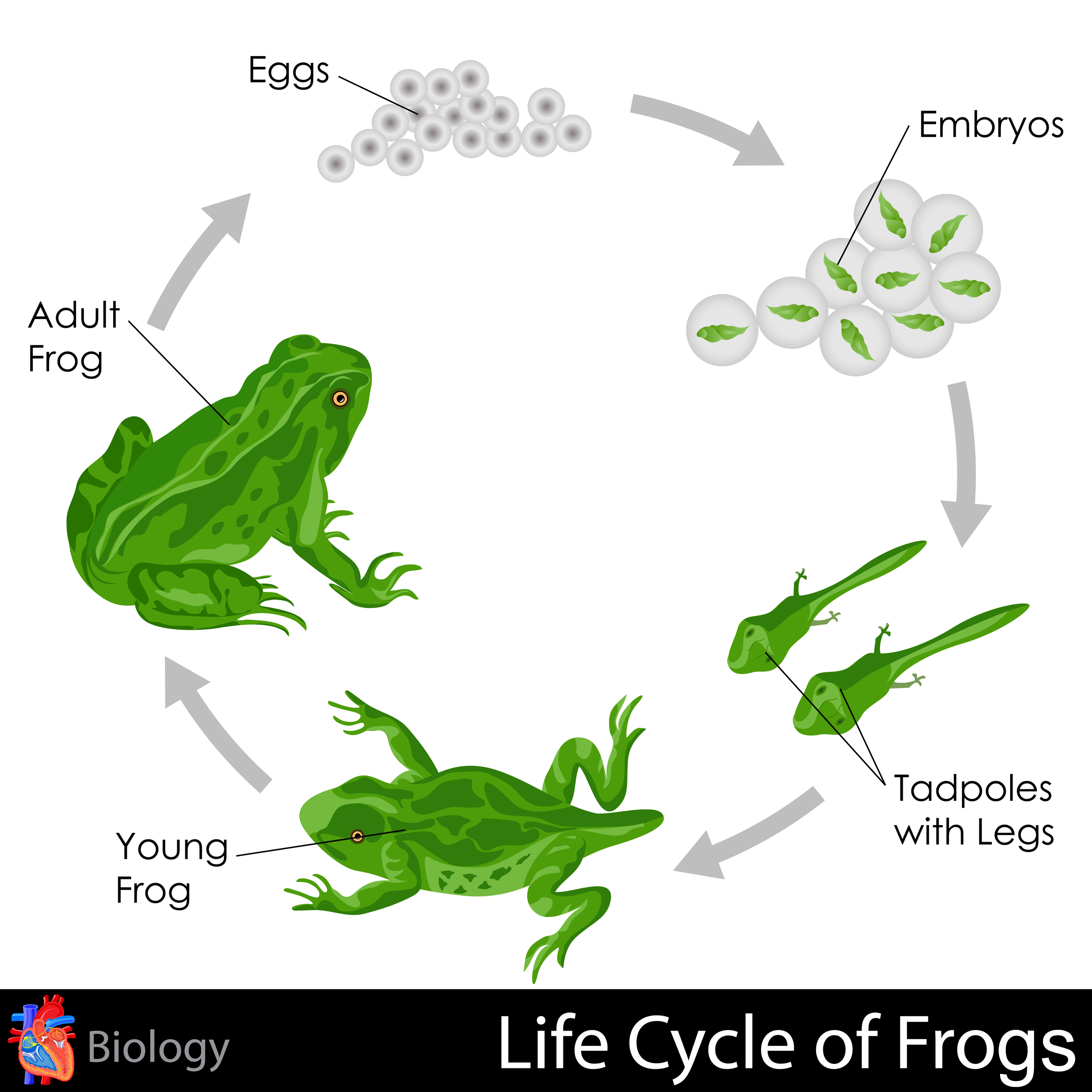
Why Do All Living Things Need to Reproduce?
Think about what would happen if organisms stopped reproducing What does reproduction ensure for species? Share your thoughts with a partner

What Is Reproduction?
The biological process that creates new organisms Ensures species survival across generations Passes genetic information to offspring Two main strategies: asexual and sexual

Asexual Reproduction
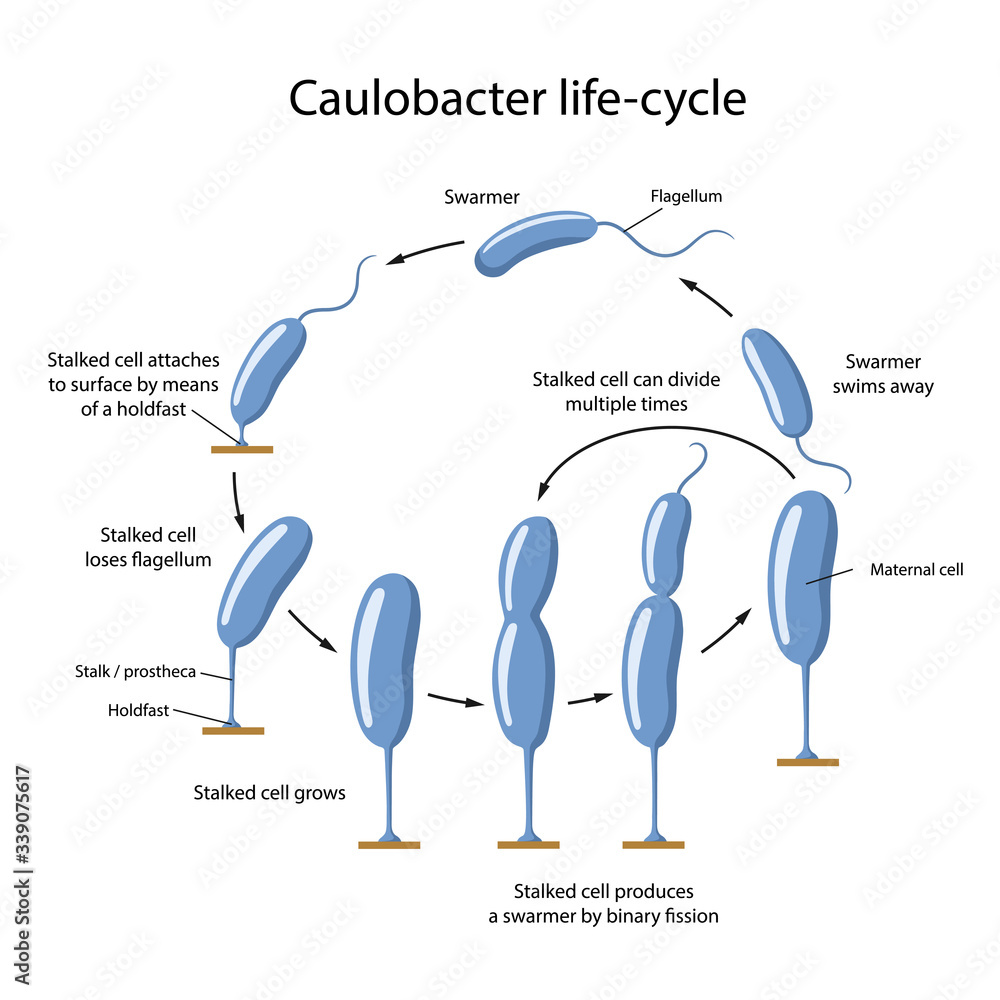
Only ONE parent needed Offspring are genetically identical (clones) No gametes (sex cells) involved Fast and efficient process
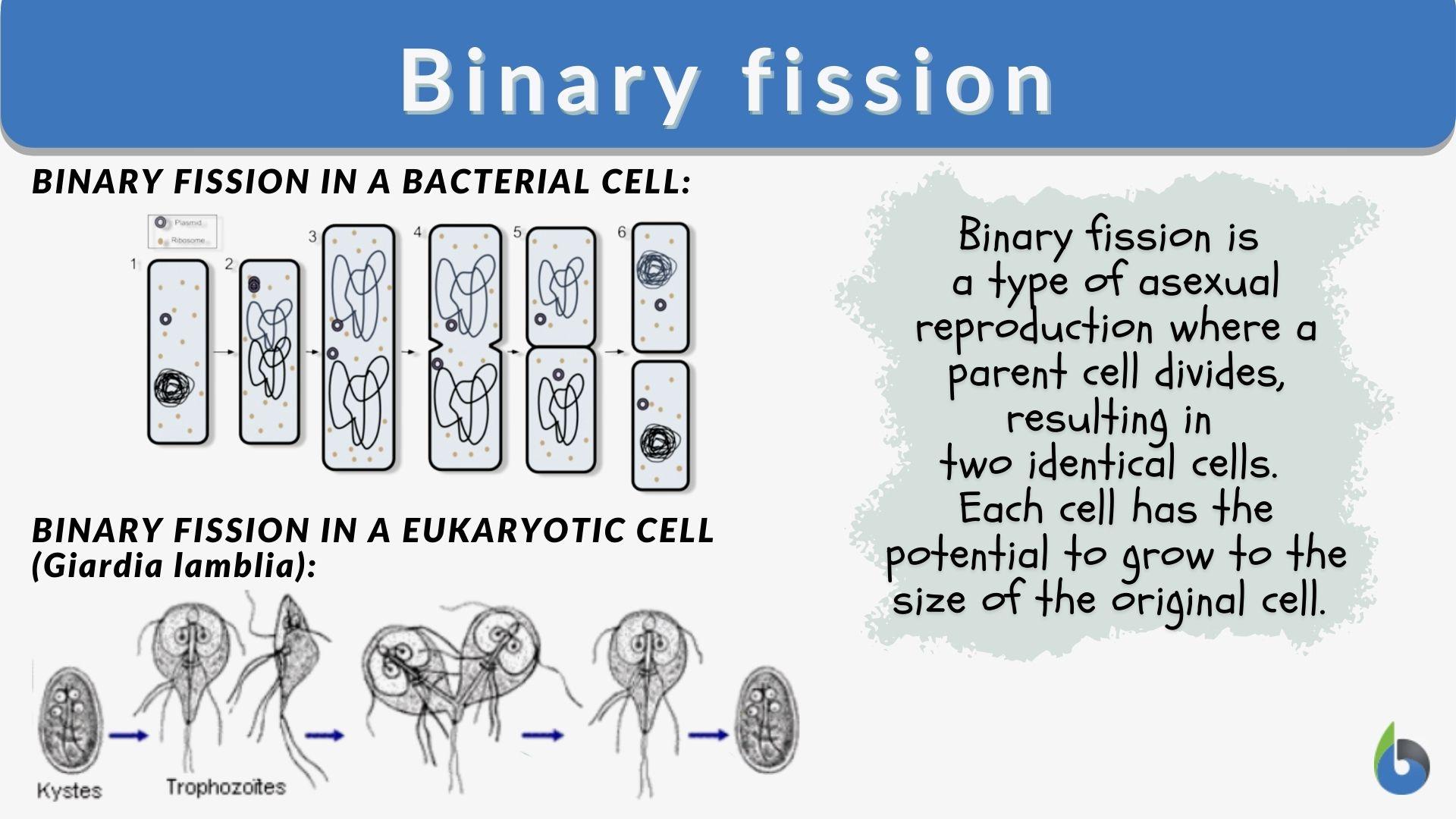
Types of Asexual Reproduction
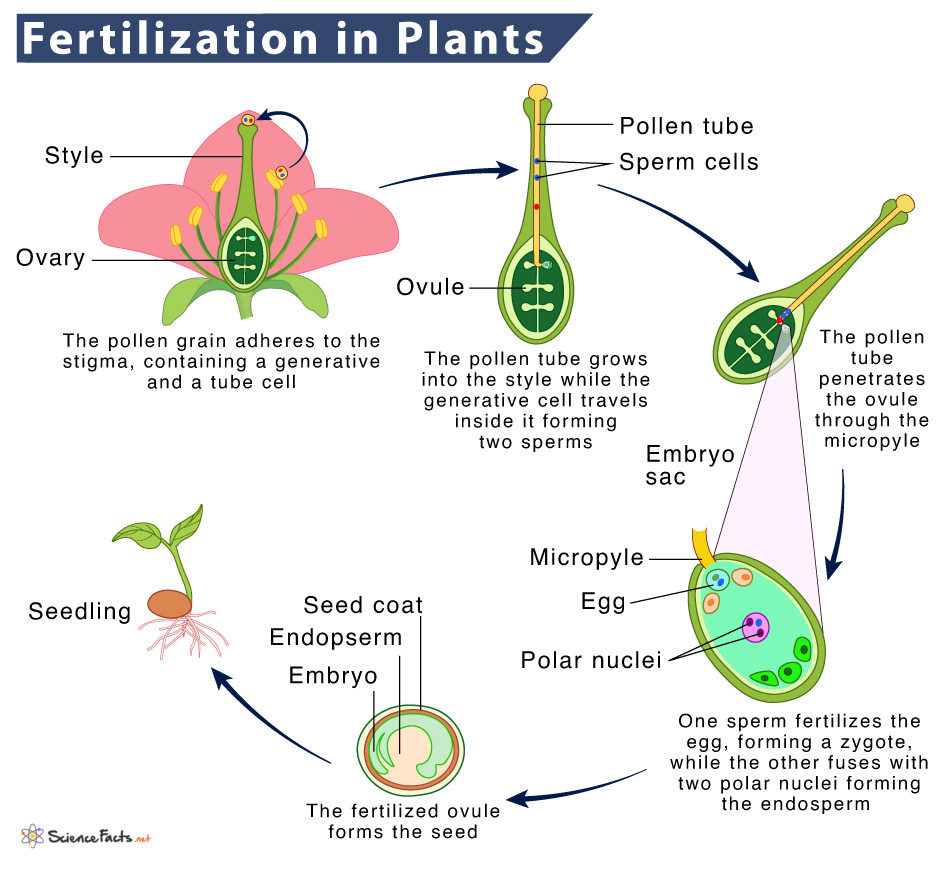
Sexual Reproduction
Requires TWO parents Involves fusion of gametes (sperm and egg) Creates genetically unique offspring Increases genetic diversity in populations
Asexual vs. Sexual Reproduction
{"left":"One parent required\nOffspring are clones\nFast reproduction\nNo genetic variation\nExamples: bacteria, hydra, starfish","right":"Two parents required\nOffspring are unique\nSlower reproduction\nHigh genetic variation\nExamples: humans, birds, flowering plants"}

Think-Pair-Share: Reproduction Strategies
With your partner, discuss: What are the main differences between asexual and sexual reproduction? Why might some organisms reproduce asexually while others reproduce sexually? Be ready to share your ideas with the class!