Rock Cycle Student Exploration Guide
Understanding Earth's Rock Formation Process Grade 6 Science Exploration 45-minute Interactive Journey
Prior Knowledge Check
What happens to hot lava after it erupts from a volcano? How does rock turn into soil? What happens to sediments carried by rivers after millions of years? Share your thoughts with a partner before we explore together!
Rock Cycle Vocabulary
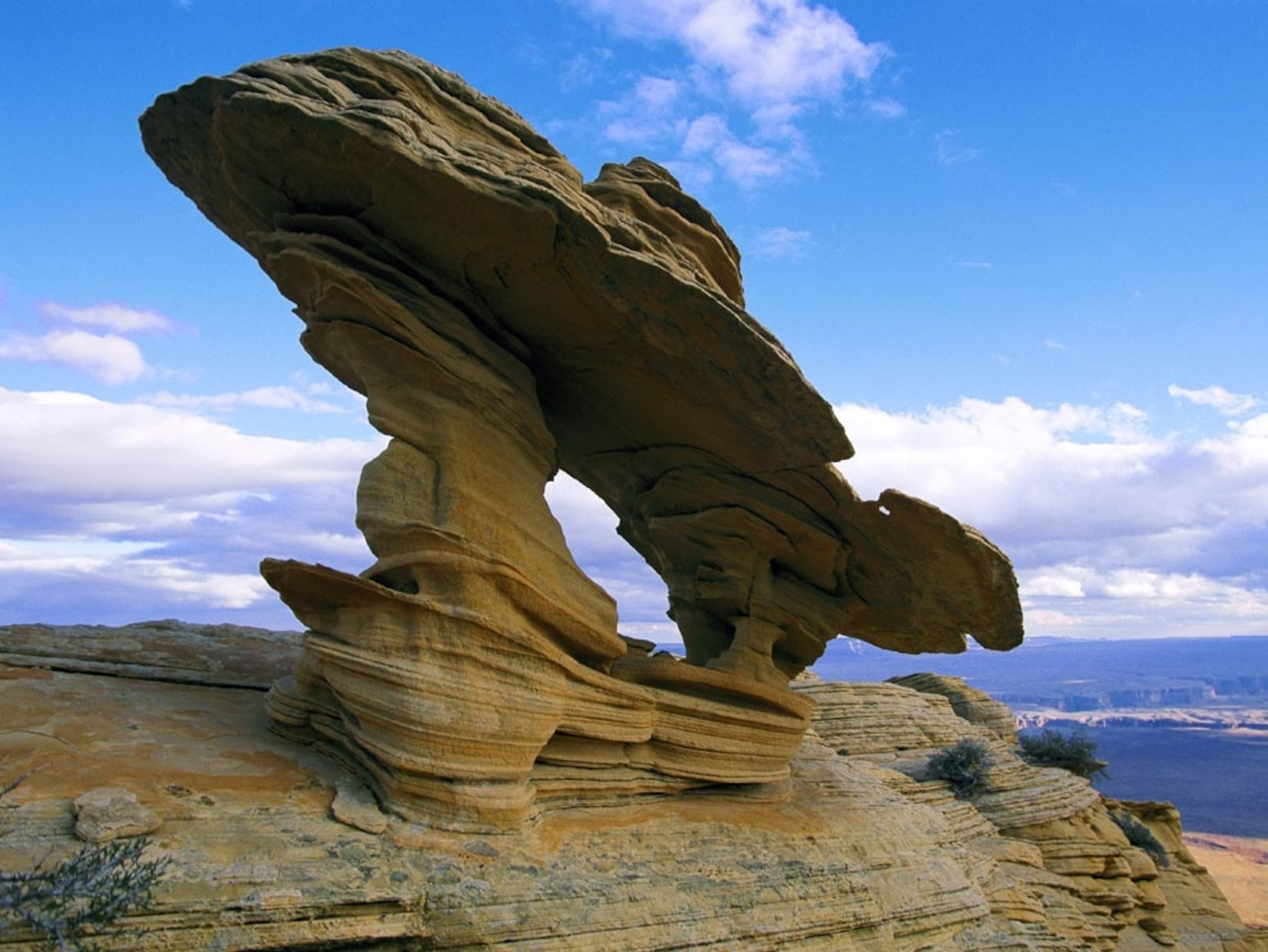
Weathering: Breaking down of rocks into smaller pieces Erosion: Transport of rock fragments by water, wind, or ice Deposition: Adding transported sediments to landforms Lithification: Compacting and cementing sediment into rock
Types of Rocks
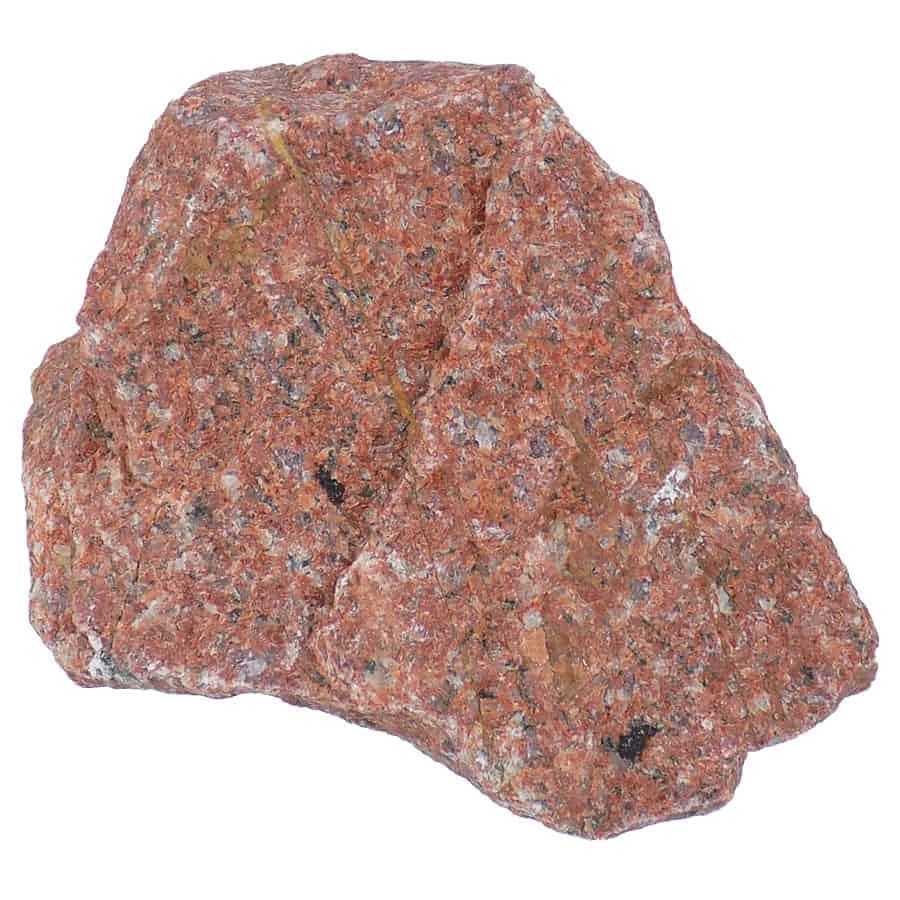
{"left":"Igneous Rocks: Formed from cooled magma or lava\nSedimentary Rocks: Formed from compressed sediments\nMetamorphic Rocks: Changed by heat and pressure\nGranite (intrusive igneous)\nBasalt (extrusive igneous)","right":"Sandstone (sedimentary)\nLimestone (sedimentary)\nSlate (metamorphic)\nMarble (metamorphic)"}
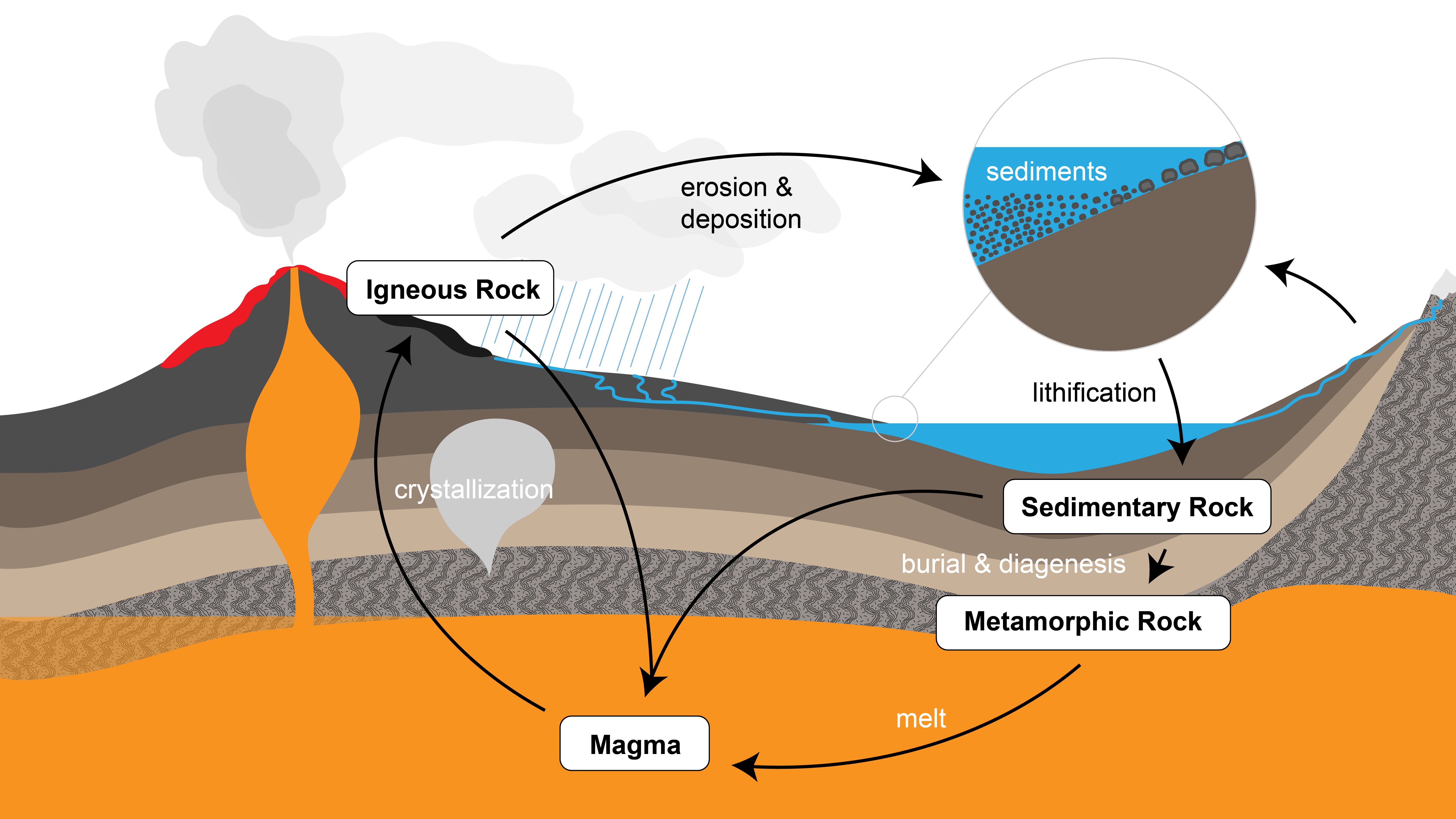
The Rock Cycle Process
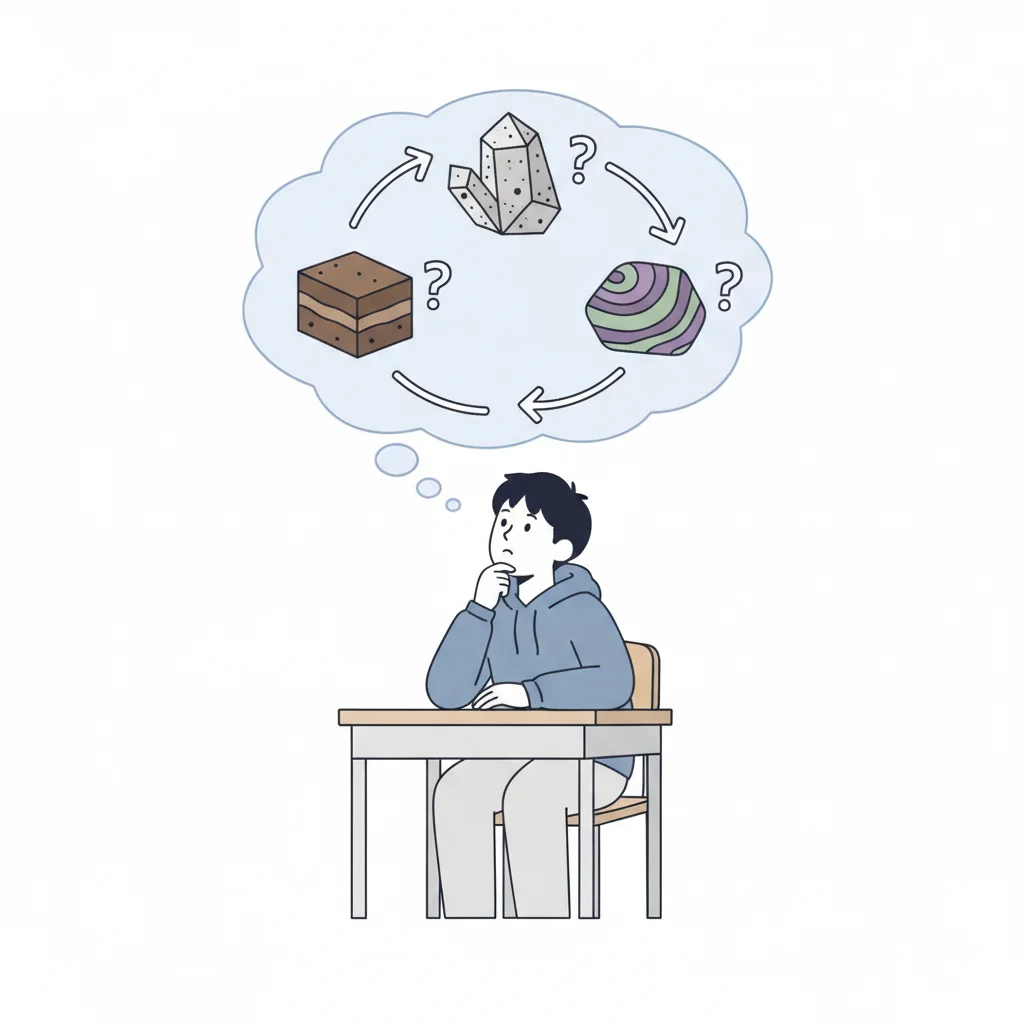
Think and Discuss
Can a sedimentary rock become an igneous rock directly? What pathway would it need to take? Hint: Think about the processes we just learned!

Gizmo Exploration Time
Use the Rock Cycle Gizmo to explore rock transformations Follow the Student Exploration worksheet Work with your partner to complete each section Pay attention to temperature and pressure changes
Key Takeaway
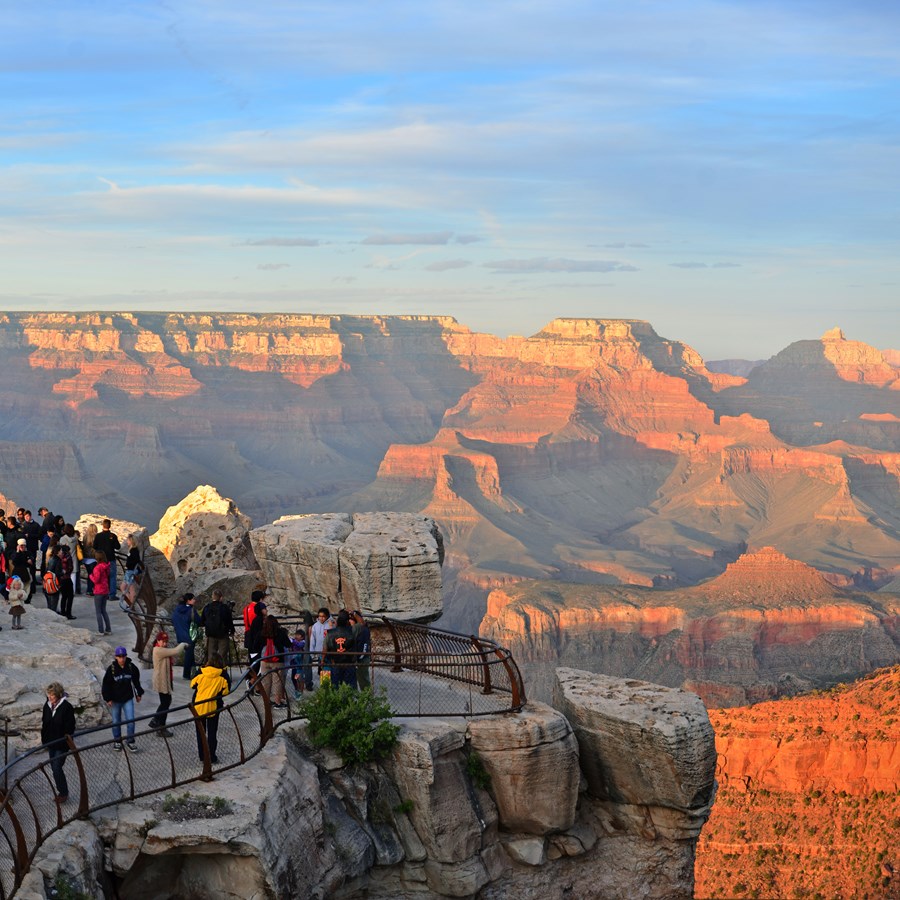
The rock cycle is a continuous process that has been shaping Earth for billions of years. Every rock you see today was once a different type of rock!