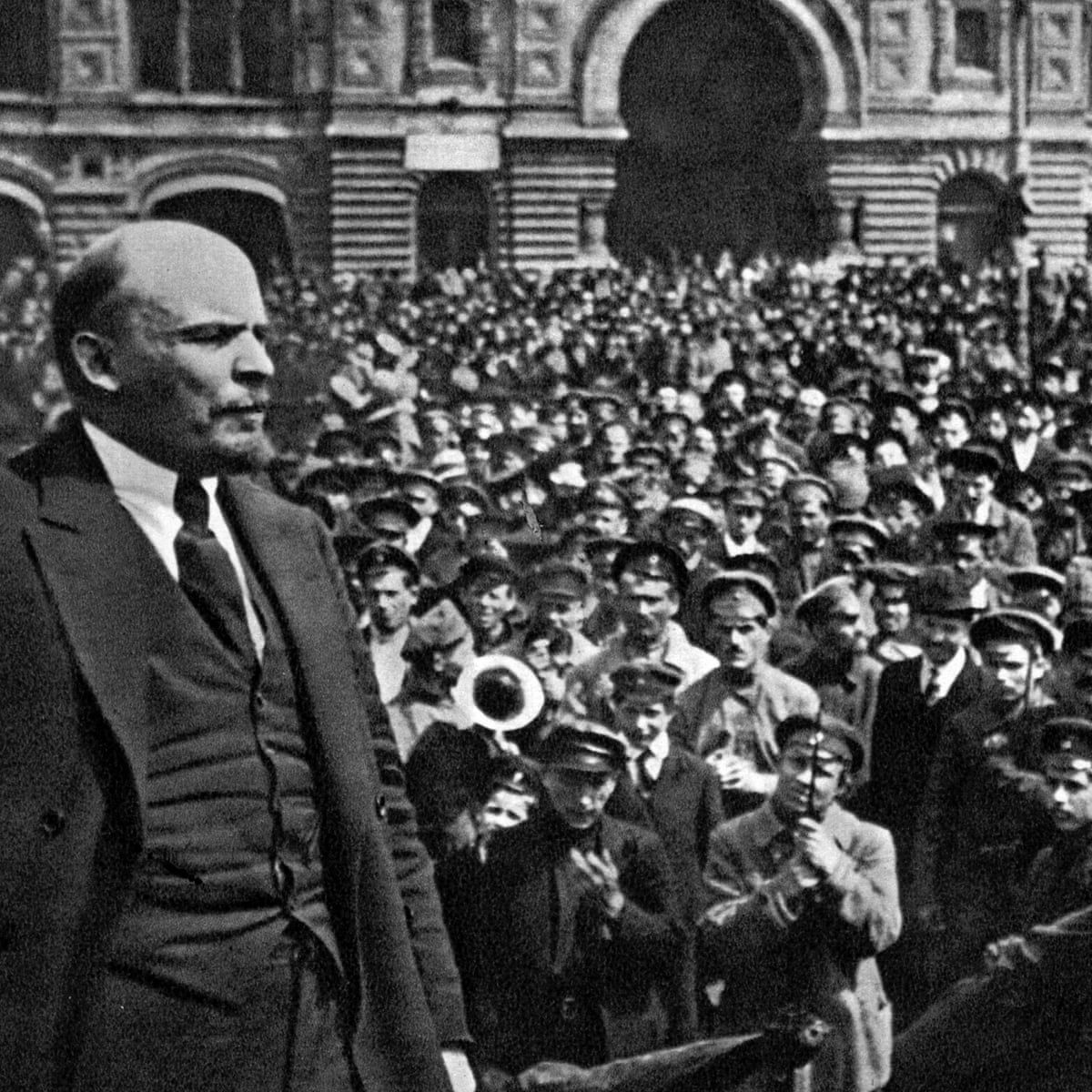
Russian Revolution: Causes, Effects, and Impact
Grade 11-12 AP European History Understanding the pivotal events of 1917 Analyzing primary sources and historical perspectives
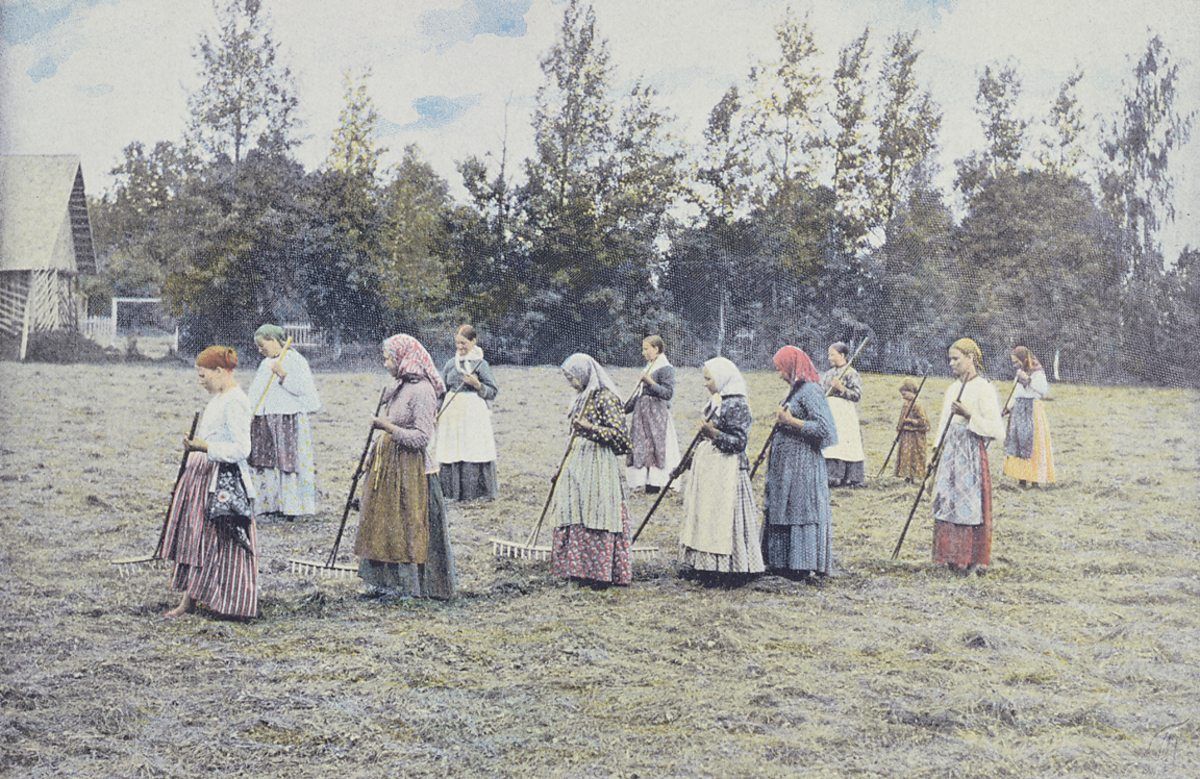
Pre-Revolution Russia: A Nation in Crisis
Autocratic rule under Tsar Nicholas II Massive socioeconomic inequality between classes Industrial working class living in poverty Peasants demanding land reform World War I devastating the economy and military
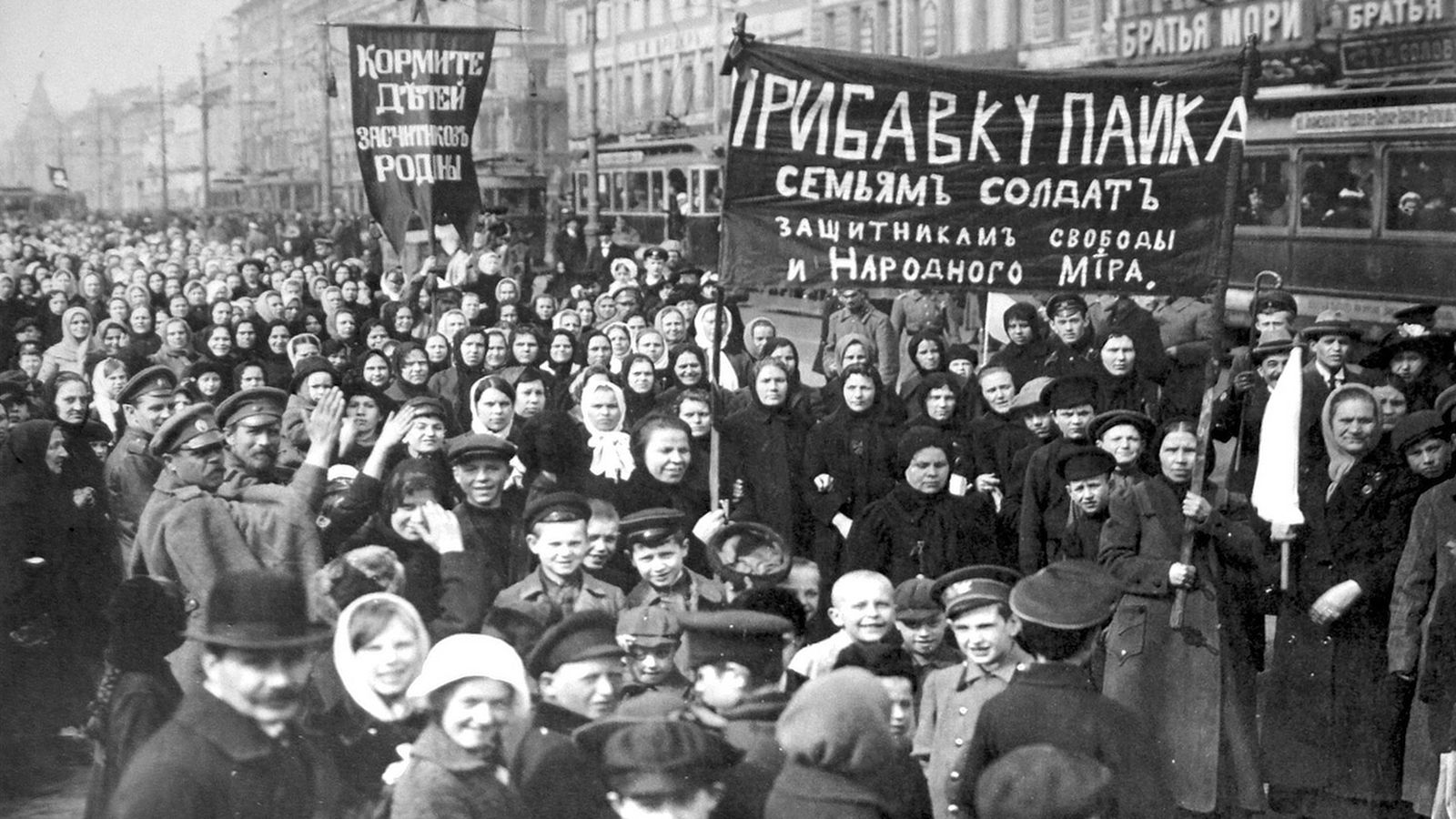
Timeline of the Russian Revolution
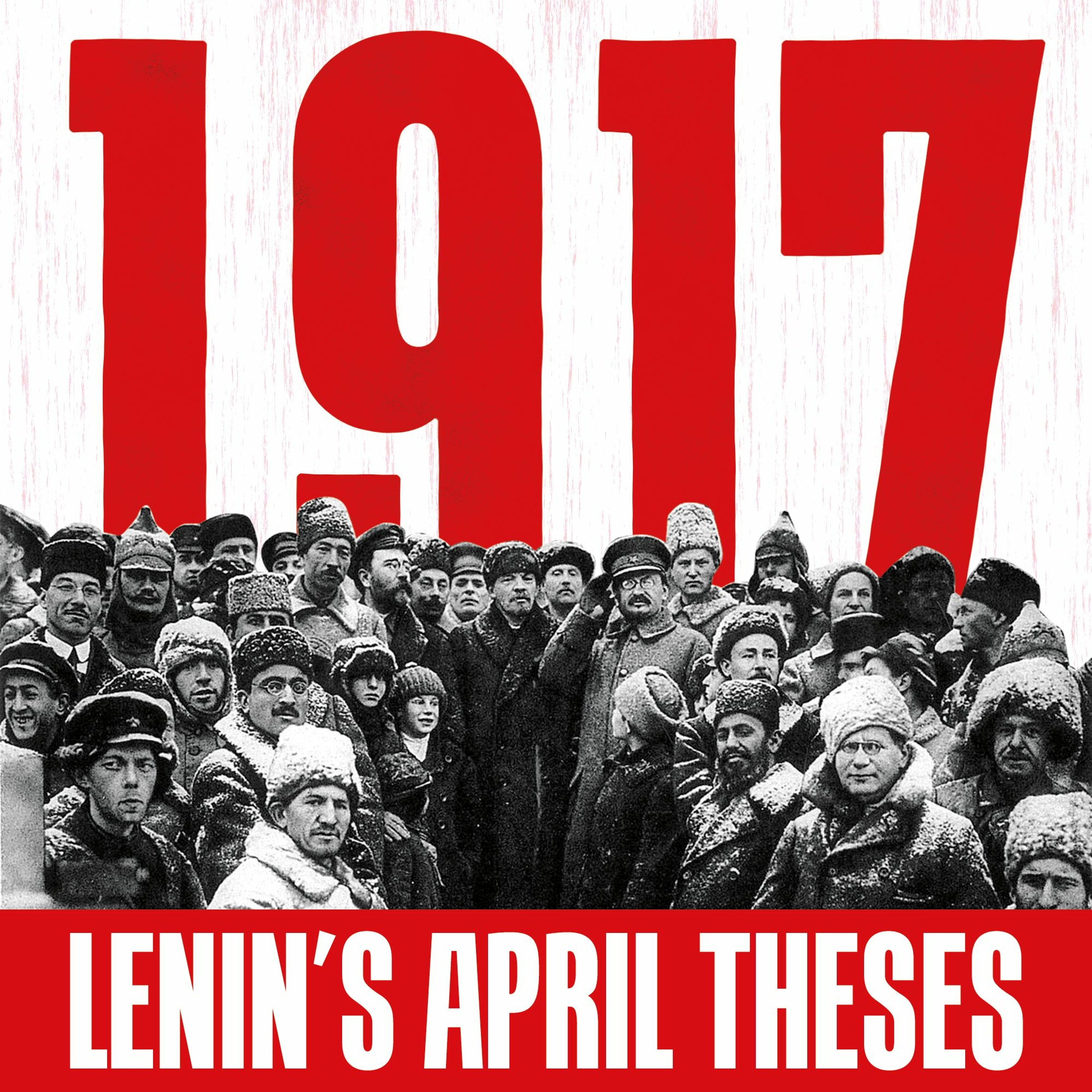
Primary Source Analysis Activity
Groups of 6-7 students each Analyze different revolutionary perspectives: Lenin's April Theses Soldier's diary from February Revolution White Army officer's speech Bolshevik propaganda poster

Critical Thinking Discussion
What were the key causes that made revolution inevitable? How did different social classes view the revolution? Why did the Bolsheviks succeed over other revolutionary groups? What role did World War I play in the revolution's timing?

Immediate vs. Long-term Effects
{"left":"End of Tsarist autocracy\nEstablishment of Soviet state\nRussian withdrawal from WWI\nBeginning of Russian Civil War","right":"Spread of communist ideology globally\nCold War tensions with Western democracies\nInspiration for other revolutionary movements\nTransformation of global political landscape"}
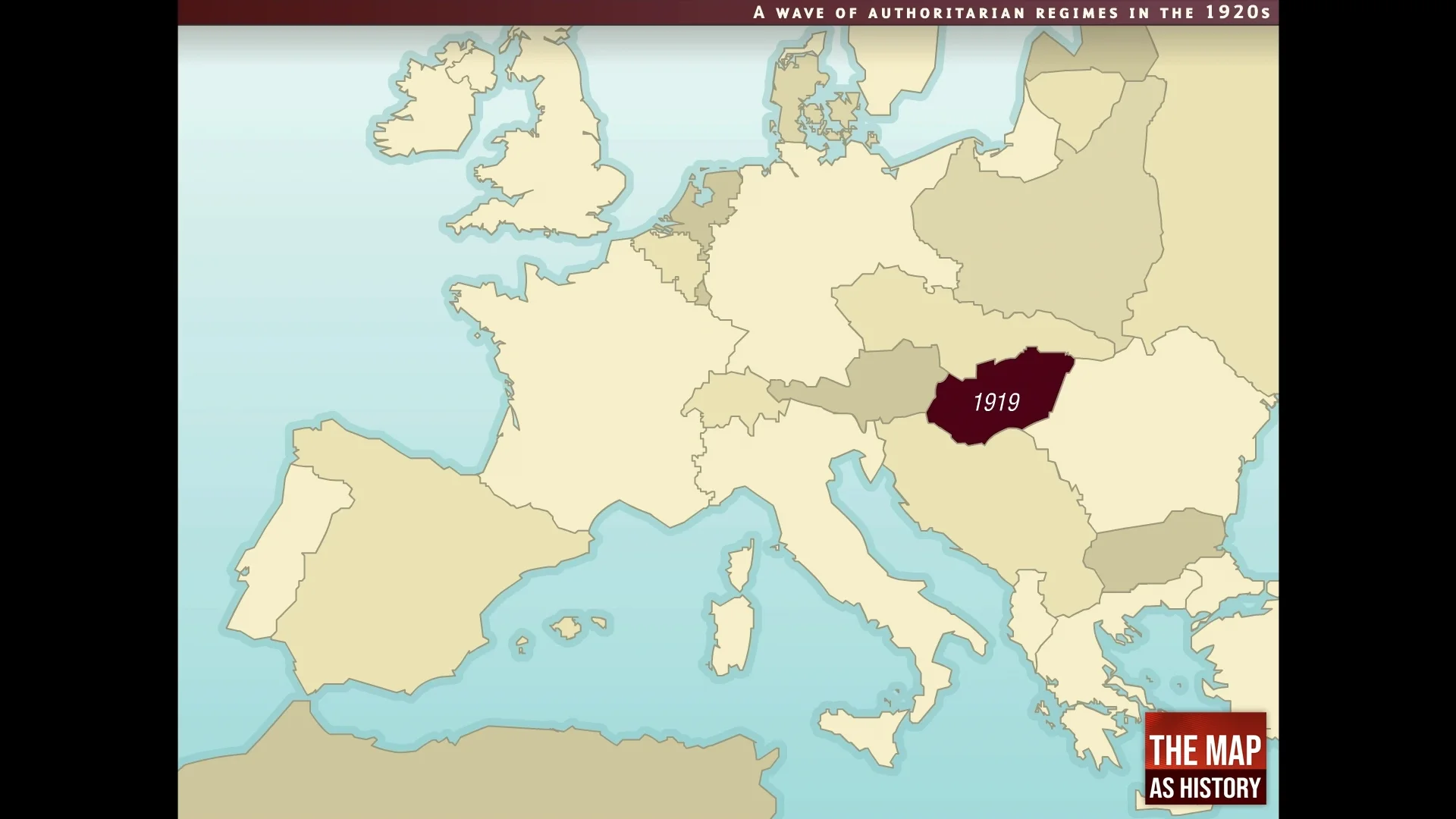
Global Impact on European Politics
Fear of communist revolution spread across Europe Rise of fascist movements as anti-communist response Polarization between capitalist and communist ideologies Influence on labor movements and workers' rights Redrawing of European political alliances

Exit Ticket Assessment
Choose one prompt to answer: Describe the role of World War I in triggering the Russian Revolution OR Explain one way the Russian Revolution affected European politics Write a clear, evidence-based response in 3-4 sentences