
Skin Disorders and Disease Prevention
Grade 10 Health Sciences Understanding Common Skin Conditions Prevention and Treatment Strategies
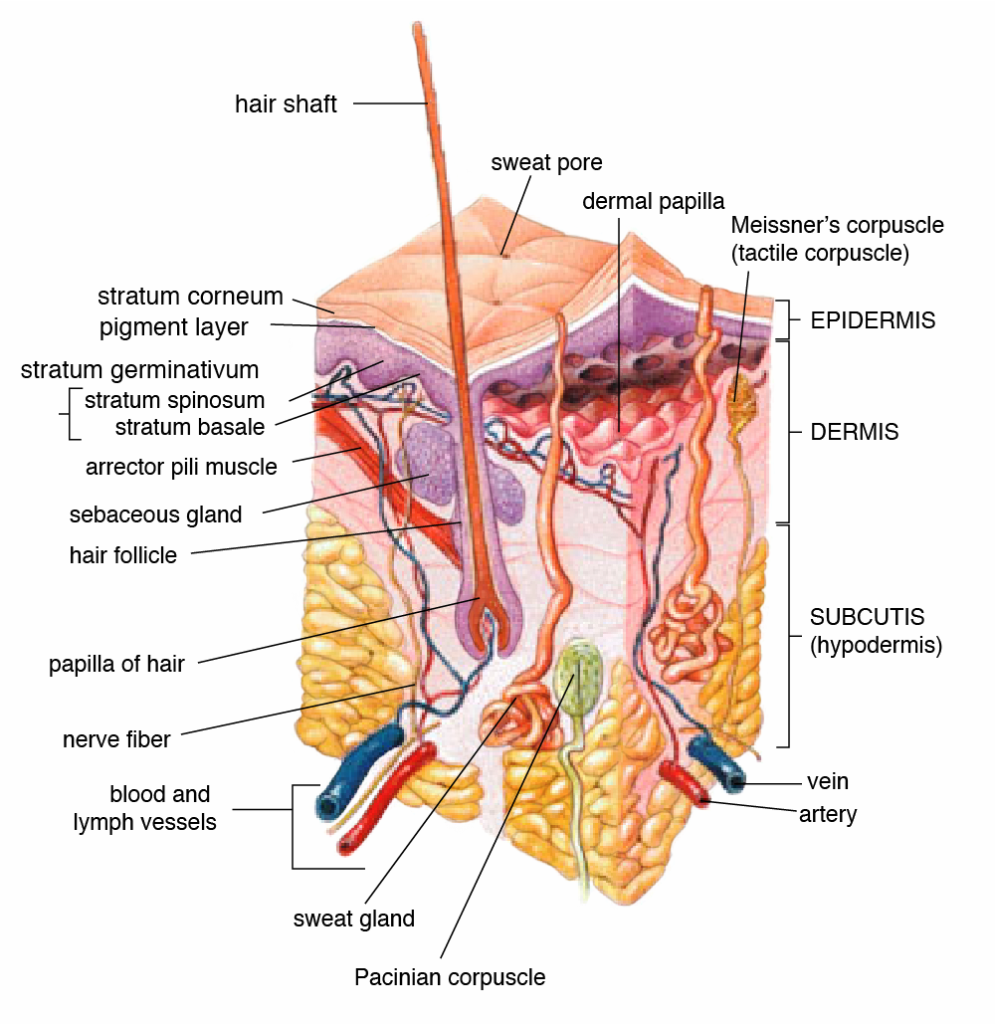
Why Study Skin Disorders?
Skin is the body's largest organ First line of defense against pathogens Professional knowledge prevents harm Early detection saves lives Understanding promotes healthy choices
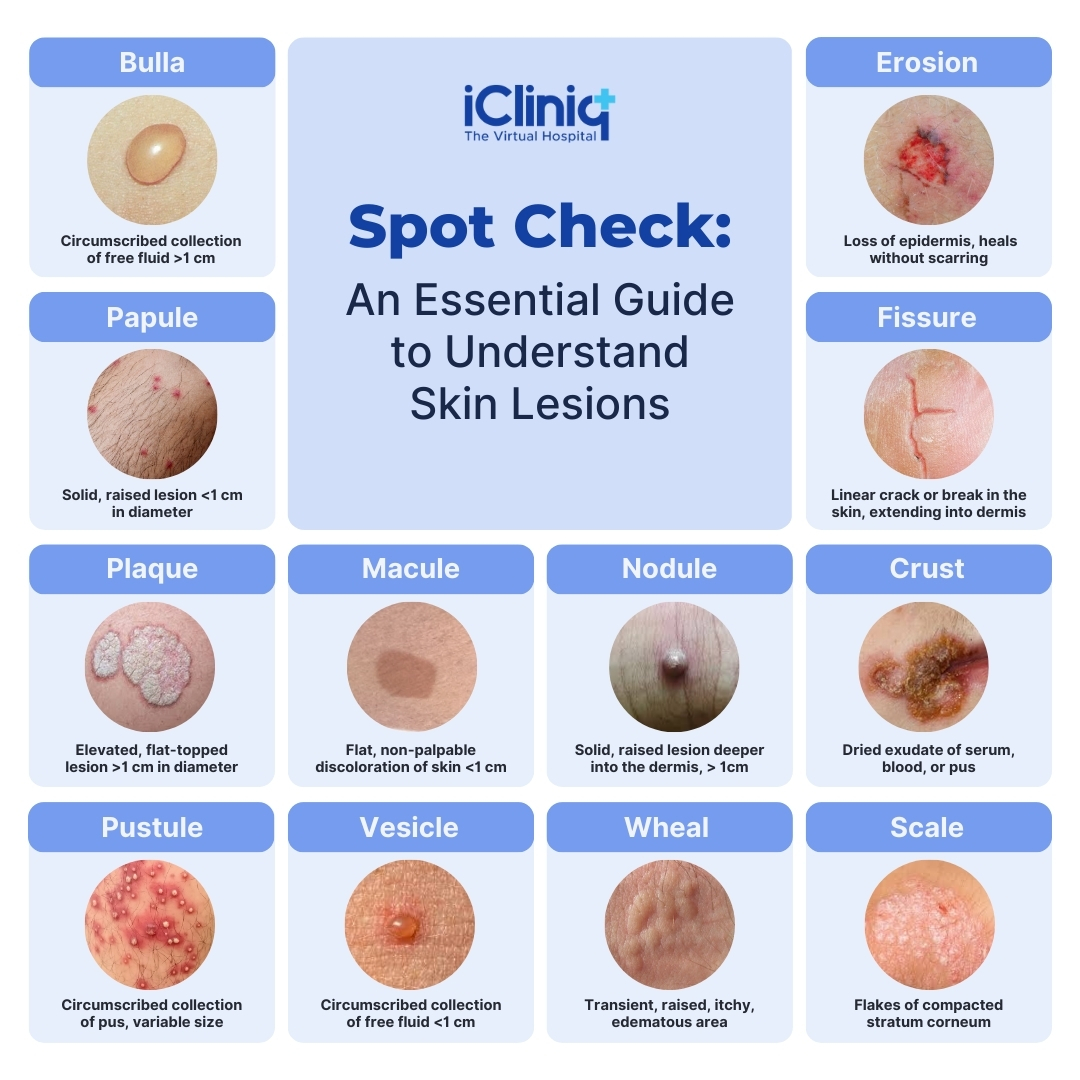
Primary vs Secondary Skin Lesions
{"left":"Primary lesions appear first\nInclude macules, papules, pustules\nDirectly caused by disease process\nExamples: moles, acne, rashes","right":"Secondary lesions develop from primary\nInclude scars, crusts, ulcers\nResult from scratching or infection\nExamples: acne scars, wound healing"}
:max_bytes(150000):strip_icc()/normal-skin-model-on-white-background-185307835-596802973df78c57f499cf79.jpg)
Sebaceous Gland Disorders
Sebaceous glands produce sebum (oil) Overproduction leads to oily skin Underproduction causes dry skin Blocked glands create comedones Common in T-zone area of face

Sudoriferous Gland Disorders
Sweat glands regulate body temperature Eccrine glands: watery sweat Apocrine glands: thicker secretions Hyperhidrosis: excessive sweating Anhidrosis: inability to sweat
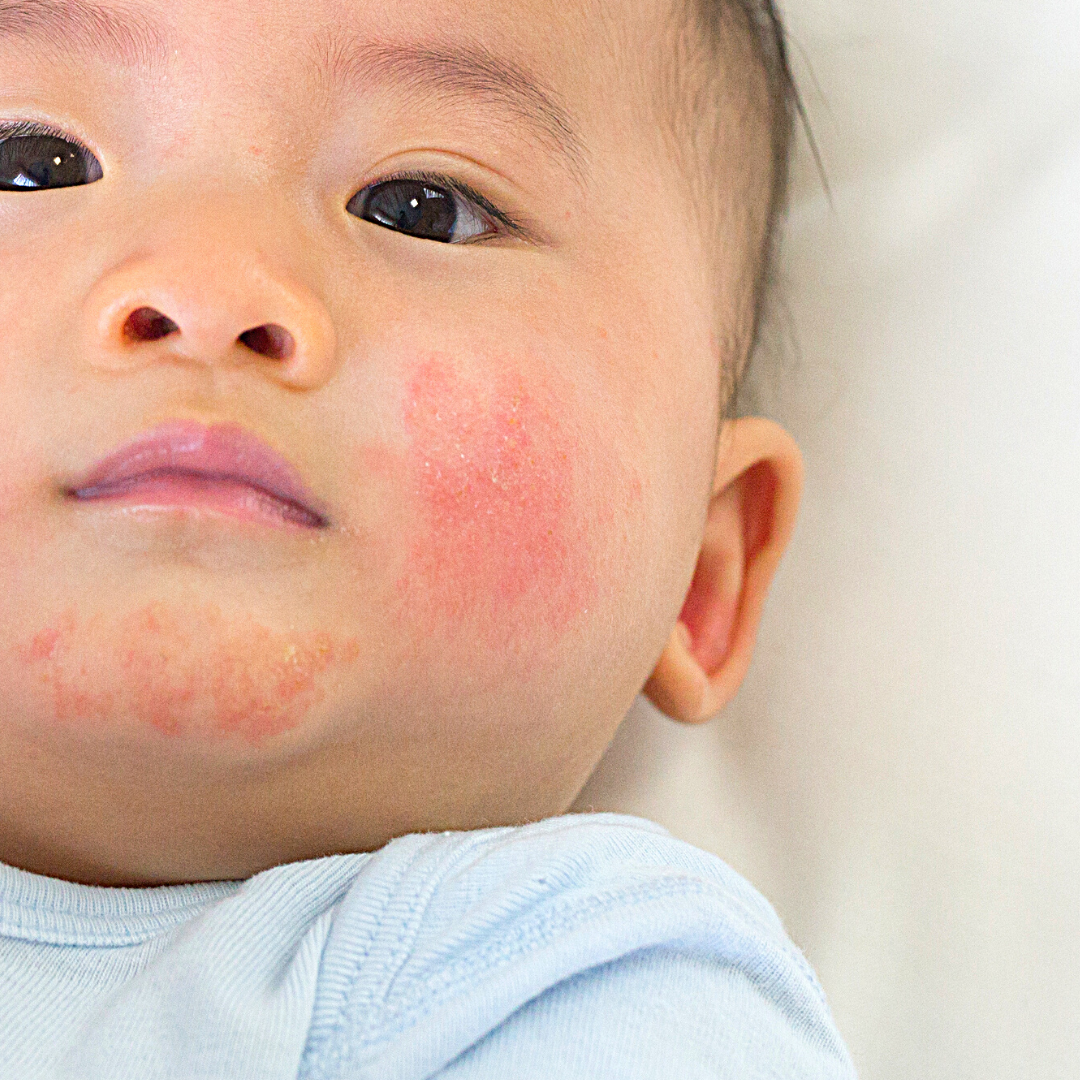
Identify the Skin Condition
Look at the images provided Identify whether each shows a primary or secondary lesion Discuss your observations with a partner Consider what might have caused each condition
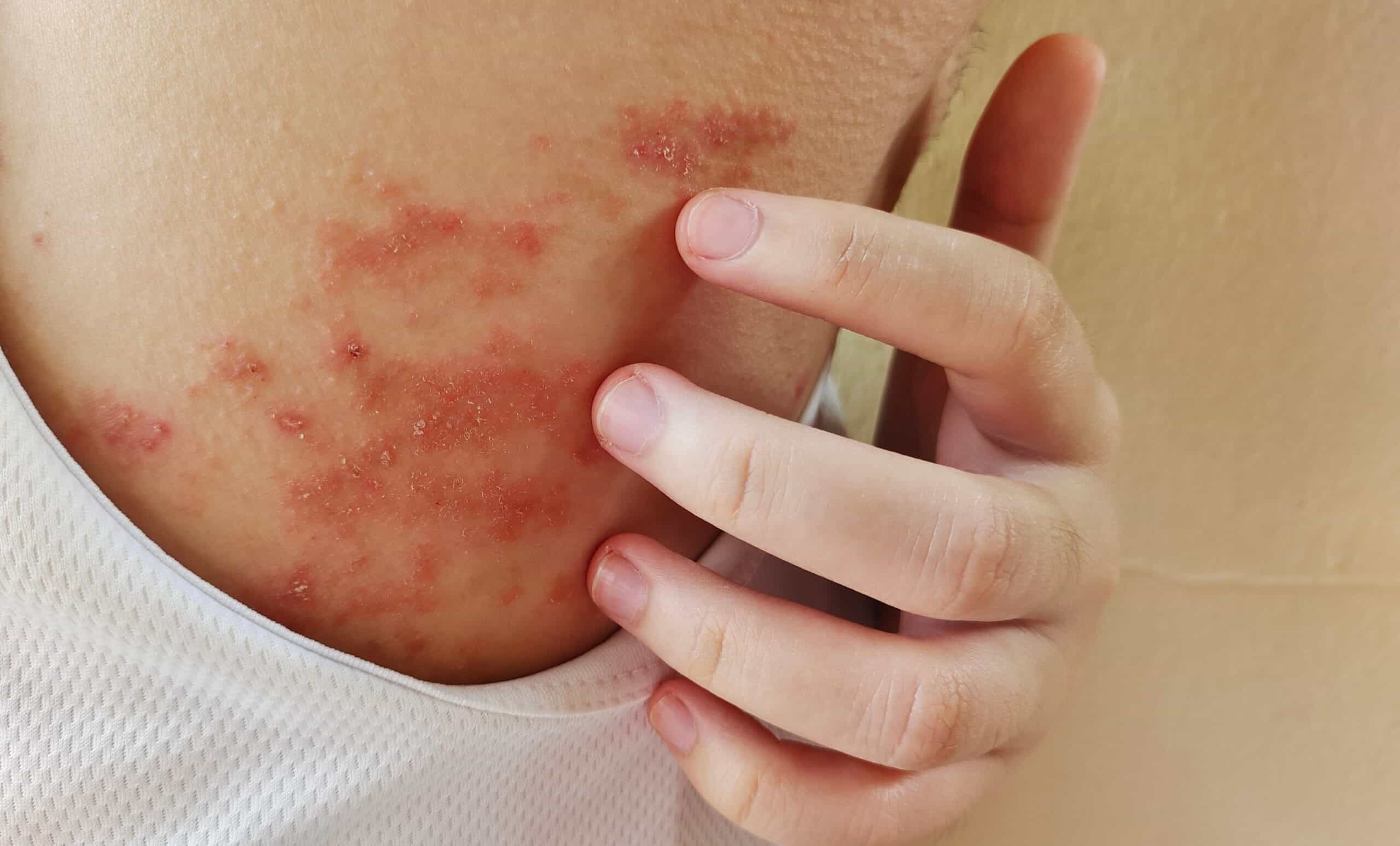
Common Skin Inflammations
Dermatitis: inflammation of skin Eczema: chronic inflammatory condition Psoriasis: autoimmune skin disorder Contact dermatitis: reaction to irritants Seborrheic dermatitis: affects oily areas
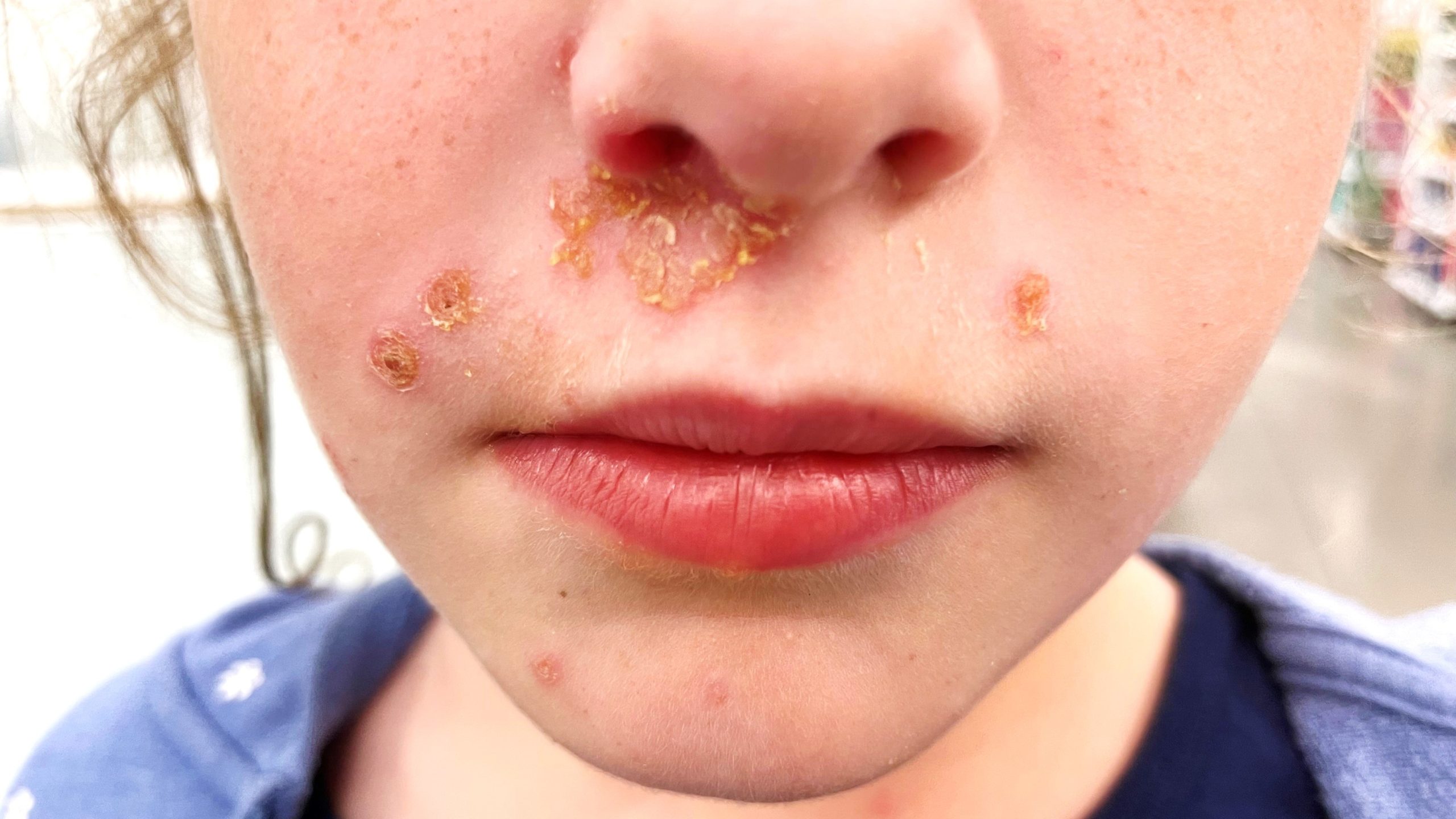
Skin Infections
Bacterial infections: impetigo, cellulitis Viral infections: warts, herpes simplex Fungal infections: athlete's foot, ringworm Parasitic infections: scabies, lice Prevention through good hygiene
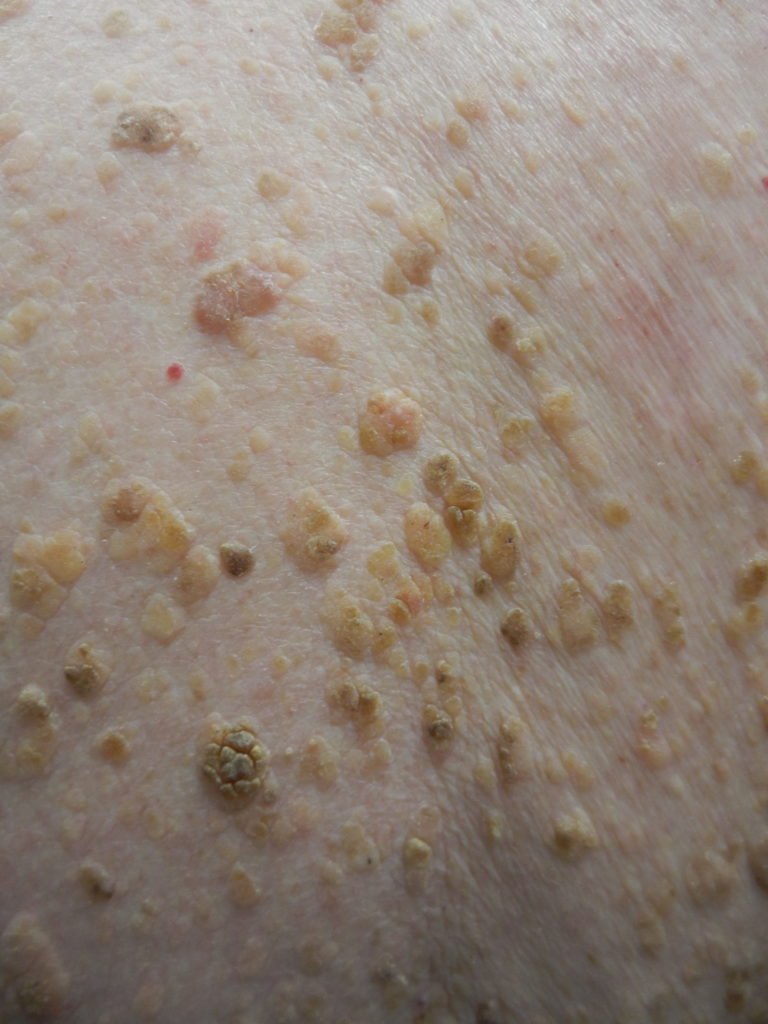
Skin Hypertrophies
Abnormal thickening of skin tissue Keloids: excessive scar tissue Calluses: thickened skin from friction Warts: viral-induced growths Seborrheic keratoses: benign growths
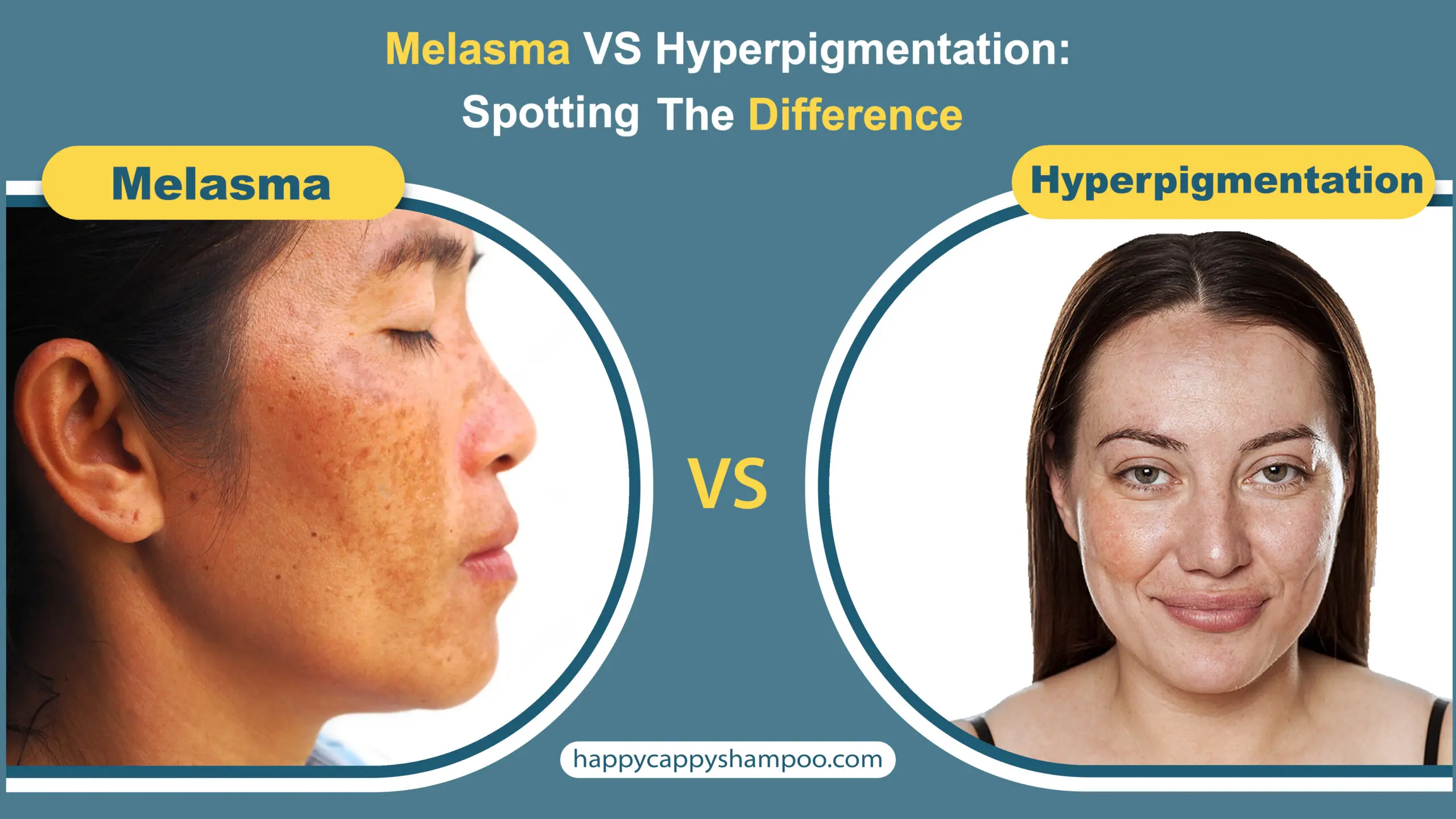
Skin Pigmentation Changes
Hyperpigmentation: darkening of skin Hypopigmentation: lightening of skin Melasma: pregnancy-related darkening Vitiligo: loss of pigment cells Age spots: sun-induced pigmentation
Think and Discuss
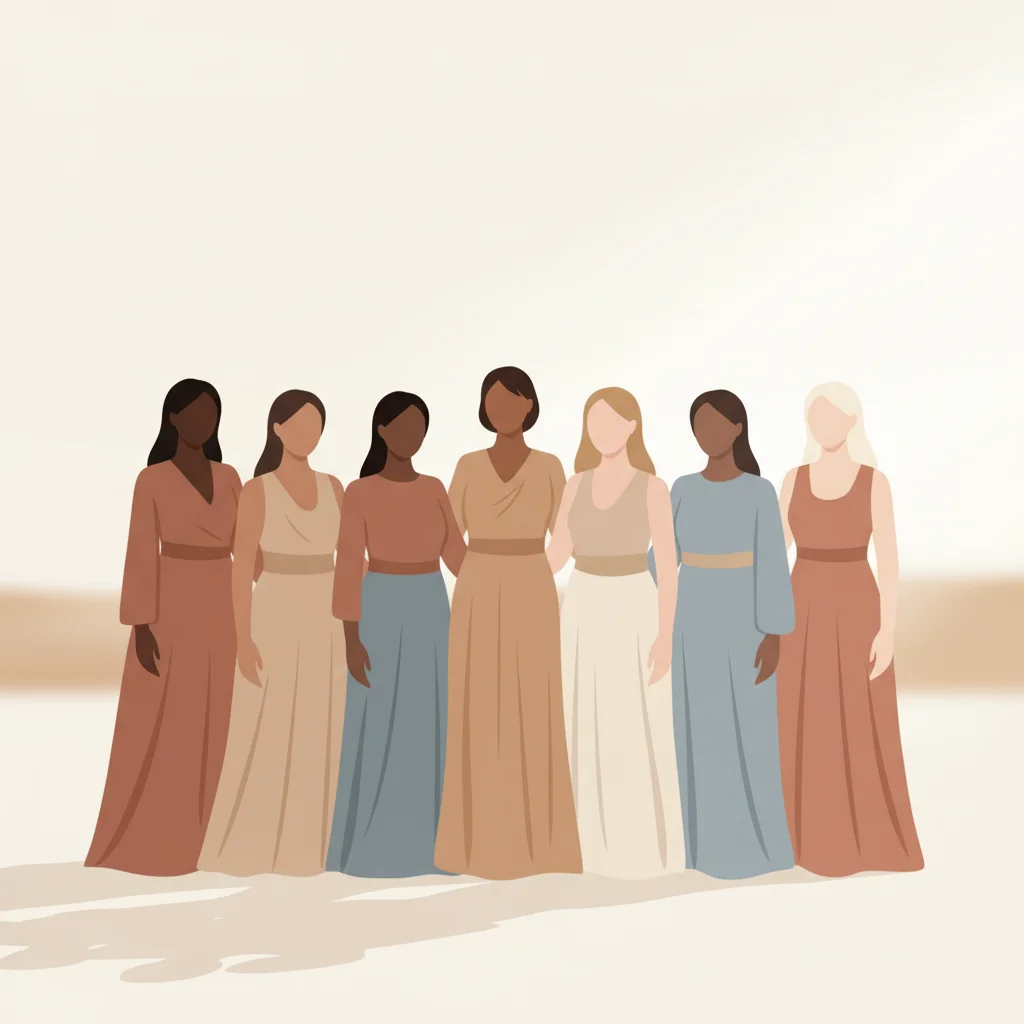
What environmental factors might contribute to skin pigmentation changes? How might cultural attitudes toward skin color affect treatment decisions? What role does genetics play in pigmentation disorders?

Understanding Acne: Causes
Hormonal changes during puberty Excess sebum production Blocked hair follicles Bacterial growth (P. acnes) Genetic predisposition Certain medications and cosmetics
9 more slides available after you open the deck.
Download all 21 slides