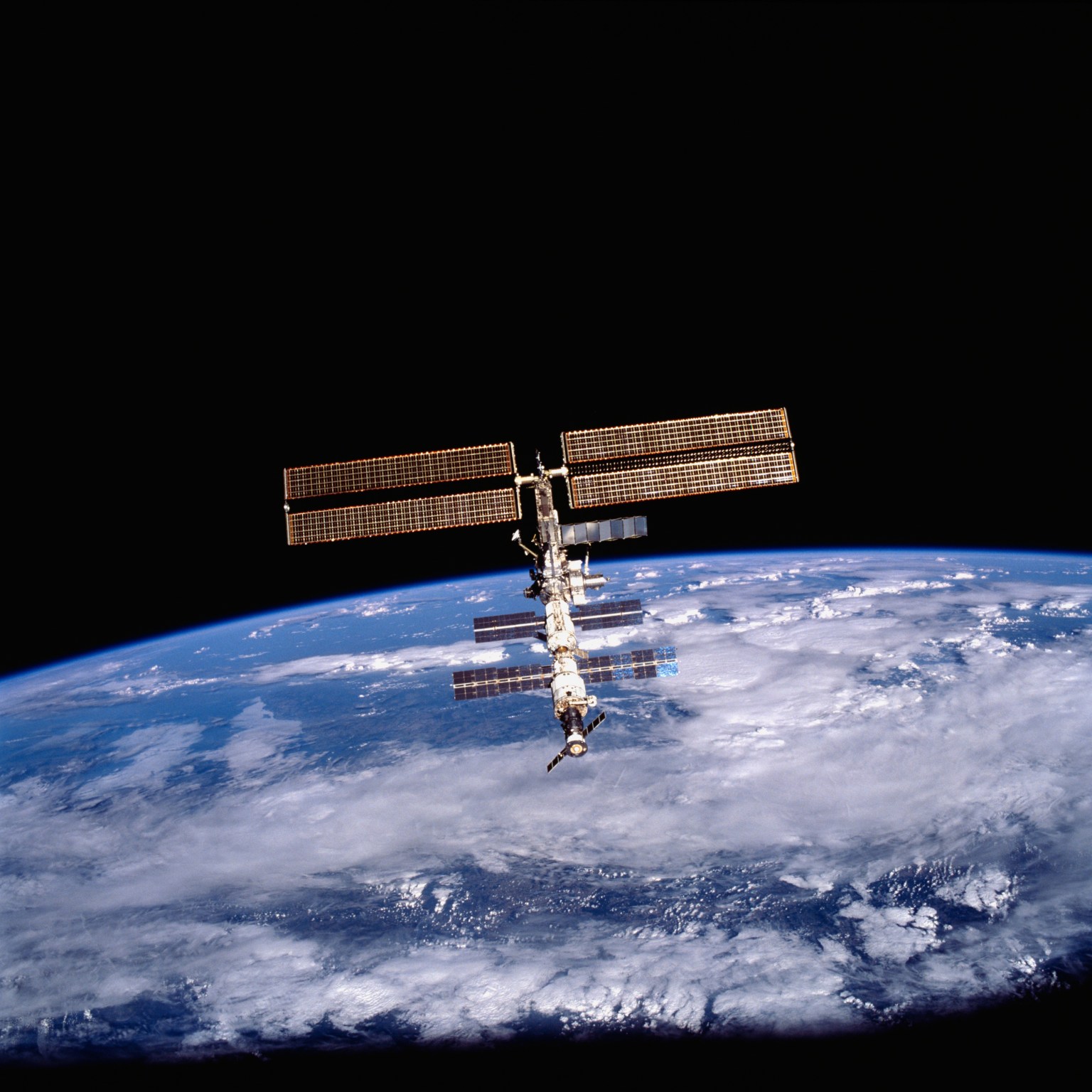
Space Tech: Discoveries Drive Innovation
How space technologies reveal cosmic secrets From telescopes to satellites to space probes Grade 8 Science - NGSS Aligned

The Space Technology Toolkit
Telescopes - our eyes in space Satellites - Earth's orbital observers Space probes - robotic explorers Spectrometers - cosmic chemistry detectors

Telescopes: Windows to the Universe
Optical telescopes capture visible light Radio telescopes detect radio waves X-ray telescopes see high-energy radiation Each type reveals different cosmic secrets
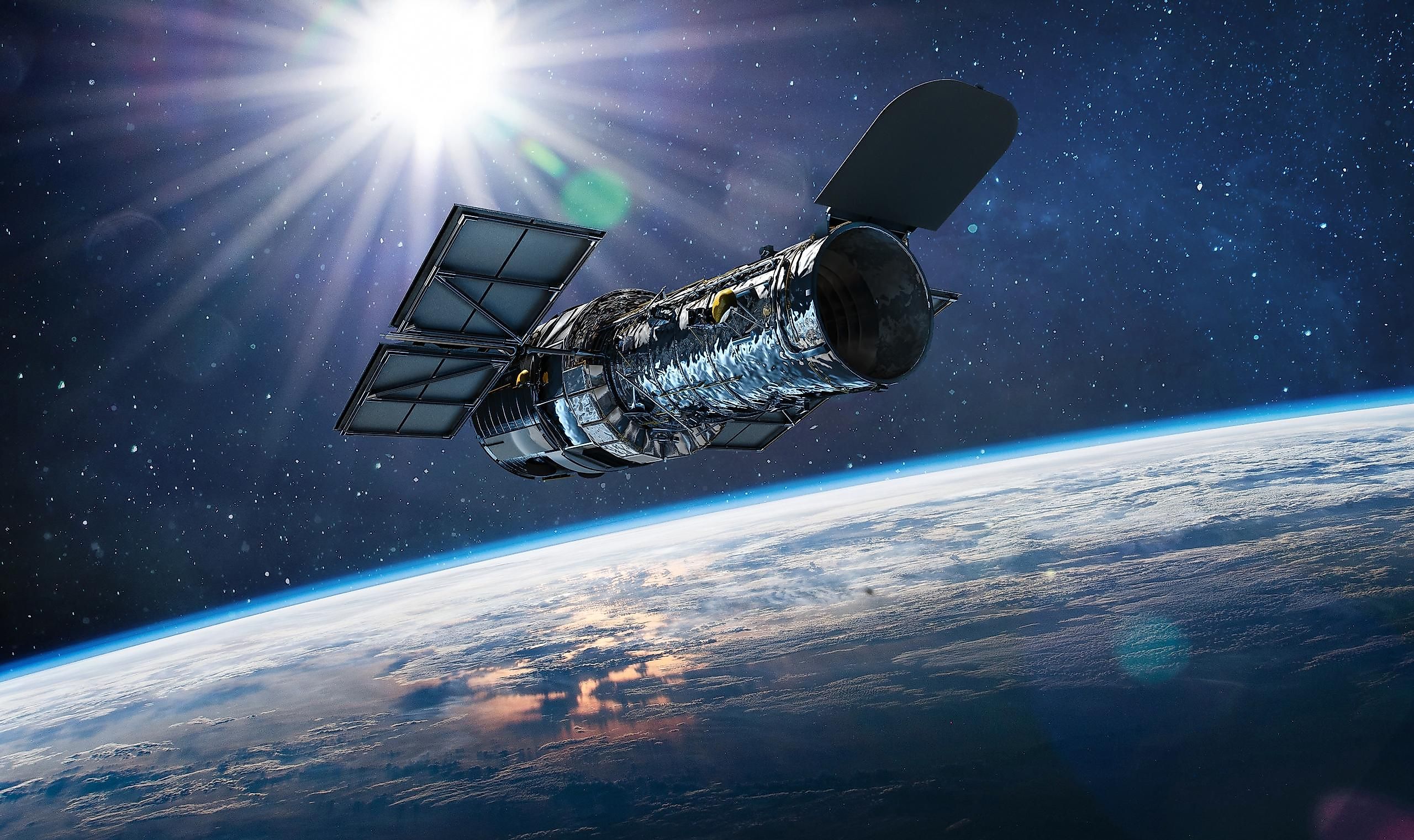
Hubble's Greatest Discoveries
Satellites vs Space Probes: Different Jobs
{"left":"Satellites orbit Earth or other planets\nMonitor weather and climate patterns\nEnable GPS navigation systems\nProvide global communications","right":"Space probes travel through deep space\nVisit planets, moons, and asteroids\nCollect samples and take close-up photos\nSend data back across vast distances"}
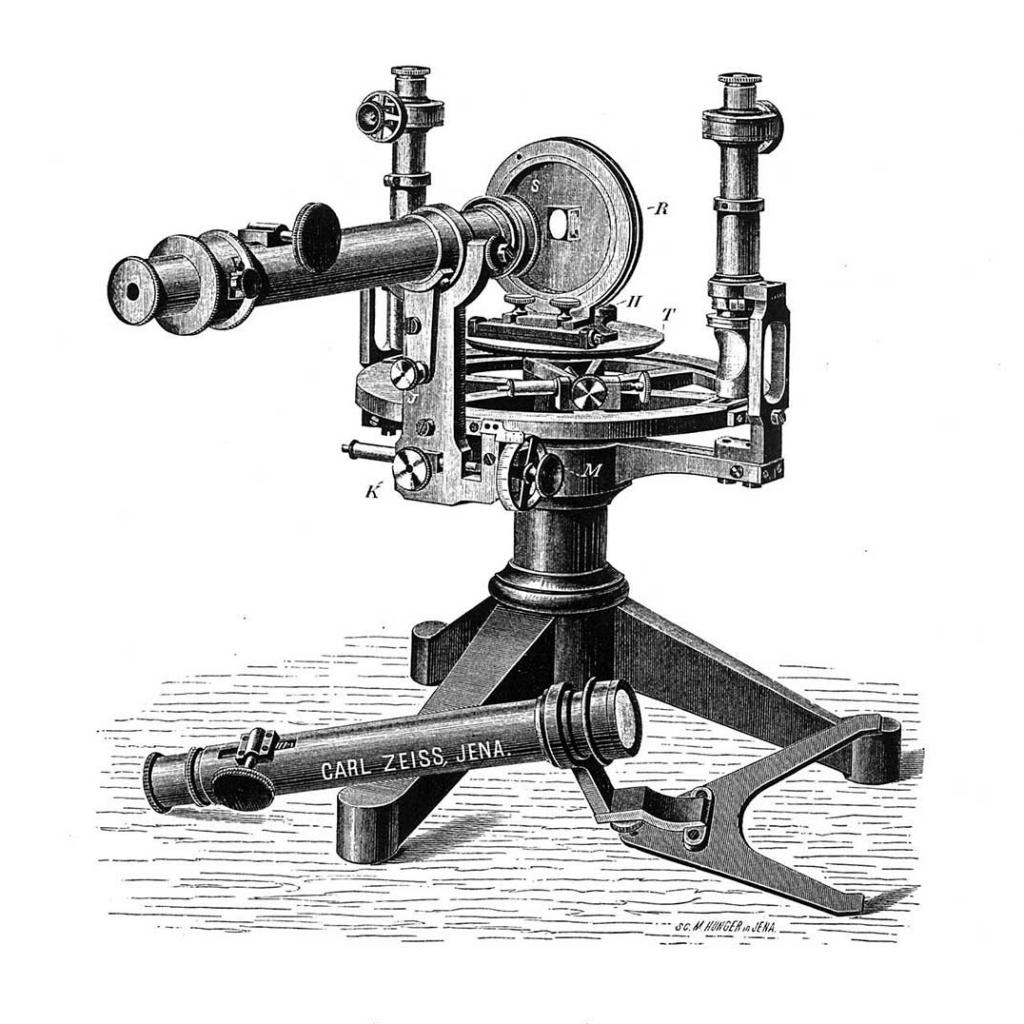
Spectrometer Detective Challenge
You're a space detective using spectral analysis! Each element produces unique light patterns Match the spectral 'fingerprints' to identify what stars are made of Work in pairs to solve the cosmic mystery
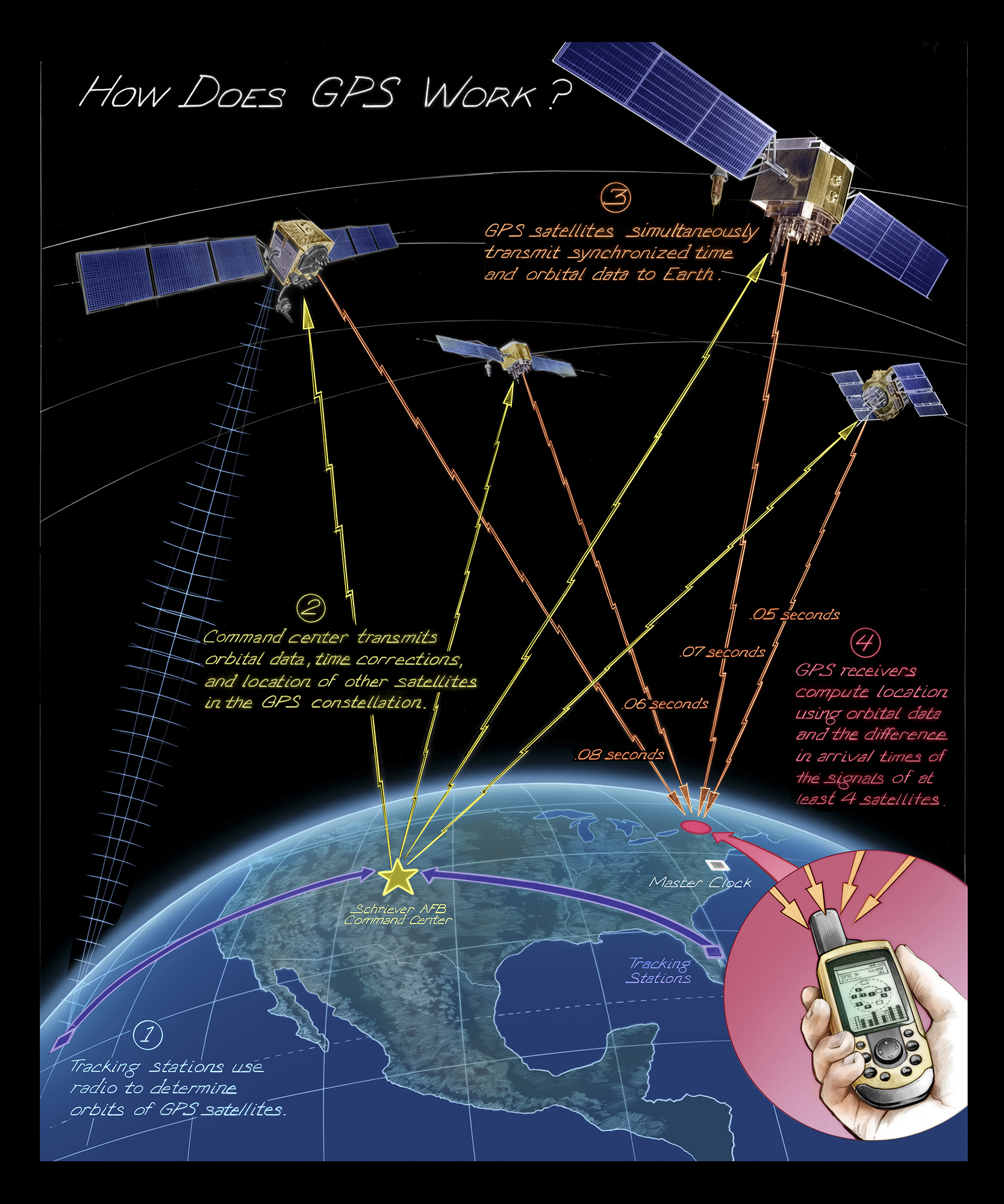
From Discovery to Innovation: The GPS Story
Military satellites needed precise timing Einstein's relativity affected satellite clocks Scientists solved the time dilation problem GPS now guides your smartphone navigation
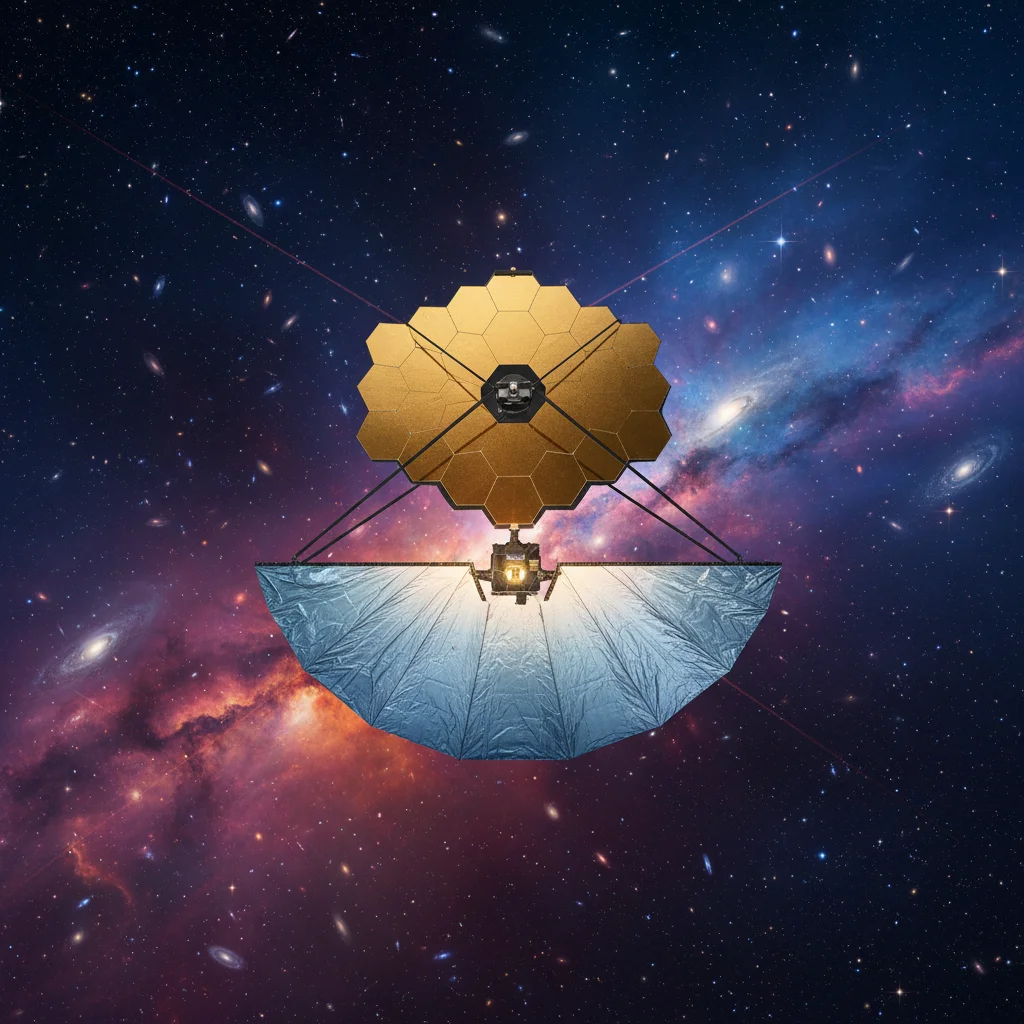
Think and Discuss
How might the James Webb Space Telescope's infrared discoveries lead to new technologies? What everyday innovations might come from studying exoplanets? Share your predictions with a partner
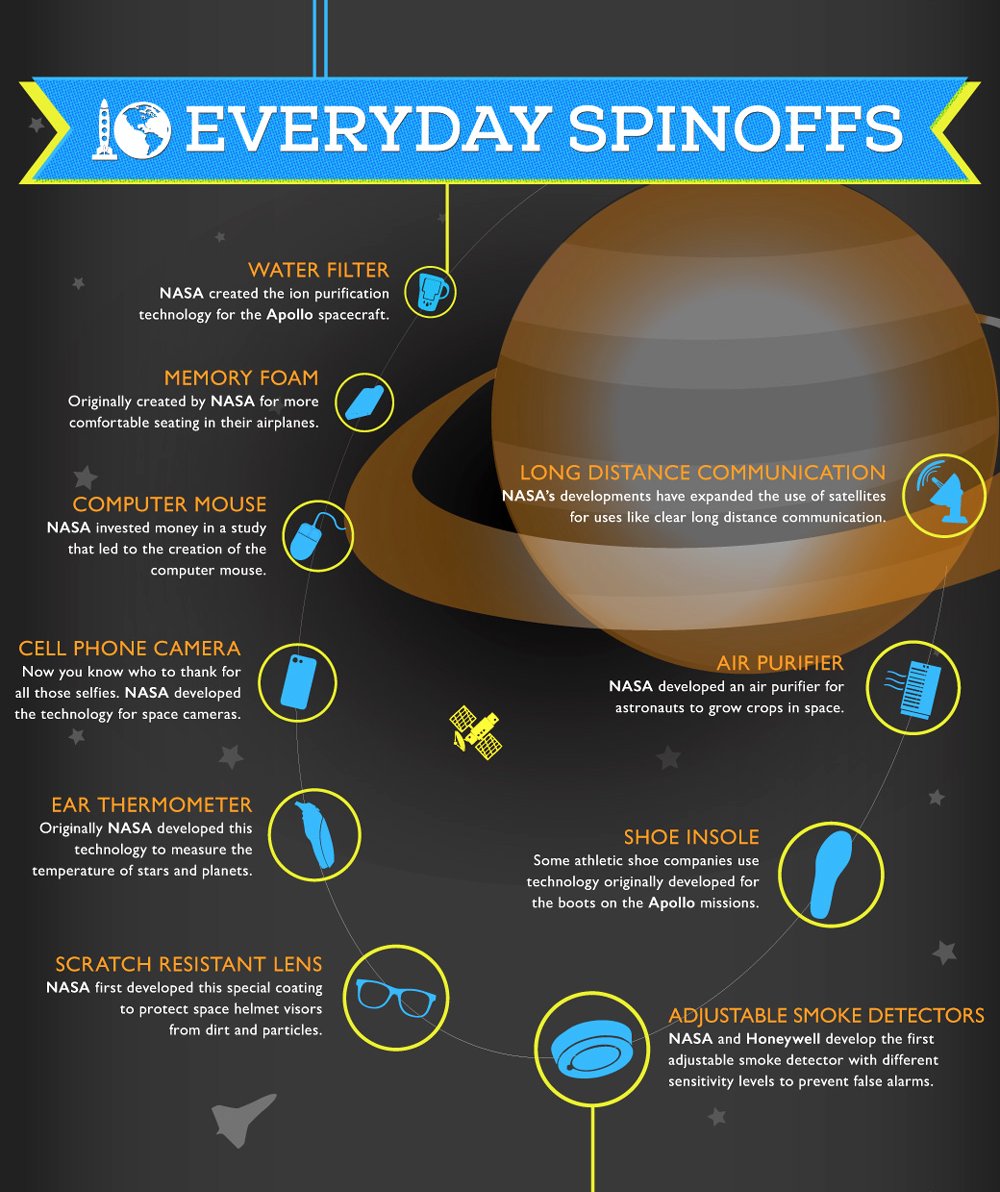
Space Tech in Your Daily Life
Weather forecasting from satellite data GPS navigation in cars and phones Satellite internet and TV Medical imaging from space telescope technology Memory foam from NASA research
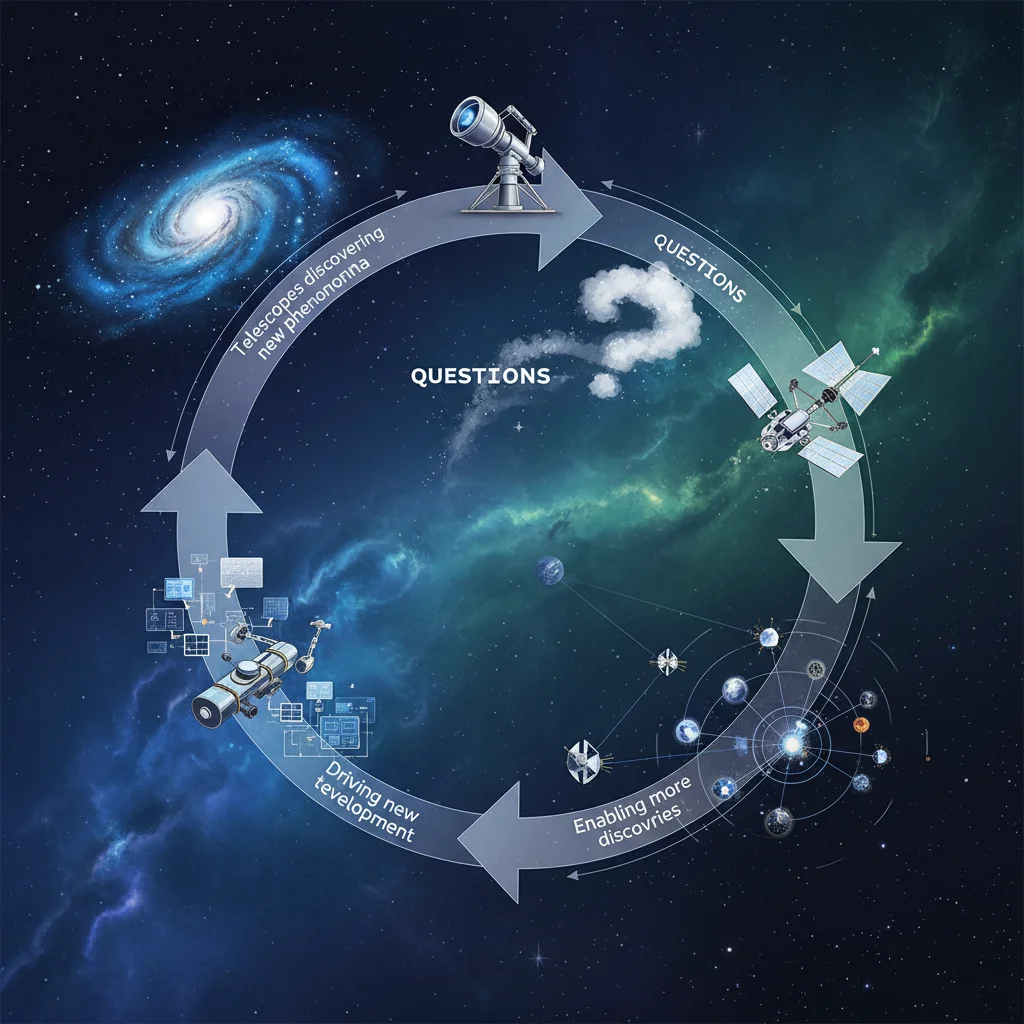
The Cycle Continues
"Every new discovery about space leads to new questions, and new questions drive the development of better technologies to find answers."