Subordinating Conjunctions and Comma Rules
Grade 5 English Building Complex Sentences

What Are Subordinating Conjunctions?
Words that connect two parts of a sentence They create dependent clauses Common examples: because, although, when, while, if, since

Independent vs. Dependent Clauses
{"left":"Independent Clause: Can stand alone as a complete sentence\nExample: 'She ate lunch.'","right":"Dependent Clause: Cannot stand alone\nExample: 'Because she was hungry'"}
Comma Rule Practice
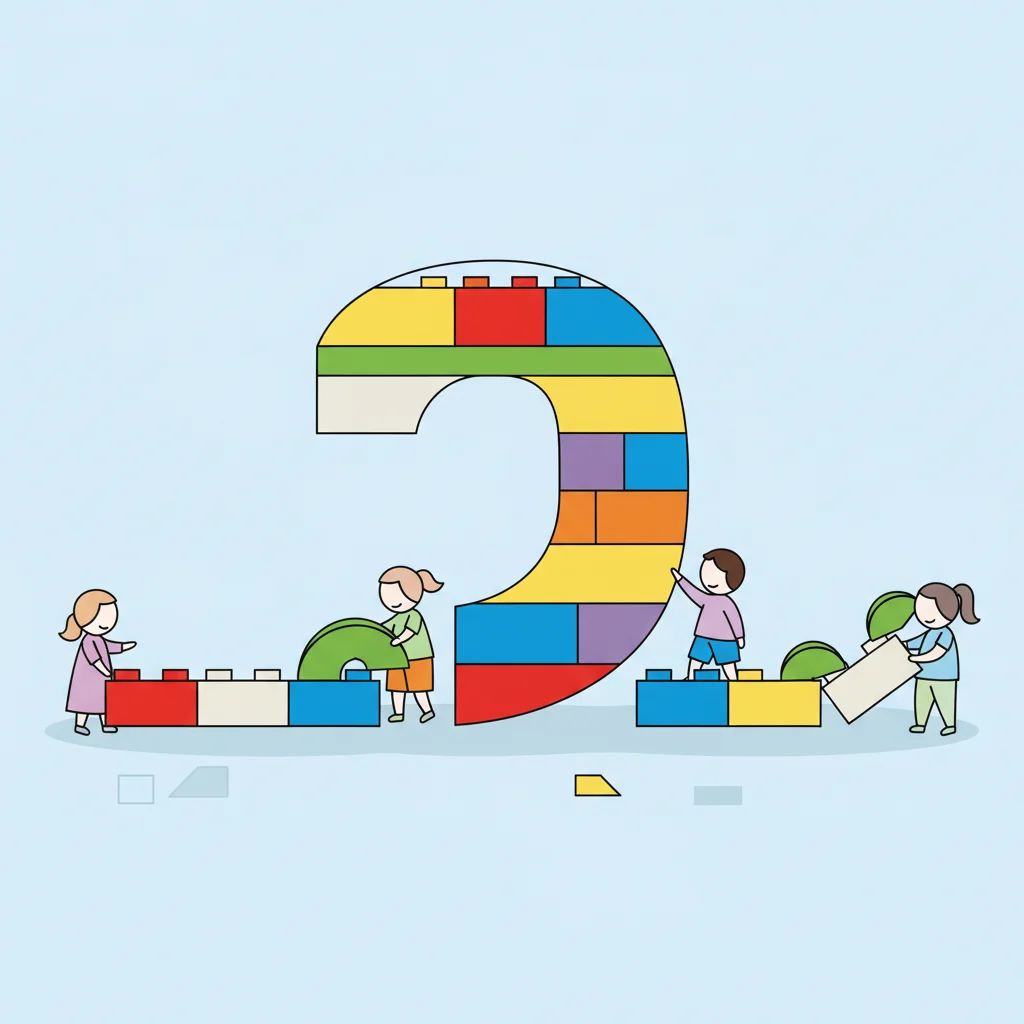
When dependent clause comes FIRST: Use a comma Example: 'Because he was hungry, he ate the apple.' When dependent clause comes SECOND: No comma needed Example: 'He ate the apple because he was hungry.'

Let's Practice Together!
Which sentence needs a comma? A) When it rains I stay inside B) I stay inside when it rains What do you think and why?
Remember the Rules!
Subordinating conjunctions create complex sentences Comma AFTER dependent clause when it comes first NO comma when dependent clause comes second Practice makes perfect!
More English slide decks
Other ready-to-teach english decks for US classrooms.


