
Torque in AP Physics
Understanding Rotational Forces Grade 12 Physics AP Algebra-Based Course
What is Torque?
The rotational equivalent of force Causes objects to rotate around an axis Measured in Newton-meters (N⋅m) Also called moment of force

The Torque Equation
τ = r × F sin(θ) τ = torque (N⋅m) r = distance from axis (m) F = applied force (N) θ = angle between r and F

Key Components of Torque
{"left":"Lever Arm (r): Perpendicular distance from axis to line of action\nApplied Force (F): The force causing rotation","right":"Angle (θ): Determines the effective component of force\nAxis of Rotation: The fixed point around which rotation occurs"}
Torque Calculation Practice
A 50 N force is applied to a wrench Distance from bolt center: 0.3 m Force applied perpendicular to handle Calculate the torque produced
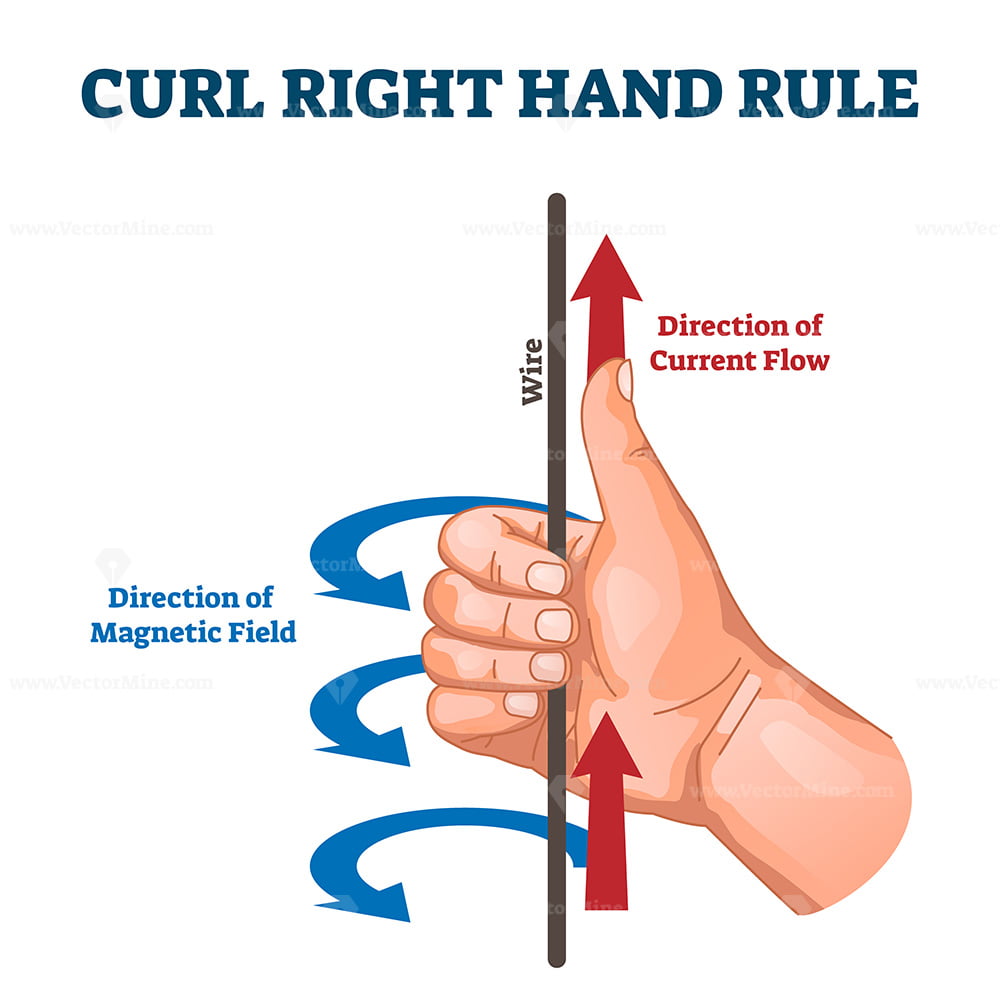
Direction of Torque
Clockwise rotation: negative torque Counterclockwise rotation: positive torque Right-hand rule determines direction Vector quantity with magnitude and direction

Real-World Applications of Torque
Critical Thinking Question
Why is it easier to open a door by pushing near the handle rather than near the hinges? Consider the torque equation in your answer

Torque and Equilibrium
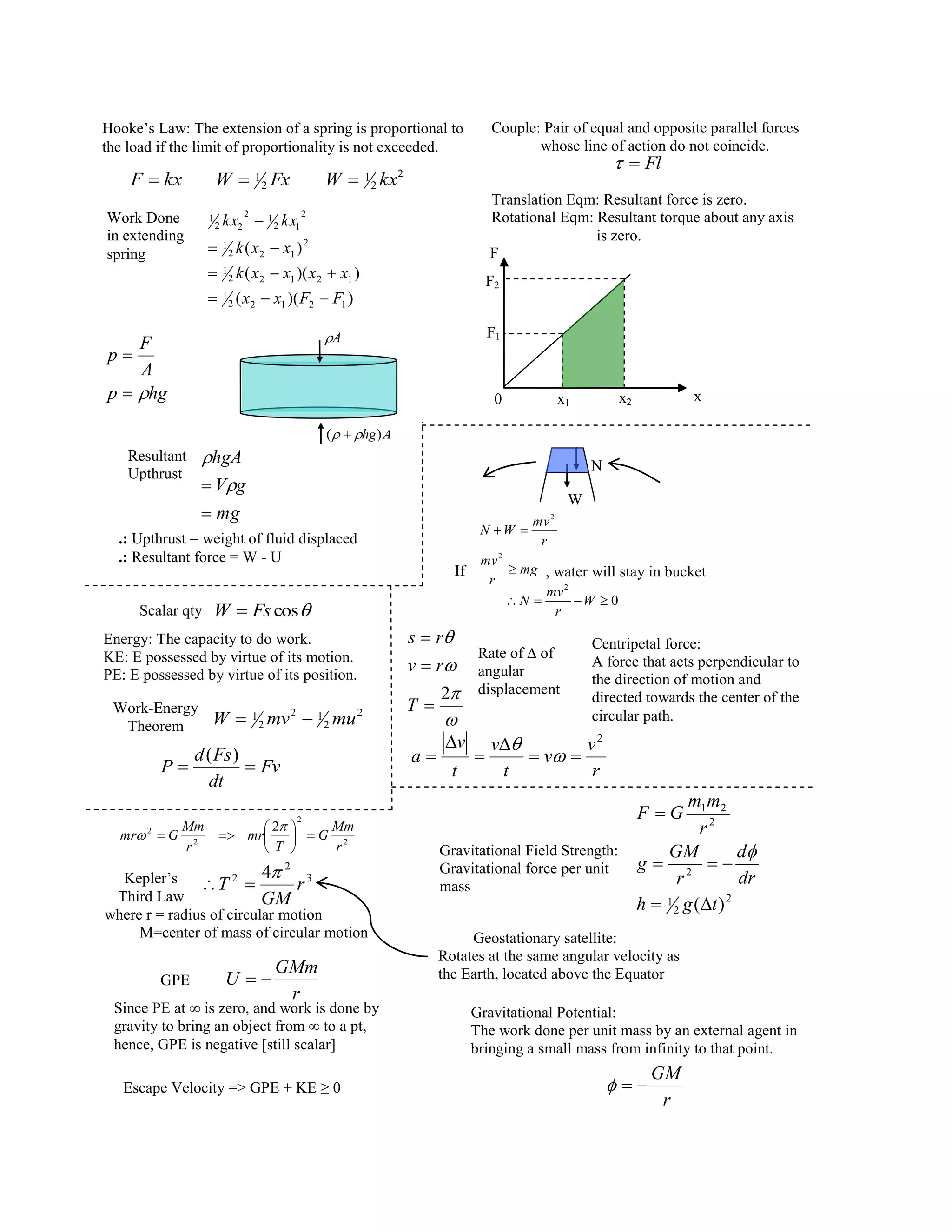
For rotational equilibrium: Στ = 0 Sum of clockwise torques = Sum of counterclockwise torques Object has no angular acceleration Static equilibrium requires both force and torque balance
Key Takeaways
Torque = r × F × sin(θ) Torque causes rotational motion Direction matters: clockwise vs counterclockwise Equilibrium requires balanced torques Applications in engineering and daily life