Transformations and Similarity in Action
Grade 7 Mathematics Exploring geometric transformations through real-world applications 35-minute interactive lesson
Real-World Connection
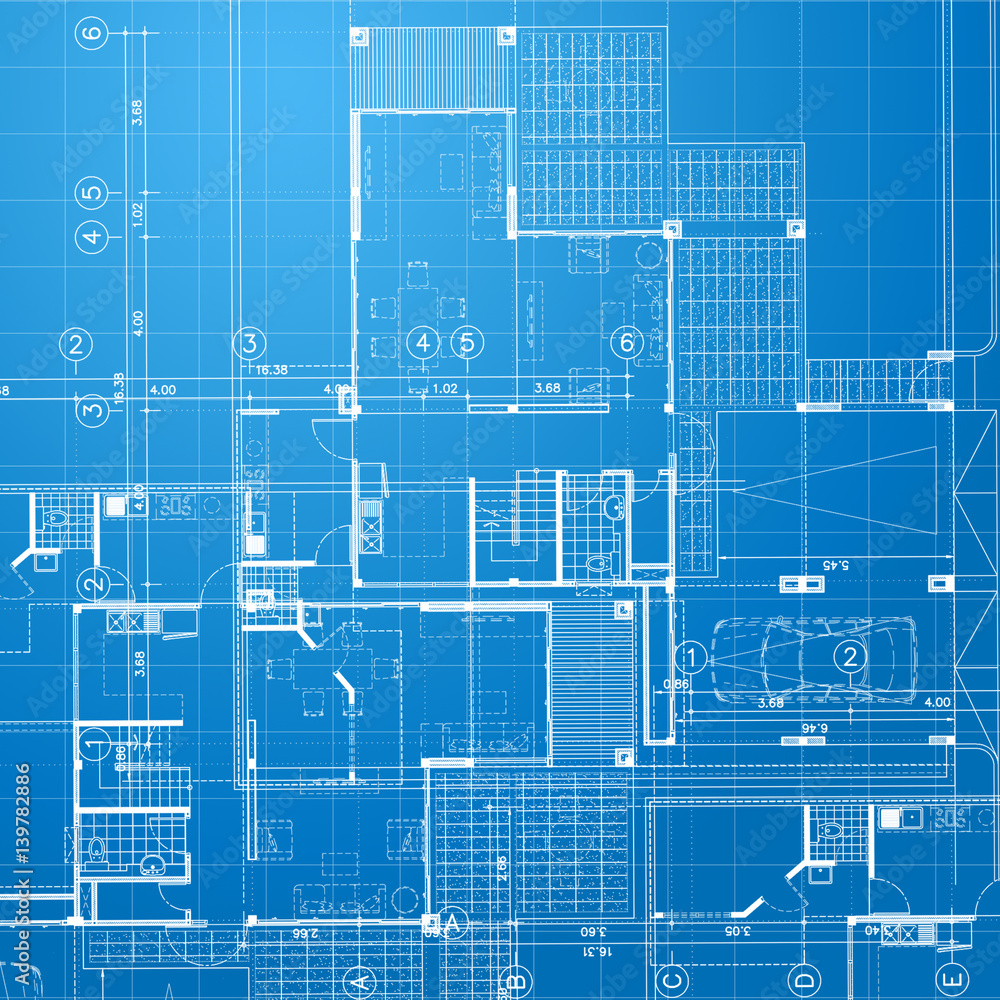
How do architects and designers use scale drawings and transformations to build real things? Think about blueprints, maps, and building plans you've seen
Understanding Similarity and Scale Factor
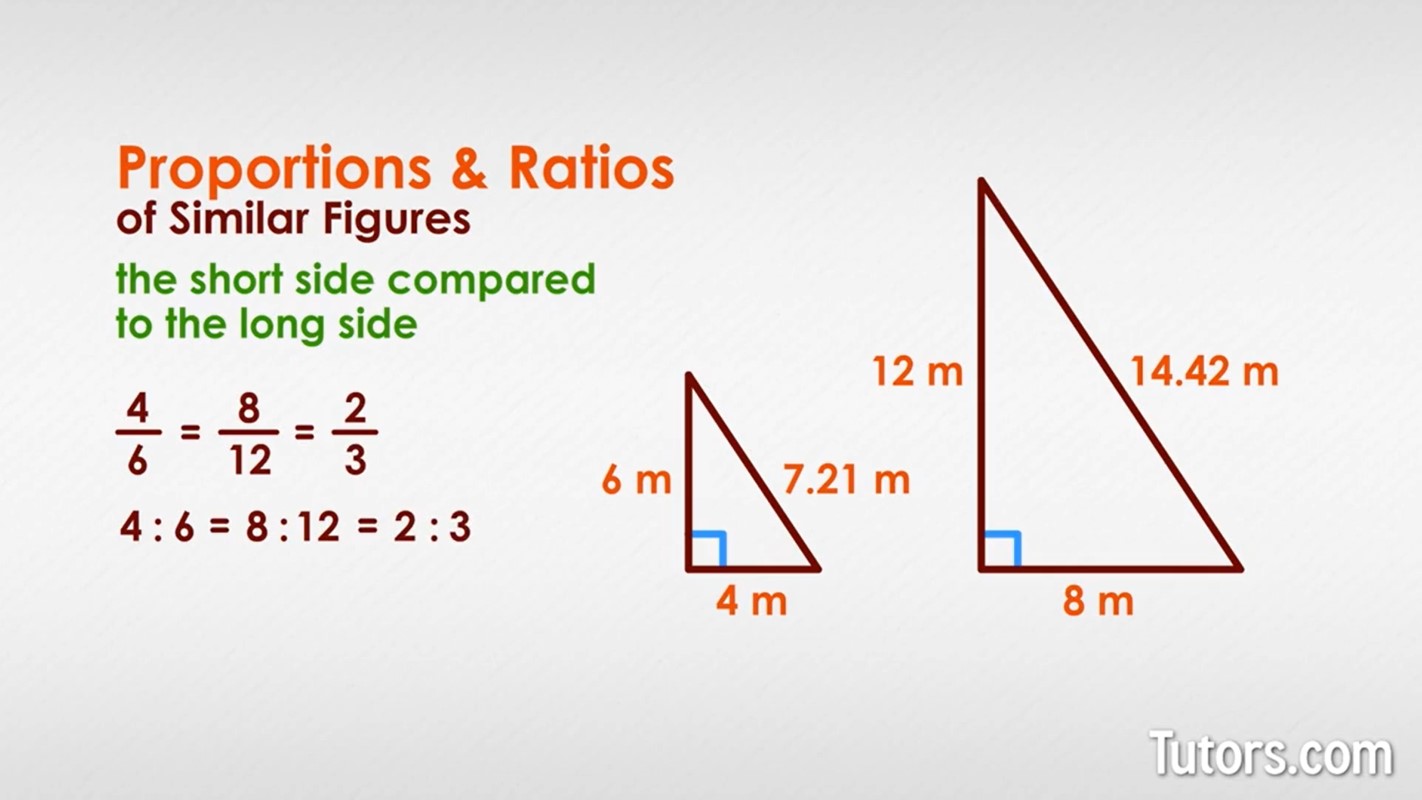
Similar figures have the same shape but different sizes Scale factor tells us how much larger or smaller one figure is compared to another If scale factor = 2, all sides are twice as long Area changes by the square of the scale factor

Hands-On Similarity Practice
Work in pairs with coordinate plane handouts Identify the scale factor between given triangles Calculate missing side lengths using proportional reasoning Verify your answers by measuring

Transformation Rules on the Coordinate Plane
{"left":"Translation: Add or subtract from coordinates (x+a, y+b)\nReflection over x-axis: (x, -y)\nReflection over y-axis: (-x, y)\nRotation 90° counterclockwise: (-y, x)","right":"Rotation 180°: (-x, -y)\nRotation 270° counterclockwise: (y, -x)\nDilation with scale factor k: (kx, ky)"}

Digital Transformation Lab
Use GeoGebra or graph paper to apply transformations Start with a simple triangle at coordinates (1,1), (3,1), (2,3) Apply each transformation type and record new coordinates Observe which properties are preserved and which change
Key Takeaways and Assessment
Similarity preserves shape but changes size by the scale factor Translations, reflections, and rotations preserve both size and shape Dilations change size but preserve shape Algebraic rules help us predict transformation results These concepts are essential in architecture, design, and engineering
1 more slide available after you open the deck.
Download all 8 slides