Understanding and Managing Anxiety Together
Grade 7 Health Education Learning to recognize, understand, and cope with anxiety
What Is Anxiety?
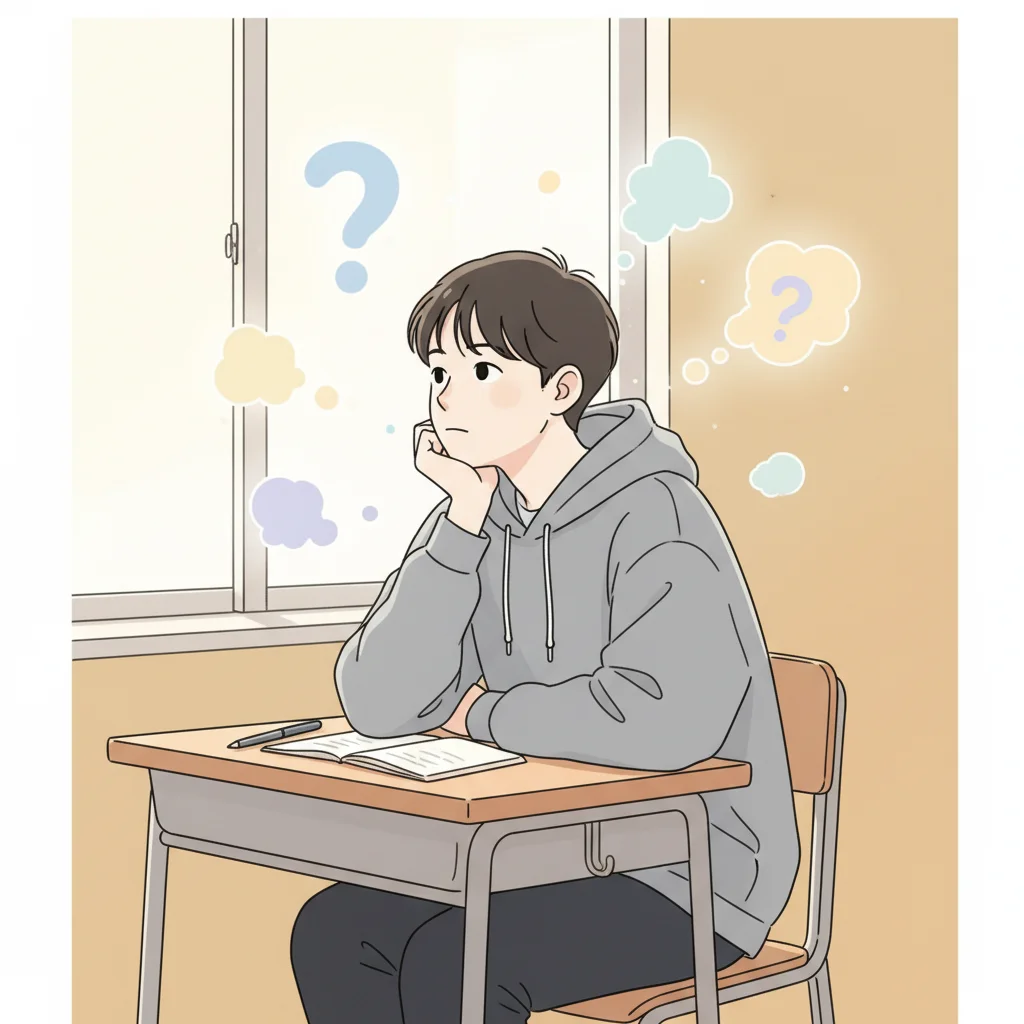
Think about a time when you felt worried or nervous What did it feel like in your body? What thoughts went through your mind?
Understanding Anxiety: The Basics
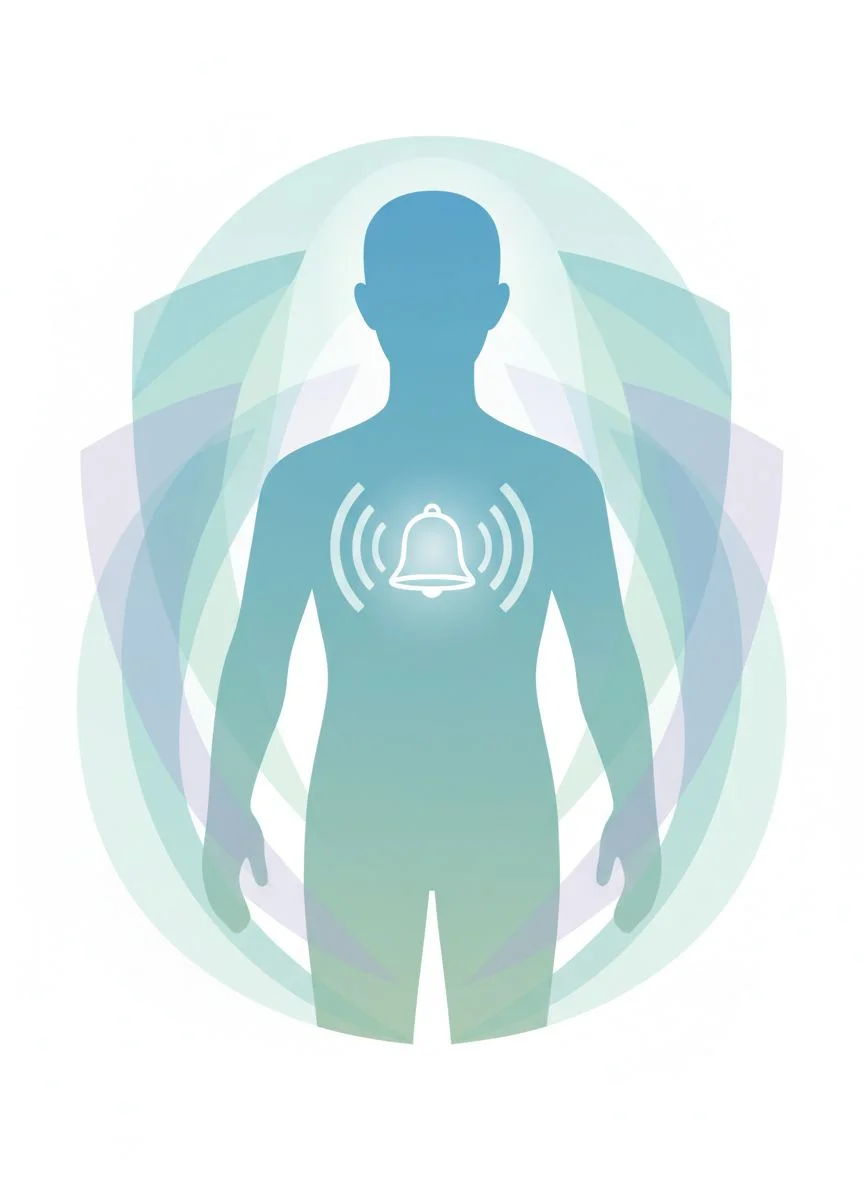
Anxiety is our body's natural alarm system It helps protect us from danger Sometimes the alarm goes off when we're actually safe Everyone experiences anxiety differently It's treatable and manageable
Signs and Symptoms of Anxiety
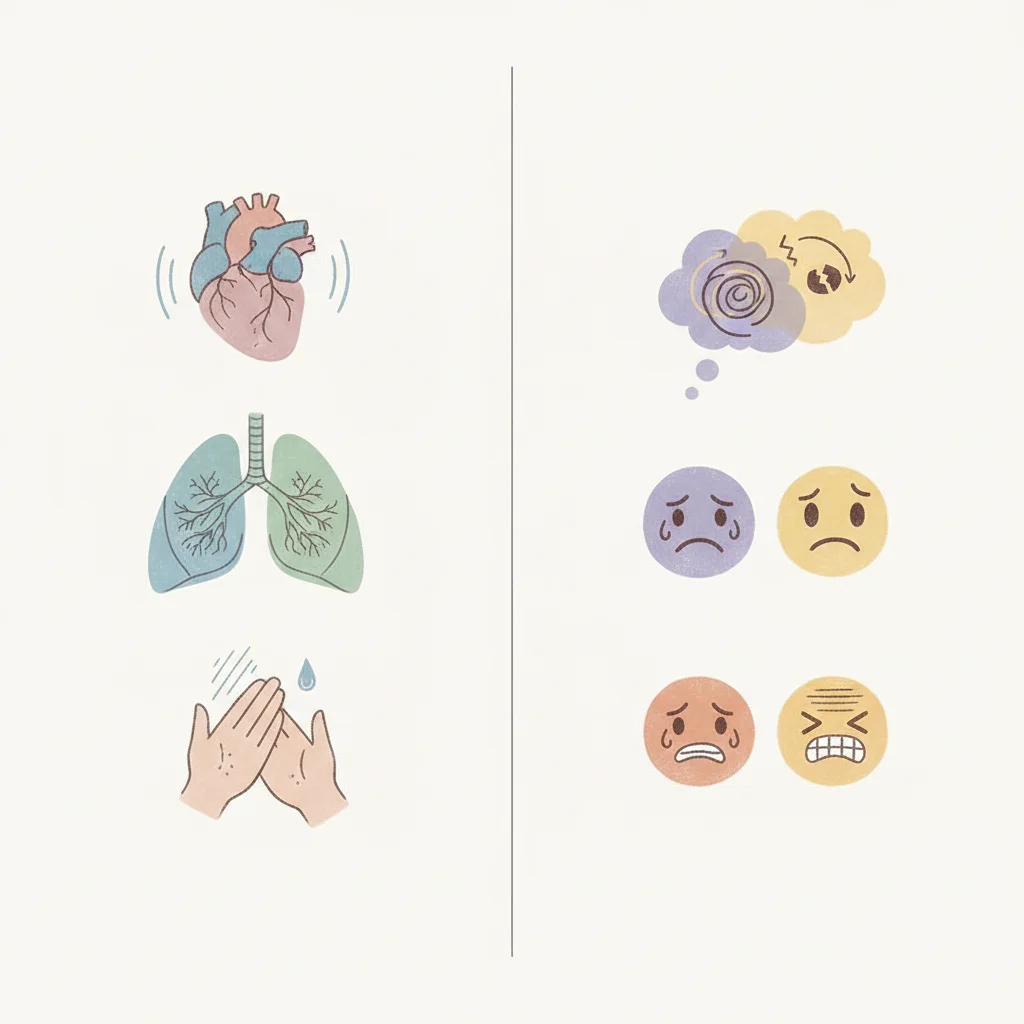
{"left":"Racing heart or fast breathing\nSweaty palms or shaking\nFeeling dizzy or nauseous\nMuscle tension or headaches","right":"Worrying thoughts that won't stop\nFeeling like something bad will happen\nDifficulty concentrating\nAvoiding certain situations"}

What Happens in Your Body During Anxiety?
Your brain sends a 'danger' signal Stress hormones like adrenaline are released Your heart beats faster to pump more blood Breathing becomes quicker to get more oxygen Muscles tense up to prepare for action This is called the 'fight-or-flight' response
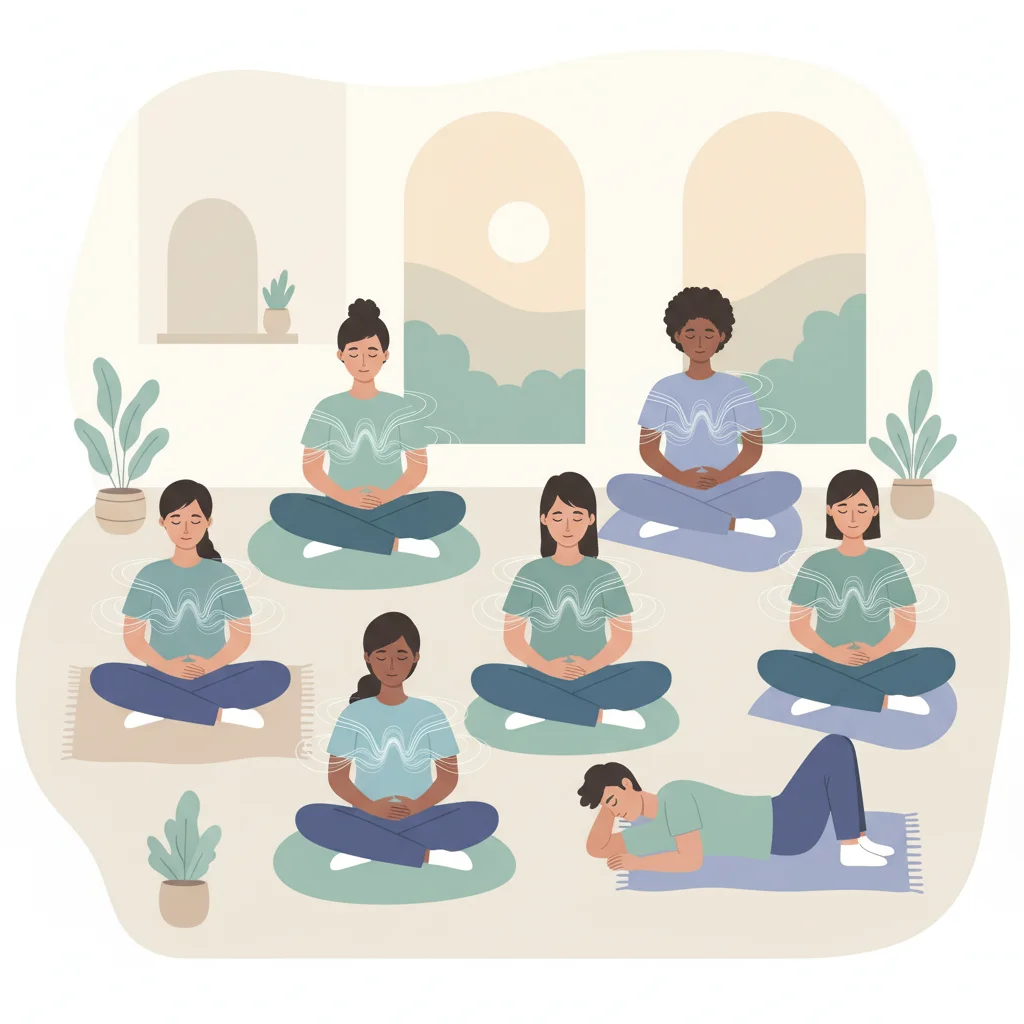
Anxiety Management Technique: Deep Breathing
Let's practice together! Sit comfortably with feet on the floor Place one hand on your chest, one on your stomach Breathe in slowly through your nose for 4 counts Hold for 2 counts Breathe out through your mouth for 6 counts Repeat 5 times

Role-Play: Supporting a Friend with Anxiety
Partner up with someone near you Scenario: Your friend is nervous about giving a presentation Person A: Express your anxiety about the presentation Person B: Use supportive listening and encouragement Practice for 3 minutes, then switch roles Remember: Listen without trying to 'fix' everything

Building Your Anxiety Toolkit
Deep breathing (we just practiced!) Progressive muscle relaxation Positive self-talk and affirmations Regular exercise and physical activity Talking to trusted adults or friends Mindfulness and grounding techniques Getting enough sleep and eating well Professional help when needed