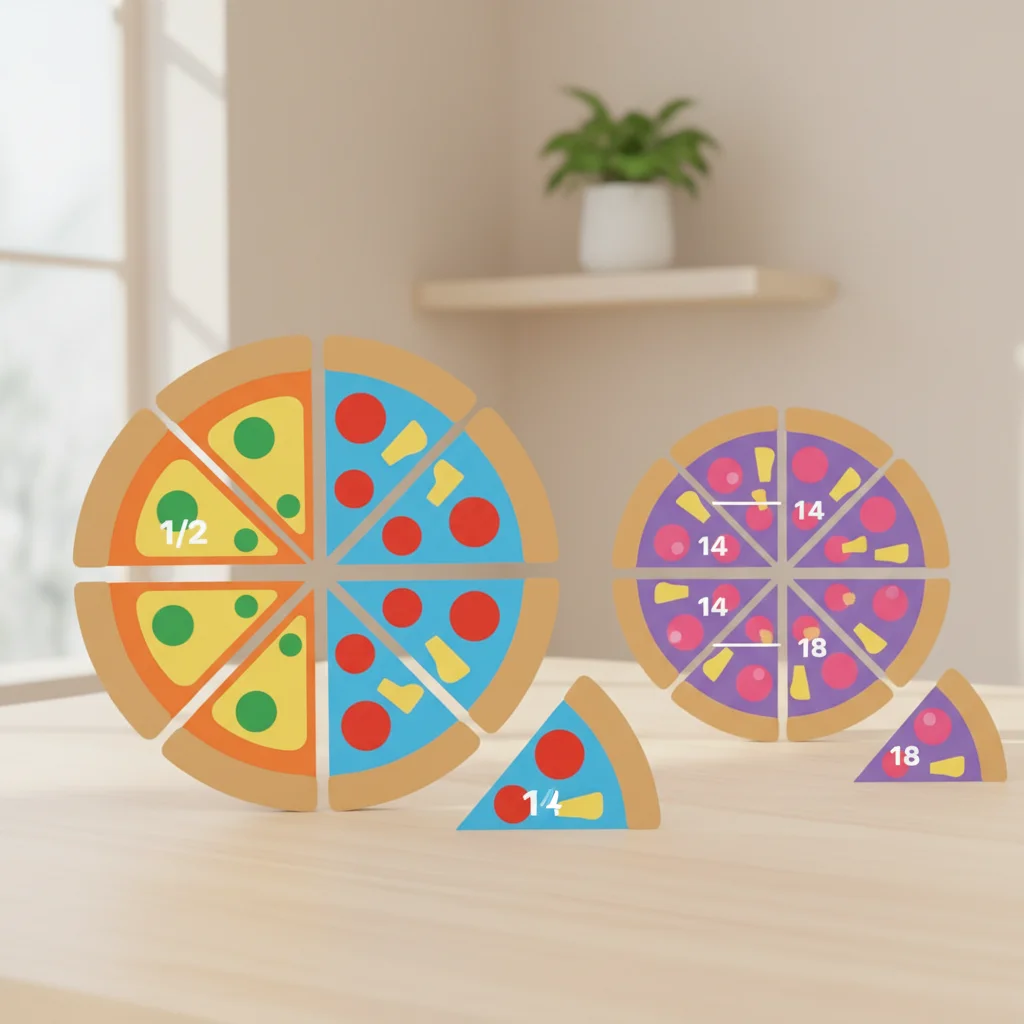
Understanding Fractions Made Simple
Grade 3 Mathematics Learning fractions step by step
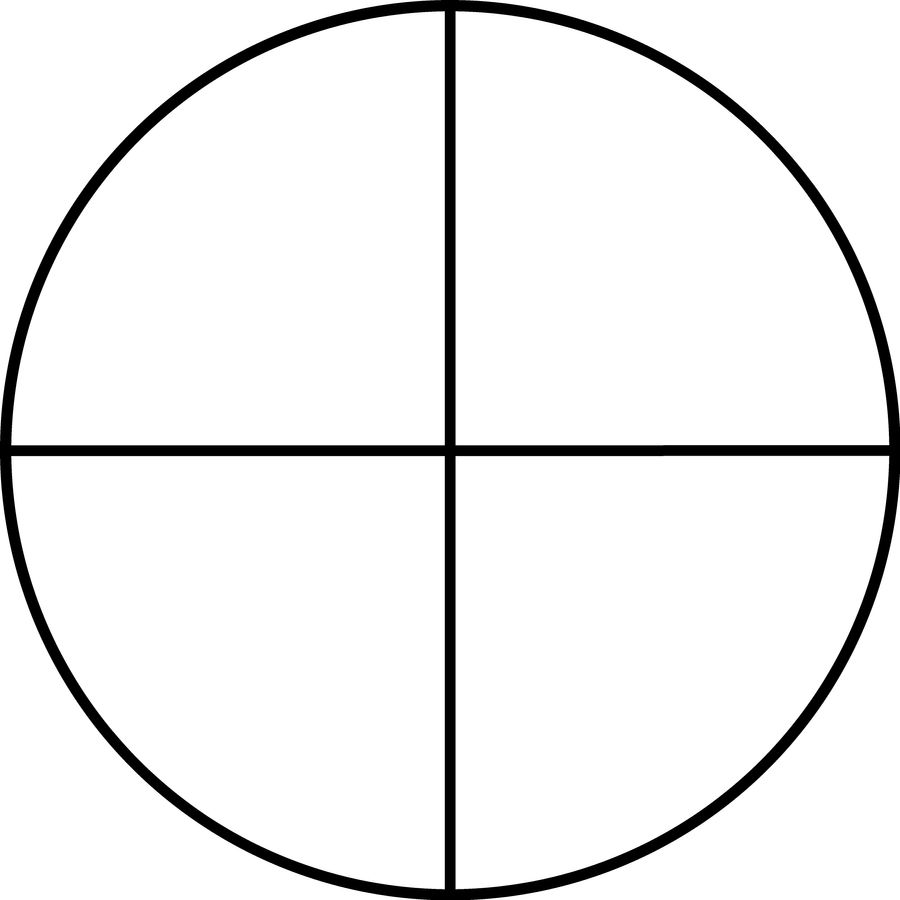
What is a Fraction?
A fraction has TWO parts Top number = Numerator (how many parts we have) Bottom number = Denominator (how many equal parts total) Example: In 3/4, we have 3 parts out of 4 total parts
I Can Statements & Success Criteria
I can identify the parts of a fraction I can find equivalent fractions I can compare fractions using the butterfly method I can add and subtract fractions with same denominators I can convert improper fractions to mixed numbers

Equivalent Fractions
Equivalent fractions look different but are equal 1/2 = 2/4 = 4/8 They represent the same amount Use fraction bars to see they're the same size
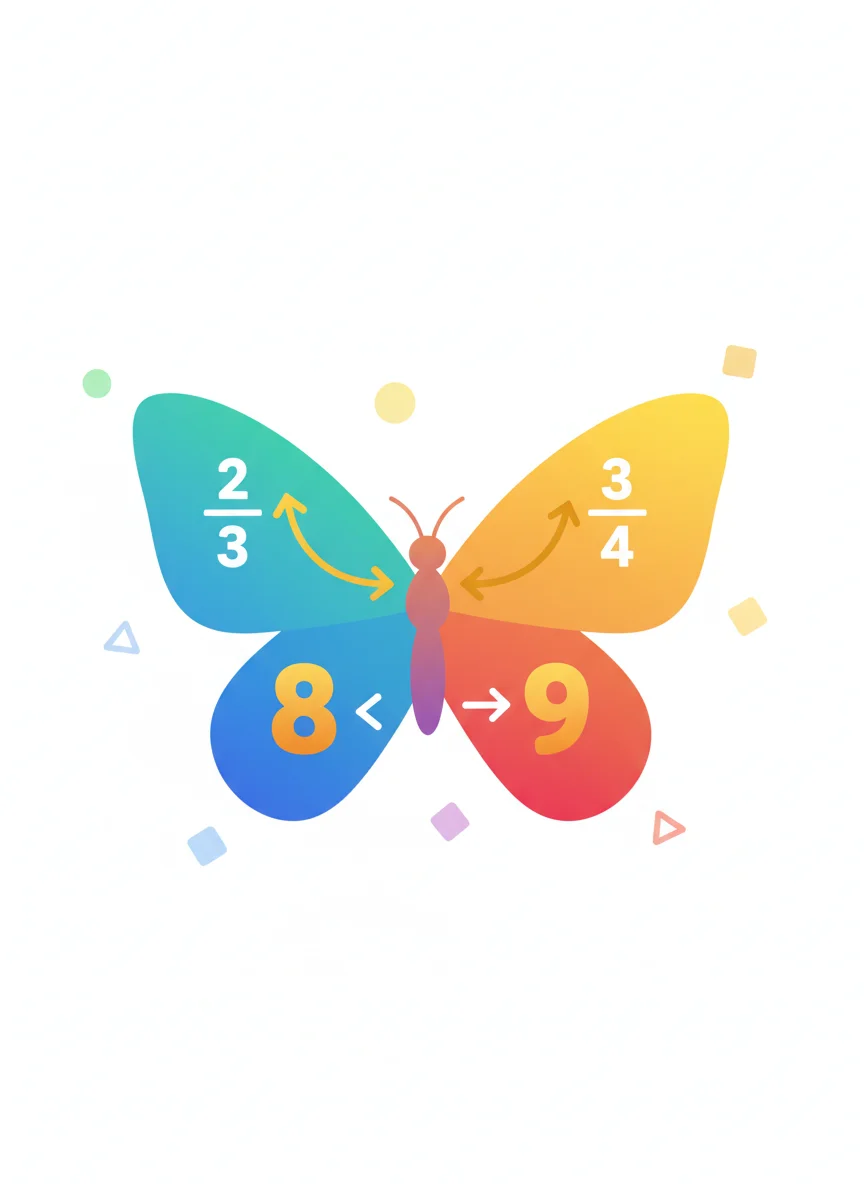
The Butterfly Method
Compare fractions by cross-multiplying Step 1: Multiply top of first × bottom of second Step 2: Multiply top of second × bottom of first Step 3: Compare the answers to see which is bigger
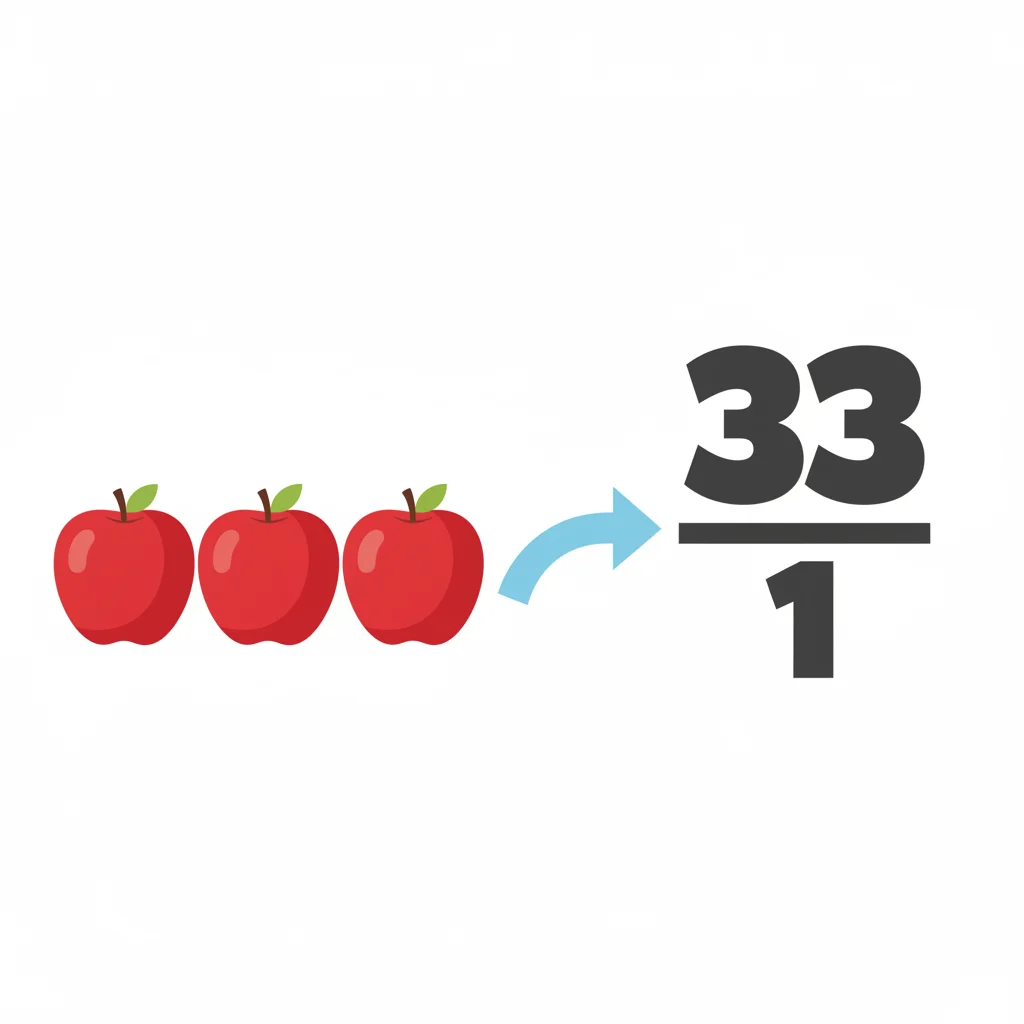
Whole Numbers as Fractions
{"left":"Any whole number can be written as a fraction\nPut the whole number on top\nPut 1 on the bottom","right":"3 = 3/1\n5 = 5/1\nThink: 3 wholes = 3 parts out of 1 whole"}
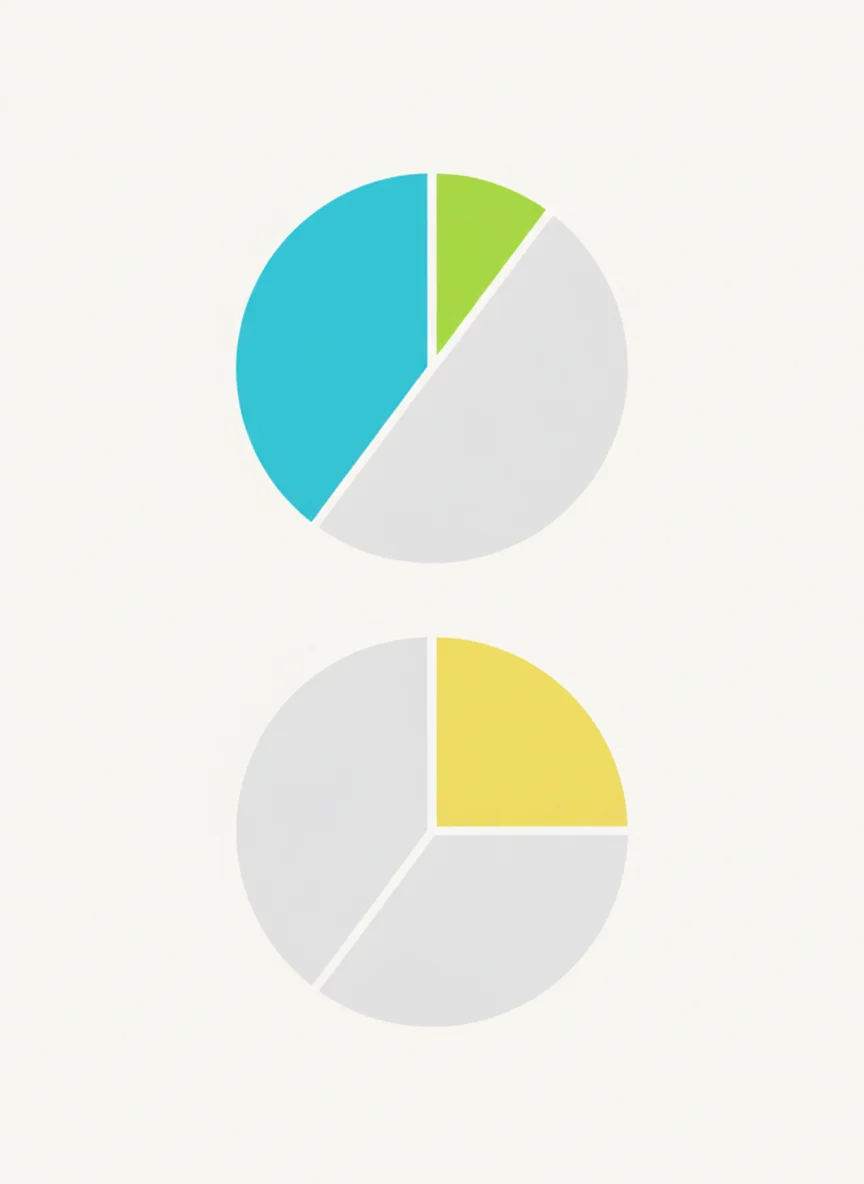
Adding & Subtracting Fractions
Only add or subtract fractions with SAME denominators Keep the denominator the same Add or subtract the numerators Example: 2/5 + 1/5 = 3/5 Example: 4/7 - 2/7 = 2/7

Improper Fractions & Mixed Numbers
Improper fraction: numerator is bigger than denominator Example: 7/4 (we have 7 parts, but only need 4 to make 1 whole) Convert to mixed number: 7 ÷ 4 = 1 remainder 3 So 7/4 = 1 3/4 (1 whole and 3/4 left over)
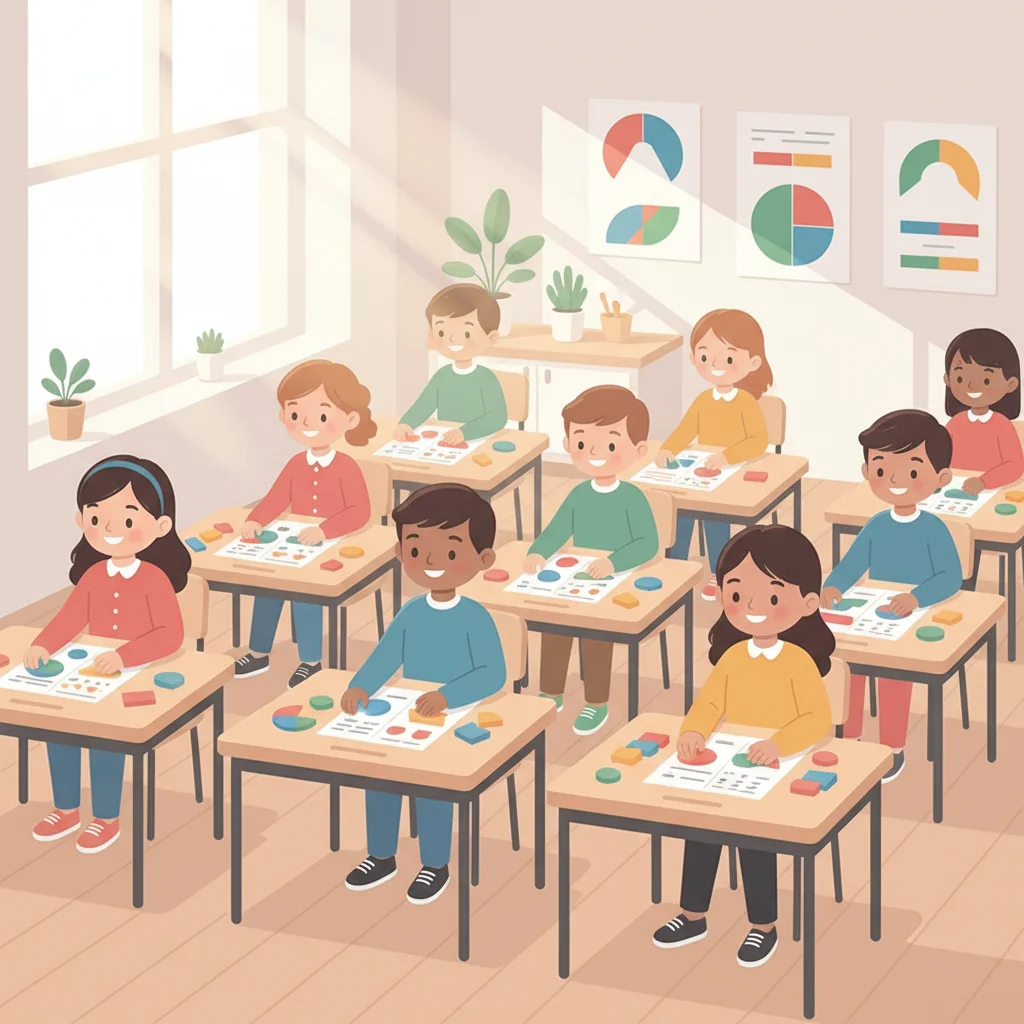
Independent Practice Time
Work on your fraction worksheet Try each type of problem we learned Raise your hand if you need help Use your fraction bars and circles Check your work with a partner when done
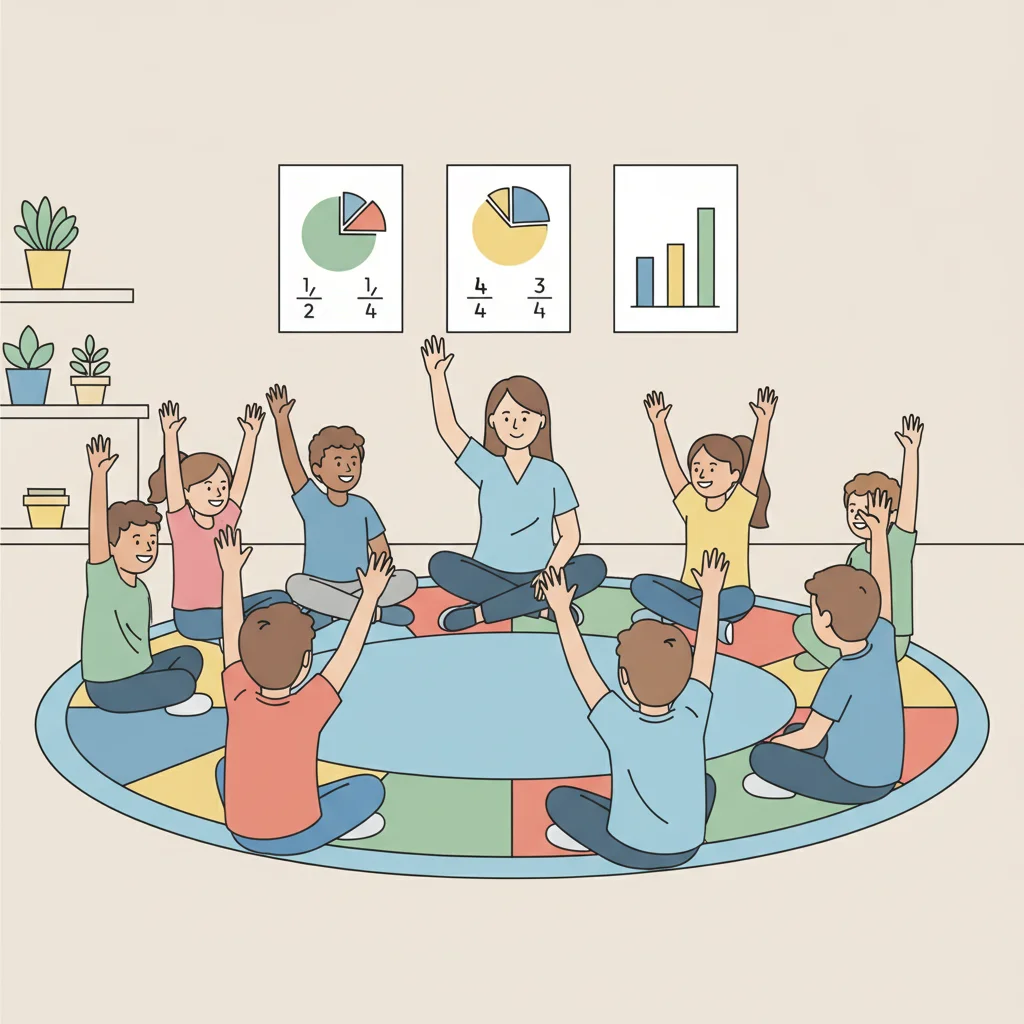
Let's Reflect on Our Learning
What is your favorite way to think about fractions? Which method helped you compare fractions? How do you feel about solving fraction problems now? What questions do you still have?