US Political Parties: Power and Purpose
Understanding the Role of Political Parties in American Democracy Grade 9 Social Studies
What Are Political Parties?
Groups of people with similar political beliefs and goals Organize to win elections and influence government policy Provide structure for democratic participation Help voters understand candidate positions on issues
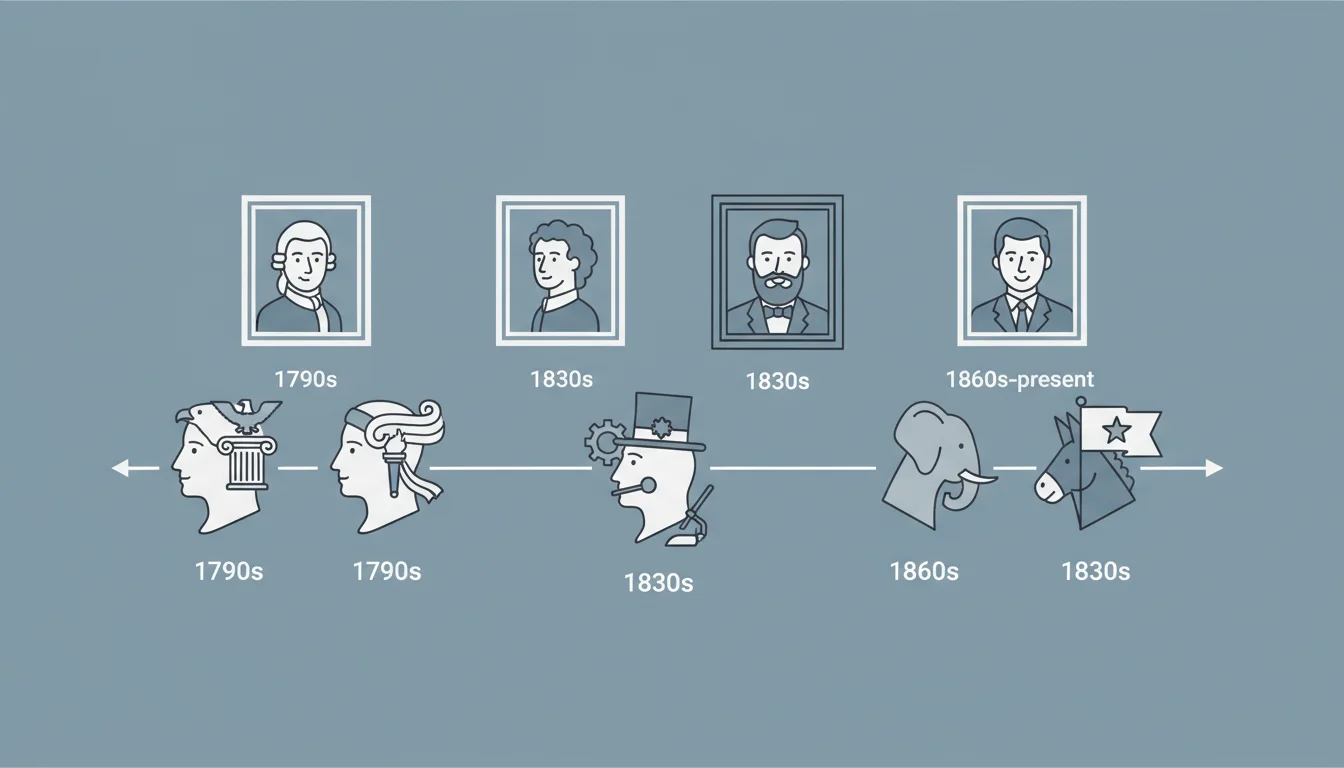
Evolution of American Political Parties
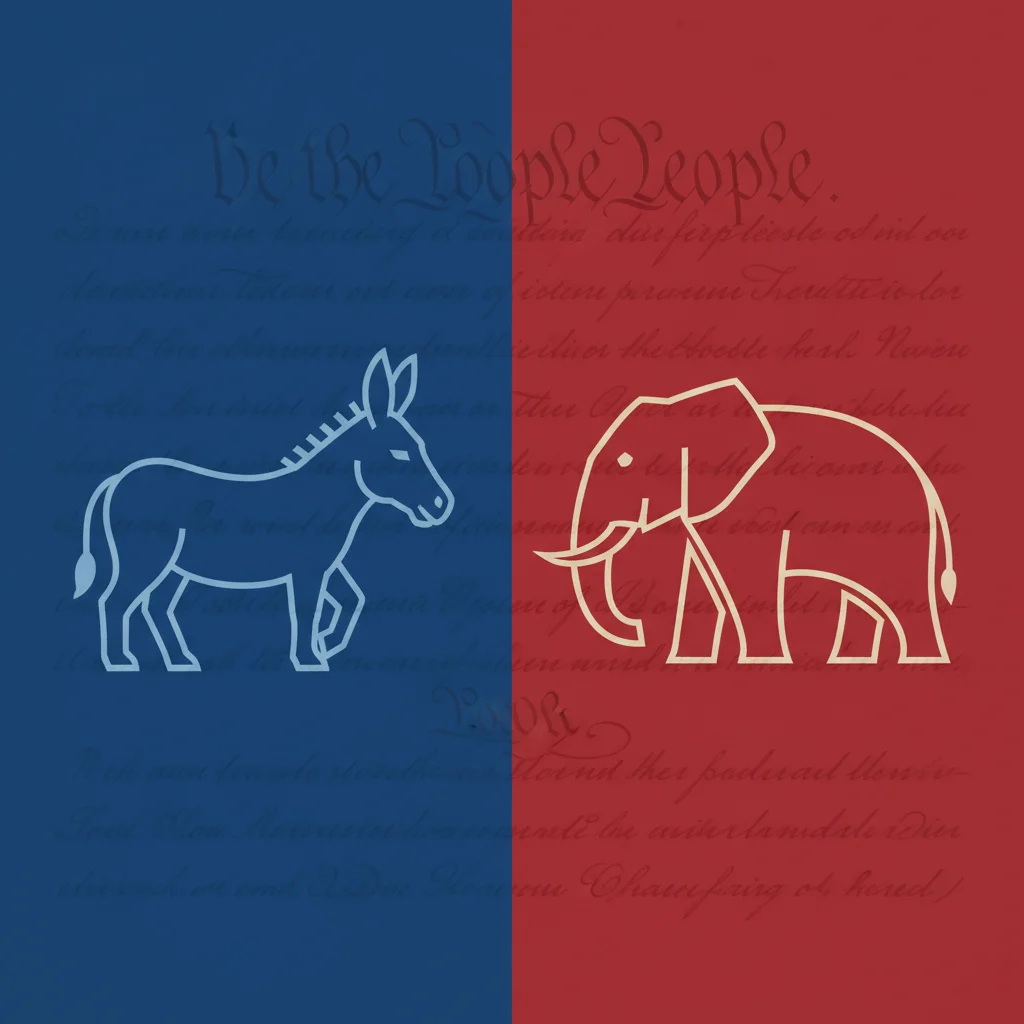
Democrats vs Republicans: Core Differences
{"left":"Generally favor larger government role in economy\nSupport social programs and safety nets\nEmphasize environmental protection\nTend to support higher taxes on wealthy","right":"Generally favor smaller government role in economy\nEmphasize free market solutions\nFocus on traditional values\nTend to support lower taxes overall"}
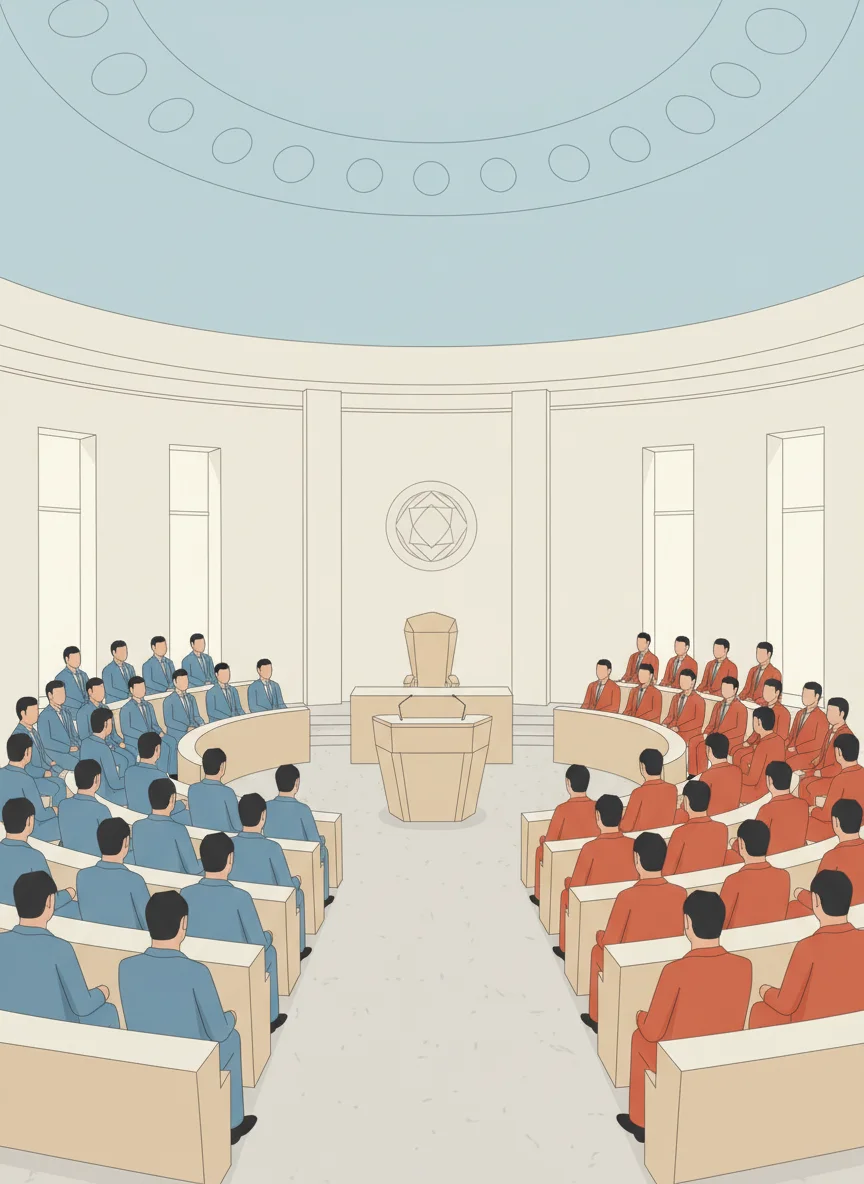
How Political Parties Influence Government
Nominate candidates for elections Develop party platforms and policy agendas Organize Congress and state legislatures Mobilize voters and raise campaign funds Provide opposition and checks on power
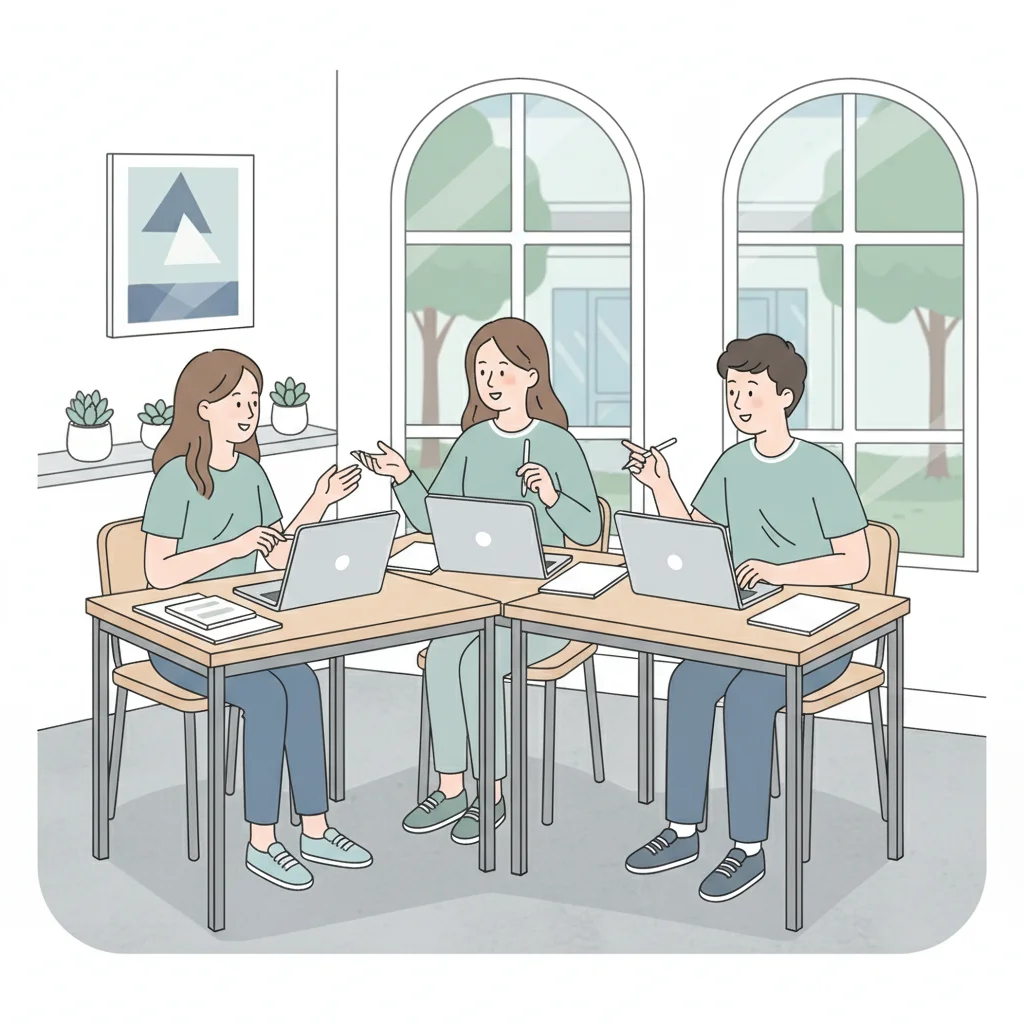
Party Platform Analysis
Work in pairs to compare recent party platforms Choose one issue (healthcare, education, or environment) Identify key differences in party approaches Present findings to class in 2 minutes
Critical Thinking: Third Parties
Why do third parties struggle to win major elections in the US? What role do they play in American politics? Can you name any current third parties?
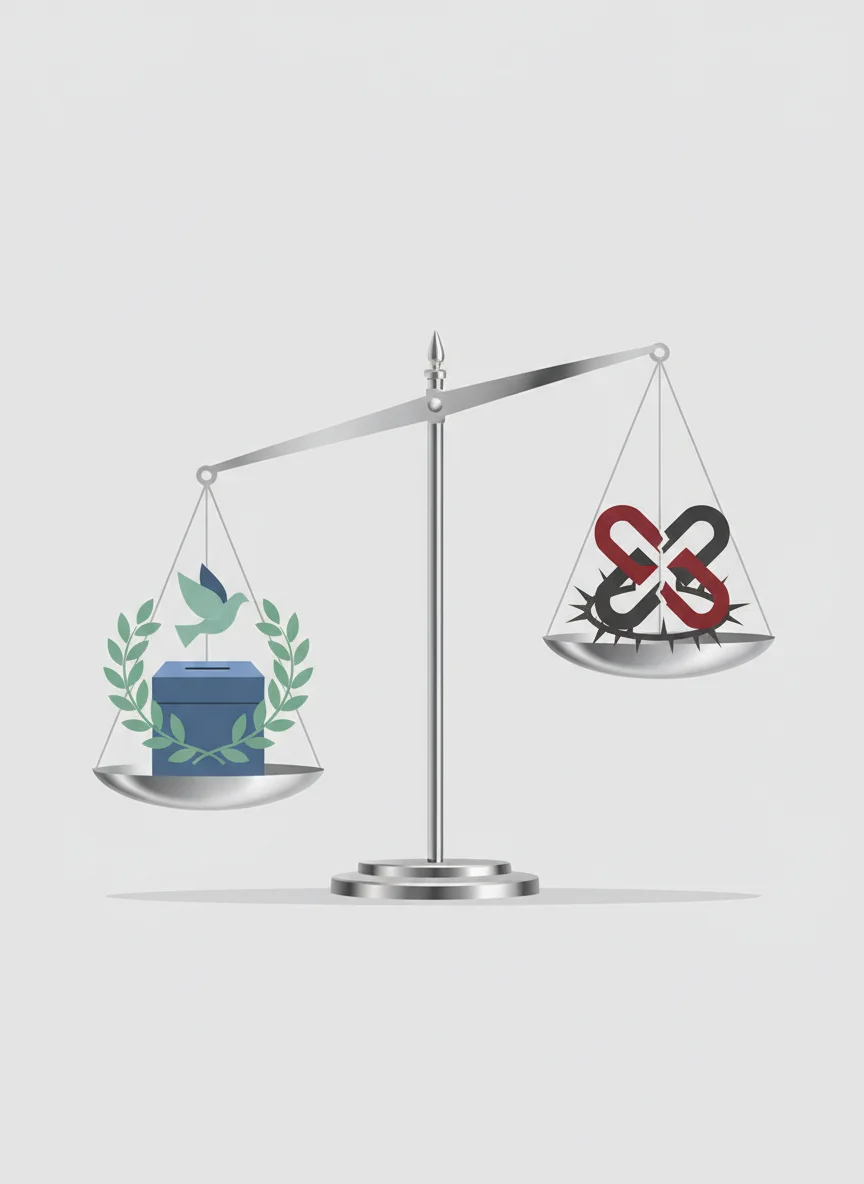
Political Parties: Benefits and Challenges
Benefits: Organize democracy, simplify choices, enable governance Challenges: Can increase polarization and partisanship May limit representation of diverse viewpoints Important for citizens to think independently Democracy requires active, informed participation