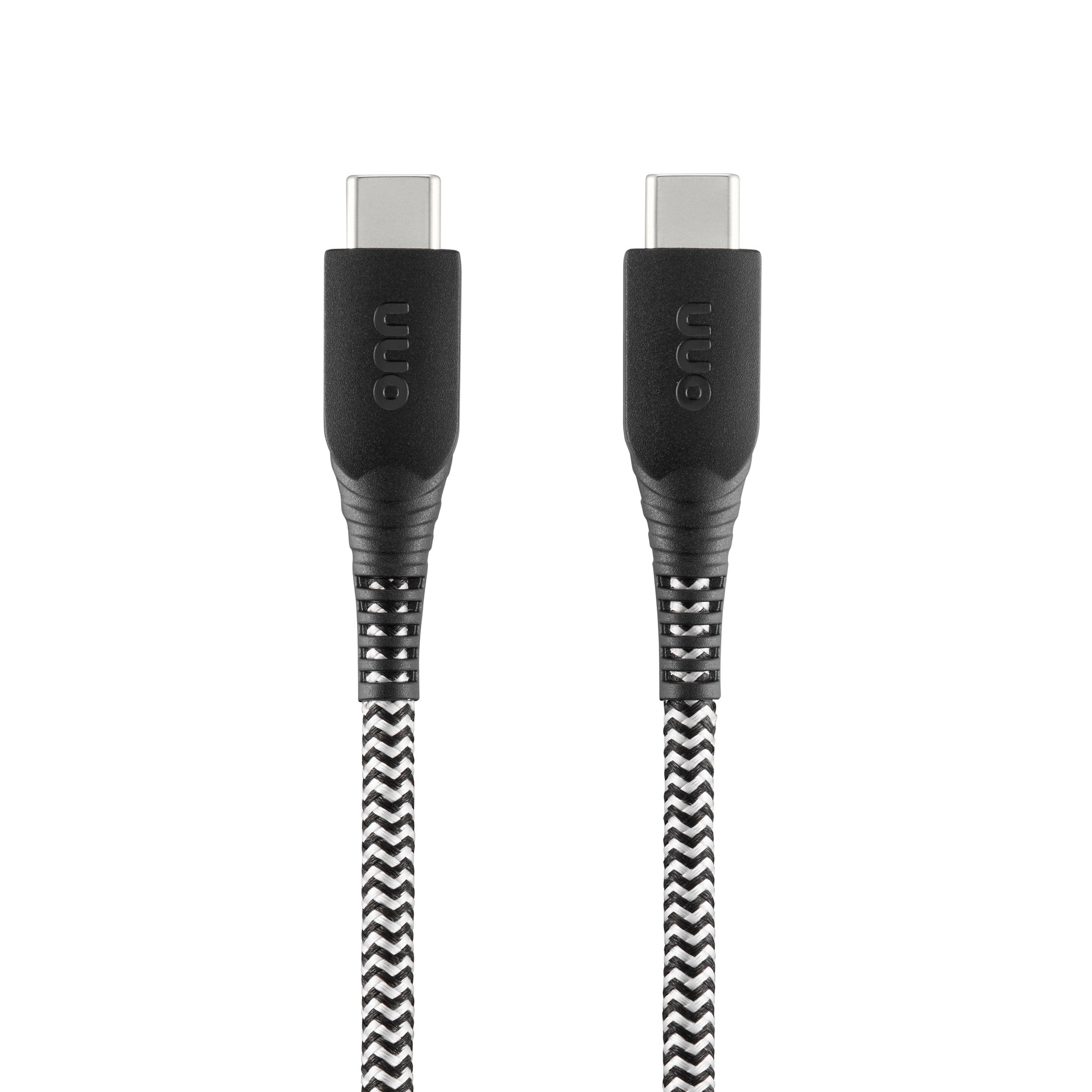
USB-C Cables: Types and Applications
Understanding the Universal Standard Types, Features, and Real-World Uses

What is USB-C?
Universal Serial Bus Type-C connector Introduced in 2014 by USB Implementers Forum Reversible 24-pin connector design Single standard for multiple device types Replaces older USB-A, USB-B, and proprietary connectors
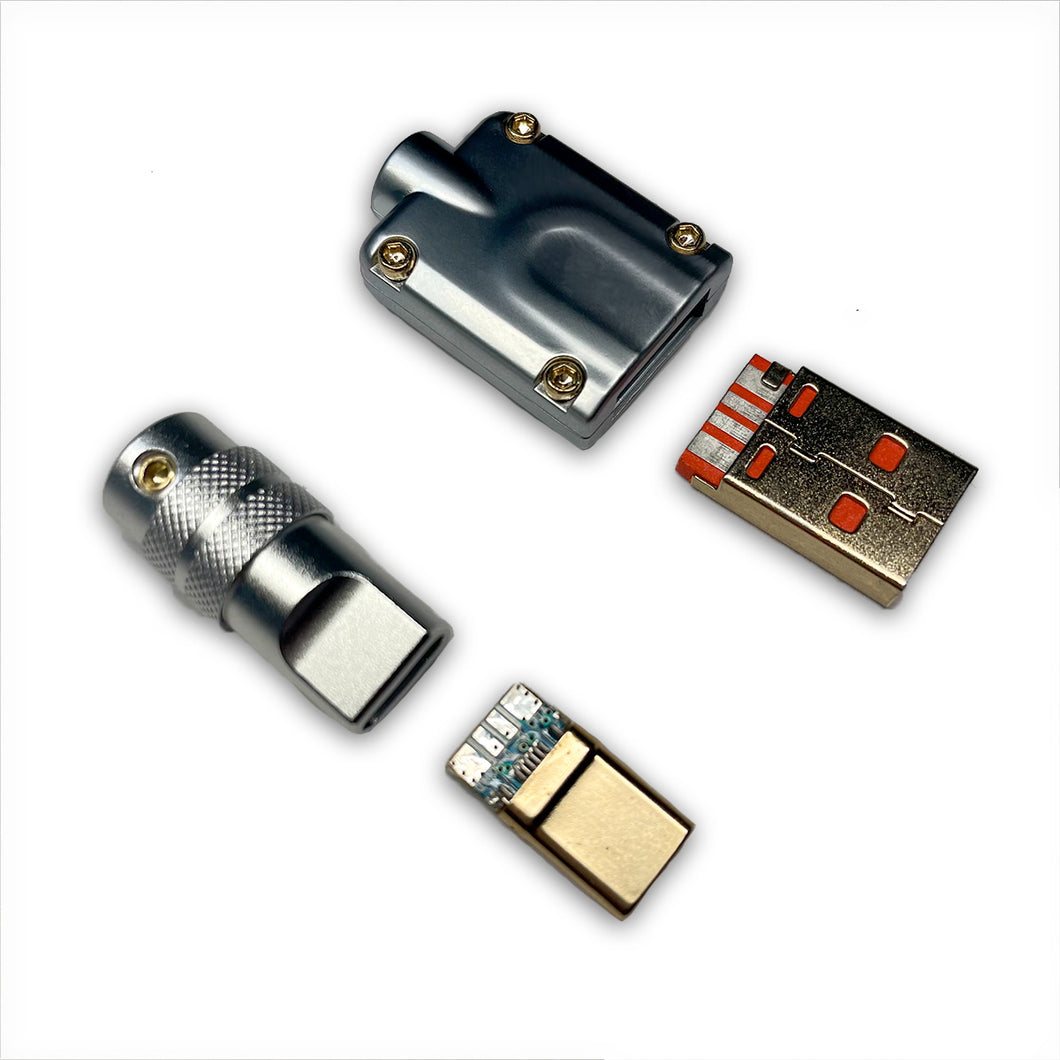
USB-C vs. Previous Standards
Reversible connector orientation Higher power delivery capability Faster data transfer speeds Single port for multiple functions Smaller, more durable design Required specific orientation Limited power delivery Slower data transfer rates Multiple ports needed Larger, less robust connectors

USB-C Cable Categories by Speed
USB 2.0 (480 Mbps) - Basic charging and data USB 3.1 Gen 1 (5 Gbps) - Standard high-speed USB 3.1 Gen 2 (10 Gbps) - Enhanced performance USB 3.2 (20 Gbps) - Professional applications USB4 (40 Gbps) - Latest standard with Thunderbolt compatibility
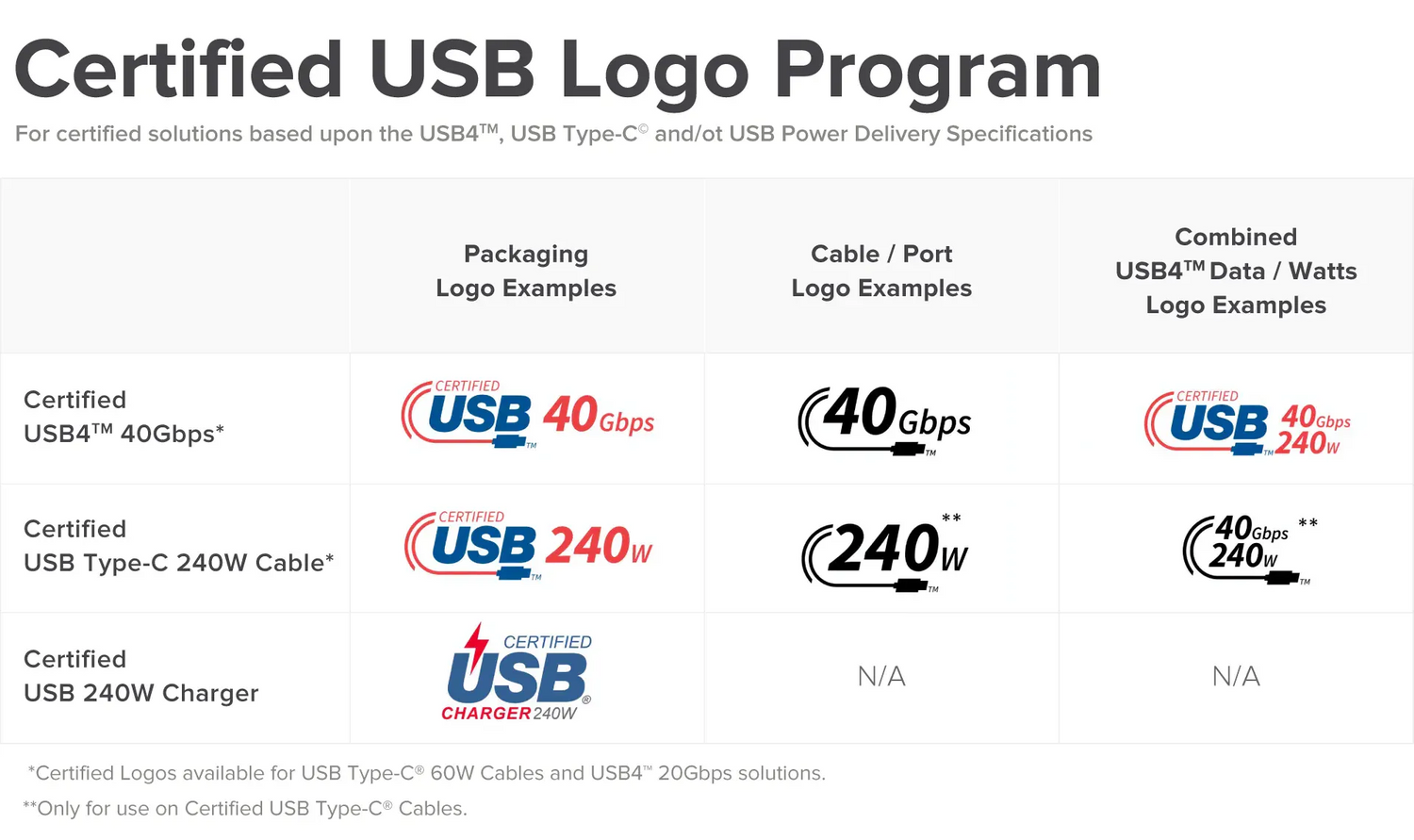
Power Delivery Specifications
USB PD 2.0: Up to 100W (20V, 5A) USB PD 3.0: Up to 100W with improved efficiency USB PD 3.1: Up to 240W (48V, 5A) Standard charging: 15W (5V, 3A) Fast charging protocols: Quick Charge, Power IQ
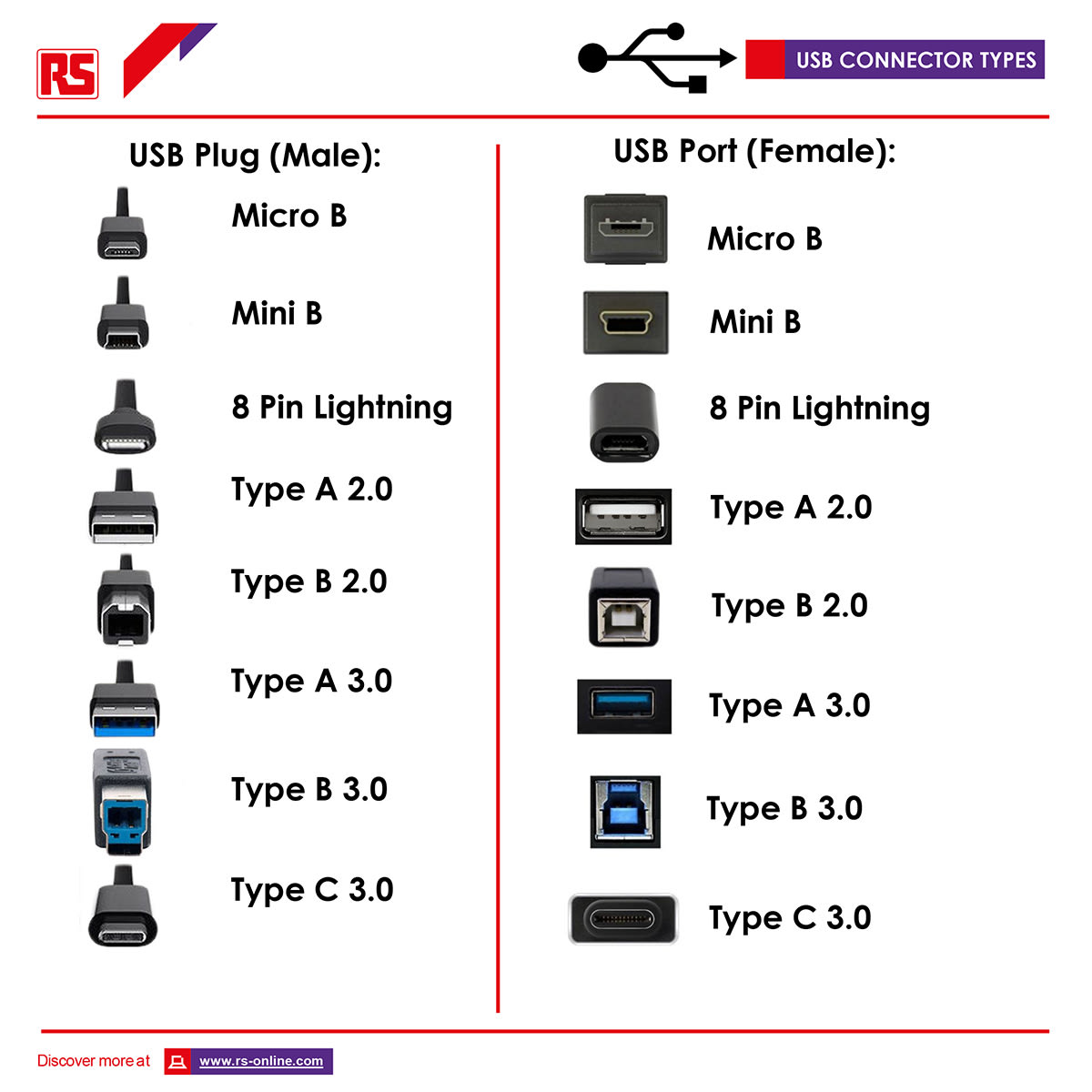
Cable Identification Challenge
Examine the USB-C cables provided Identify markings indicating speed rating Check for power delivery certification Compare cable thickness and build quality Match cables to appropriate device requirements
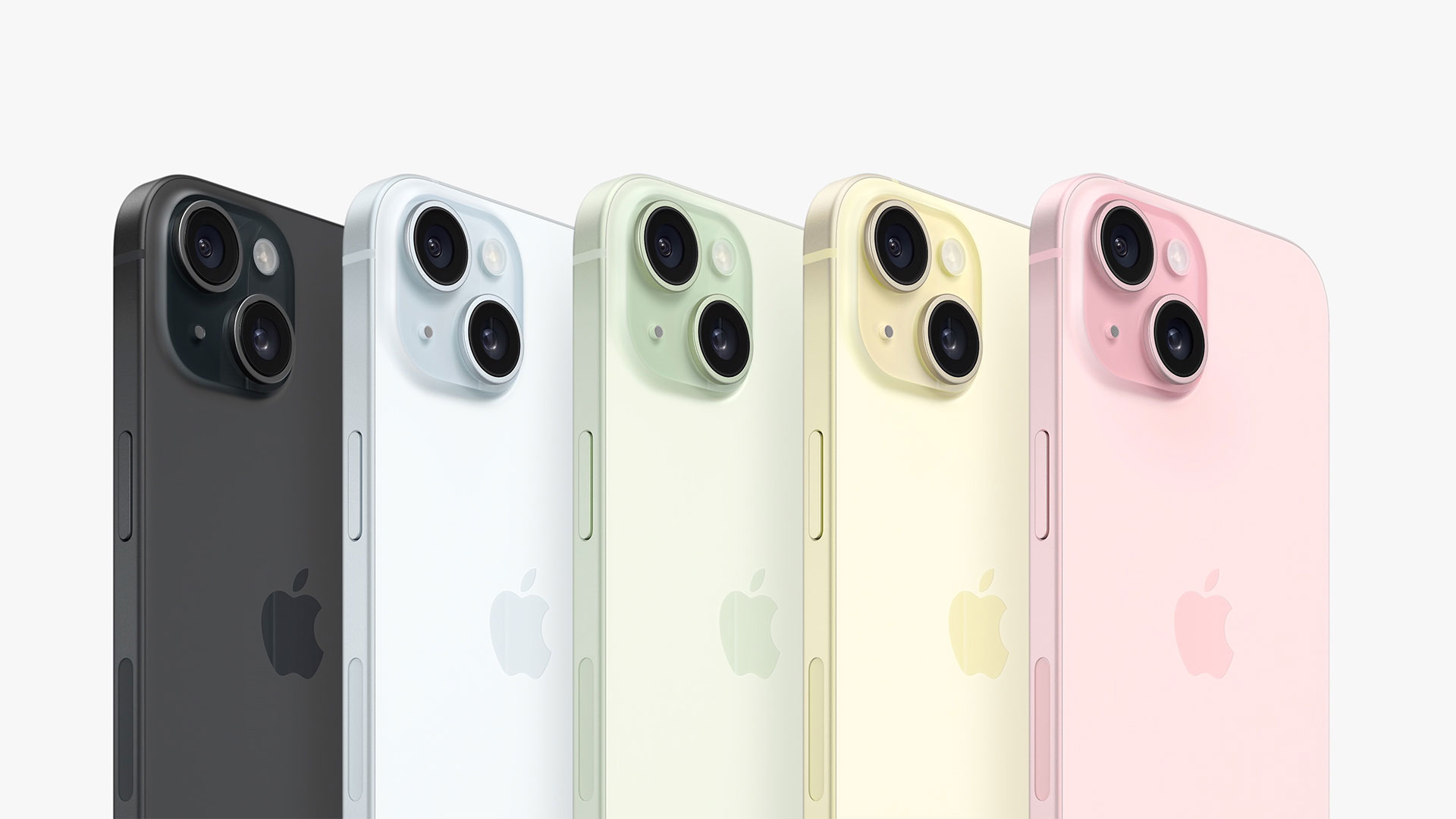
USB-C Applications Across Devices

Specialized USB-C Cable Types
Thunderbolt 4 cables - 40 Gbps, 100W, 8K video USB-C to HDMI - Video output cables USB-C to Ethernet - Wired network connections Magnetic USB-C - Safety disconnect feature Braided cables - Enhanced durability Right-angle connectors - Space-saving designs

Critical Thinking: Cable Selection
Scenario: You need to connect a 4K monitor to a laptop while charging it at 65W Which USB-C cable specifications would you need? What factors would influence your decision? How would you verify the cable meets requirements?

Future of USB-C Technology
USB4 Version 2.0 - 80 Gbps speeds coming European Union mandate for common charging Integration with wireless charging standards Enhanced security features Improved cable durability and longevity Standardization across all device manufacturers