
Whole Numbers: Place Value and Factors
Grade 9 Mathematics Understanding number systems and relationships Building foundations for algebra
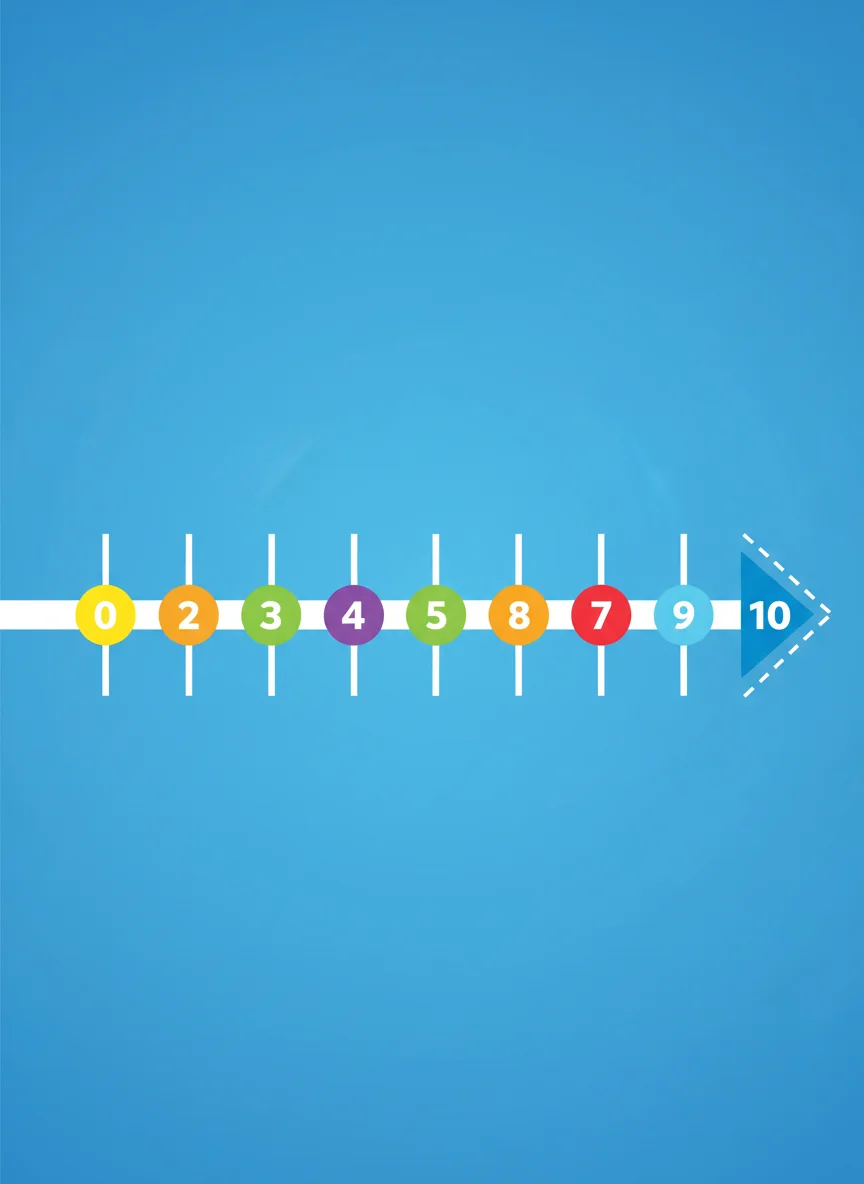
What Are Whole Numbers?
Counting Numbers: 1, 2, 3, 4, 5, ... Whole Numbers: 0, 1, 2, 3, 4, 5, ... Used to count objects in our world Foundation for all mathematics
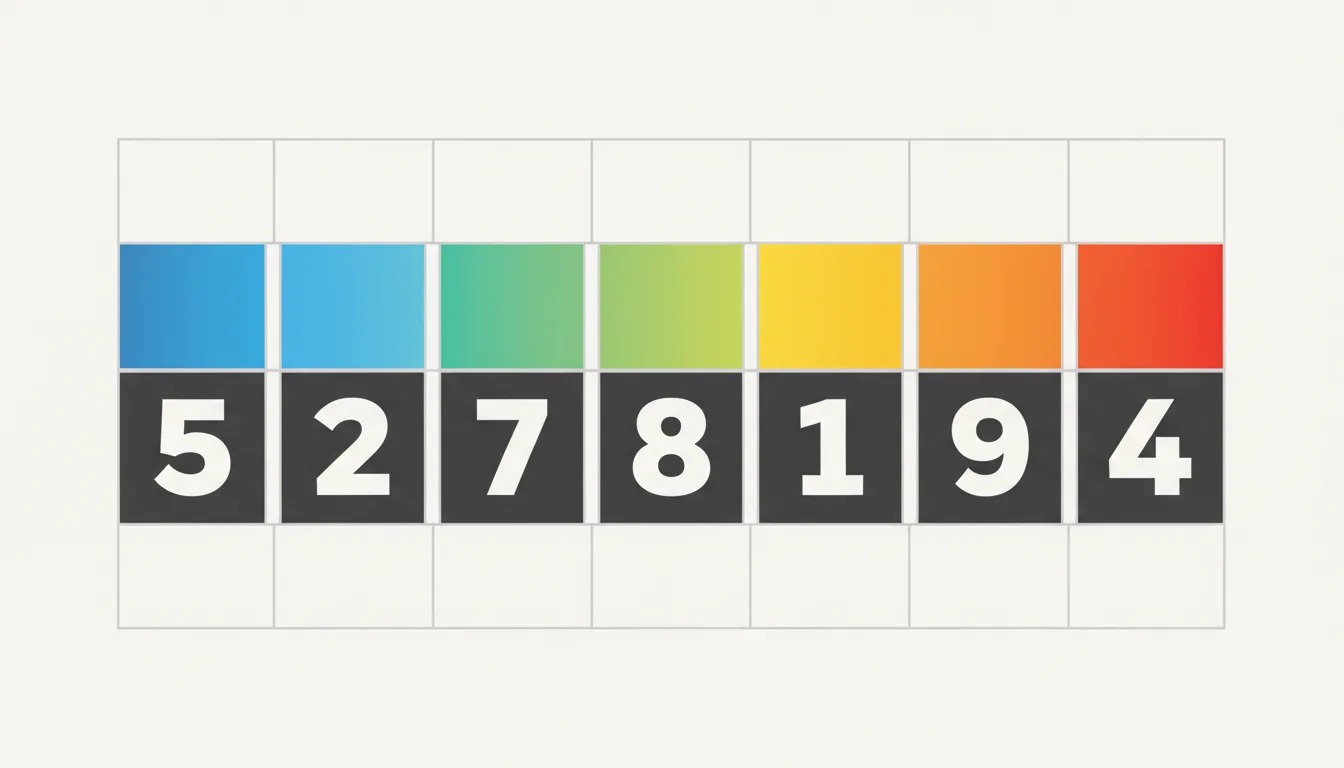
Place Value System

Practice: Reading Large Numbers
Write in words: 63,407,218 Find the place value of each digit Practice with your partner Check your answers together
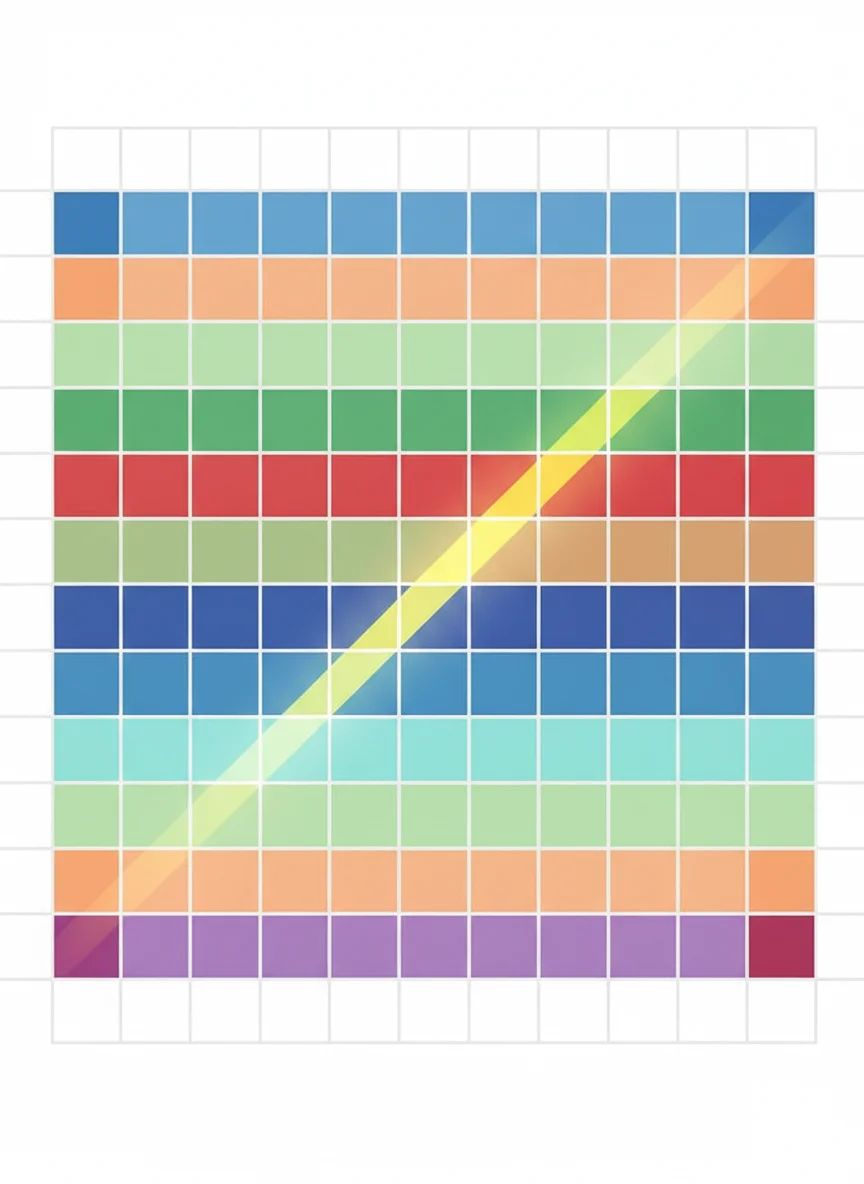
Multiples and Divisibility
Multiple of 2: 2, 4, 6, 8, 10, 12, ... Multiple of 3: 3, 6, 9, 12, 15, 18, ... If 15 ÷ 3 = 5, then 15 is divisible by 3 Divisible means no remainder when dividing
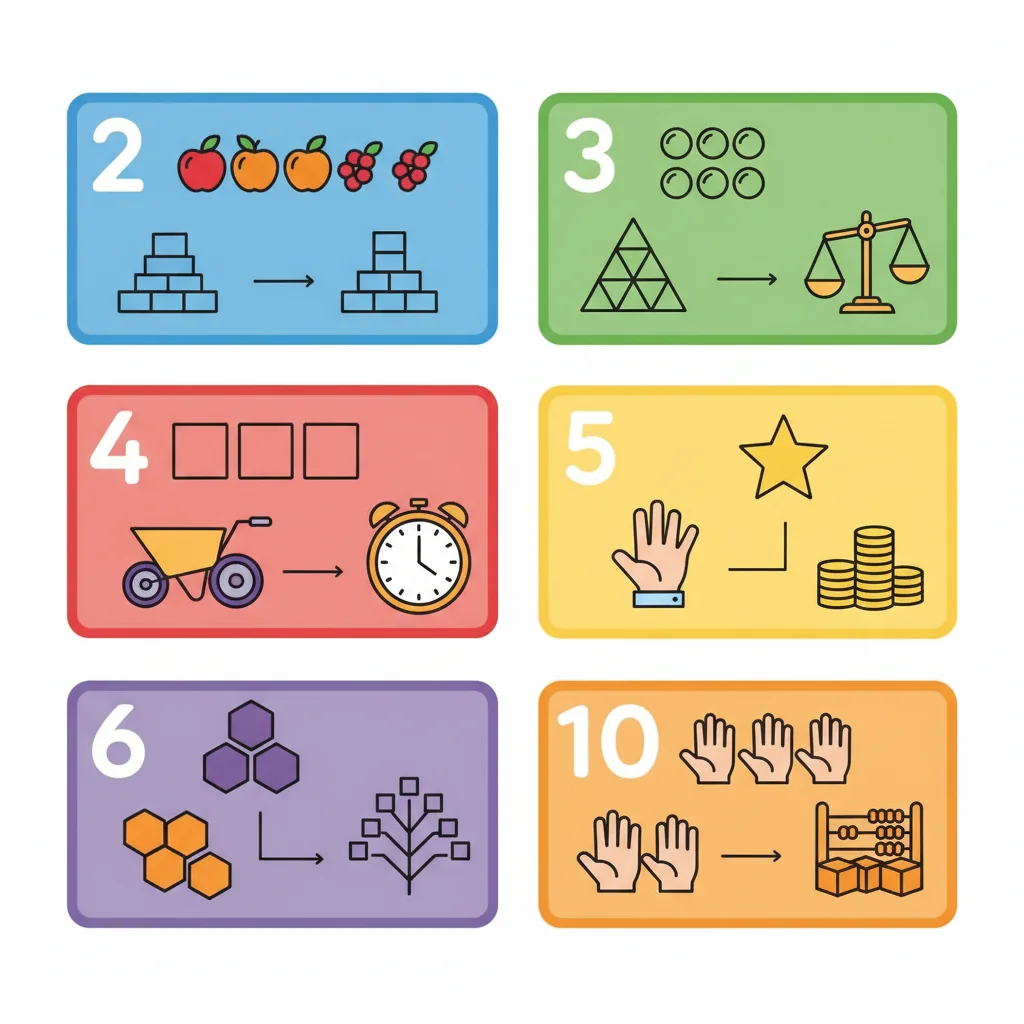
Divisibility Tests
{"left":"Divisible by 2: ends in 0, 2, 4, 6, or 8\nDivisible by 3: sum of digits divisible by 3\nDivisible by 5: ends in 0 or 5\nDivisible by 6: divisible by both 2 and 3\nDivisible by 10: ends in 0","right":"Example: 5,625\nLast digit is 5 → divisible by 5\nSum: 5+6+2+5 = 18, 18÷3 = 6 → divisible by 3\nNot even → not divisible by 2, 6, or 10"}
Prime and Composite Numbers
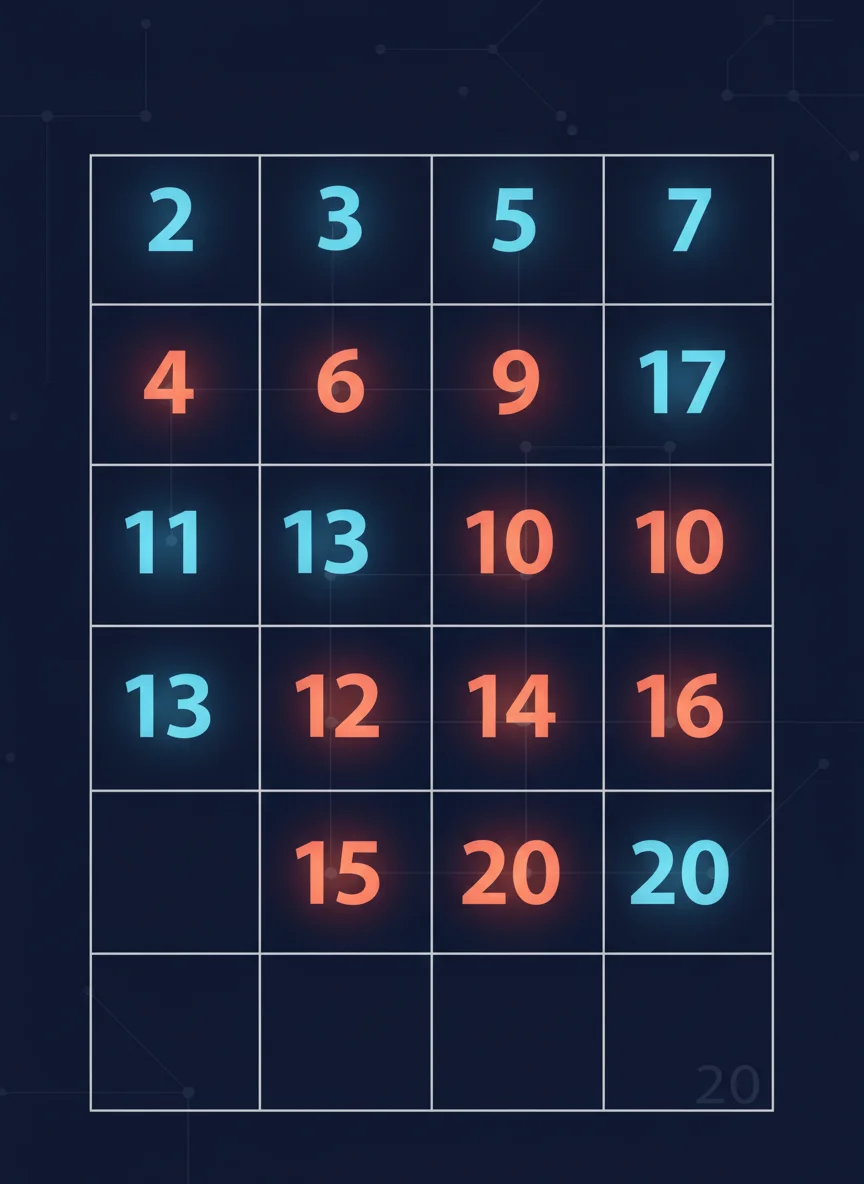
Prime: exactly two factors (1 and itself) Examples: 2, 3, 5, 7, 11, 13, 17, 19 Composite: more than two factors Examples: 4, 6, 8, 9, 10, 12, 14, 15
Prime Factorization Practice
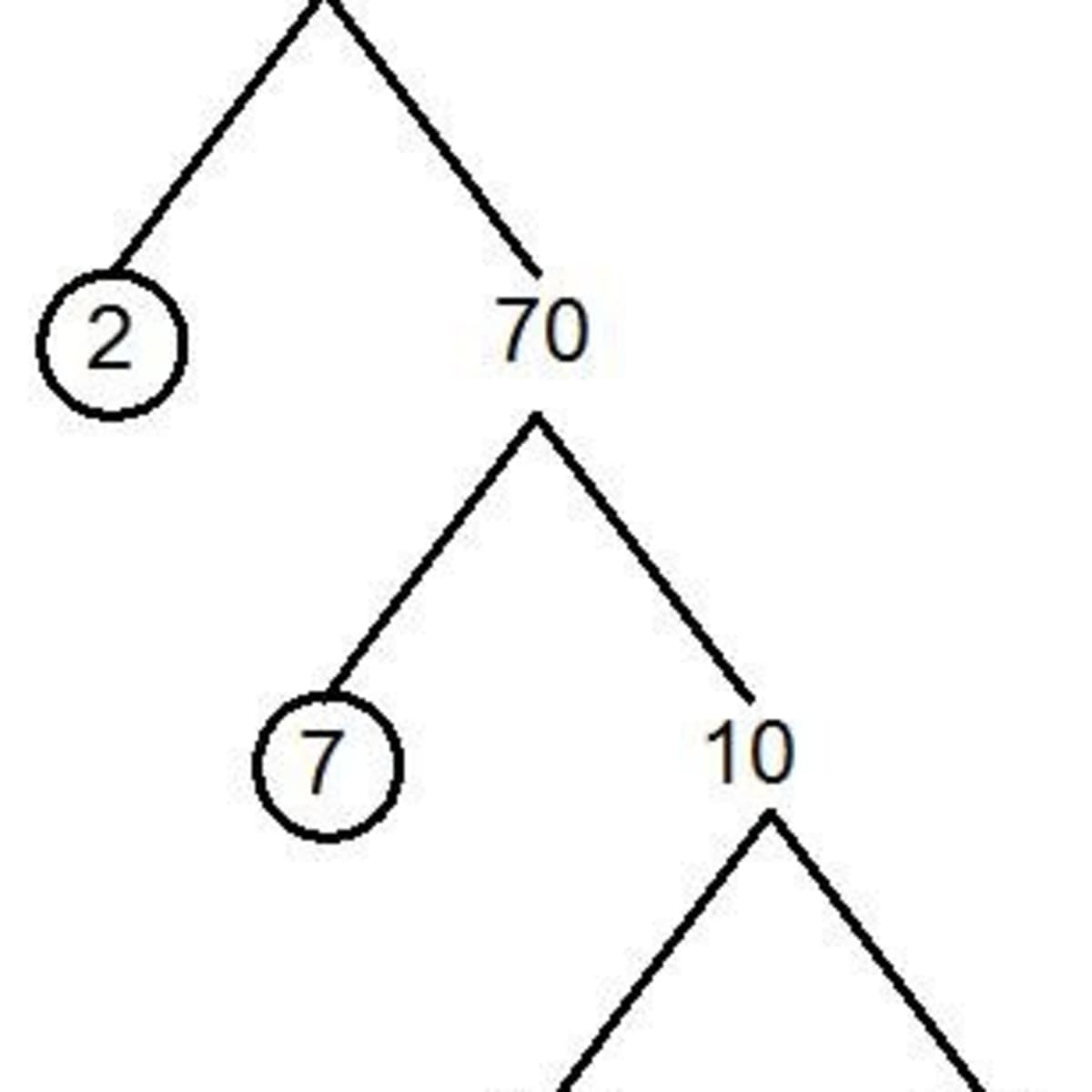
Factor 48 using a factor tree Start with any two factors Continue until all factors are prime Write as a product of primes
Least Common Multiple (LCM)
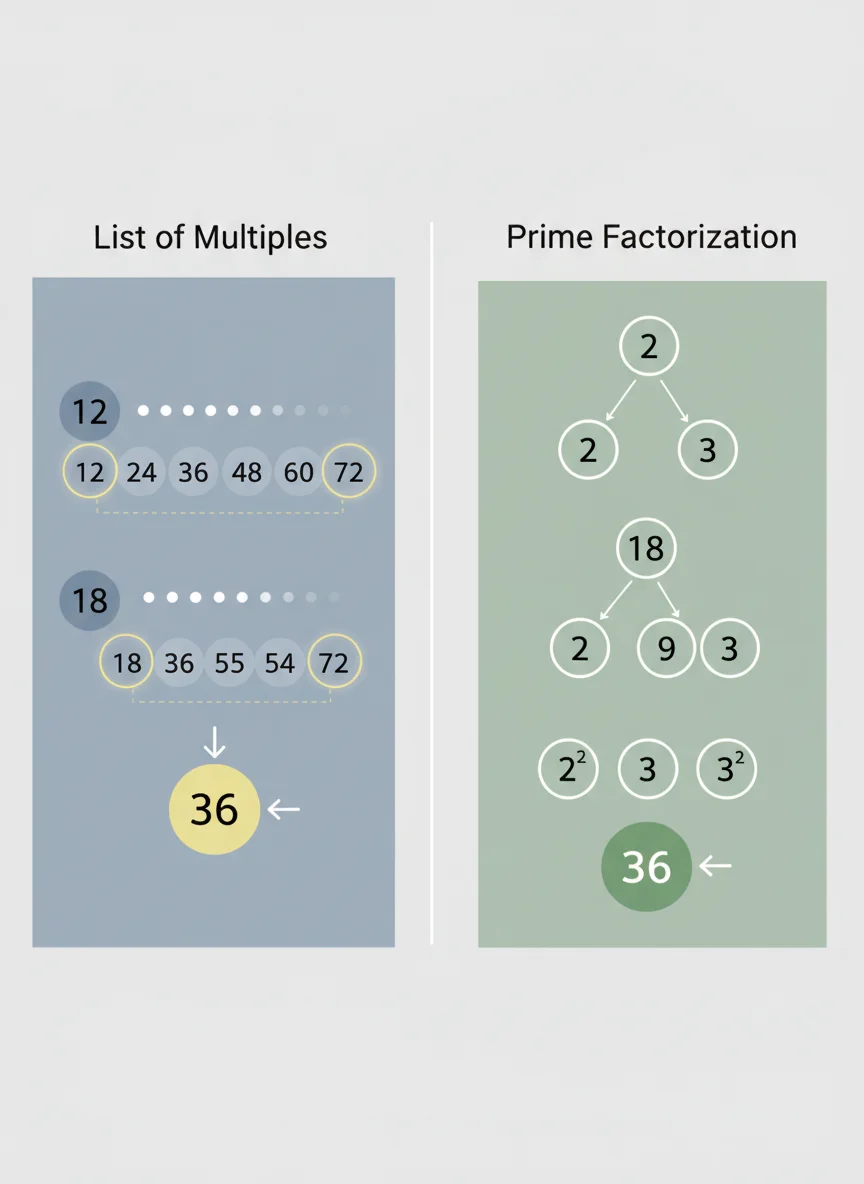
Two methods to find LCM: 1. List multiples of each number 2. Use prime factorization method LCM is the smallest common multiple
Putting It All Together
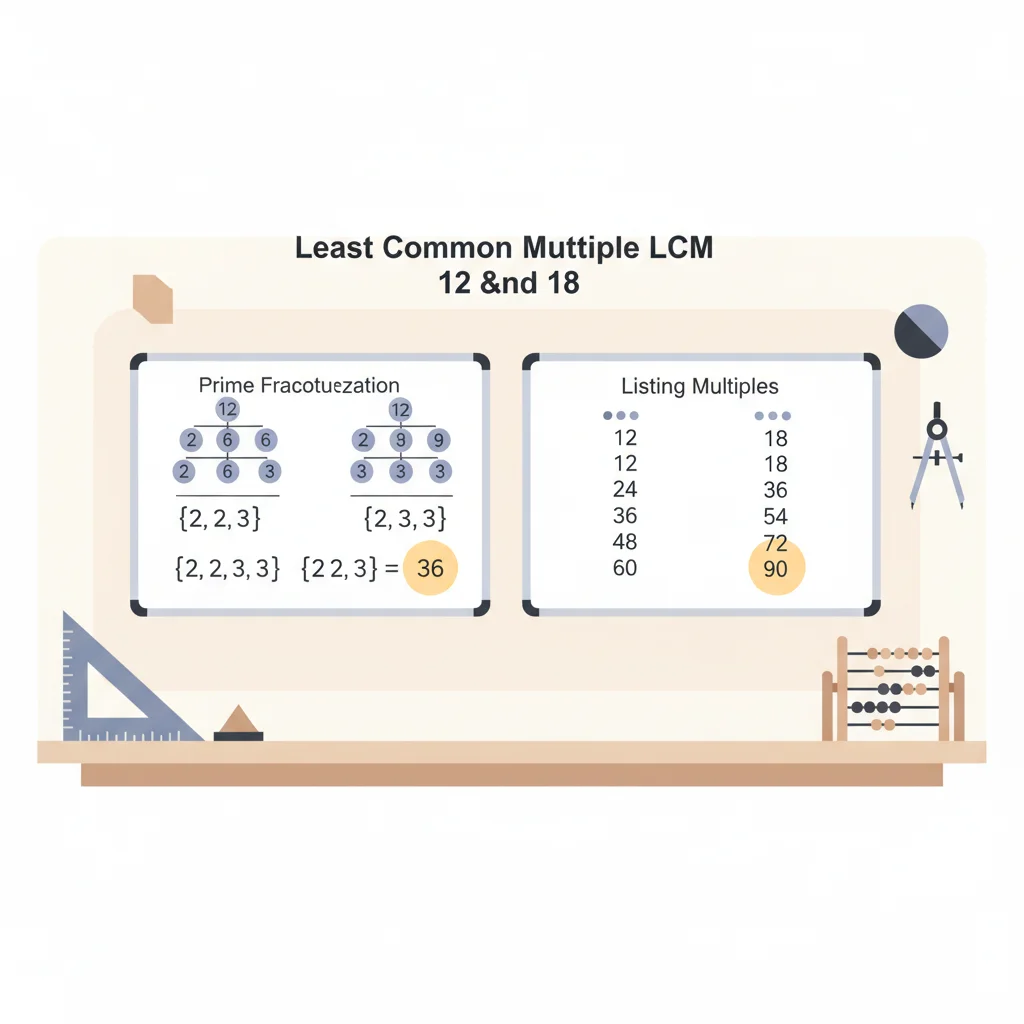
Find the LCM of 12 and 18 Method 1: List the multiples Method 2: Use prime factors Which method do you prefer and why?