HealthFreePrintable

Food Labels and Portions

A free health worksheet ready for your classroom. Open in Kuraplan to grab the print-ready PDF, customize it for your students, or generate a fresh version in seconds.

Food Labels and Portions worksheet preview
Food Labels and Portions

Food Labels and Portions

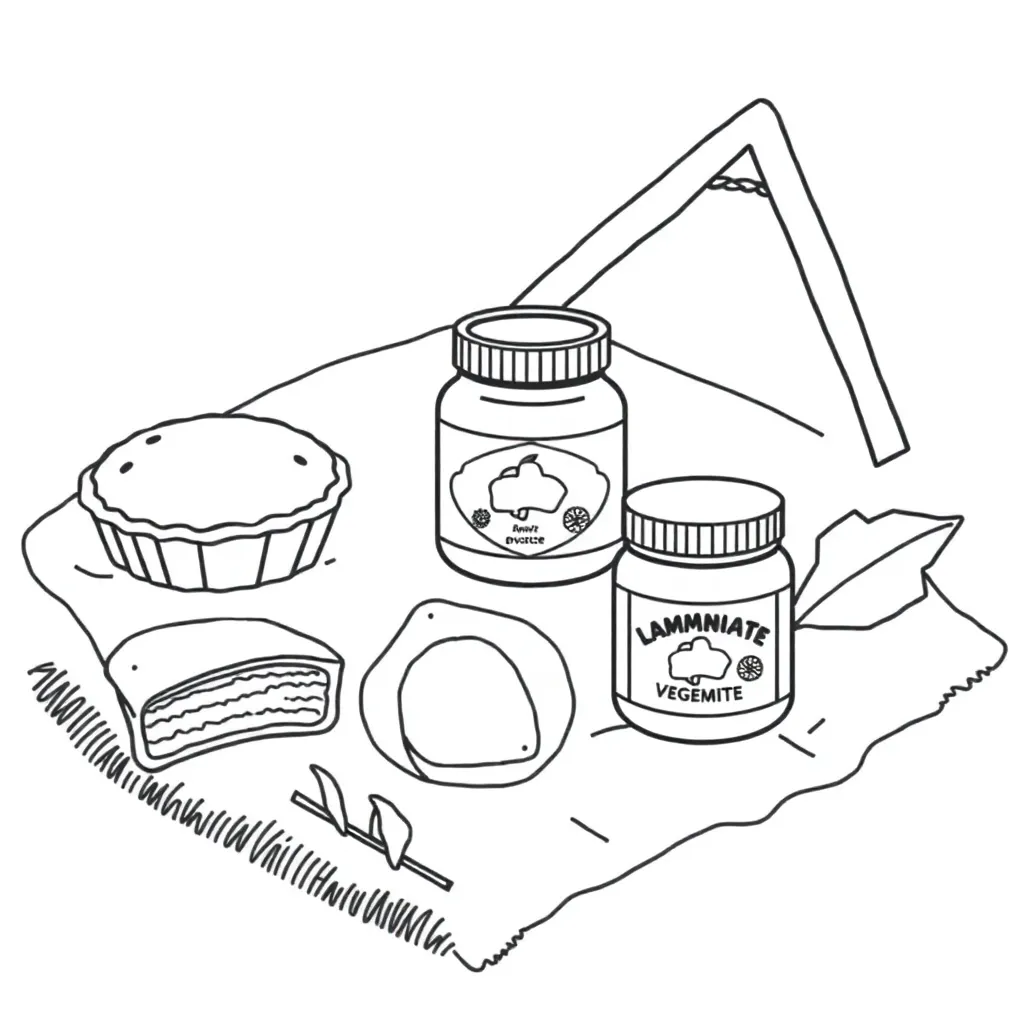
Food label and portion size illustration

🏷️ Part 1: Understanding Food Labels

1. What are the five main components of an Australian food label? Check all that apply:

Nutrition Information Panel

Ingredients list

Serving size

Health claims

Price per kilogram

Number of servings per package

2. Why is it important to check the serving size on a food label?
3. Circle the correct answer: Ingredients on Australian food labels are listed in order of:

Alphabetical order

Highest to lowest quantity by weight

Most to least expensive

Healthiest to least healthy

📊 Part 2: Nutrition Information Panel Analysis

4. Fill in the blanks about the Nutrition Information Panel:

Energy is measured in _____________ in Australia. The panel shows nutritional values per _______ and per _______ grams. This helps consumers compare products of different _____________ sizes.

5. When comparing two similar products, which column should you use for the fairest comparison?

Per serve column

Per 100g column

Either column is fine

The largest number

6. List three nutrients you should try to limit in your diet:

🥄 Part 3: Portion Sizes and Visual Cues

7. Match the food type with its appropriate portion size visual cue:
1. Meat/protein
2. Vegetables
3. Nuts
4. Cheese
A. Size of your fist
B. Size of your palm
C. Size of your thumb
D. Small handful
8. Why might the serving size on a package be different from the recommended portion size for your age group?
9. Draw what you think is an appropriate portion of pasta for a Year 8 student:

🛒 Part 4: Marketing and Health Claims

10. Which of these health claims might be misleading? Check all that apply:

"No added sugar" (but contains natural sugars)

"Low fat" (but high in sugar)

"Natural" (but highly processed)

"99% fat free" (but high in sodium)

"Contains real fruit" (but only 2%)

11. Fill in the blanks about smart shopping:

When shopping, always check the _____________ list to see what the product actually contains. Look at the _____________ per 100g to compare similar products. Be aware that _____________ claims on the front of packages can sometimes be misleading, so always check the _____________ Information Panel.

12. Describe one strategy you can use to avoid being influenced by misleading marketing on food packages:

🎯 Part 5: Practical Application

13. You're comparing two breakfast cereals. Cereal A has 1,200kJ per serve (45g) and Cereal B has 800kJ per serve (30g). Which has more energy per 100g?
14. List three questions you should ask yourself when reading a food label:
15. How will you use what you've learned about food labels and portion sizes in your daily life?

About This Worksheet

Free in Kuraplan

Sign up free, grab the PDF, and customize it for your class.

Print-Ready

Formatted for standard paper. Clean layout, easy to read.

AI-Generated

Created with Kuraplan's AI, designed for real classroom use.

For Teachers & Parents

Use in classrooms, for homework, tutoring, or homeschool.

Need a custom version of this worksheet?

Kuraplan's AI generates custom worksheets in seconds — differentiated for every learner, aligned to your curriculum.

Generate Custom Worksheets — Free
No credit card Curriculum-aligned Under 60 seconds