Police Procedural Grammar Worksheet
A free english worksheet ready for your classroom. Open in Kuraplan to grab the print-ready PDF, customize it for your students, or generate a fresh version in seconds.

Police Procedural Grammar Worksheet

📚 Part 1: Understanding Passive Voice in Police Procedurals
What is Passive Voice? In passive voice, the subject receives the action rather than performing it. Police procedurals often use passive voice to create objectivity and focus on evidence rather than who discovered it.
Example: Active: "Detective Smith found the evidence." → Passive: "The evidence was found by Detective Smith."
a) The fingerprints were analysed by the forensic team.
b) The witness gave a detailed statement to police.
c) The suspect was arrested at 3:00 AM on Tuesday.
a) The detective interviewed three witnesses.
b) The forensic team collected DNA evidence from the crime scene.
c) Police officers cordoned off the area immediately.
🔍 Part 2: Modality in Police Procedural Language
What is Modality? Modal verbs express degrees of certainty, possibility, or obligation. In police procedurals, they show how confident investigators are about evidence and theories.
Examples: must (high certainty), might/could (possibility), should (obligation/expectation)
a) "The perpetrator must have left through the back door."
Modal verb: _____________ Certainty level: _________________
b) "The witness might be mistaken about the time."
Modal verb: _____________ Certainty level: _________________
c) "We should interview the neighbour again."
Modal verb: _____________ Certainty level: _________________
a) Based on the DNA evidence, the suspect _______ be guilty.
b) Officers _______ follow proper procedure when collecting evidence.
Sentence 1 (high certainty):
Sentence 2 (possibility/uncertainty):
✍️ Part 3: Analysis and Application
"The crime scene was secured at 6:15 PM. Evidence was collected by the forensic team, and photographs were taken from multiple angles. The victim's mobile phone could not be located, but witnesses might have seen the perpetrator fleeing towards the railway station. Further investigation must be conducted to establish a timeline."
About This Worksheet
Free in Kuraplan
Sign up free, grab the PDF, and customize it for your class.
Print-Ready
Formatted for standard paper. Clean layout, easy to read.
AI-Generated
Created with Kuraplan's AI, designed for real classroom use.
For Teachers & Parents
Use in classrooms, for homework, tutoring, or homeschool.
Need a custom version of this worksheet?
Kuraplan's AI generates custom worksheets in seconds — differentiated for every learner, aligned to your curriculum.
Generate Custom Worksheets — FreeMore English Worksheets
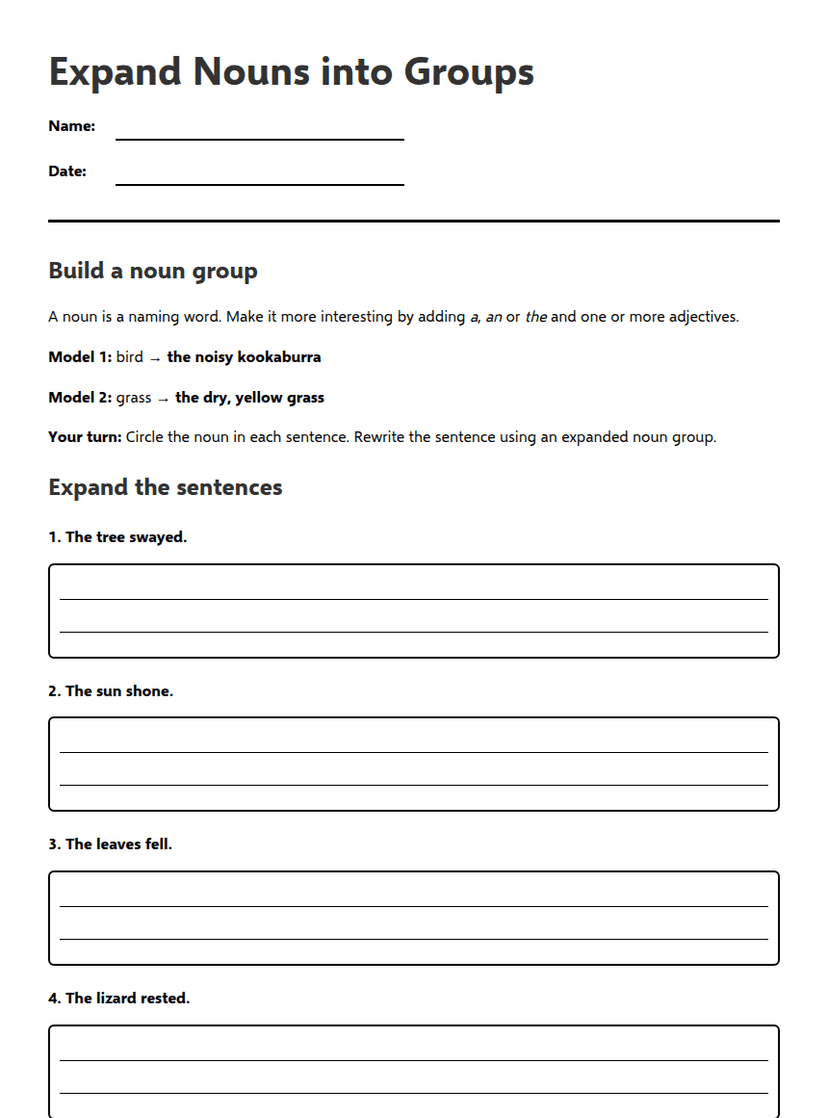
Expand Nouns into Groups
Free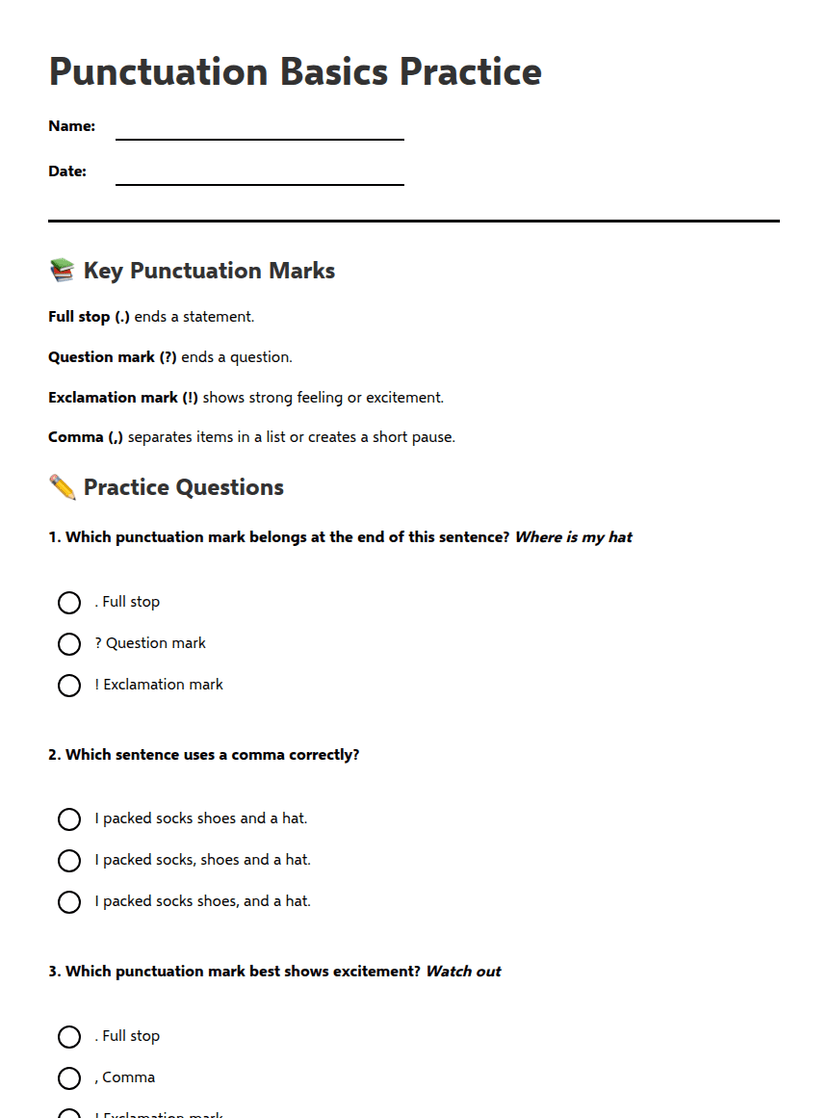
Punctuation Basics Practice
Free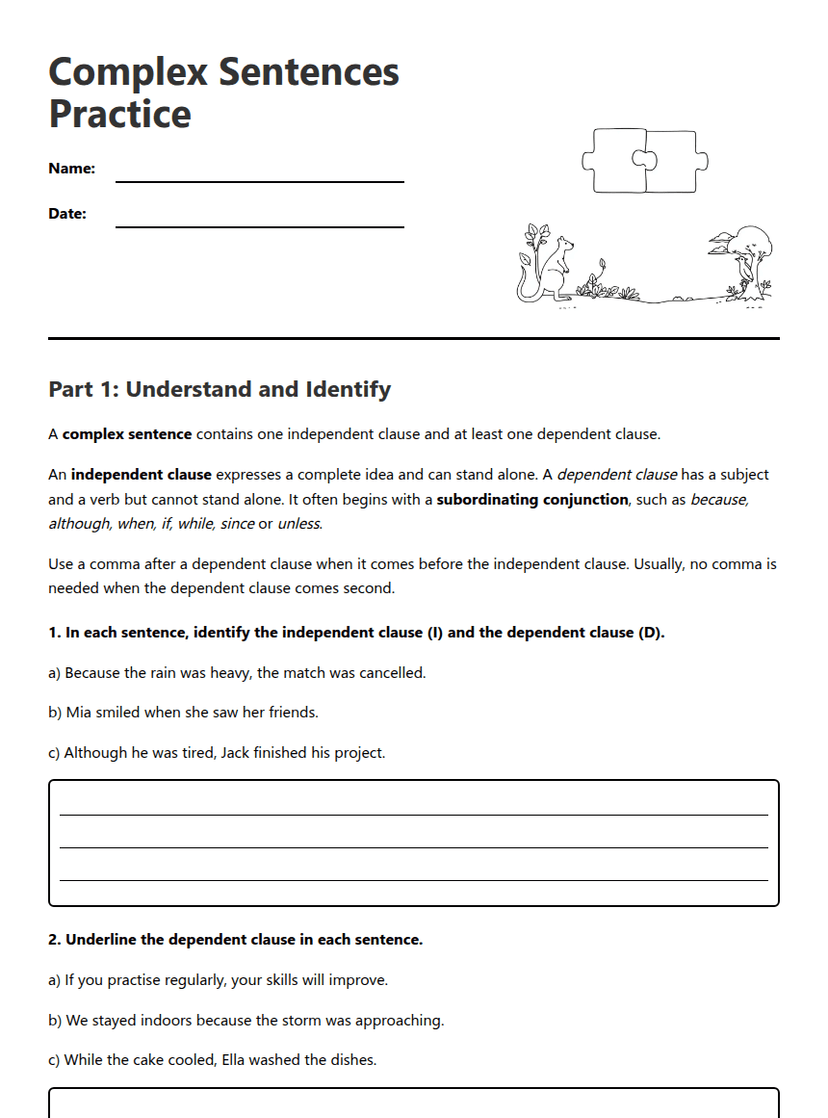
Complex Sentences Practice
Free
English Proofreading Practice
Free
English Grammar Practice
Free
Comparative Words Worksheet
Free
Basic Grammar Fill-In Practice
Free