Government Systems Overview
A free social sciences worksheet ready for your classroom. Open in Kuraplan to grab the print-ready PDF, customize it for your students, or generate a fresh version in seconds.
Government Systems Overview
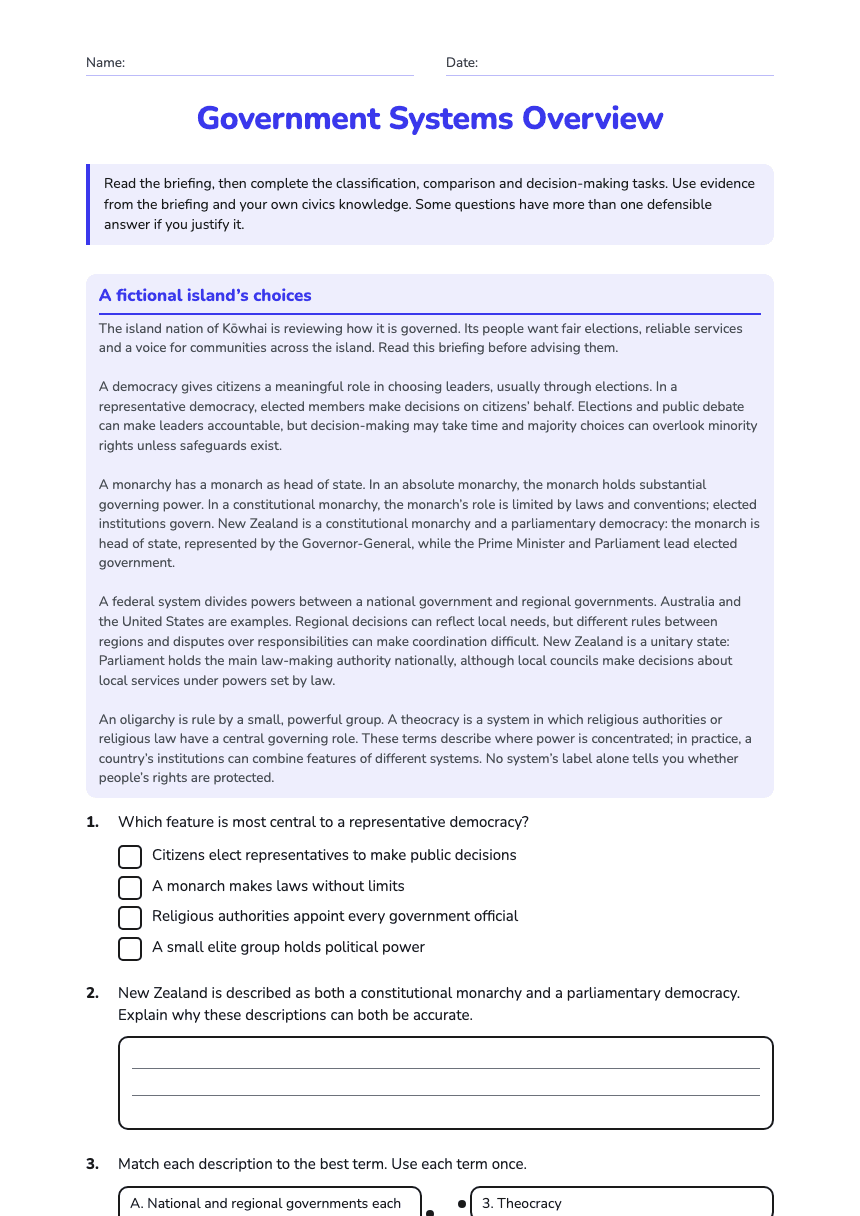
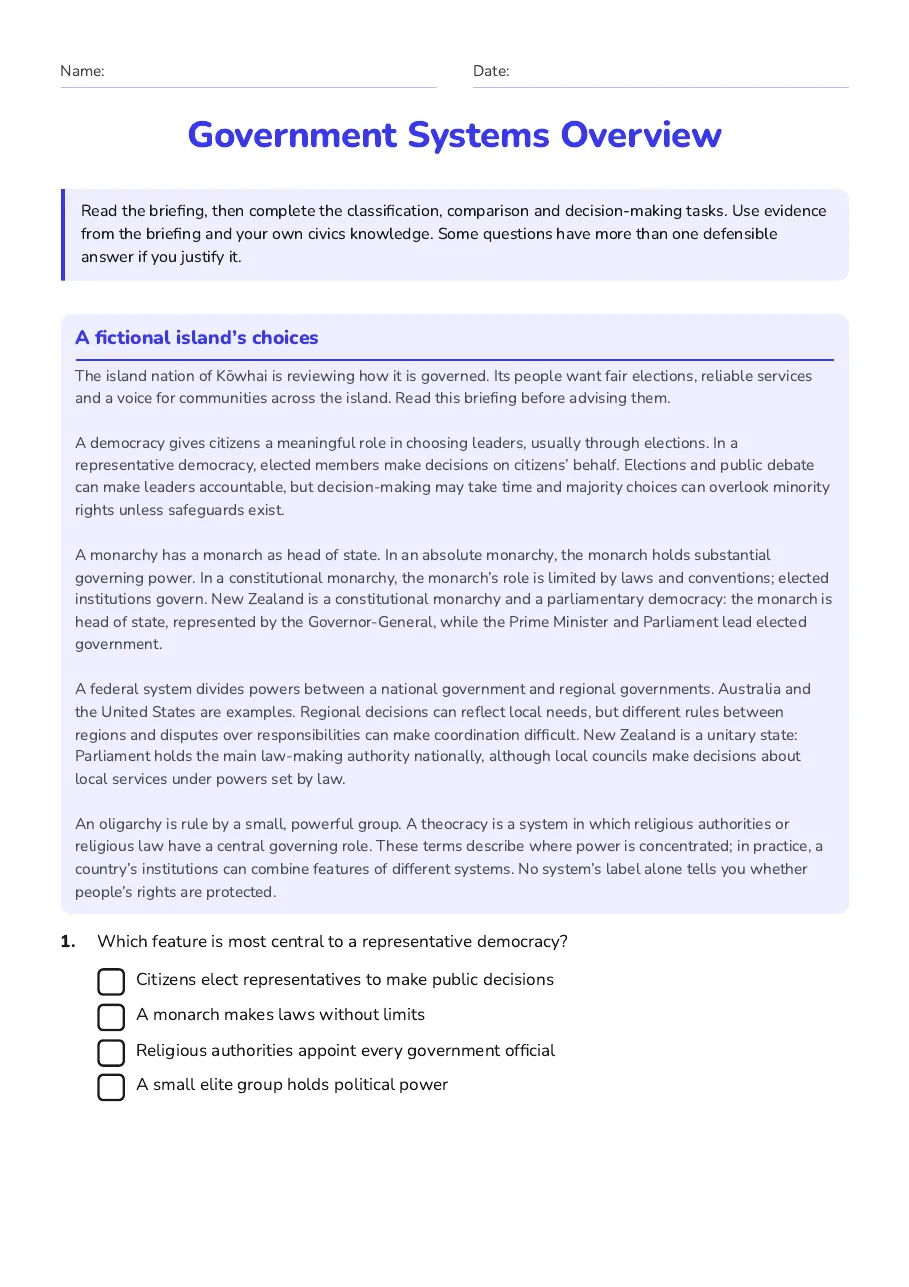
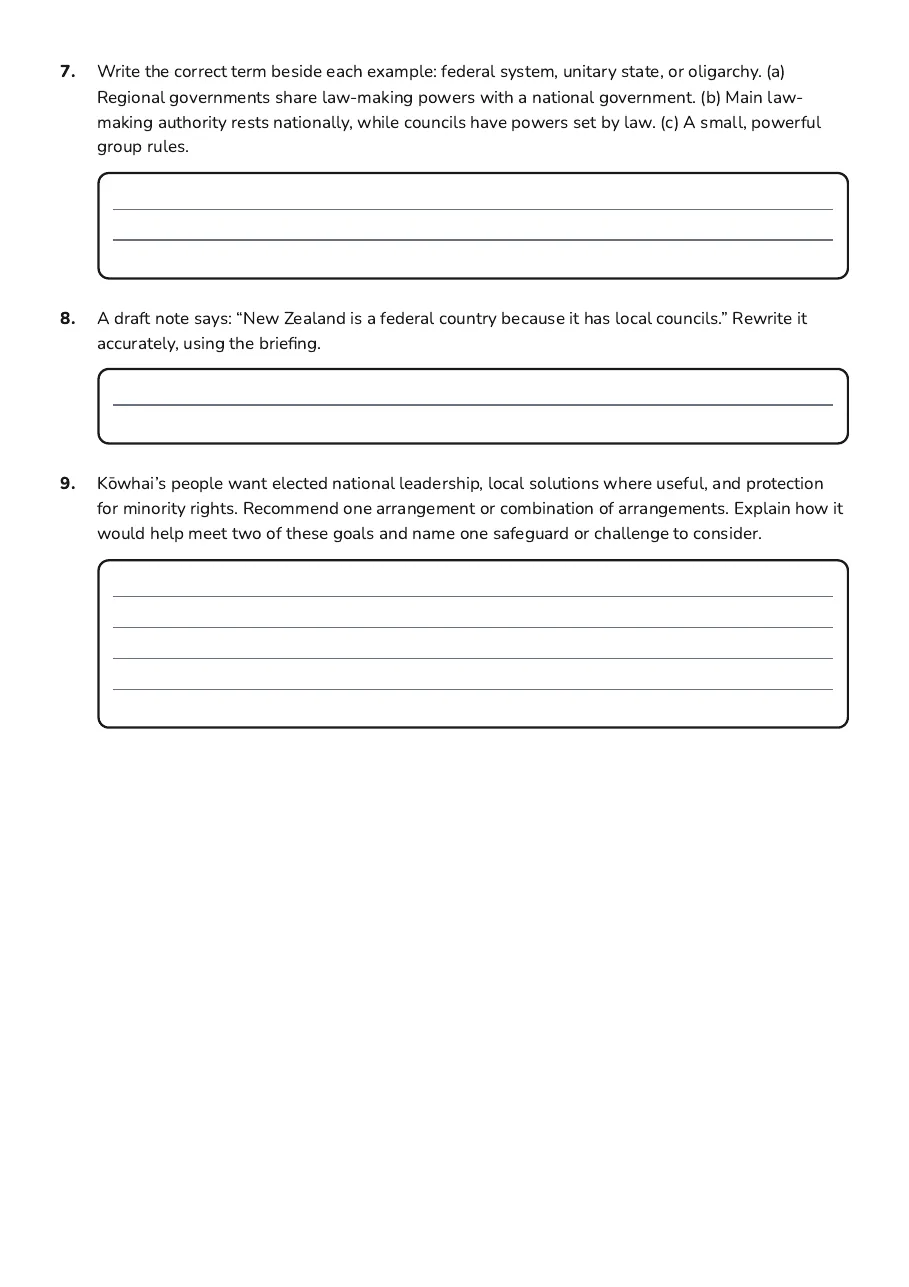
A fictional island’s choices
The island nation of Kōwhai is reviewing how it is governed. Its people want fair elections, reliable services and a voice for communities across the island. Read this briefing before advising them. A democracy gives citizens a meaningful role in choosing leaders, usually through elections. In a representative democracy, elected members make decisions on citizens’ behalf. Elections and public debate can make leaders accountable, but decision-making may take time and majority choices can overlook minority rights unless safeguards exist. A monarchy has a monarch as head of state. In an absolute monarchy, the monarch holds substantial governing power. In a constitutional monarchy, the monarch’s role is limited by laws and conventions; elected institutions govern. New Zealand is a constitutional monarchy and a parliamentary democracy: the monarch is head of state, represented by the Governor-General, while the Prime Minister and Parliament lead elected government. A federal system divides powers between a national government and regional governments. Australia and the United States are examples. Regional decisions can reflect local needs, but different rules between regions and disputes over responsibilities can make coordination difficult. New Zealand is a unitary state: Parliament holds the main law-making authority nationally, although local councils make decisions about local services under powers set by law. An oligarchy is rule by a small, powerful group. A theocracy is a system in which religious authorities or religious law have a central governing role. These terms describe where power is concentrated; in practice, a country’s institutions can combine features of different systems. No system’s label alone tells you whether people’s rights are protected.
- Citizens elect representatives to make public decisions
- A monarch makes laws without limits
- Religious authorities appoint every government official
- A small elite group holds political power
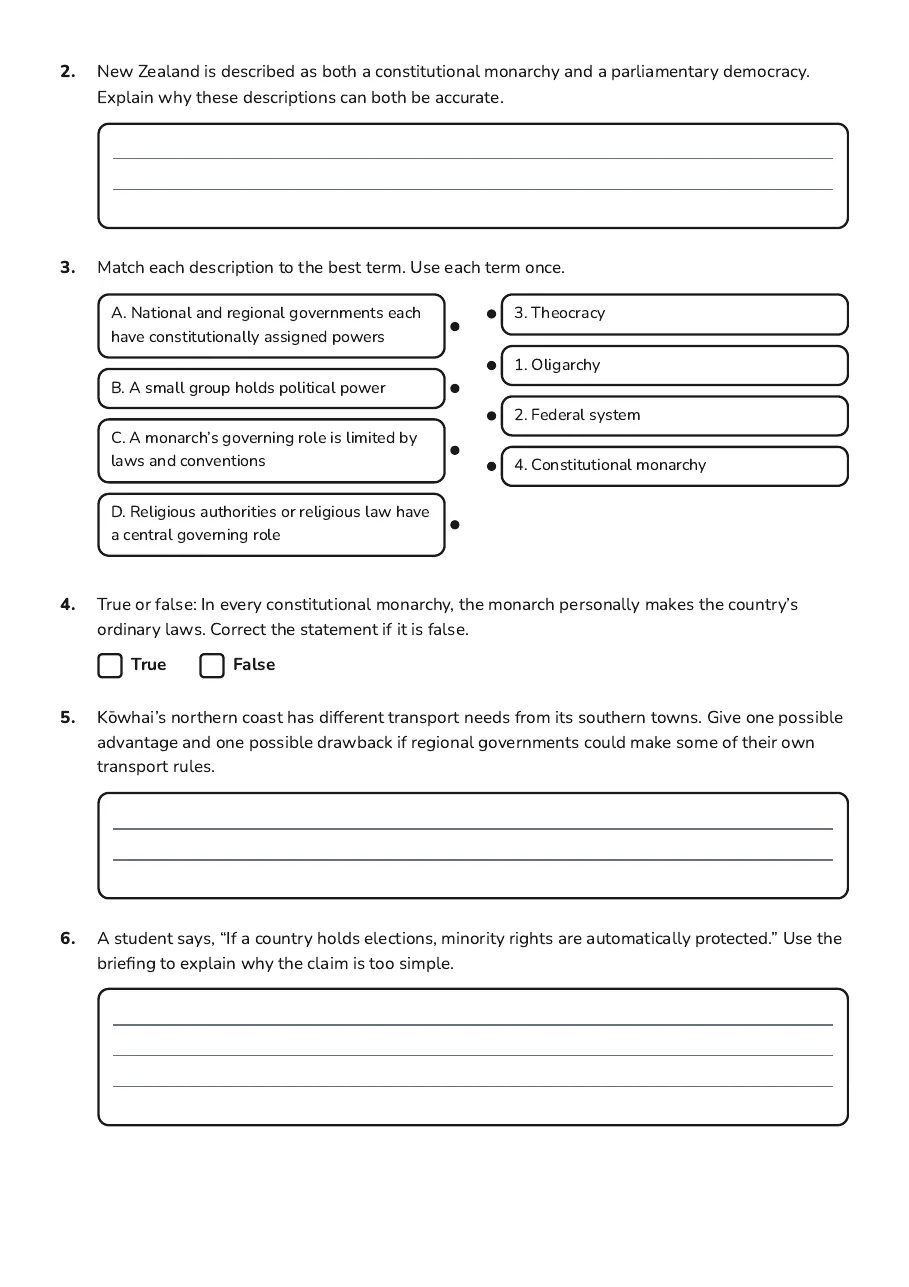
- A. National and regional governments each have constitutionally assigned powers
- B. A small group holds political power
- C. A monarch’s governing role is limited by laws and conventions
- D. Religious authorities or religious law have a central governing role
- 3. Theocracy
- 1. Oligarchy
- 2. Federal system
- 4. Constitutional monarchy
3 printable pages
Page 1
Page 2
Page 3
About This Worksheet
Free in Kuraplan
Sign up free, grab the PDF, and customize it for your class.
Print-Ready
Formatted for standard paper. Clean layout, easy to read.
AI-Generated
Created with Kuraplan's AI, designed for real classroom use.
For Teachers & Parents
Use in classrooms, for homework, tutoring, or homeschool.
Need a custom version of this worksheet?
Kuraplan's AI generates custom worksheets in seconds — differentiated for every learner, aligned to your curriculum.
Generate Custom Worksheets — FreeMore Social Sciences Worksheets
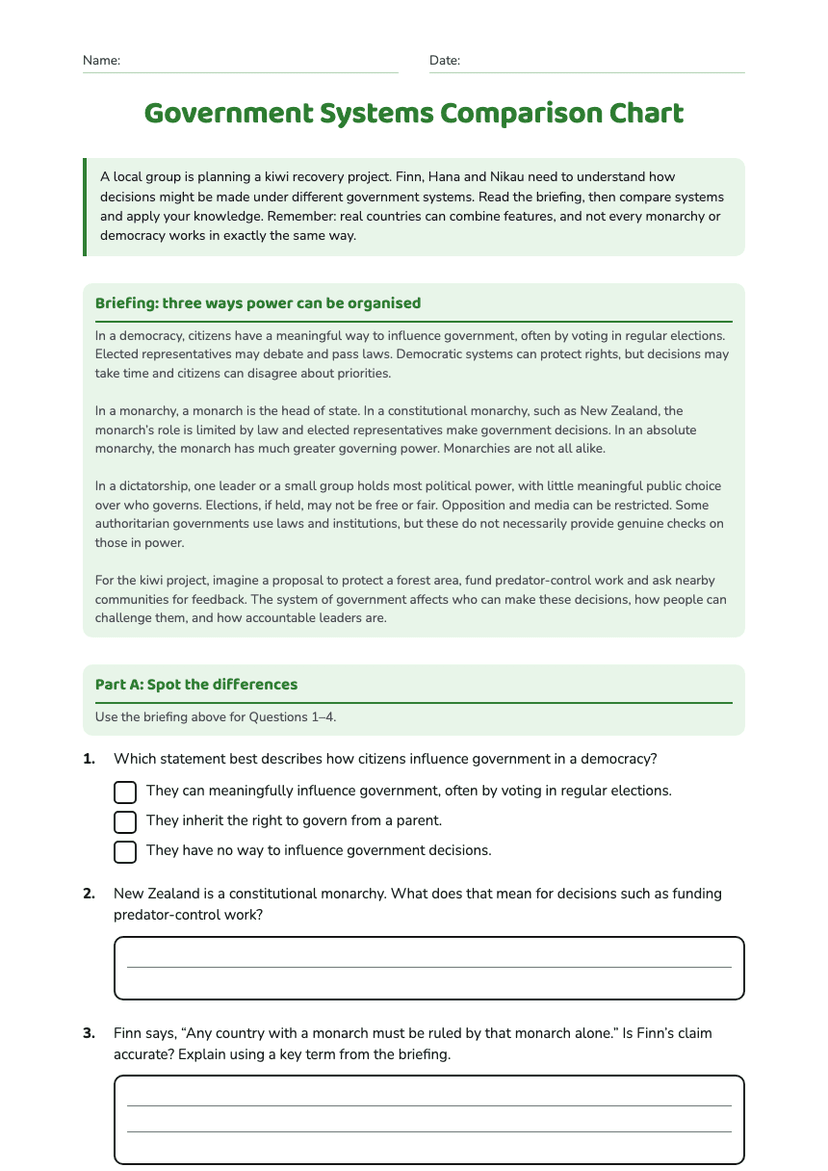
Government Systems Comparison Chart
Free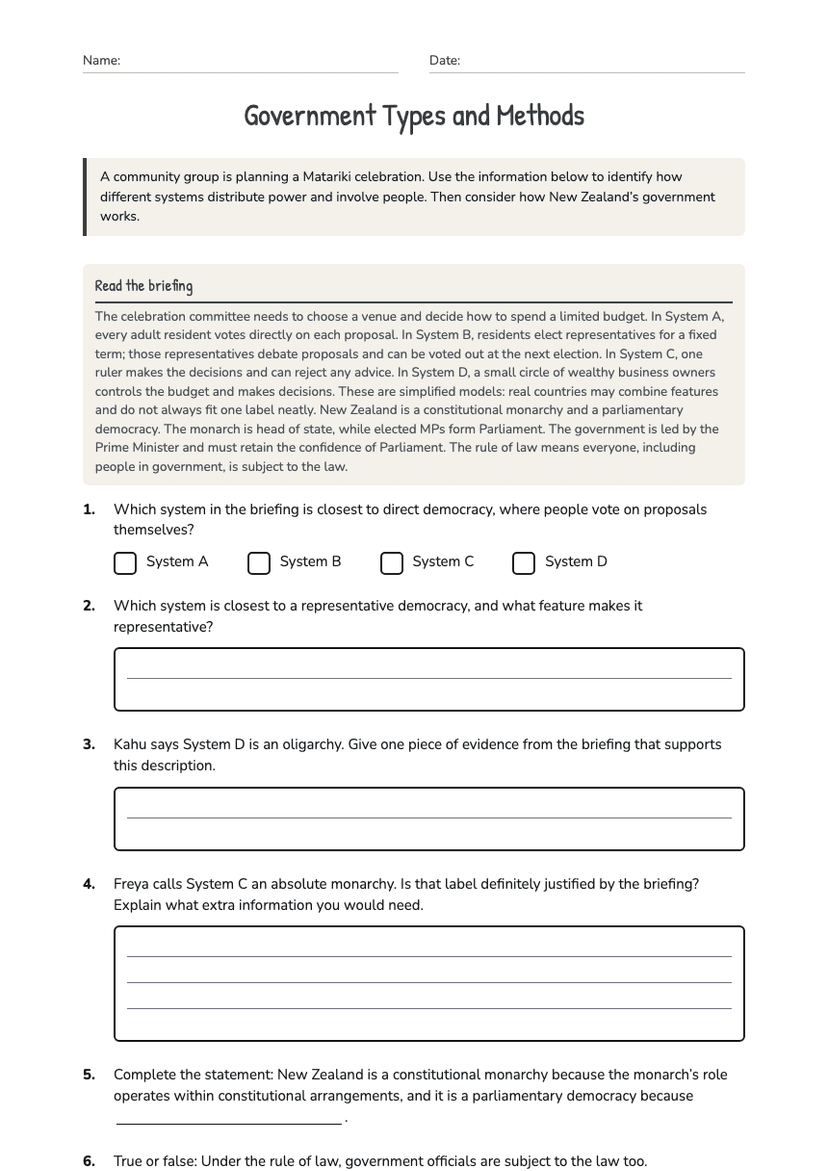
Government Types and Methods
Free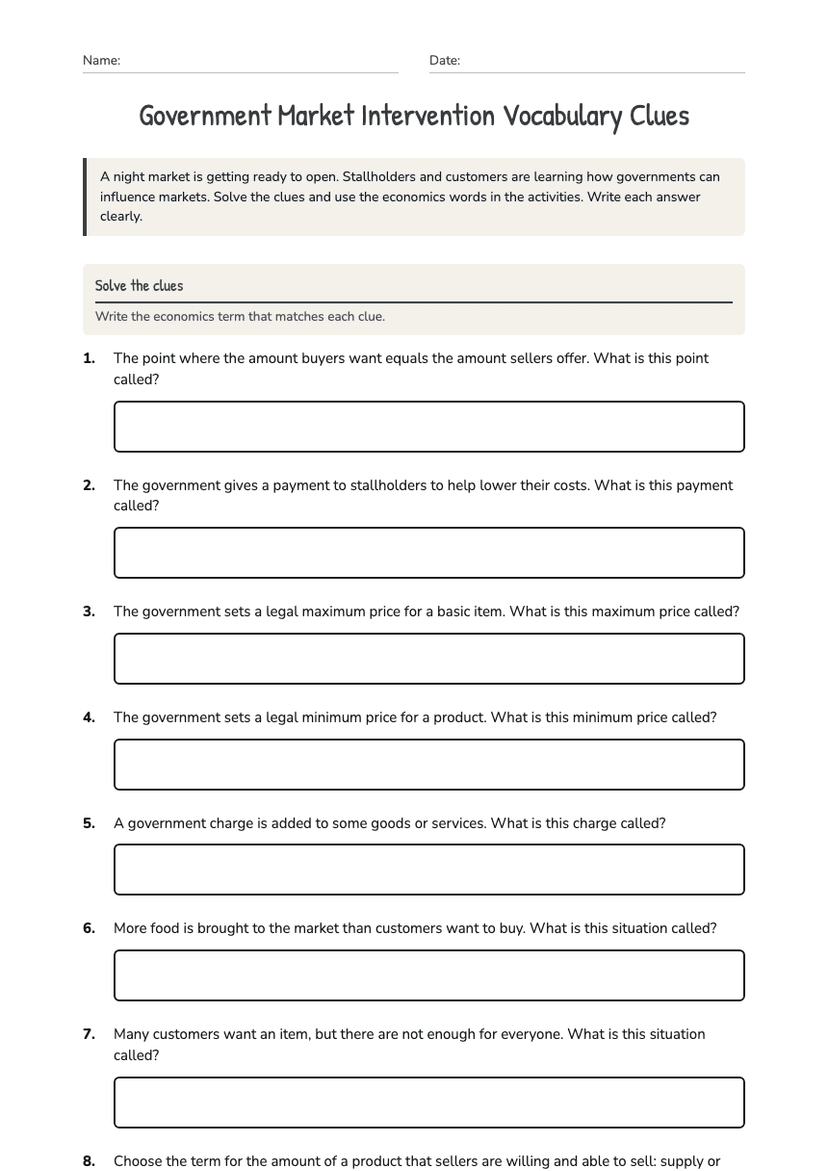
Government Market Intervention Vocabulary Clues
Free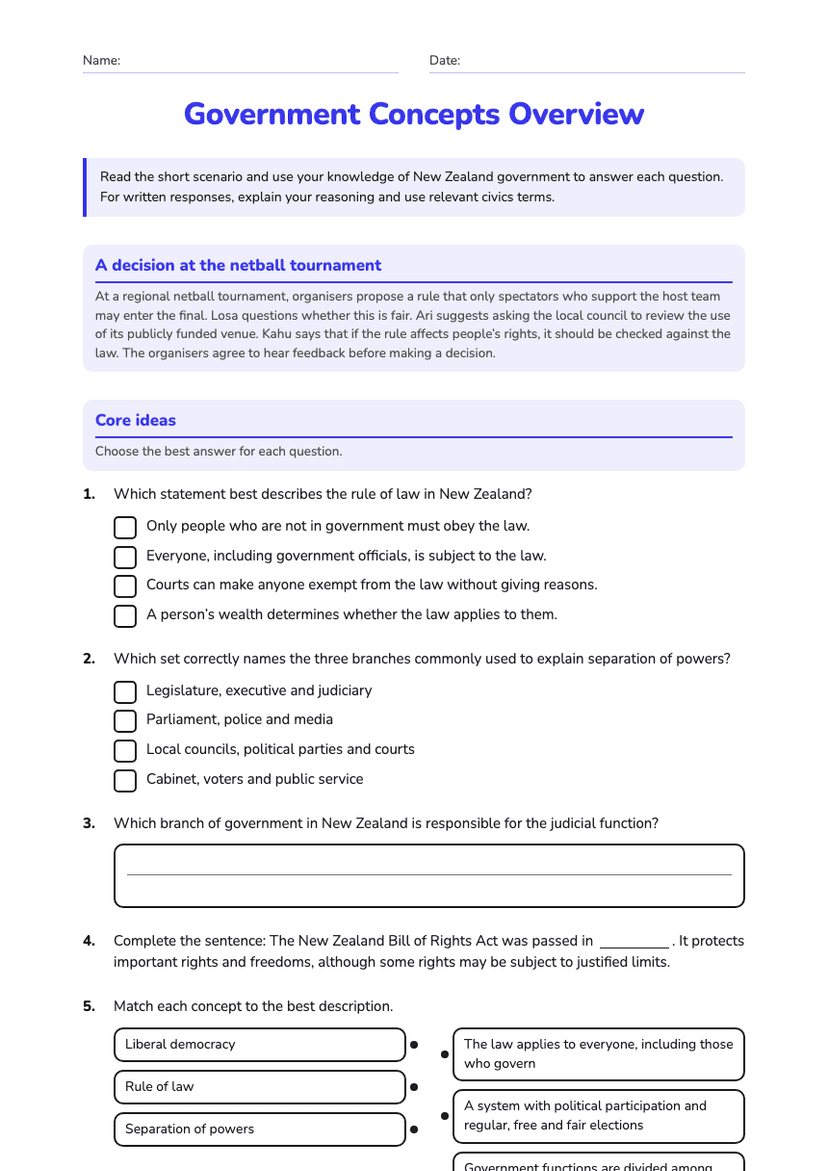
Government Concepts Overview
Free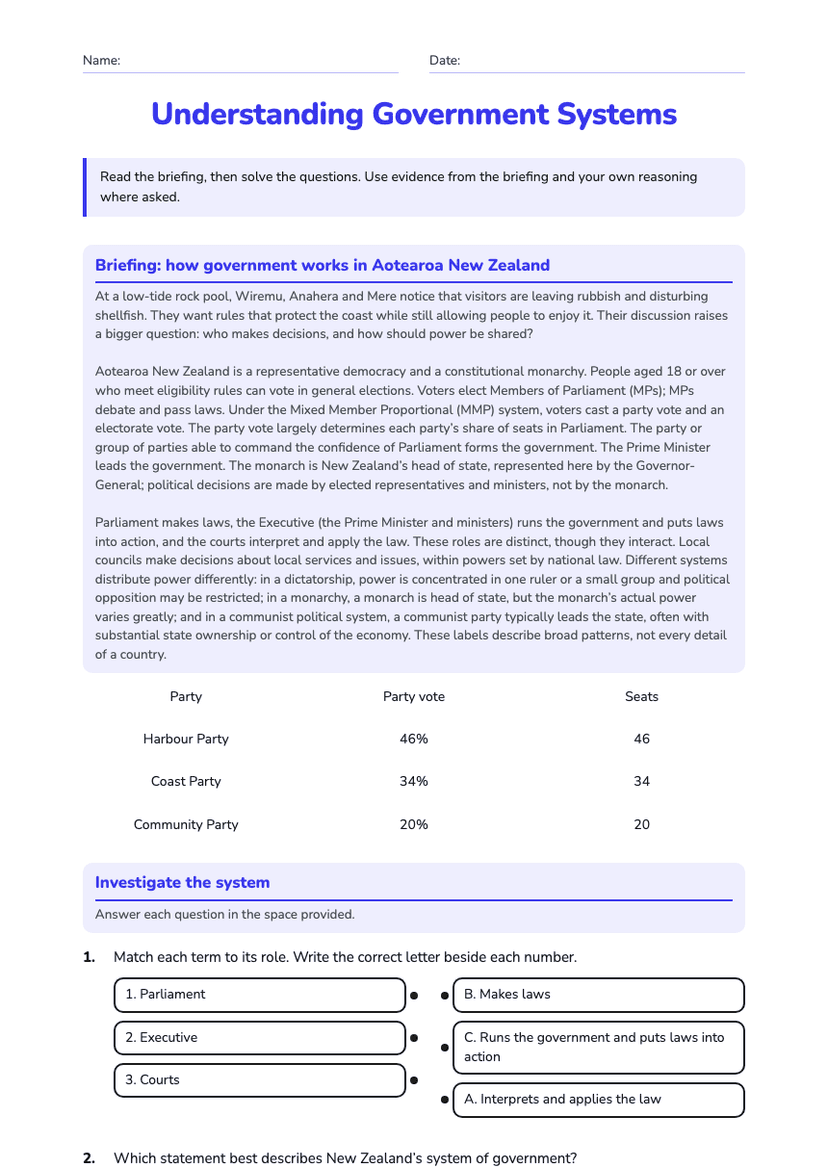
Understanding Government Systems
Free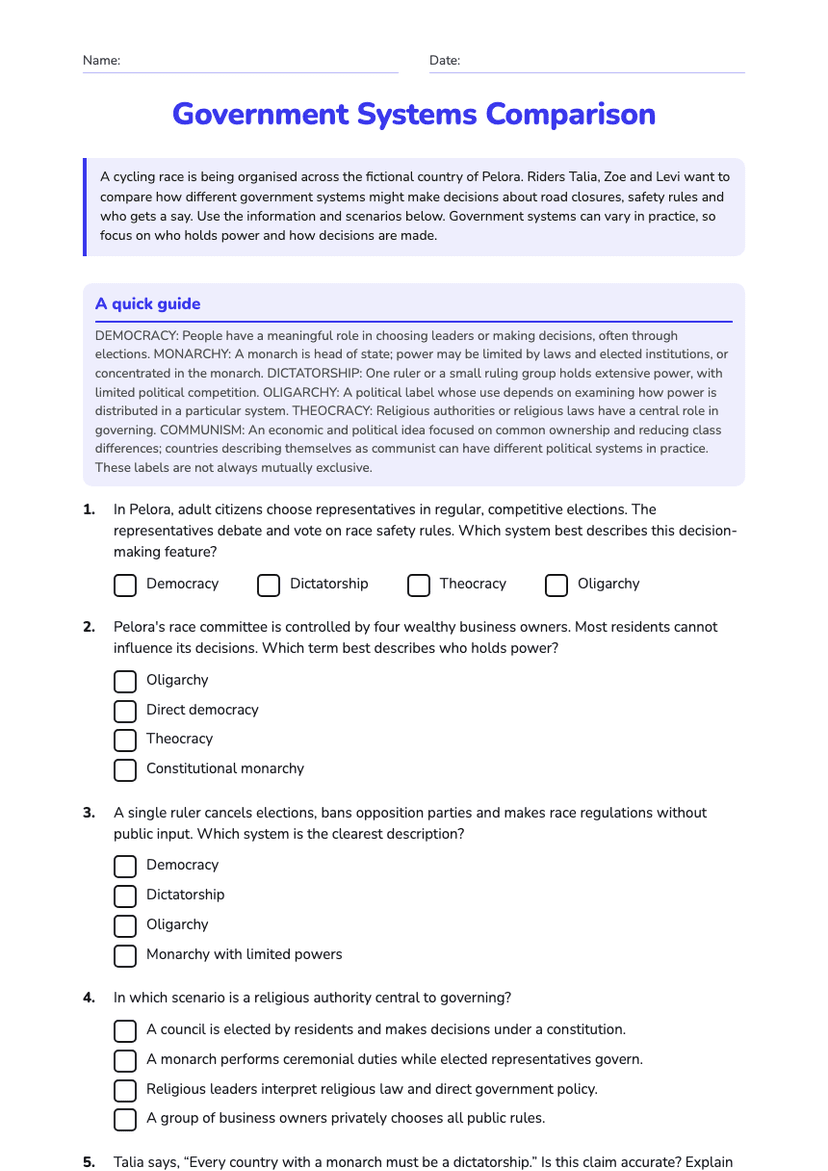
Government Systems Comparison
Free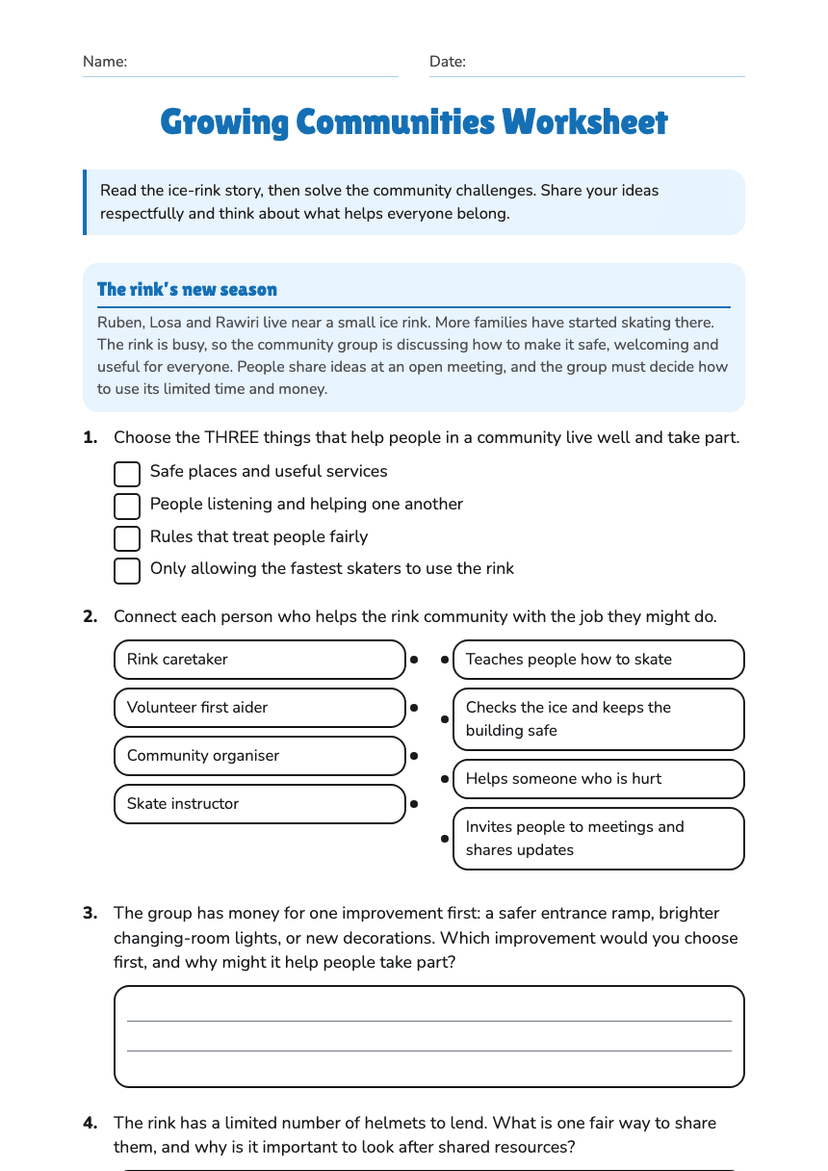
Growing Communities Worksheet
Free