Describing Safe Spaces
A free english worksheet ready for your classroom. Open in Kuraplan to grab the print-ready PDF, customize it for your students, or generate a fresh version in seconds.

Describing Safe Spaces
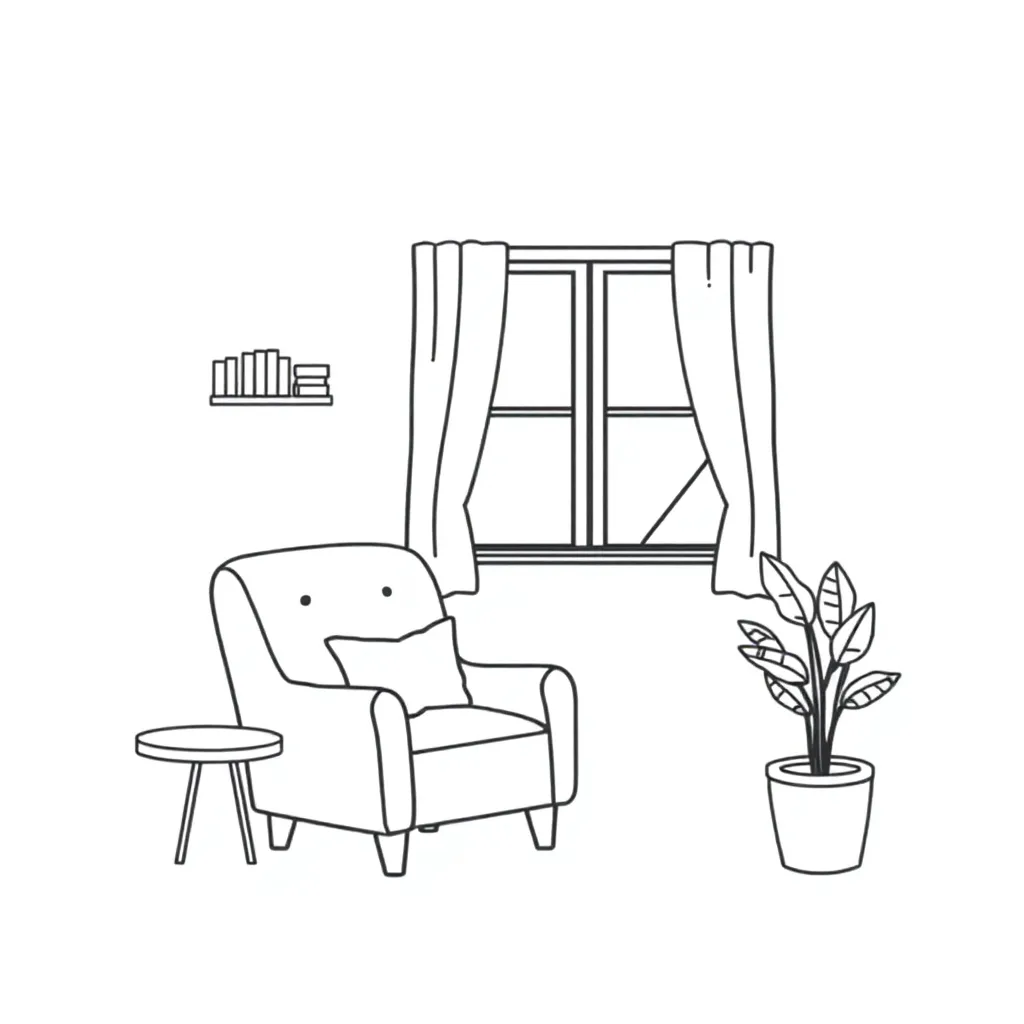
📚 Part 1: Understanding Safe Spaces
✏️ Part 2: Describing Your Safe Space
What I can see: ________________________________
What I can hear: ________________________________
What I can smell: ________________________________
What I can feel (touch): ________________________________
How it makes me feel emotionally: ________________________________
My safe space is like ________________________________________
because ________________________________________________
1. _________________ 2. _________________ 3. _________________
🎨 Part 3: Planning Your Descriptive Paragraph
Topic sentence (introduce your safe space):
Sensory details (what you see, hear, smell, feel):
Figurative language (simile/metaphor):
Concluding sentence (how this space makes you feel):
About This Worksheet
Free in Kuraplan
Sign up free, grab the PDF, and customize it for your class.
Print-Ready
Formatted for standard paper. Clean layout, easy to read.
AI-Generated
Created with Kuraplan's AI, designed for real classroom use.
For Teachers & Parents
Use in classrooms, for homework, tutoring, or homeschool.
Need a custom version of this worksheet?
Kuraplan's AI generates custom worksheets in seconds — differentiated for every learner, aligned to your curriculum.
Generate Custom Worksheets — FreeMore English Worksheets
Year 8 Writing Skills Workshop
Free
Alien Ecosystem Design Project
Free
Futuristic City Design Worksheet
Free
Gothic Writing Planning Guide
Free
Gothic Creative Writing Guide
Free
Mysterious House Exploration
Free
Fairy Tale Writing Workshop
Free