ScienceFreePrintable

Light and Photosynthesis Lab

A free science worksheet ready for your classroom. Open in Kuraplan to grab the print-ready PDF, customize it for your students, or generate a fresh version in seconds.

Light and Photosynthesis Lab worksheet preview
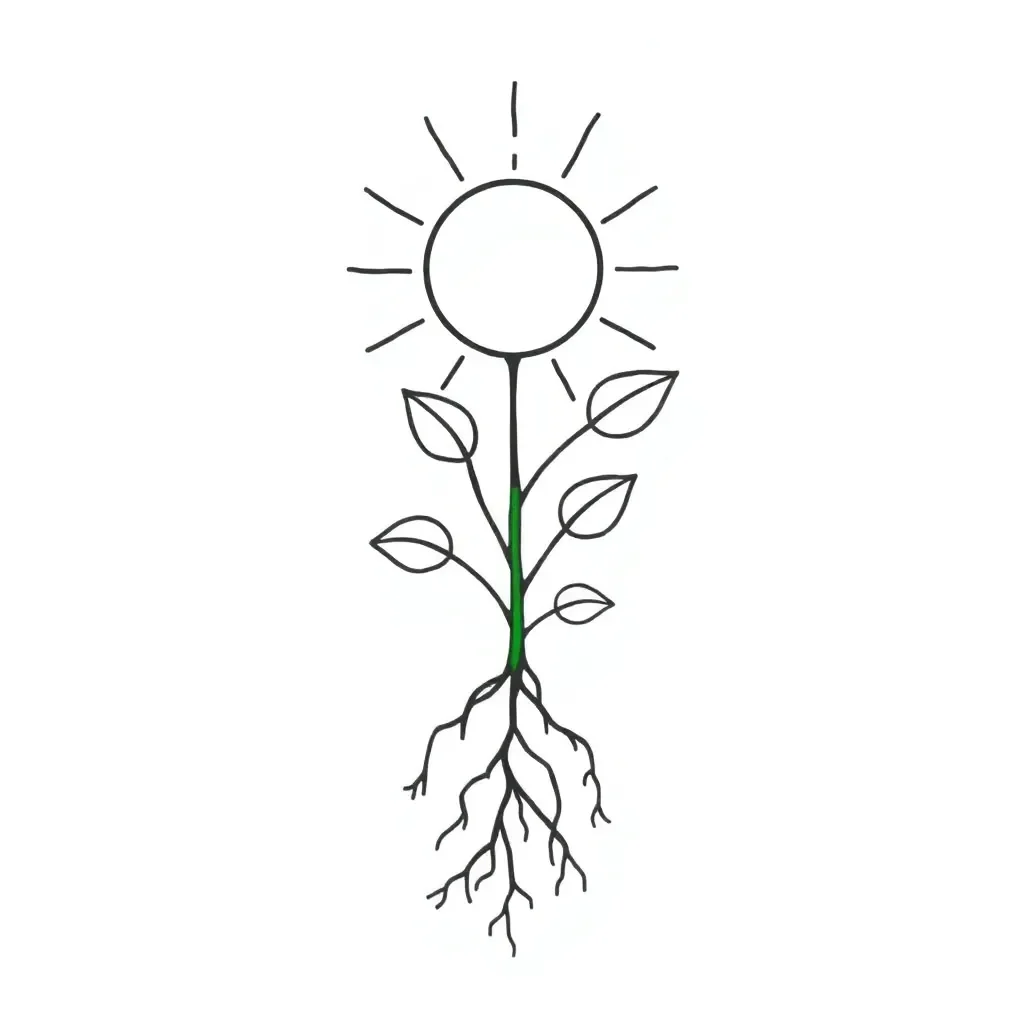
Light and Photosynthesis Lab

Worksheet illustration

🔬 Lab Overview & Goals

I can statements:

• I can design and carry out an experiment to test how light affects photosynthesis.

• I can collect and record data clearly and make a graph to show trends.

Success criteria:

• Follow steps safely and accurately. • Record bubble counts for two trials at each light level. • Create a simple line or bar graph of bubbles vs. light distance. • Explain results using scientific vocabulary.

Differentiation & supports:

• Dyslexia-friendly option: read instructions aloud and use large-print data table. • ELL support: sentence starters and key vocabulary provided. • Advanced students: design a follow-up test (color filters).

📚 Part 1: Multiple Choice & Matching (Choose one)

1. What is the best direct measure used in this lab to estimate the rate of photosynthesis?

Change in water temperature

Number of oxygen bubbles produced

pH of the water

2. Which factor is the independent variable in the experiment described?

Number of bubbles (dependent)

Distance from the light (independent)

Amount of water in the test tube

3. Check all statements that are true for maintaining a fair test:

Use the same species and size of plant for each trial

Change light distance and the CO2 source at the same time

Keep water temperature and baking soda amount the same

4. Match the term (left) with its correct description (right). Draw lines between columns.
A. Independent variable
B. Dependent variable
C. Control
1. The standard kept the same for all tests
2. Measured outcome (what you count)
3. The factor you change on purpose

✏️ Part 2: Short Responses & Data Work

5. Briefly describe the experimental procedure you would follow (2–3 steps):
6. A pair placed Elodea at 5 cm, 15 cm, and 30 cm from a lamp. Their average bubble counts in 2 minutes were 18, 9, and 3 respectively. Which distance gave the highest photosynthesis rate? Explain in one sentence.
7. Use the space below to sketch a simple graph (bubbles on the vertical axis, distance on the horizontal axis). Label axes and plot the three points from question 6.
8. Reflection: What is one possible source of error in this lab and one change you would make next time?

About This Worksheet

Free in Kuraplan

Sign up free, grab the PDF, and customize it for your class.

Print-Ready

Formatted for standard paper. Clean layout, easy to read.

AI-Generated

Created with Kuraplan's AI, designed for real classroom use.

For Teachers & Parents

Use in classrooms, for homework, tutoring, or homeschool.

Need a custom version of this worksheet?

Kuraplan's AI generates custom worksheets in seconds — differentiated for every learner, aligned to your curriculum.

Generate Custom Worksheets — Free
No credit card Curriculum-aligned Under 60 seconds