Debate Structure and Roles
A free english worksheet ready for your classroom. Open in Kuraplan to grab the print-ready PDF, customize it for your students, or generate a fresh version in seconds.
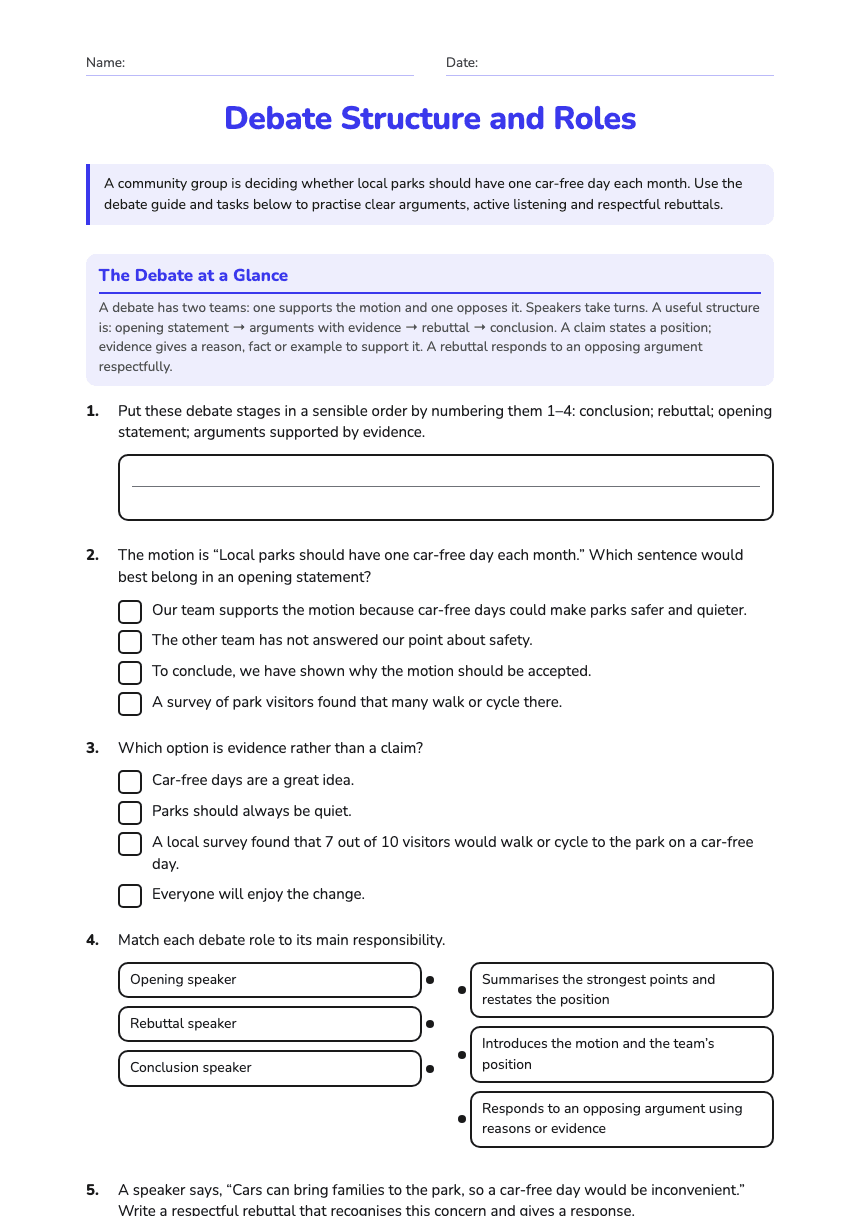
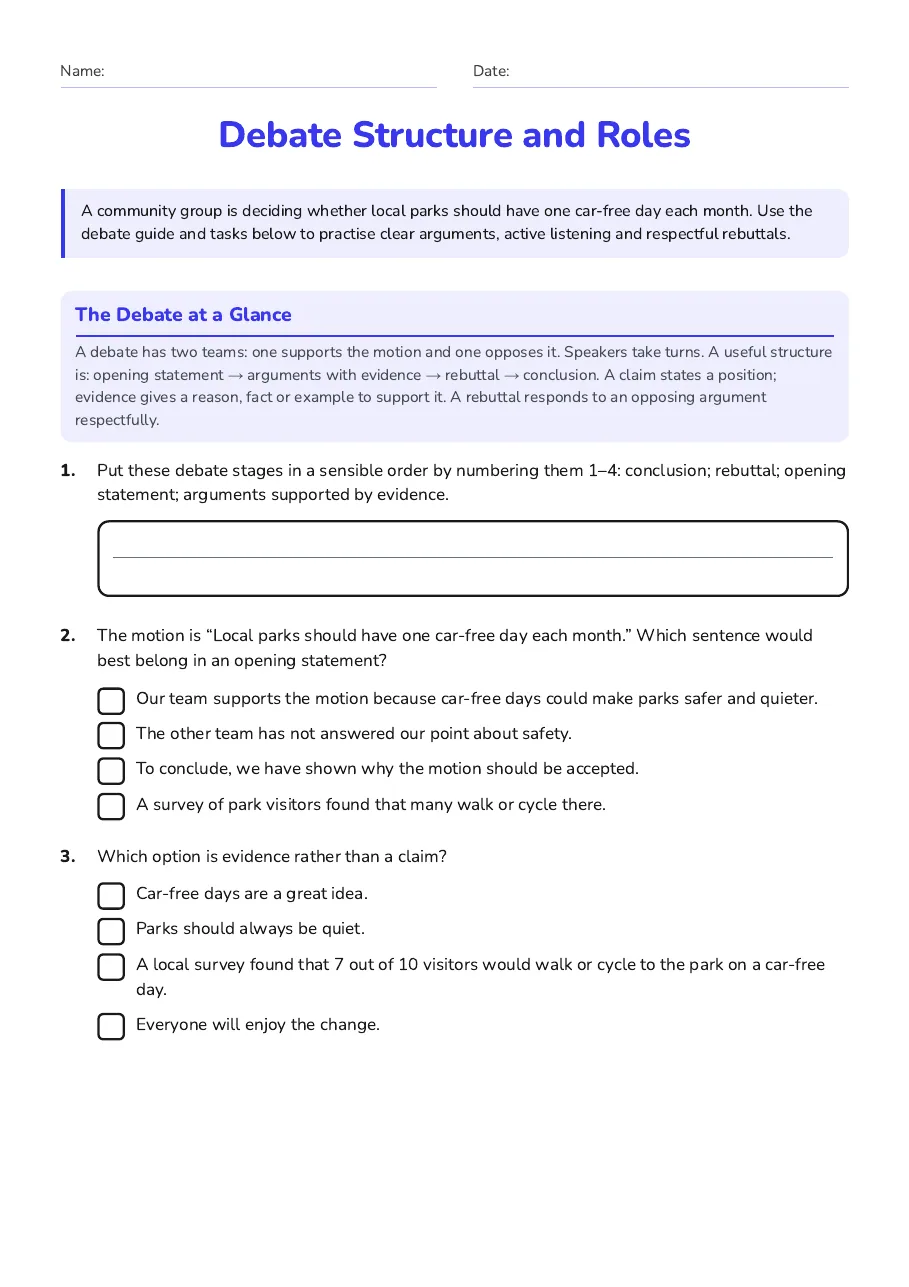
Debate Structure and Roles
The Debate at a Glance
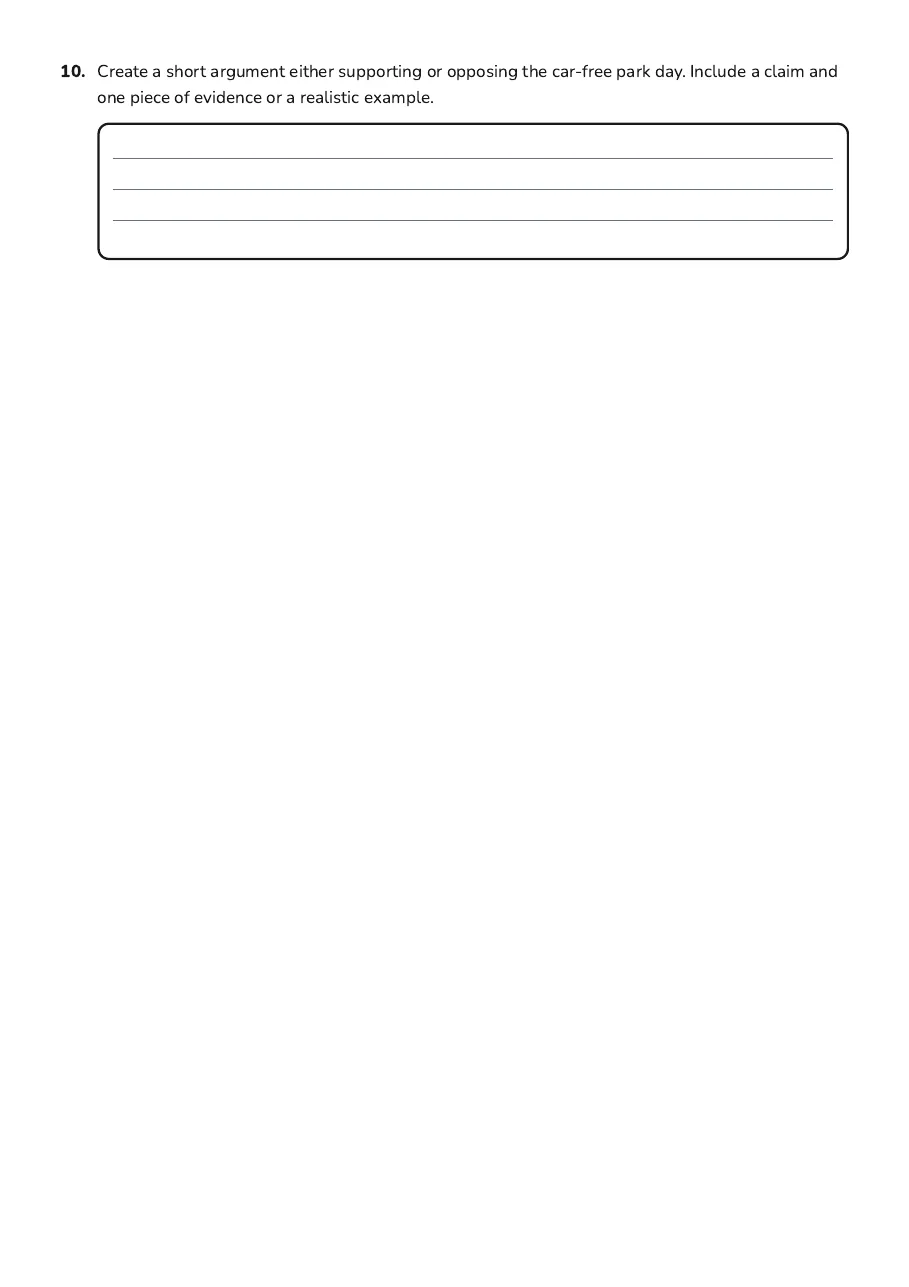
A debate has two teams: one supports the motion and one opposes it. Speakers take turns. A useful structure is: opening statement → arguments with evidence → rebuttal → conclusion. A claim states a position; evidence gives a reason, fact or example to support it. A rebuttal responds to an opposing argument respectfully.
- Our team supports the motion because car-free days could make parks safer and quieter.
- The other team has not answered our point about safety.
- To conclude, we have shown why the motion should be accepted.
- A survey of park visitors found that many walk or cycle there.
- Car-free days are a great idea.
- Parks should always be quiet.
- A local survey found that 7 out of 10 visitors would walk or cycle to the park on a car-free day.
- Everyone will enjoy the change.
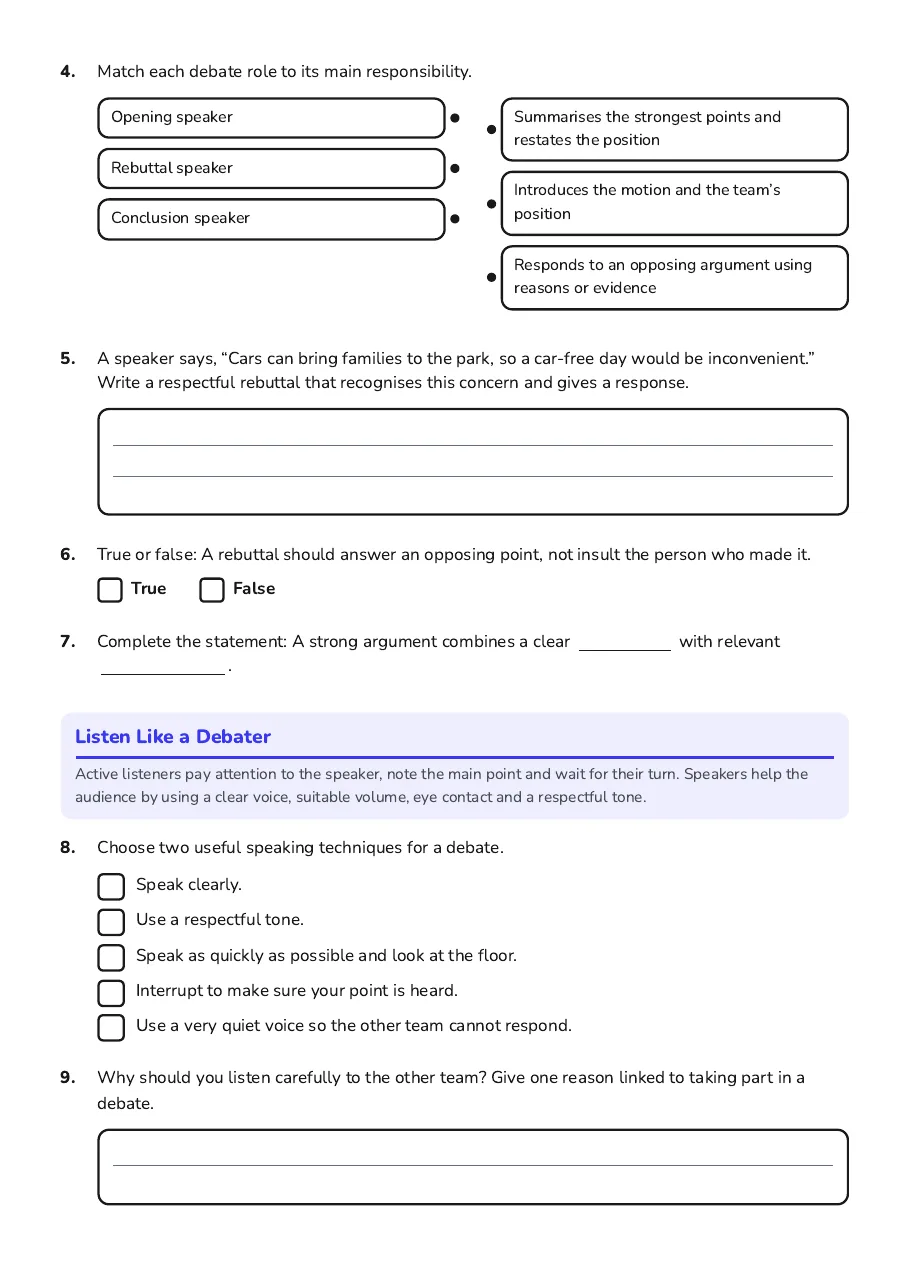
- Opening speaker
- Rebuttal speaker
- Conclusion speaker
- Summarises the strongest points and restates the position
- Introduces the motion and the team’s position
- Responds to an opposing argument using reasons or evidence
Listen Like a Debater
Active listeners pay attention to the speaker, note the main point and wait for their turn. Speakers help the audience by using a clear voice, suitable volume, eye contact and a respectful tone.
- Speak clearly.
- Use a respectful tone.
- Speak as quickly as possible and look at the floor.
- Interrupt to make sure your point is heard.
- Use a very quiet voice so the other team cannot respond.
3 printable pages
Page 1
Page 2
Page 3
About This Worksheet
Free in Kuraplan
Sign up free, grab the PDF, and customize it for your class.
Print-Ready
Formatted for standard paper. Clean layout, easy to read.
AI-Generated
Created with Kuraplan's AI, designed for real classroom use.
For Teachers & Parents
Use in classrooms, for homework, tutoring, or homeschool.
Need a custom version of this worksheet?
Kuraplan's AI generates custom worksheets in seconds — differentiated for every learner, aligned to your curriculum.
Generate Custom Worksheets — FreeMore English Worksheets
Interactive Communication Skills
Free
Speaking Skills Practice
Free
Debate Structure Card Sort
Free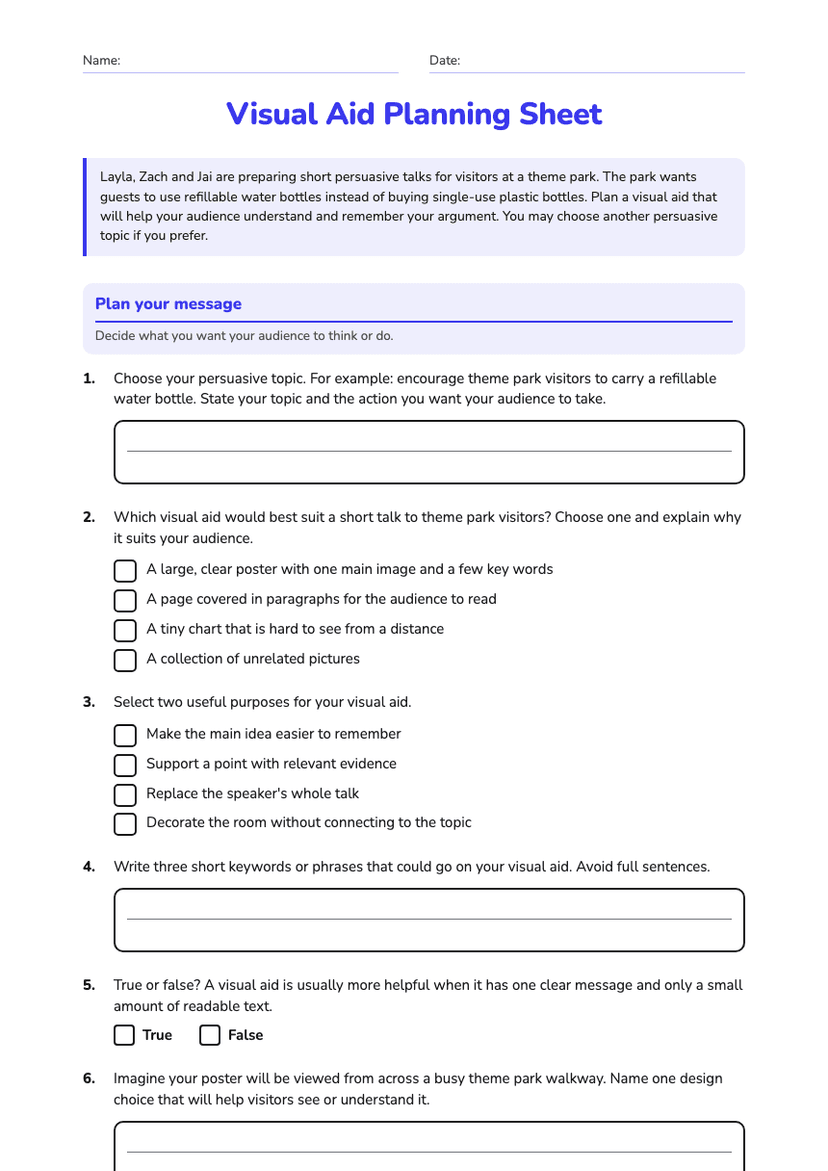
Visual Aid Planning Sheet
Free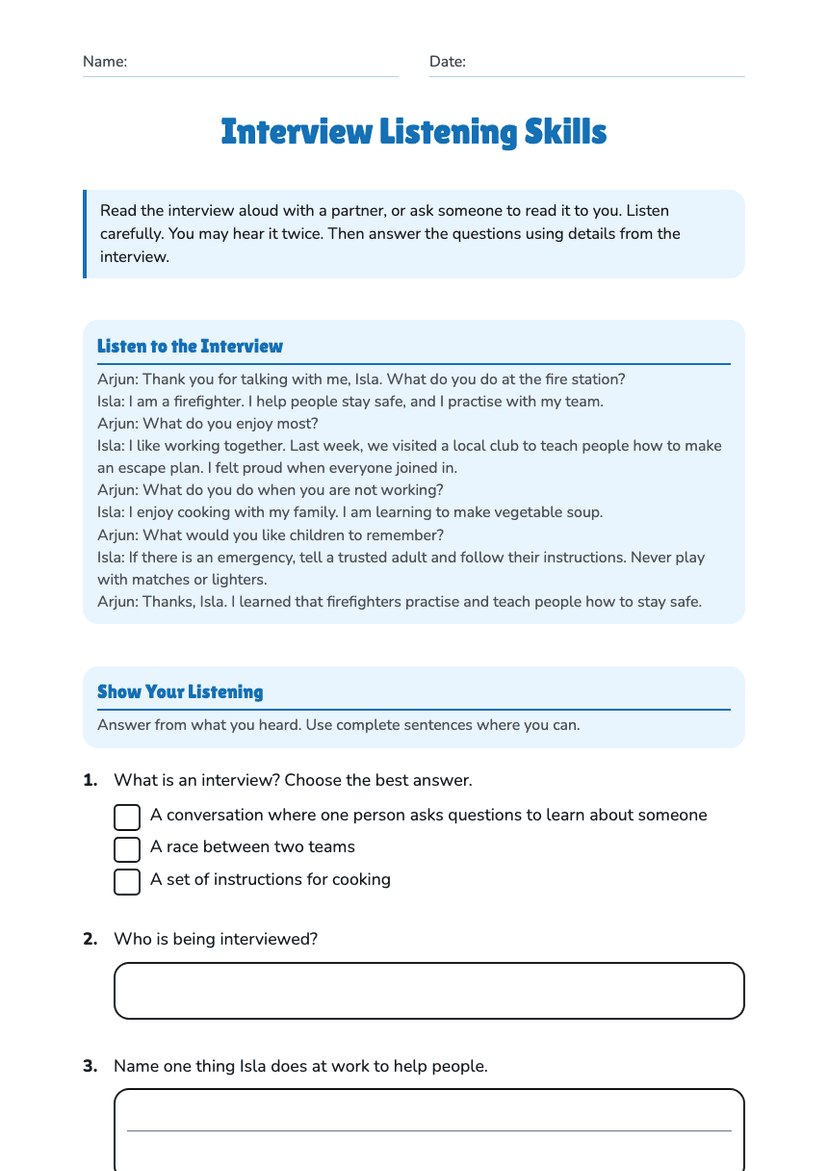
Interview Listening Skills
Free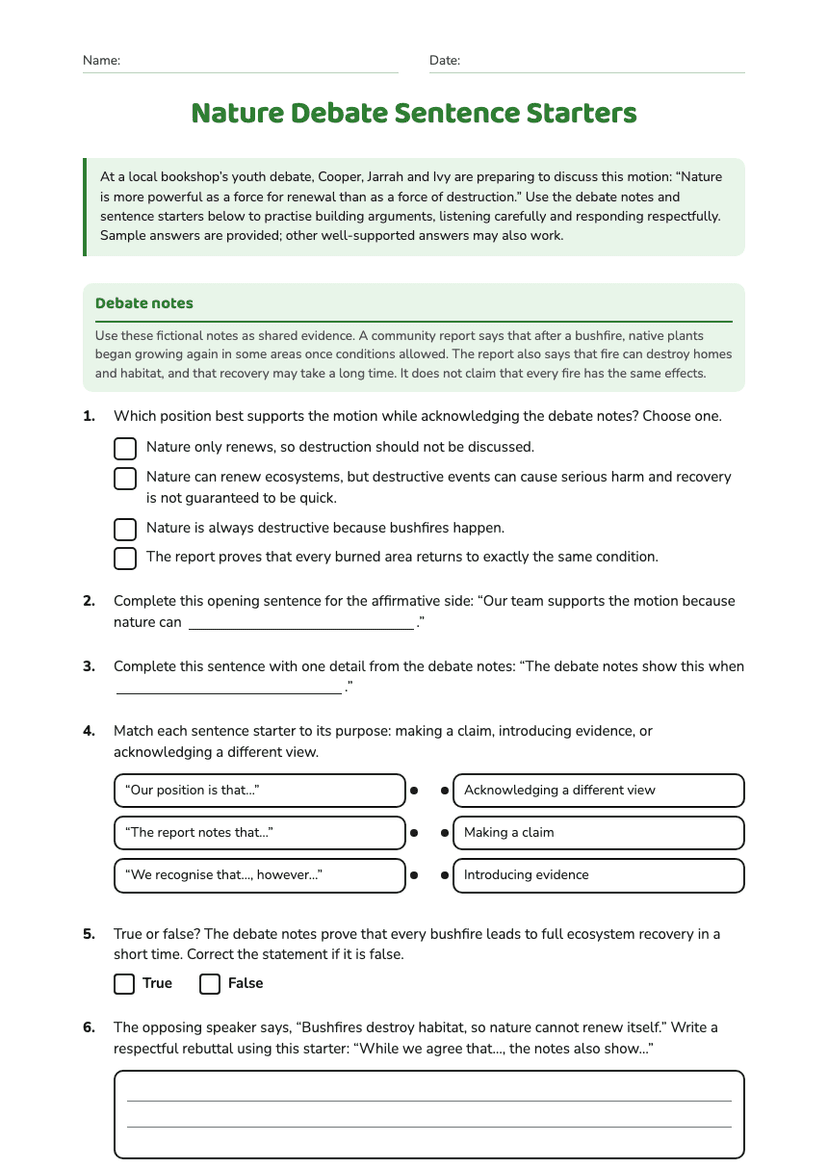
Nature Debate Sentence Starters
Free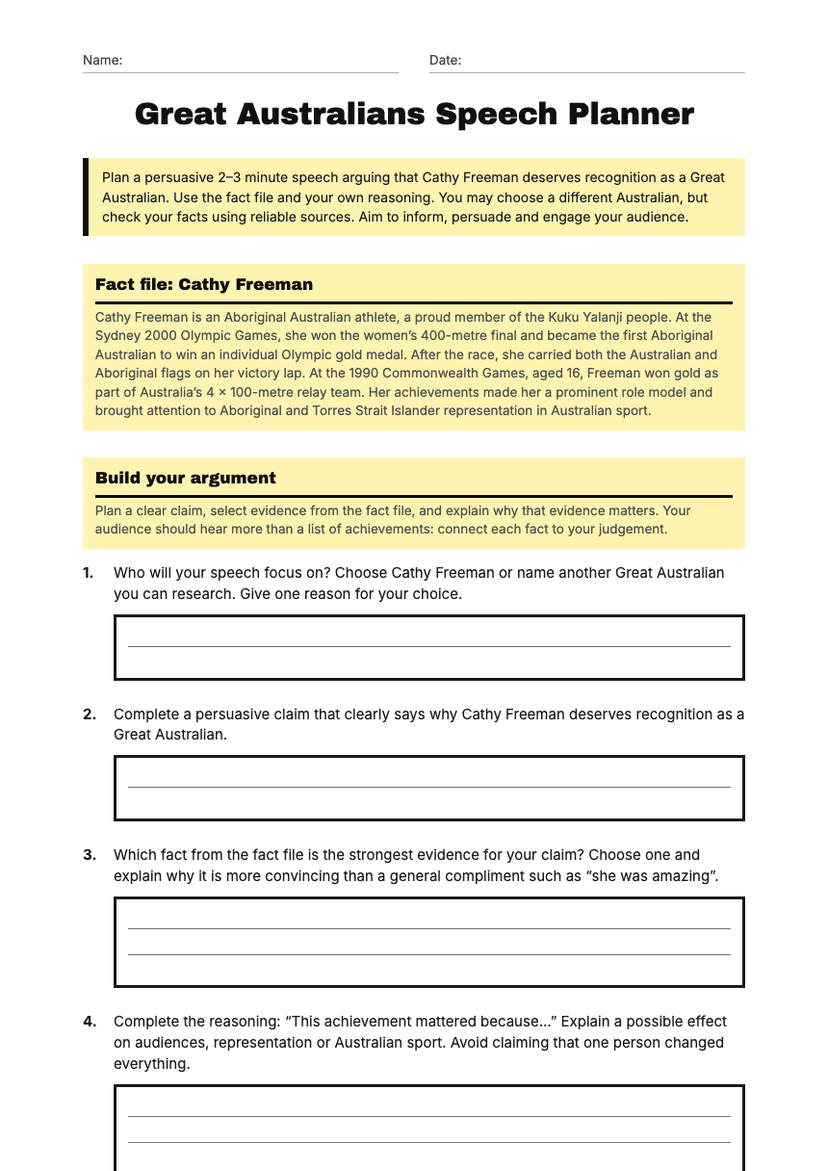
Great Australians Speech Planner
Free