Comparing Haka Styles
A free te reo māori worksheet ready for your classroom. Open in Kuraplan to grab the print-ready PDF, customize it for your students, or generate a fresh version in seconds.
Comparing Haka Styles
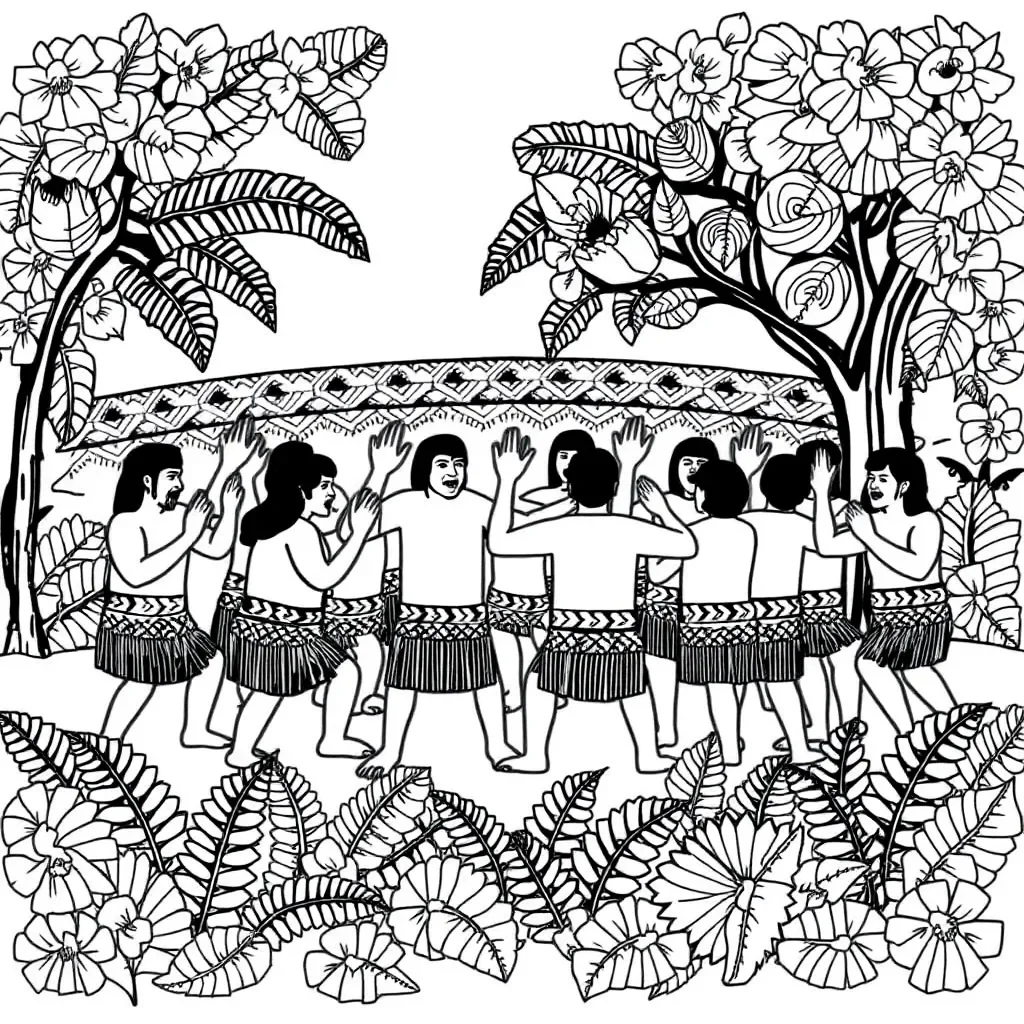
🎯 WALT: Compare different styles of haka
Success Criteria: I can identify distinct features of various haka styles and discuss differences in movements, posture, voice, and cultural context.
Part 1: Haka Style Features
Part 2: Haka Comparison Chart
Haka A: _________________________ Haka B: _________________________
Tūnga tangata (Posture):
Haka A: _________________________________________________________________
Haka B: _________________________________________________________________
Kanohi whakaatu (Facial expressions):
Haka A: _________________________________________________________________
Haka B: _________________________________________________________________
Reo/Waiata (Voice style):
Haka A: _________________________________________________________________
Haka B: _________________________________________________________________
Part 3: Cultural Context and Reflection
About This Worksheet
Free in Kuraplan
Sign up free, grab the PDF, and customize it for your class.
Print-Ready
Formatted for standard paper. Clean layout, easy to read.
AI-Generated
Created with Kuraplan's AI, designed for real classroom use.
For Teachers & Parents
Use in classrooms, for homework, tutoring, or homeschool.
Need a custom version of this worksheet?
Kuraplan's AI generates custom worksheets in seconds — differentiated for every learner, aligned to your curriculum.
Generate Custom Worksheets — Free