
Assessing Reading and Writing Difficulties
Chapter 5: Thomas Gunning Year 7 English Understanding Learning Challenges
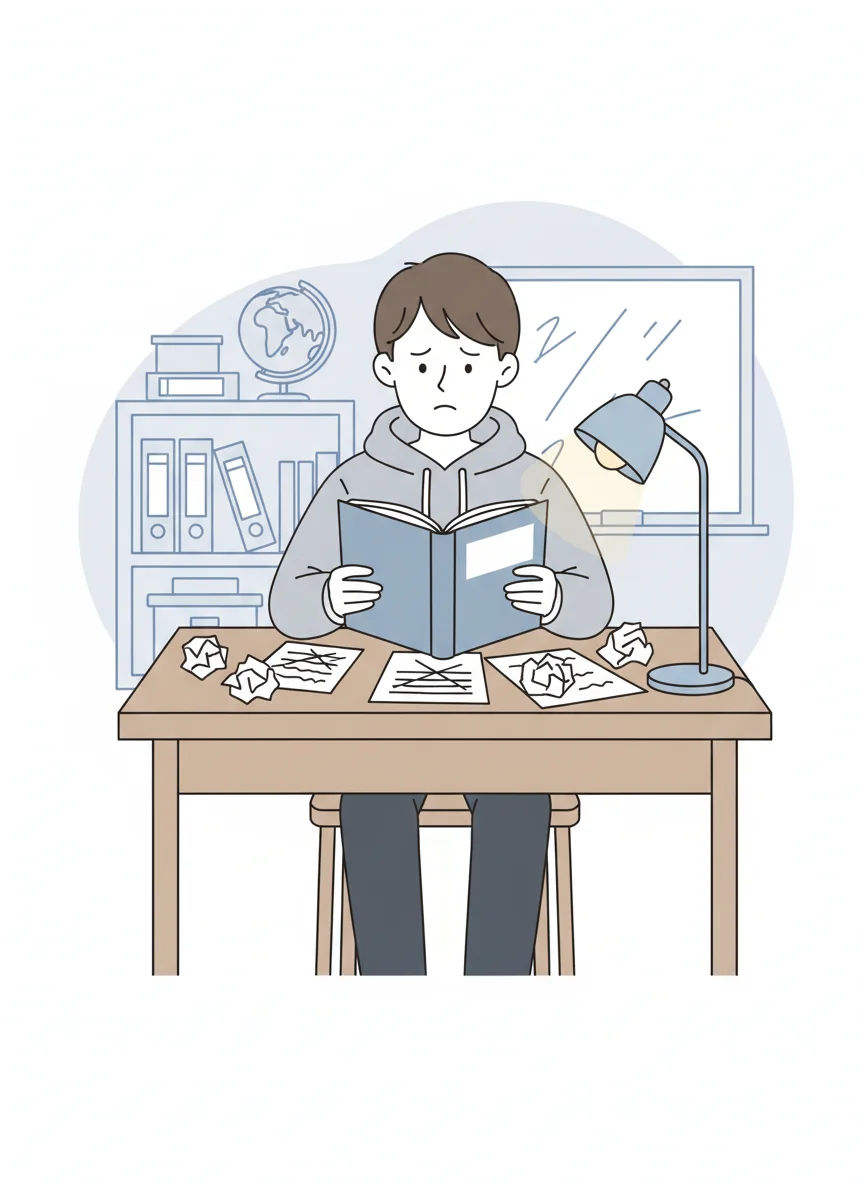
What Are Reading and Writing Difficulties?
Challenges in decoding words and understanding text Problems with spelling, grammar, and organizing ideas Difficulties that affect academic performance Can occur in students of all intelligence levels
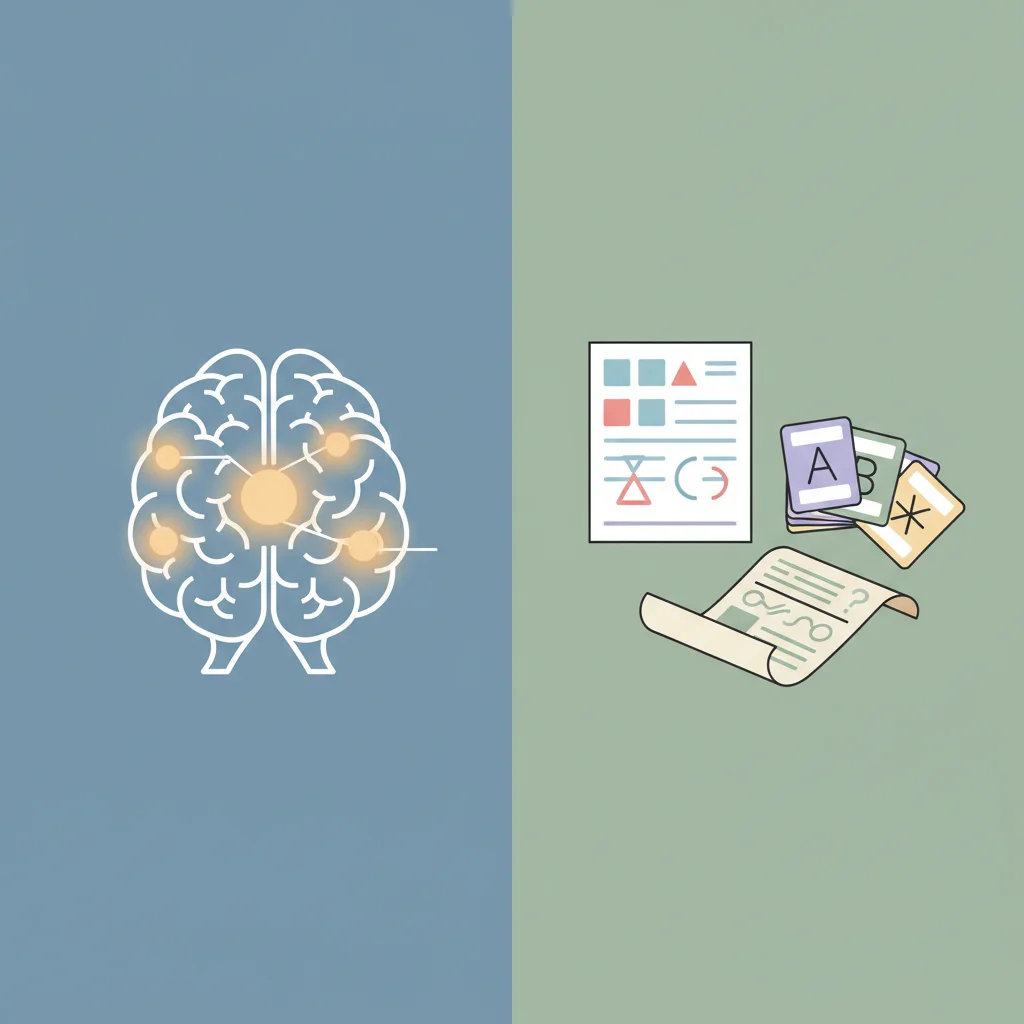
Types of Reading Difficulties
{"left":"Phonological processing problems\nFluency and speed issues\nVocabulary limitations\nComprehension challenges","right":"Word recognition difficulties\nDecoding unfamiliar words\nMemory and attention problems\nBackground knowledge gaps"}
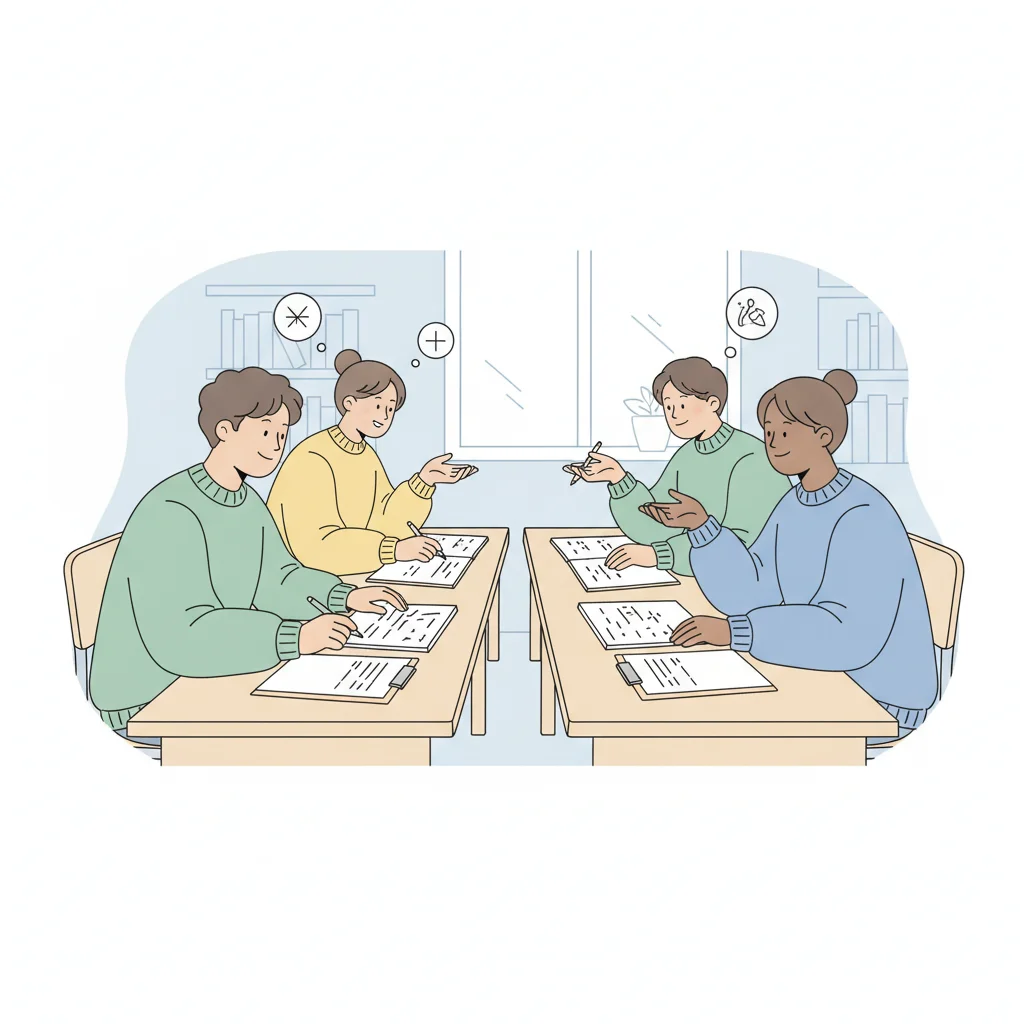
Identifying Reading Challenges
Read the paragraph provided Identify potential difficulty indicators Discuss what support might help Share observations with a partner
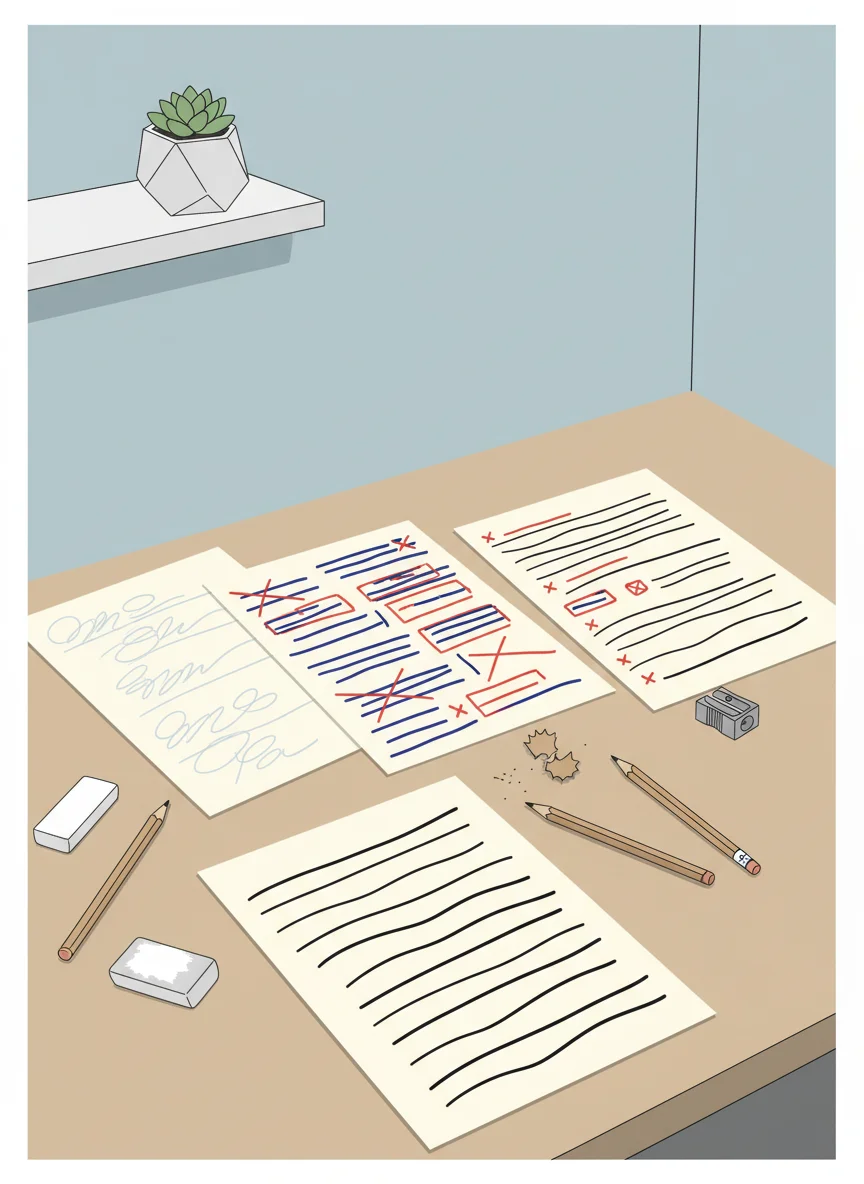
Common Writing Difficulties
Poor spelling and grammar Difficulty organizing ideas logically Limited vocabulary usage Trouble with sentence structure Challenges with editing and revising

Think and Discuss
How might reading difficulties affect a student's confidence in other subjects? What strategies could help support a classmate with writing challenges?
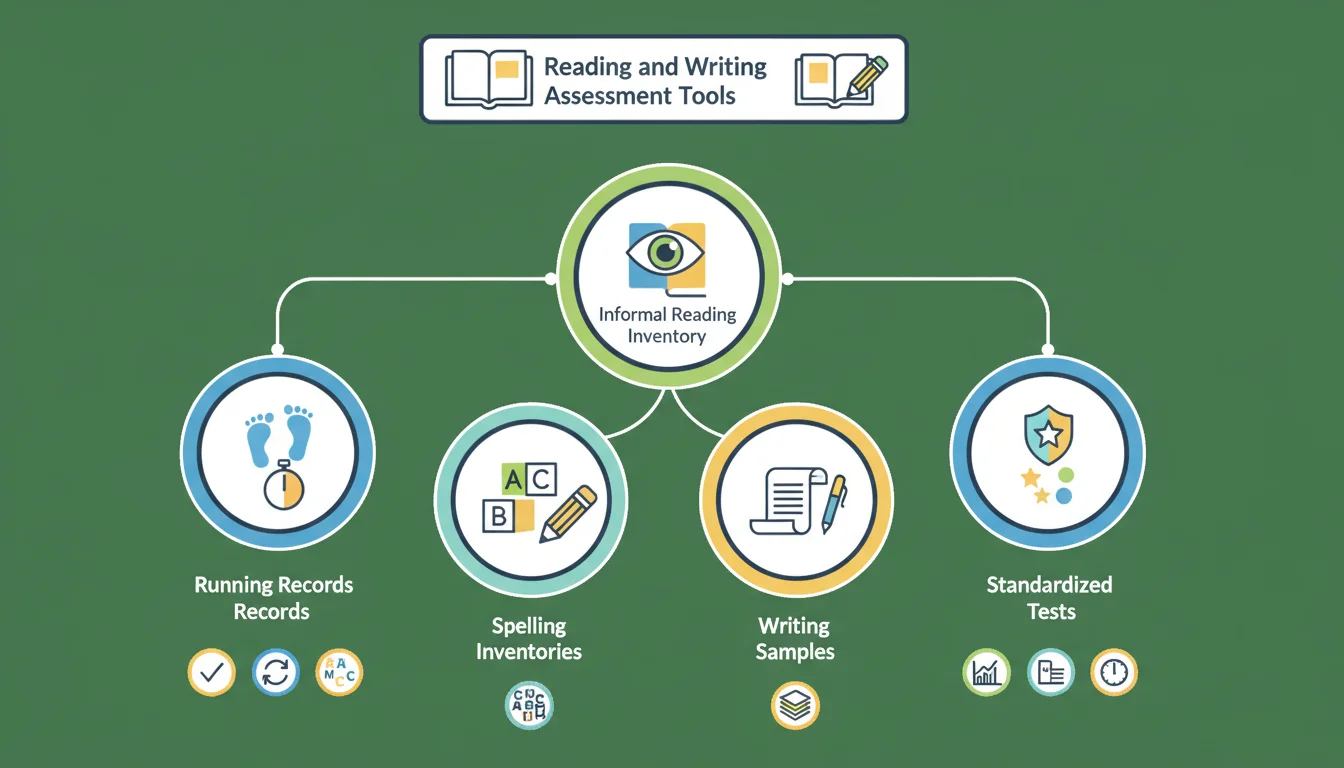
Assessment Tools and Methods

Supporting Students with Difficulties
Provide extra time for reading and writing tasks Use multi-sensory learning approaches Break complex tasks into smaller steps Offer alternative ways to demonstrate knowledge Create a supportive, non-judgmental environment

Remember This
"Every student can learn and succeed, but not on the same day or in the same way." - William G. Spady

Key Takeaways
Reading and writing difficulties are common and treatable Early identification leads to better outcomes Multiple assessment methods provide complete pictures Support strategies benefit all learners Understanding and empathy make a difference
More English slide decks
Other ready-to-teach english decks for US classrooms.


