
Butterfly Biology: Data-Driven Scientific Inquiry
Grade 11 Science 60-minute lesson Scientific inquiry and data analysis
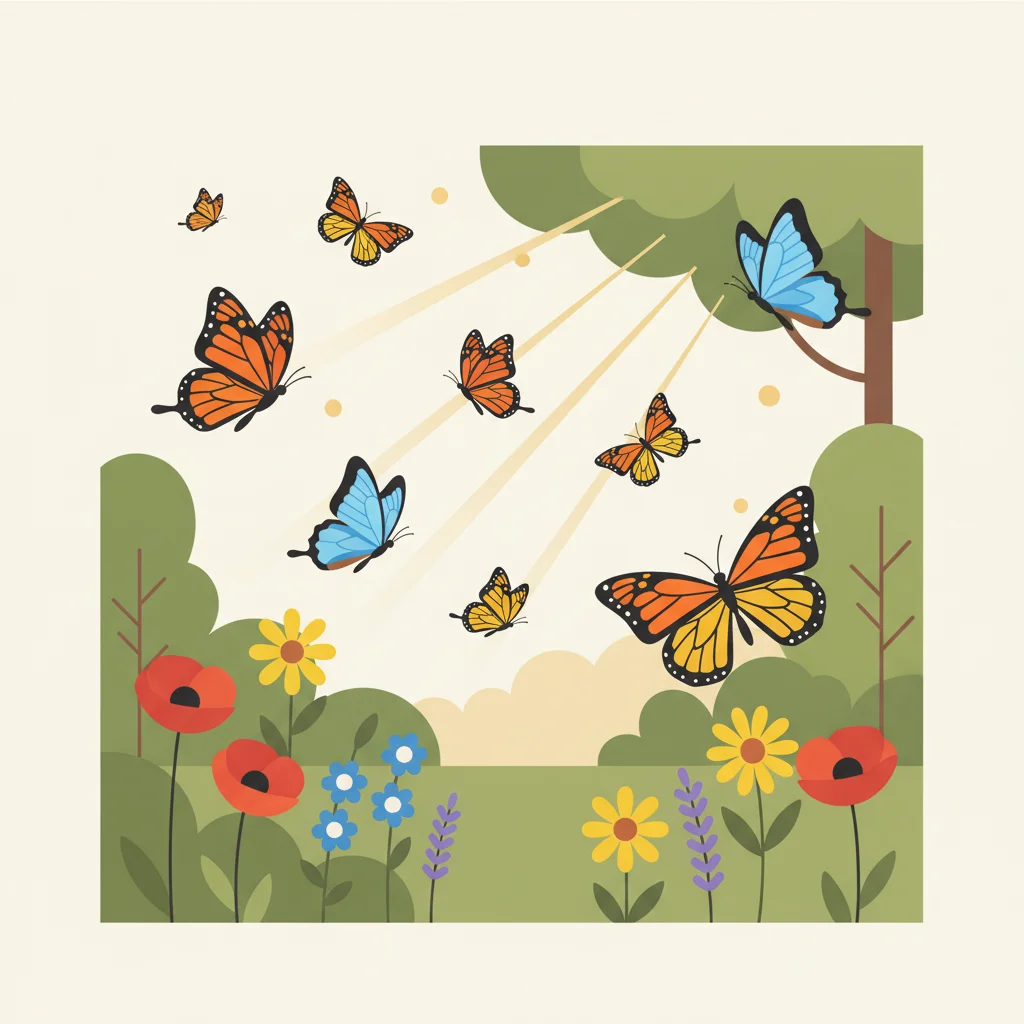
What Do You Already Know?
Think about butterflies you've observed What stages of development have you noticed? How might butterflies impact ecosystems? What questions do you have about butterfly biology?

Complete Metamorphosis: The Four Stages
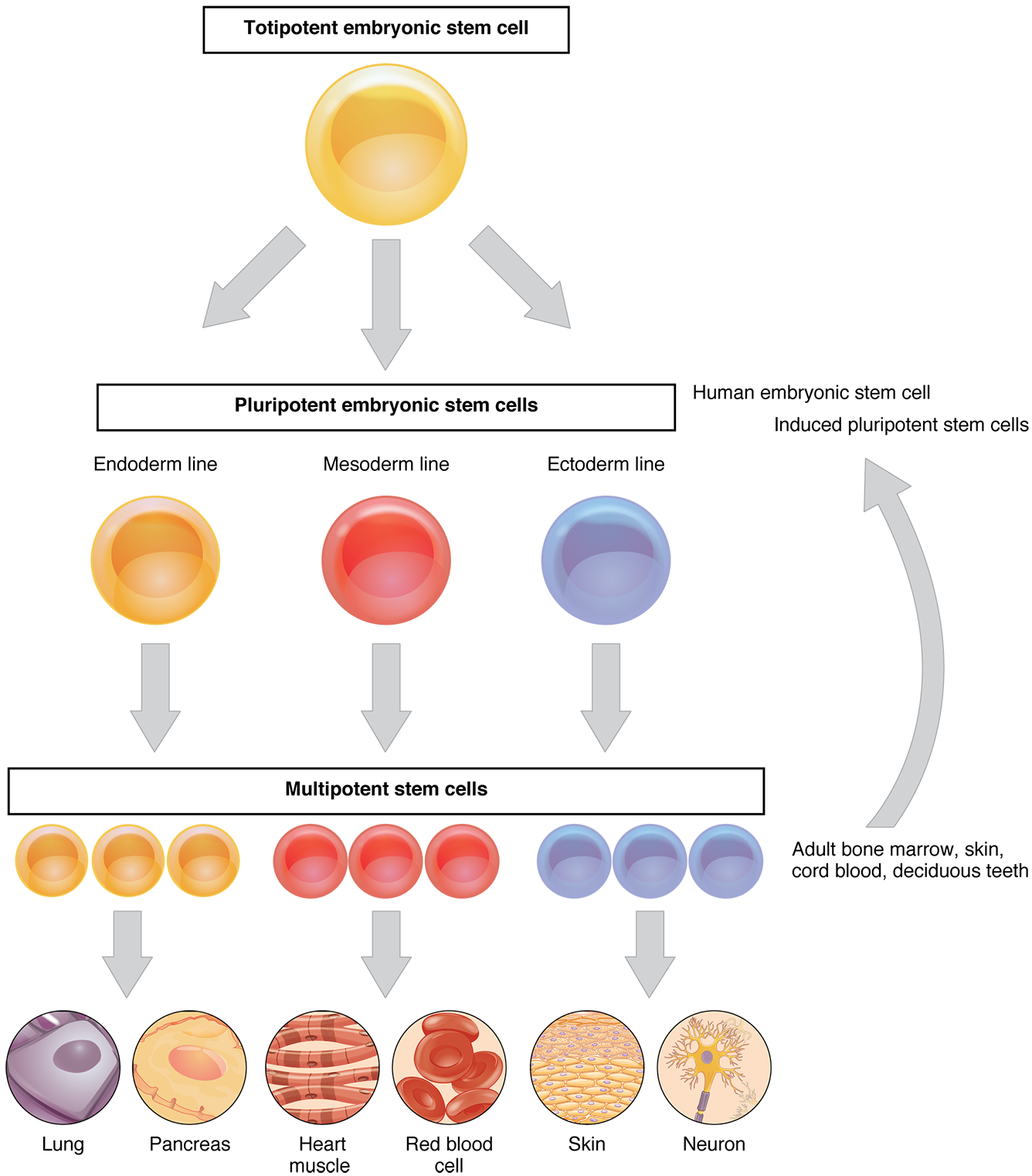
Cellular Biology of Metamorphosis
Cellular differentiation drives transformation Imaginal discs contain stem cells for adult structures Hormones regulate timing of each stage Programmed cell death removes larval tissues New cellular structures emerge during pupation

Data Analysis: Butterfly Population Trends
Work in pairs to analyze provided datasets Create dot plots or histograms of population data Compare butterfly populations across different habitats Identify factors affecting population changes Prepare findings for class discussion
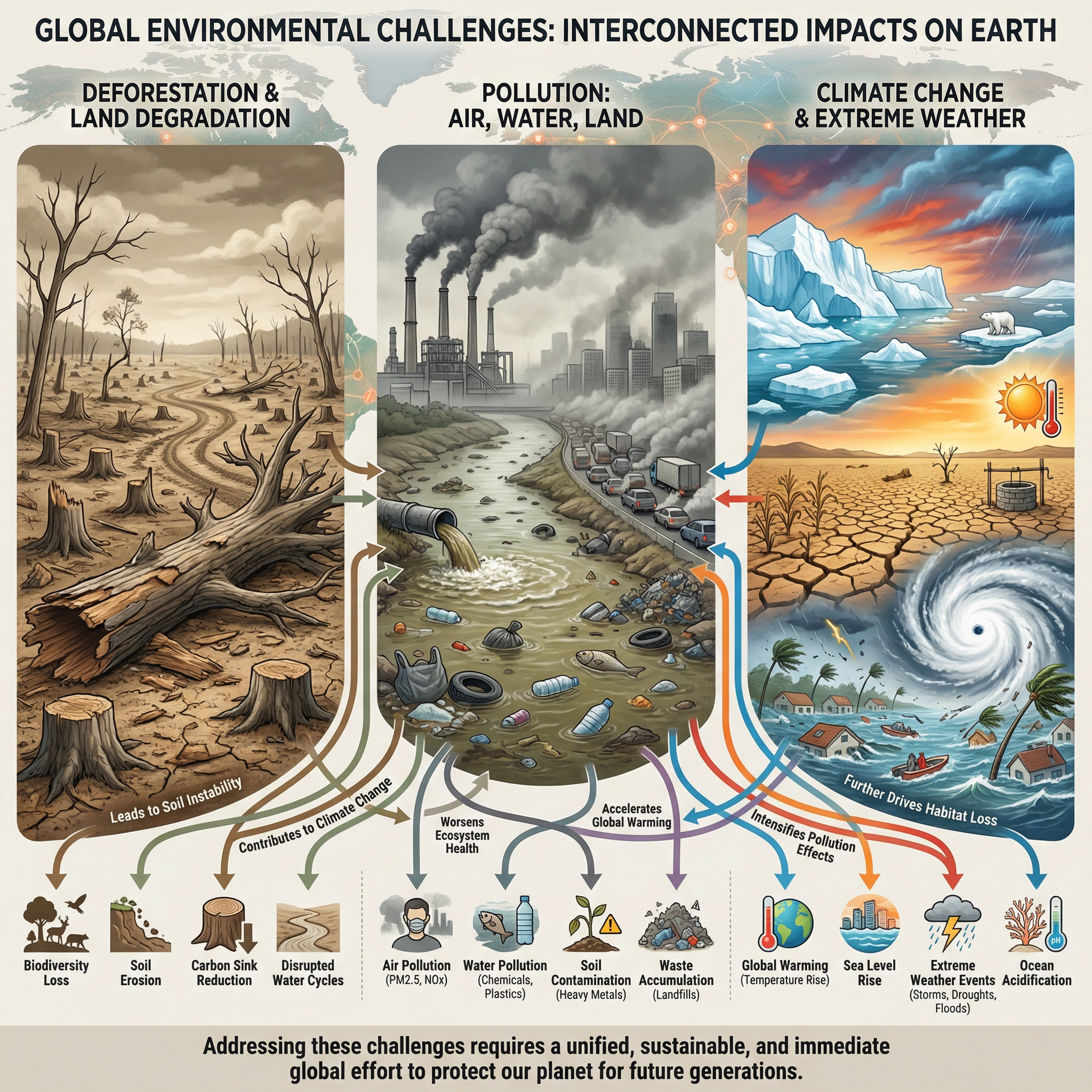
Environmental Factors Affecting Butterfly Populations
{"left":"Climate change altering migration patterns\nHabitat loss reducing breeding grounds\nPesticide use impacting food sources\nInvasive species competing for resources","right":"Temperature changes affecting development timing\nPollution reducing air and water quality\nUrban development fragmenting habitats\nConservation efforts showing positive results"}
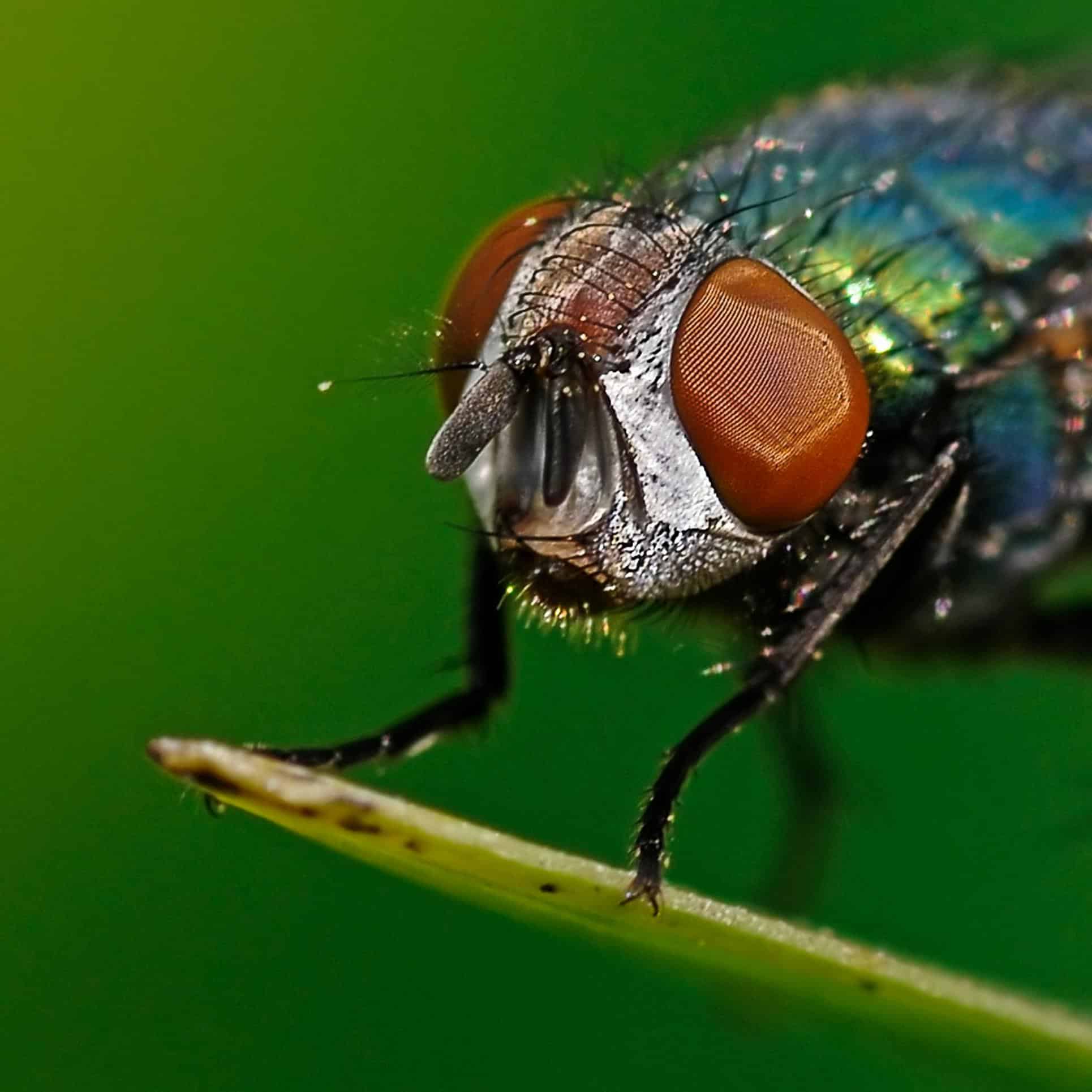
Scientific Inquiry in Action
"The best way to understand nature is through careful observation, data collection, and evidence-based conclusions." - Scientific Method Applied to Butterfly Research

Group Discussion: Ecosystem Connections
How do butterflies contribute to ecosystem health? What role do they play in pollination? How might their decline affect other species? What conservation strategies could be most effective? Support your ideas with data from your analysis

Conservation and Citizen Science
Monarch butterfly migration tracking programs Local habitat restoration projects Butterfly garden design principles Population monitoring through citizen science Climate change adaptation strategies Policy implications for habitat protection

Reflection and Assessment
Label the butterfly life cycle stages in correct order Interpret the data: Which habitat showed the highest butterfly diversity? Explain: Why is metamorphosis important biologically? How does understanding butterfly biology help us protect ecosystems?
More Science slide decks
Other ready-to-teach science decks for US classrooms.


