
Butterfly Life Cycle: Metamorphosis and Ecosystems
Understanding Nature's Most Beautiful Transformation 11th Grade Science 60-Minute Lesson

Learning Objectives
Describe the four stages of butterfly life cycle Analyze data on butterfly populations and habitats Connect metamorphosis to cellular differentiation Communicate scientific ideas through writing and discussion Understand butterflies' role in ecosystem health

Do Now: Prior Knowledge Check
Write one fact you know about butterflies on a sticky note Place your note on the correct life stage poster Add any questions you have about butterfly development We'll revisit these at the end of class

The Four Stages of Butterfly Life Cycle
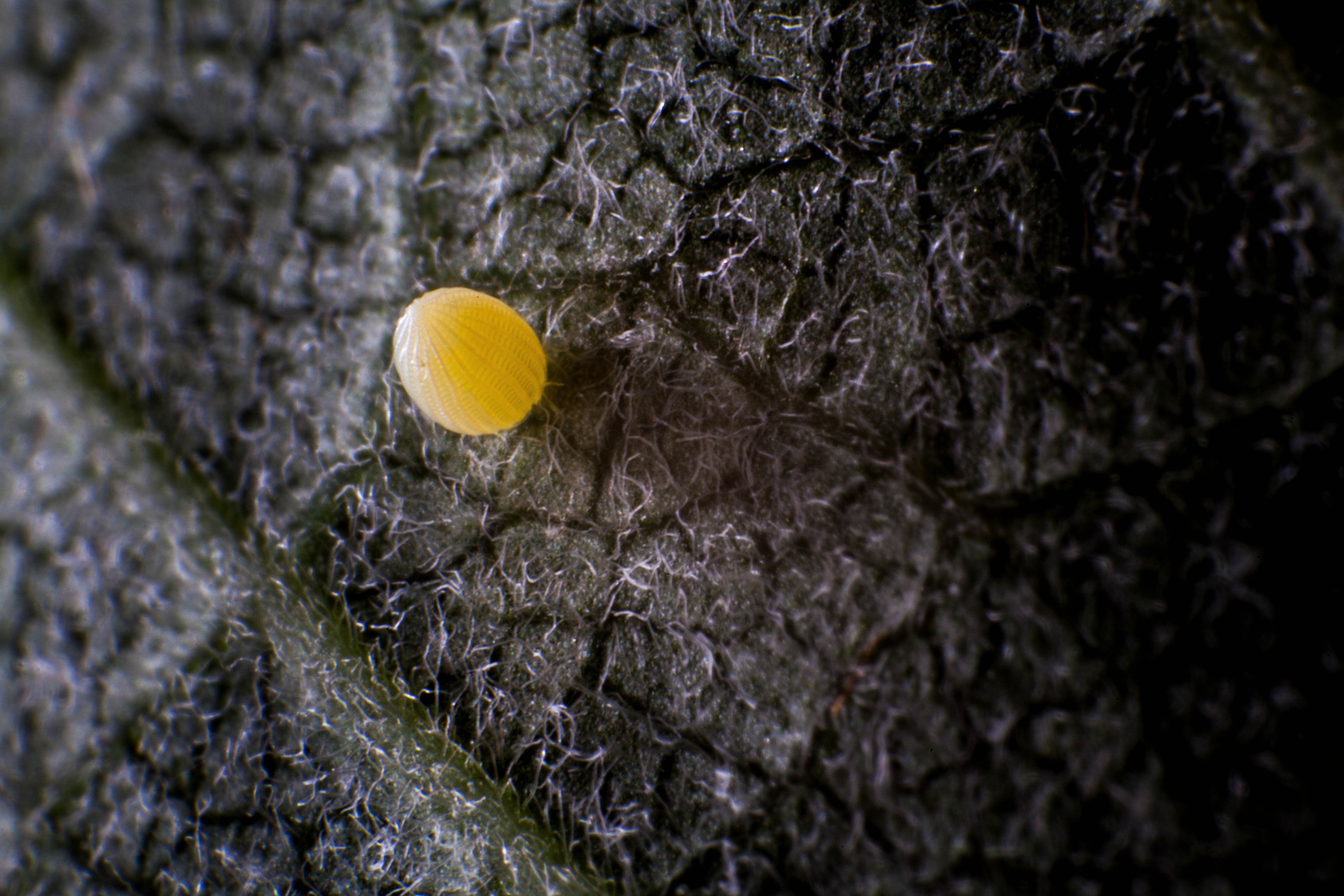
Stage 1: Egg (Ovum)
Female butterfly lays eggs on host plants Eggs are tiny, round or oval shaped Duration: 3-7 days depending on species Embryonic development occurs inside Cellular division and early differentiation begin
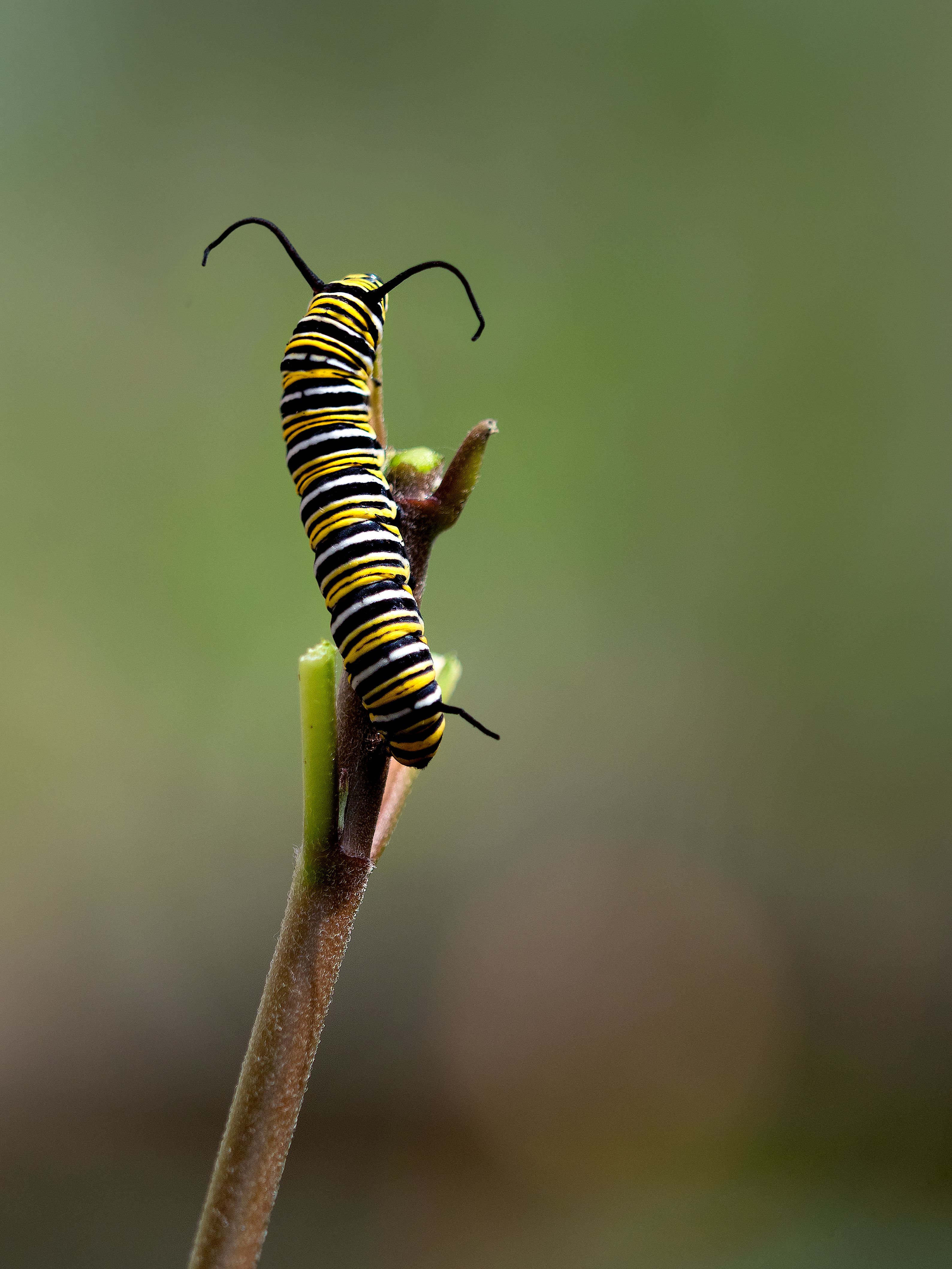
Stage 2: Larva (Caterpillar)
Primary job is to eat and grow rapidly Molts 4-5 times as it outgrows its skin Increases body weight by thousands of times Stores energy for metamorphosis Can last 2-5 weeks
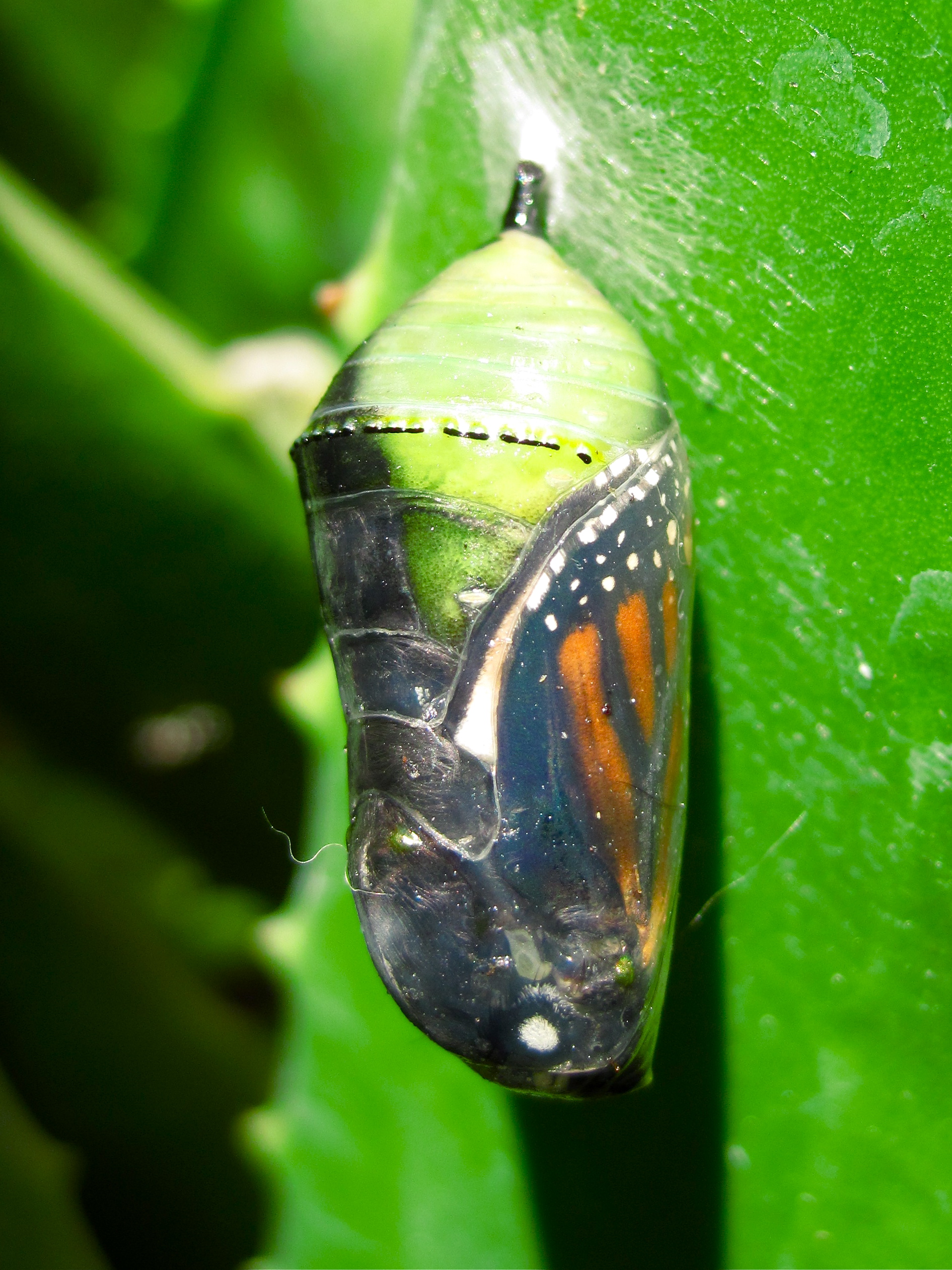
Stage 3: Pupa (Chrysalis)
Caterpillar forms protective casing Most dramatic cellular changes occur here Tissues break down and reorganize completely Wings, reproductive organs, and adult features develop Lasts 1-2 weeks

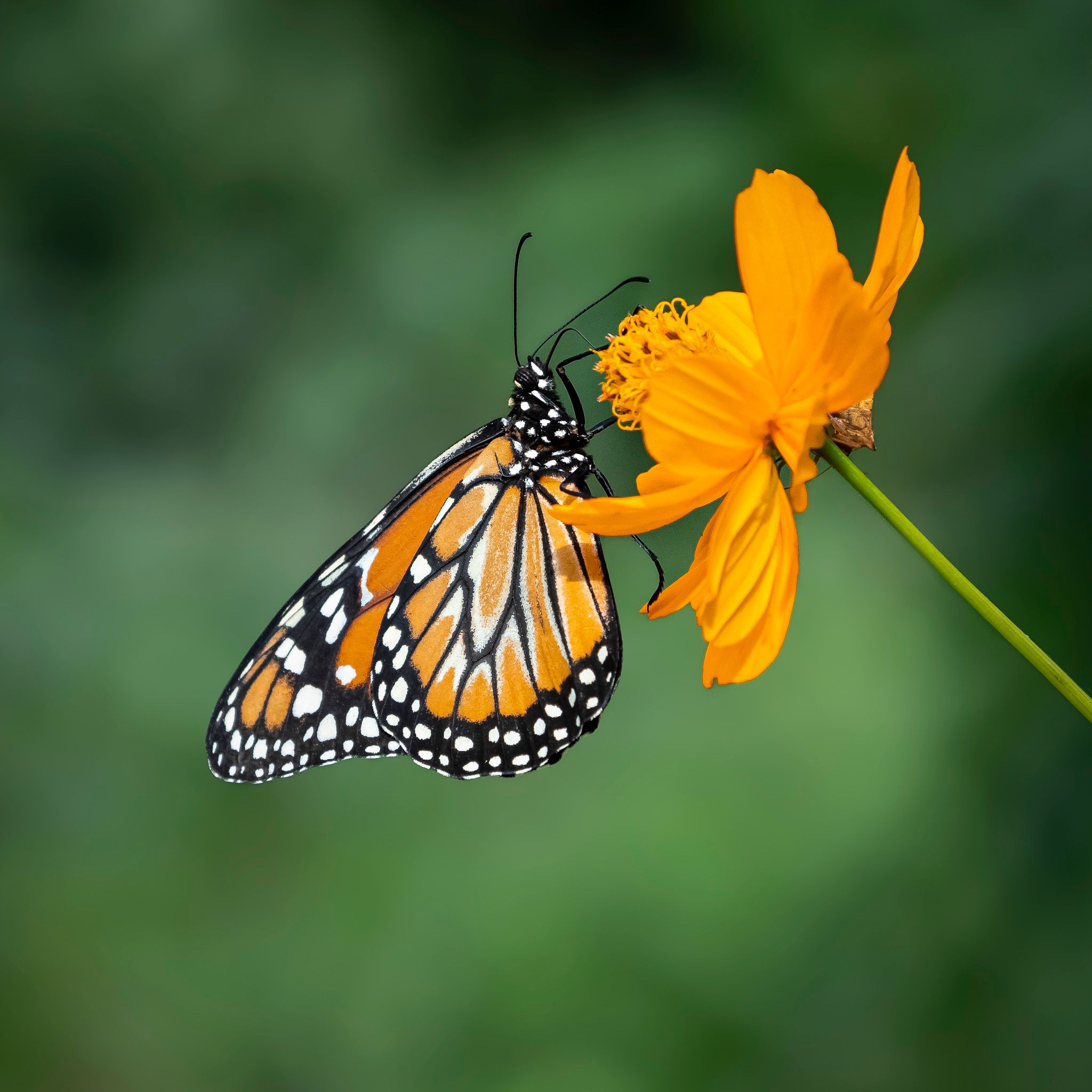
Stage 4: Adult Butterfly
Emerges with soft, folded wings Pumps fluid into wings to expand them Primary goals: mating and reproduction Feeds on nectar, becomes important pollinator Lifespan varies from weeks to months

Data Analysis: Butterfly Populations
Work in pairs with provided datasets Create dot plots or histograms of population data Compare butterfly numbers across different habitats Identify factors affecting survival rates Prepare to share findings with class
Butterflies and Ecosystem Health
{"left":"Pollinators for flowering plants\nFood source for birds and spiders\nIndicators of environmental quality\nSupport biodiversity in food webs","right":"Climate change affects migration patterns\nHabitat loss reduces populations\nPesticides harm development\nConservation efforts help recovery"}

Discussion Question
How does understanding the butterfly life cycle help us protect ecosystems? Use evidence from your data analysis to support your answer Consider the connections between metamorphosis, biodiversity, and environmental health
Summary and Next Steps
Complete metamorphosis involves four distinct stages Cellular differentiation creates adult structures Butterflies are crucial ecosystem indicators Data helps us understand population trends Conservation requires understanding life cycles Extension: Join local citizen science projects
More Science slide decks
Other ready-to-teach science decks for US classrooms.


