Mouse Inquiry Mind Map
A free english worksheet ready for your classroom. Open in Kuraplan to grab the print-ready PDF, customize it for your students, or generate a fresh version in seconds.
Mouse Inquiry Mind Map
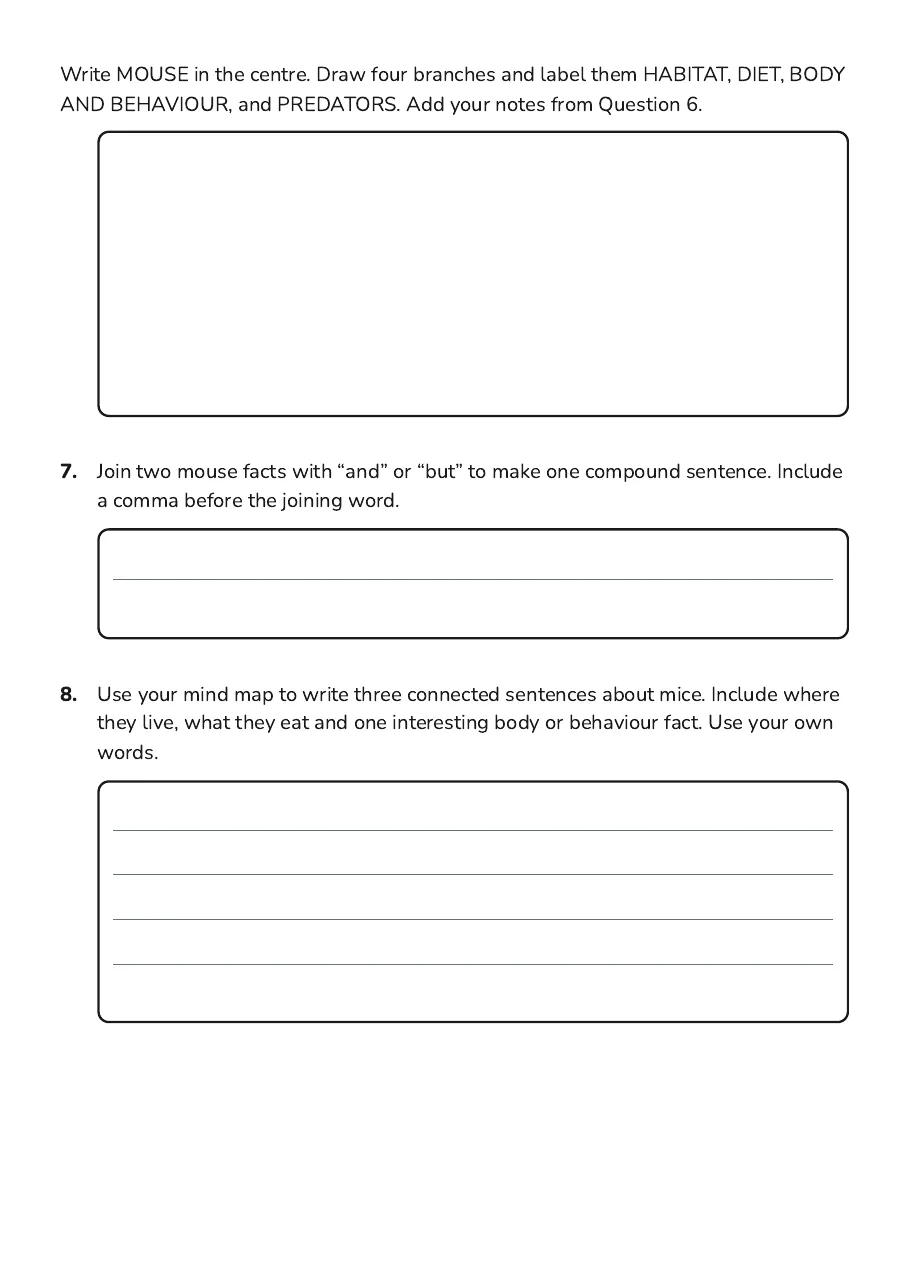
Mouse facts to use
Mice are small rodents. A rodent has front teeth that keep growing, so it gnaws on things to wear them down. Many mice are active at night, which means they are nocturnal. They use their whiskers to feel their way around in dark or narrow places. Mice can live in fields, forests and buildings. Some make nests in sheltered spaces or use burrows. Mice are omnivores: they eat both plant food, such as seeds and fruit, and animal food, such as insects. Owls, snakes and foxes may hunt mice. A mouse has a strong sense of smell and hearing, which can help it notice danger.
- An animal that eats only plants.
- An animal that eats both plants and animals.
- An animal that hunts only at night.
- rodent
- habitat
- burrow
- the place where an animal lives
- a tunnel or hole where an animal can shelter
- an animal with front teeth that keep growing
- It groups related facts and uses complete sentences.
- It copies every sentence from the passage exactly.
- It includes facts that match the topic.
4 printable pages
Page 1
Page 2
Page 3

Page 4
About This Worksheet
Free in Kuraplan
Sign up free, grab the PDF, and customize it for your class.
Print-Ready
Formatted for standard paper. Clean layout, easy to read.
AI-Generated
Created with Kuraplan's AI, designed for real classroom use.
For Teachers & Parents
Use in classrooms, for homework, tutoring, or homeschool.
Need a custom version of this worksheet?
Kuraplan's AI generates custom worksheets in seconds — differentiated for every learner, aligned to your curriculum.
Generate Custom Worksheets — FreeMore English Worksheets
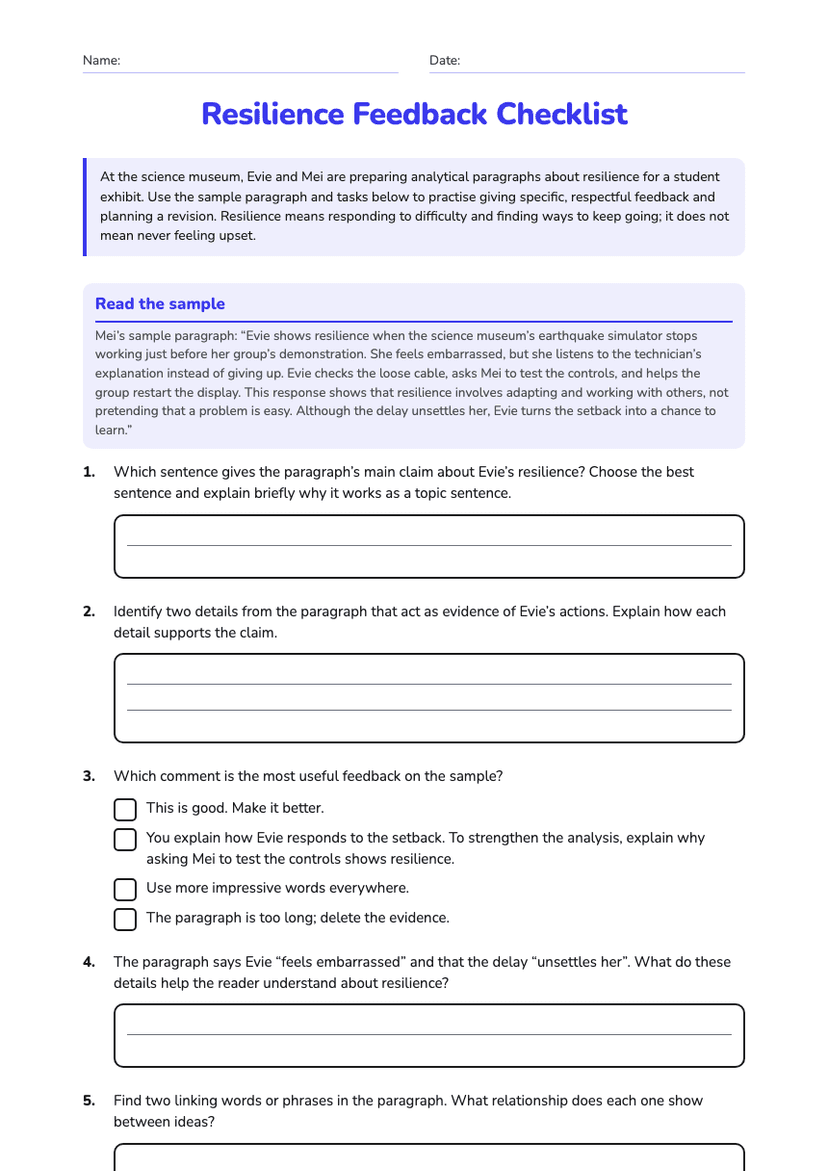
Resilience Feedback Checklist
Free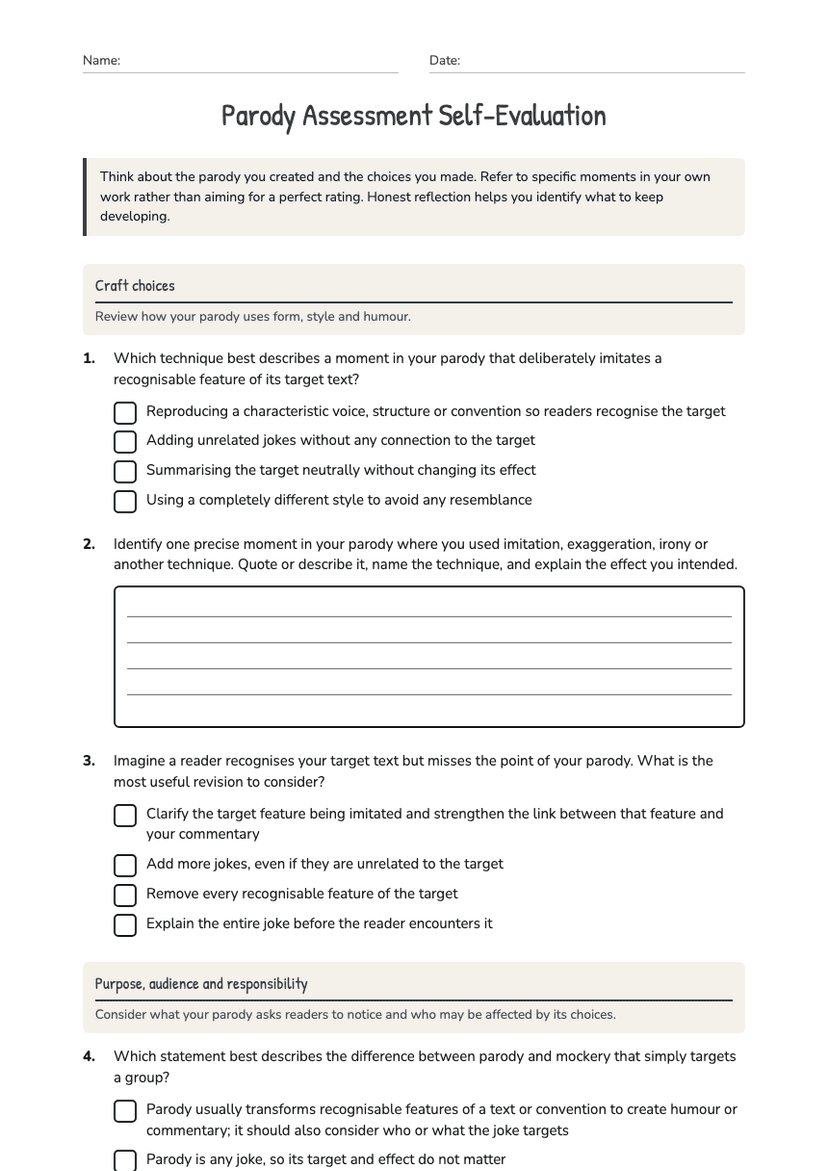
Parody Assessment Self-Evaluation
Free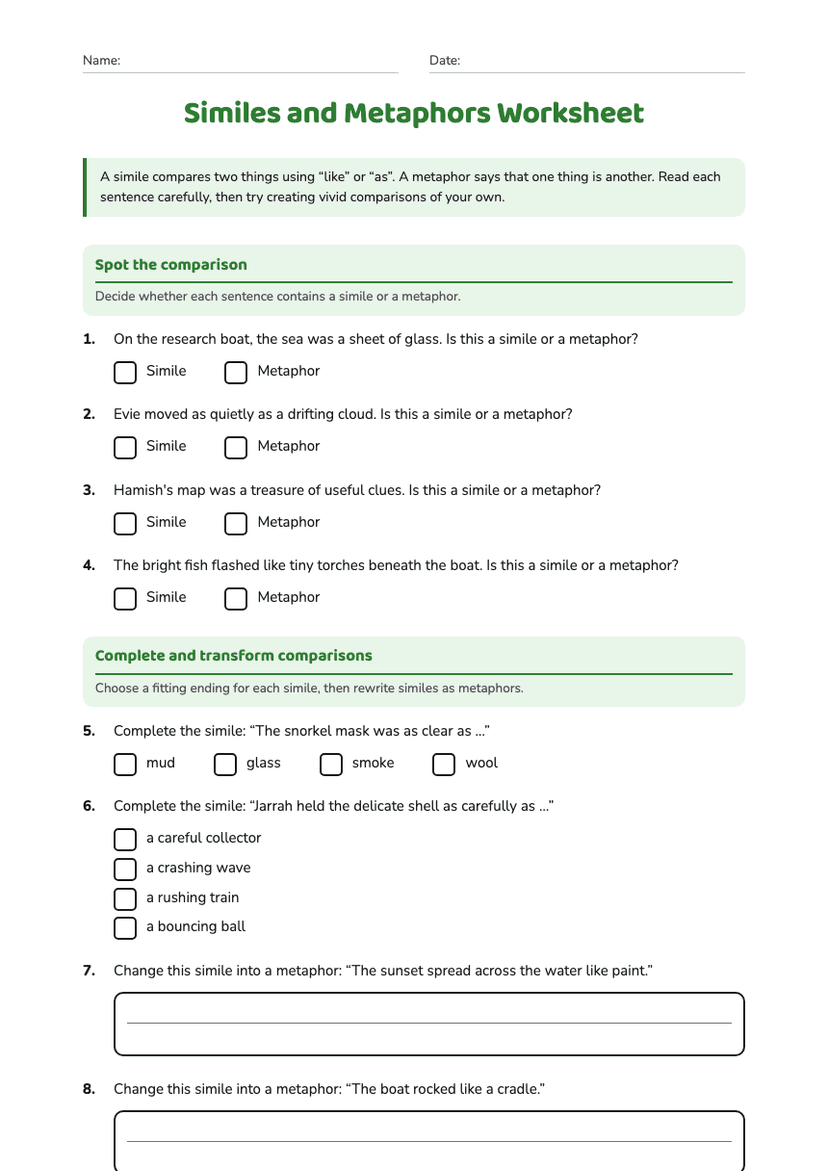
Similes and Metaphors Worksheet
Free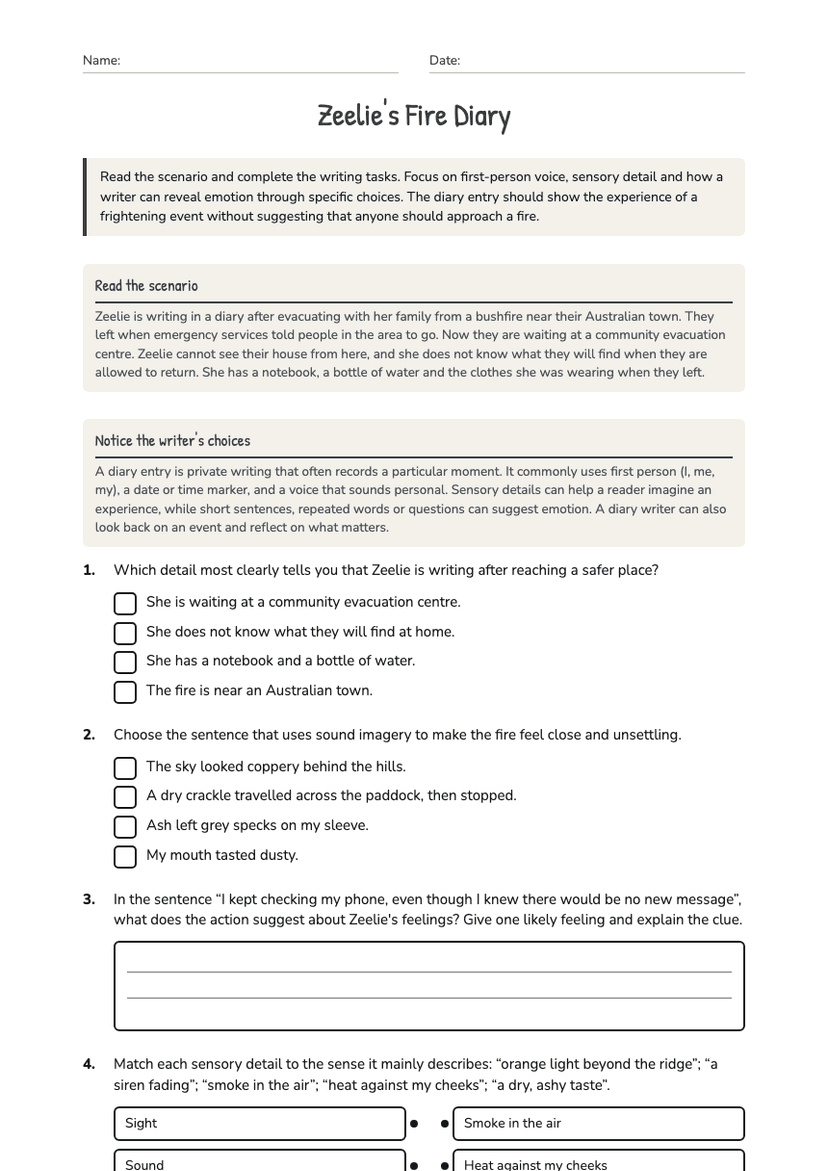
Zeelie's Fire Diary
Free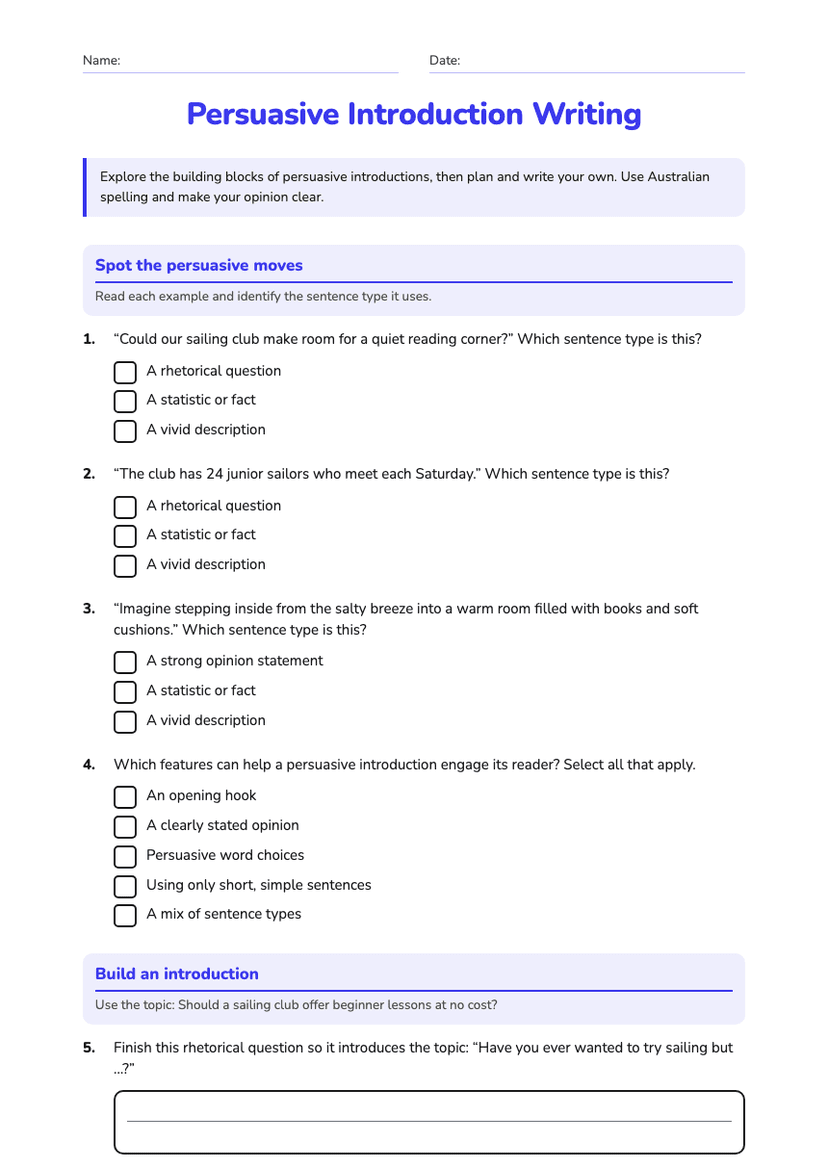
Persuasive Introduction Writing
Free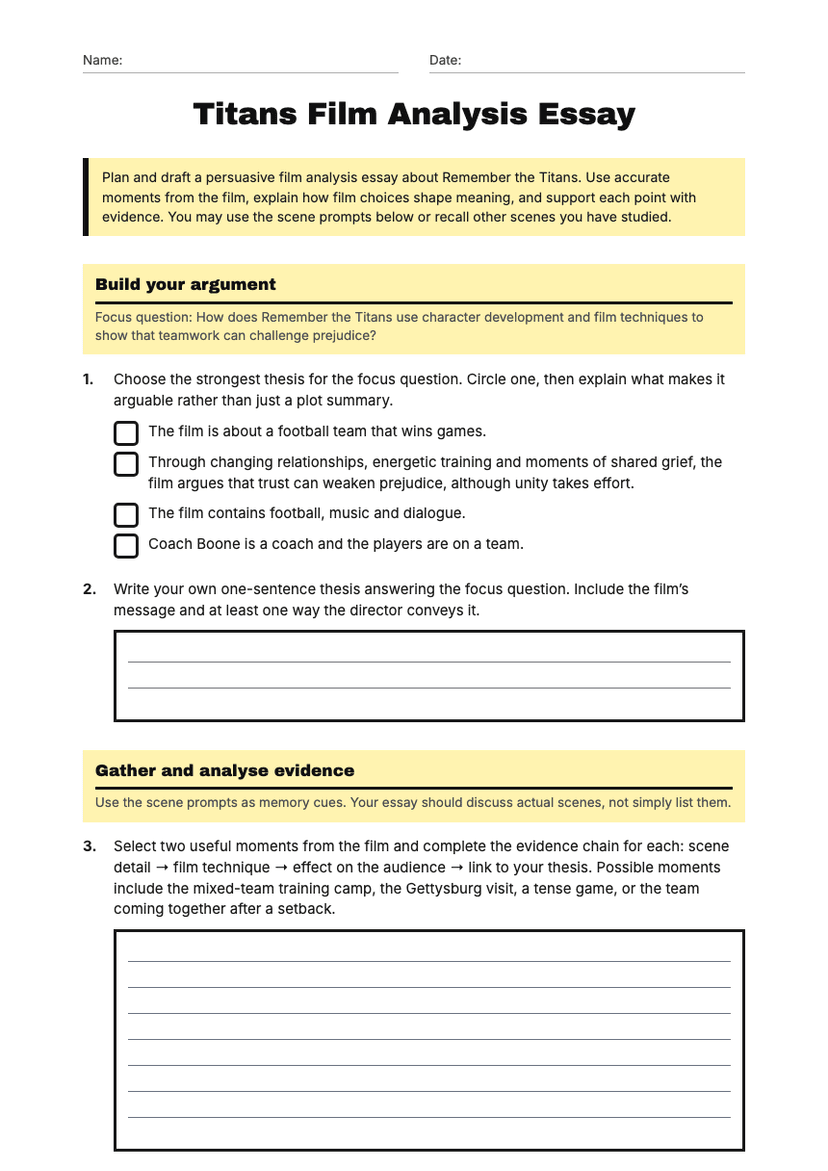
Titans Film Analysis Essay
Free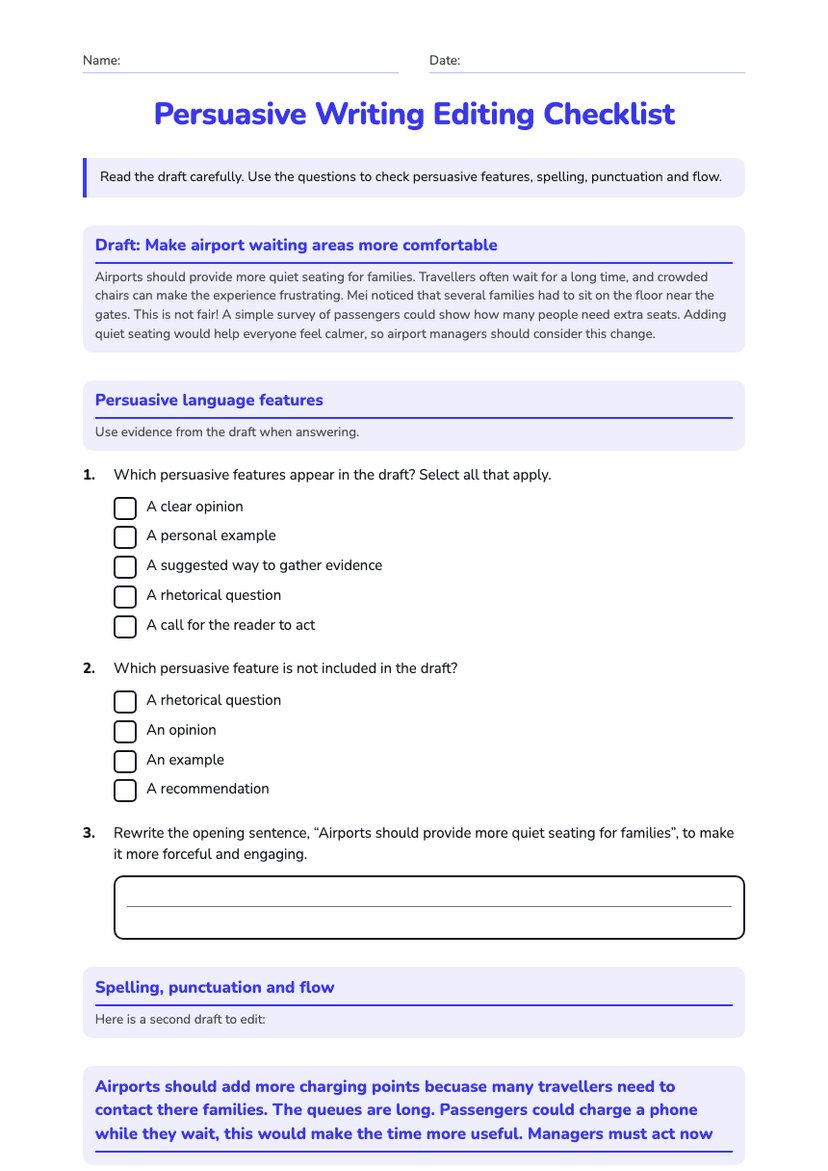
Persuasive Writing Editing Checklist
Free