Reflective Writing Film Examples
A free english worksheet ready for your classroom. Open in Kuraplan to grab the print-ready PDF, customize it for your students, or generate a fresh version in seconds.
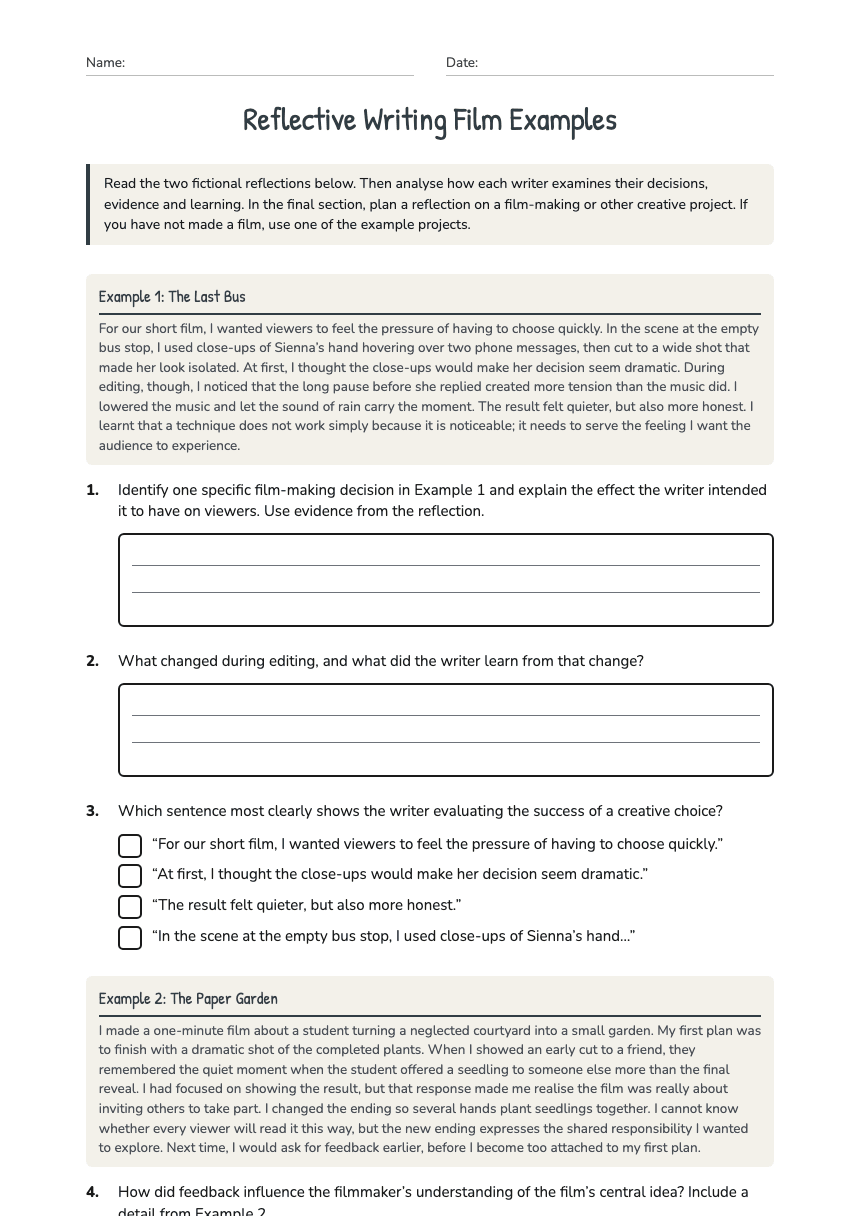
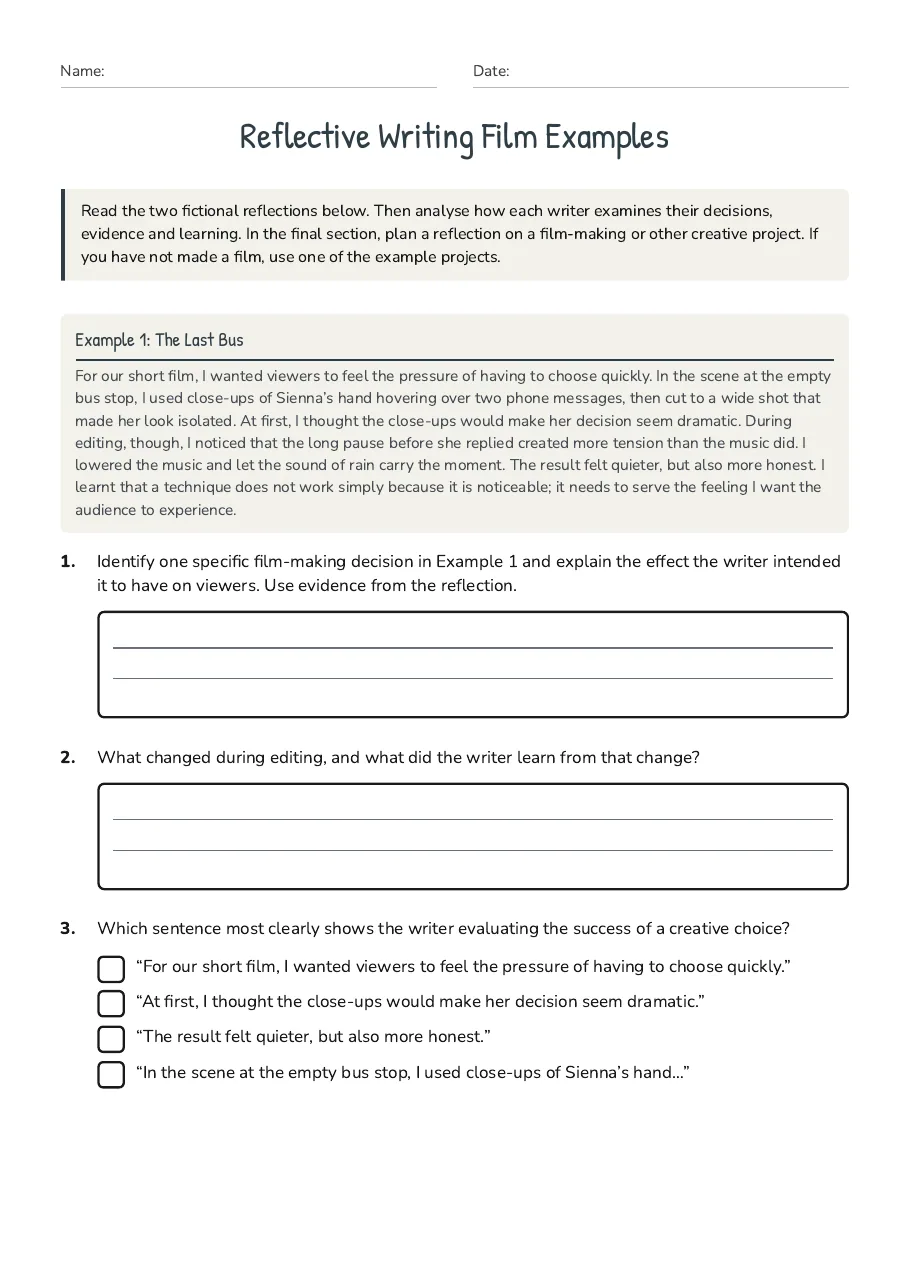
Reflective Writing Film Examples
Example 1: The Last Bus
For our short film, I wanted viewers to feel the pressure of having to choose quickly. In the scene at the empty bus stop, I used close-ups of Sienna’s hand hovering over two phone messages, then cut to a wide shot that made her look isolated. At first, I thought the close-ups would make her decision seem dramatic. During editing, though, I noticed that the long pause before she replied created more tension than the music did. I lowered the music and let the sound of rain carry the moment. The result felt quieter, but also more honest. I learnt that a technique does not work simply because it is noticeable; it needs to serve the feeling I want the audience to experience.
- “For our short film, I wanted viewers to feel the pressure of having to choose quickly.”
- “At first, I thought the close-ups would make her decision seem dramatic.”
- “The result felt quieter, but also more honest.”
- “In the scene at the empty bus stop, I used close-ups of Sienna’s hand…”
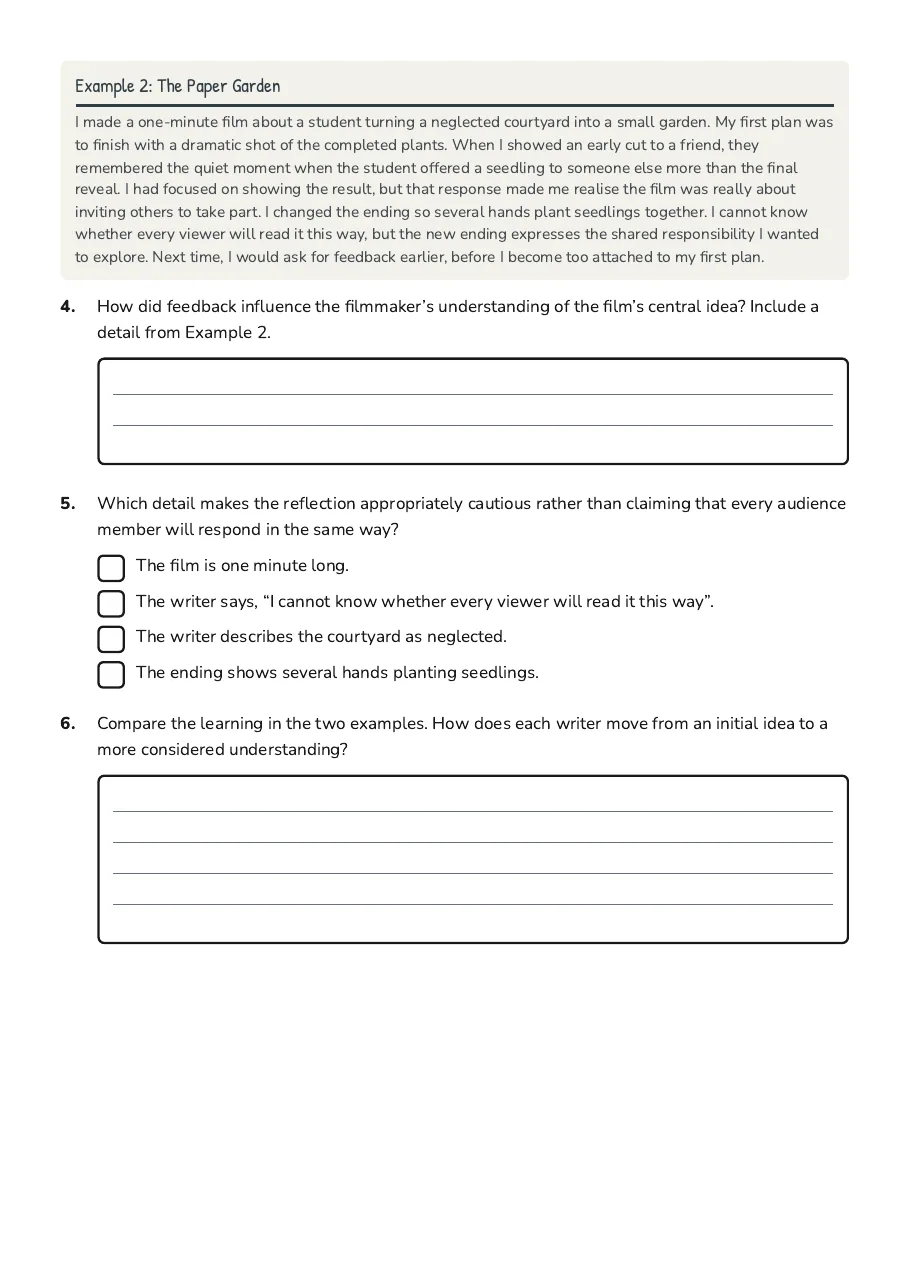
Example 2: The Paper Garden
I made a one-minute film about a student turning a neglected courtyard into a small garden. My first plan was to finish with a dramatic shot of the completed plants. When I showed an early cut to a friend, they remembered the quiet moment when the student offered a seedling to someone else more than the final reveal. I had focused on showing the result, but that response made me realise the film was really about inviting others to take part. I changed the ending so several hands plant seedlings together. I cannot know whether every viewer will read it this way, but the new ending expresses the shared responsibility I wanted to explore. Next time, I would ask for feedback earlier, before I become too attached to my first plan.
- The film is one minute long.
- The writer says, “I cannot know whether every viewer will read it this way”.
- The writer describes the courtyard as neglected.
- The ending shows several hands planting seedlings.
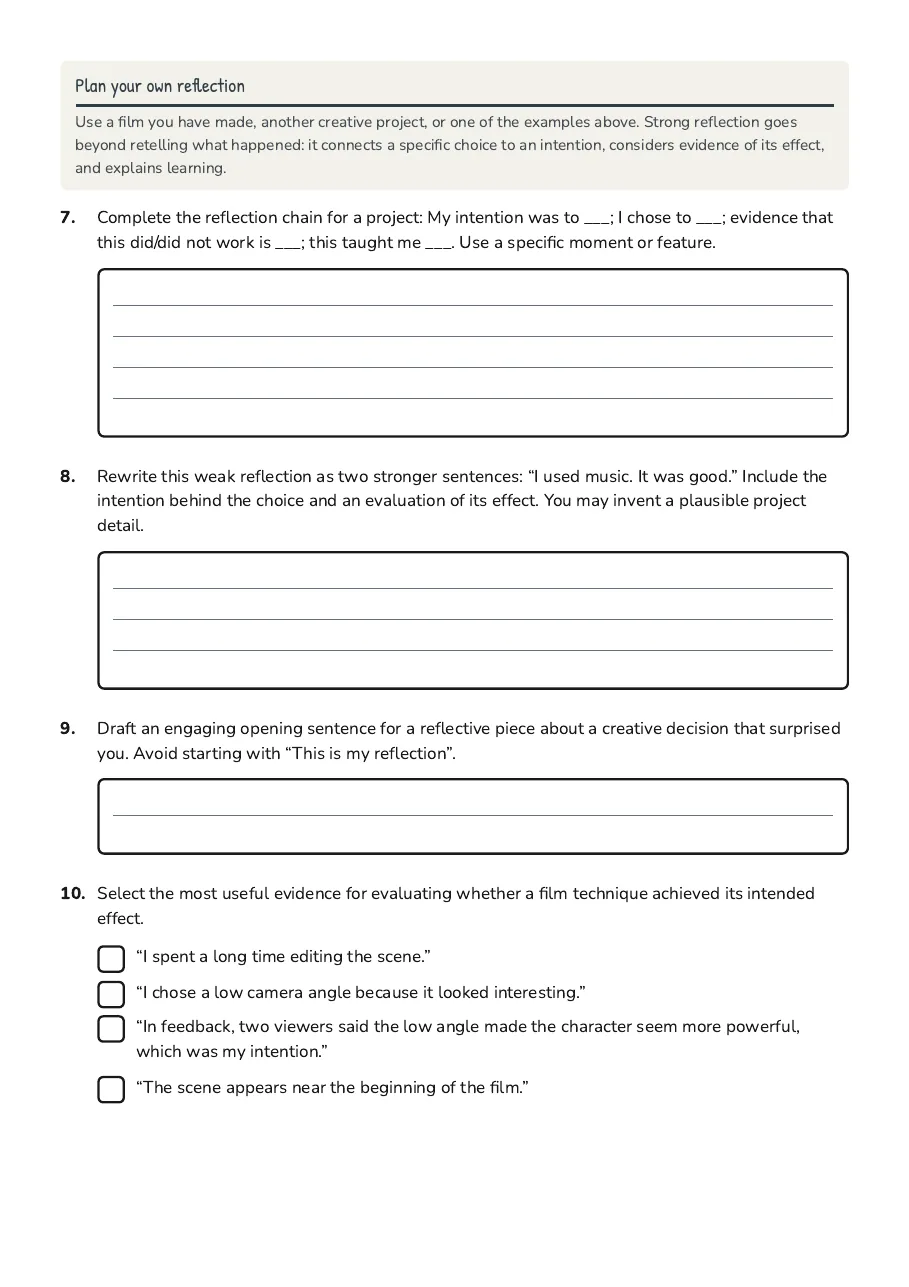
Plan your own reflection
Use a film you have made, another creative project, or one of the examples above. Strong reflection goes beyond retelling what happened: it connects a specific choice to an intention, considers evidence of its effect, and explains learning.
- “I spent a long time editing the scene.”
- “I chose a low camera angle because it looked interesting.”
- “In feedback, two viewers said the low angle made the character seem more powerful, which was my intention.”
- “The scene appears near the beginning of the film.”
3 printable pages
Page 1
Page 2
Page 3
About This Worksheet
Free in Kuraplan
Sign up free, grab the PDF, and customize it for your class.
Print-Ready
Formatted for standard paper. Clean layout, easy to read.
AI-Generated
Created with Kuraplan's AI, designed for real classroom use.
For Teachers & Parents
Use in classrooms, for homework, tutoring, or homeschool.
Need a custom version of this worksheet?
Kuraplan's AI generates custom worksheets in seconds — differentiated for every learner, aligned to your curriculum.
Generate Custom Worksheets — FreeMore English Worksheets
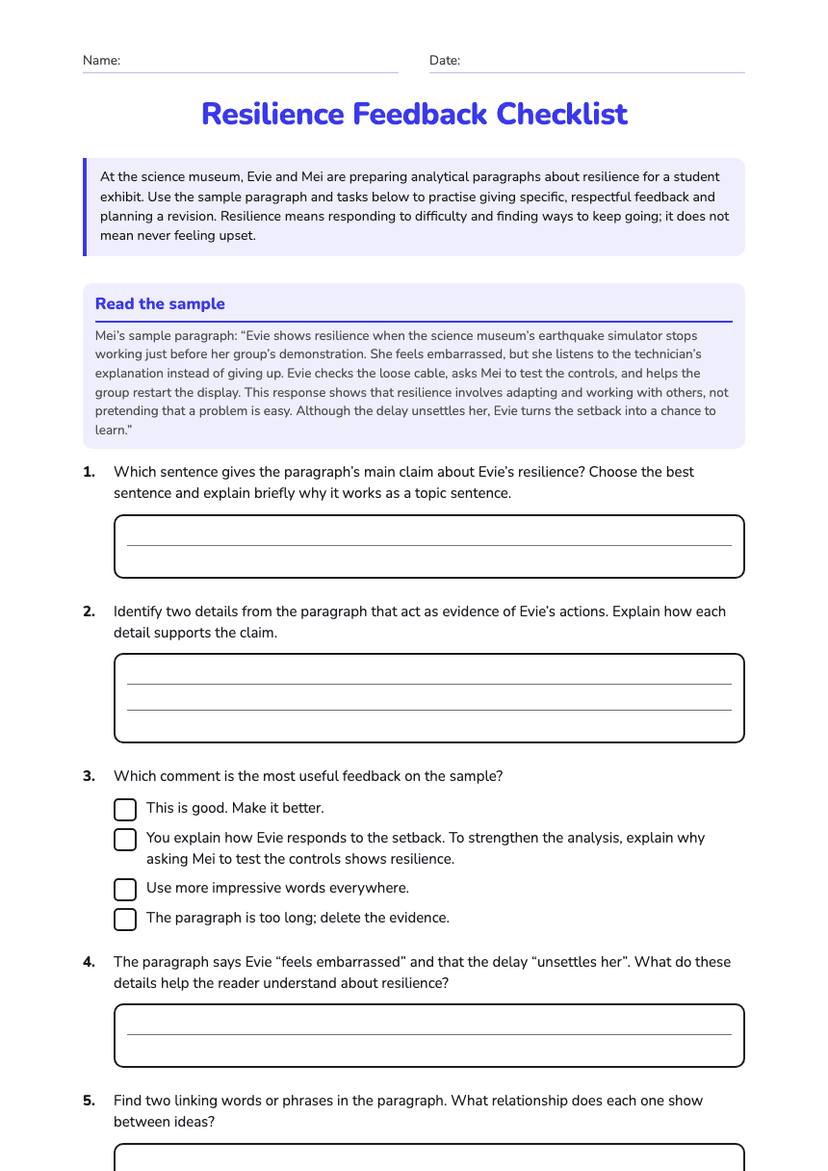
Resilience Feedback Checklist
Free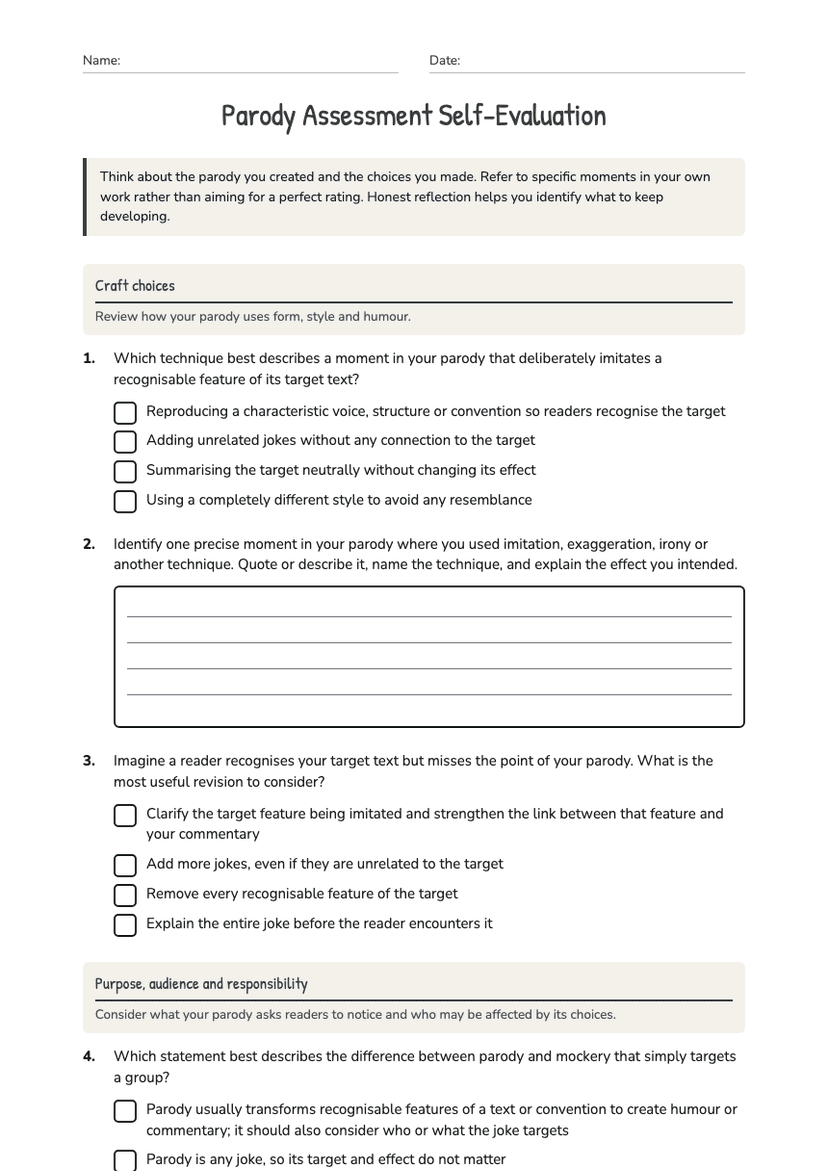
Parody Assessment Self-Evaluation
Free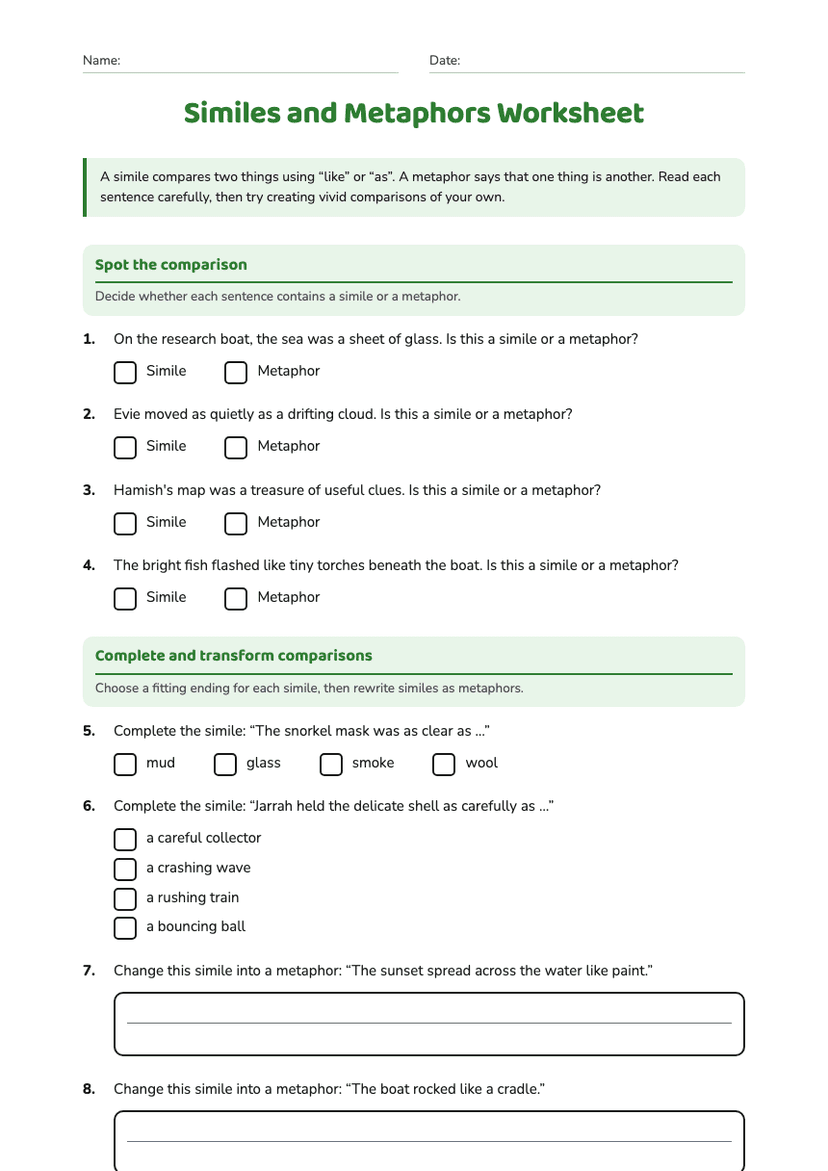
Similes and Metaphors Worksheet
Free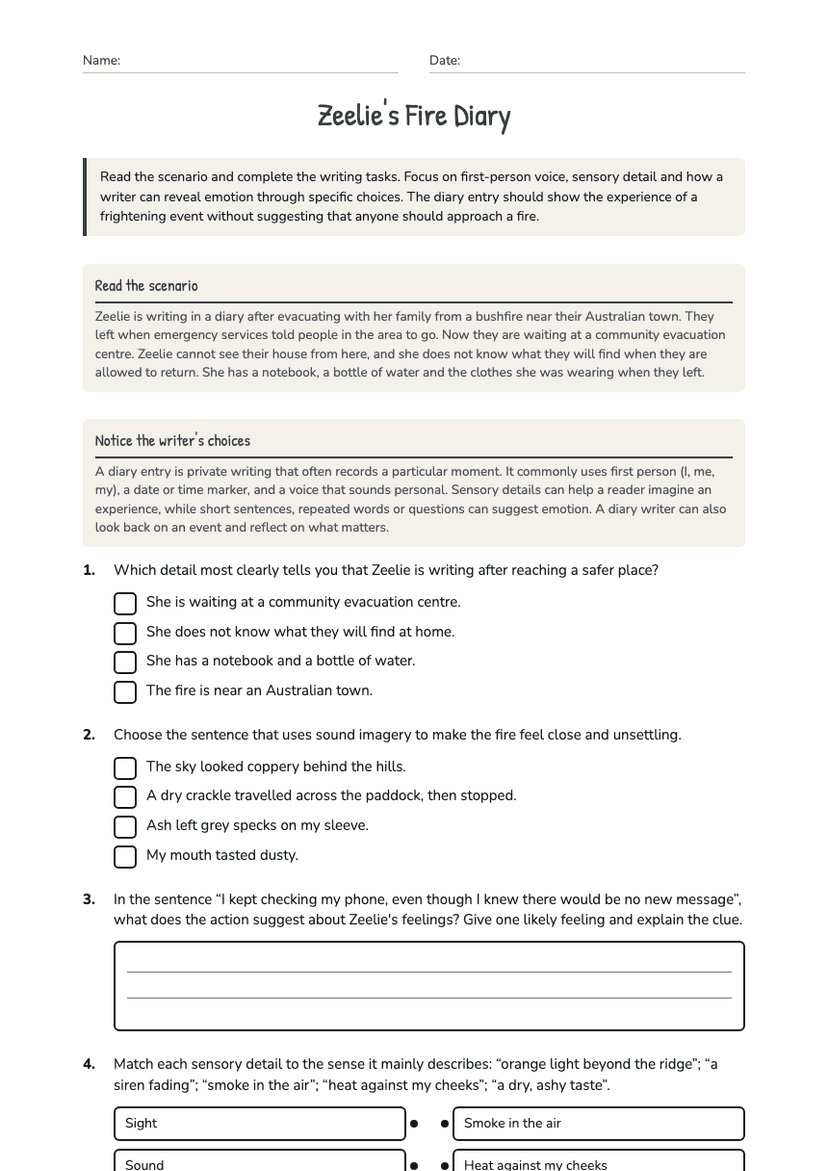
Zeelie's Fire Diary
Free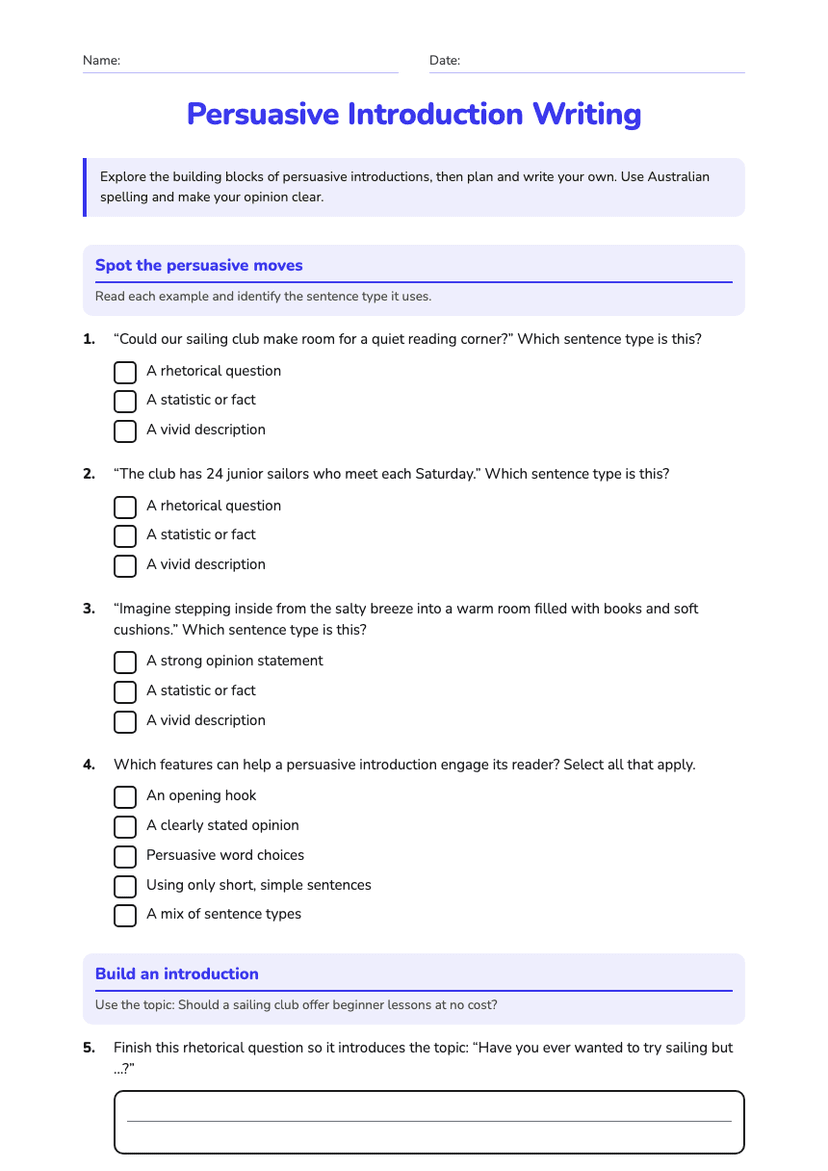
Persuasive Introduction Writing
Free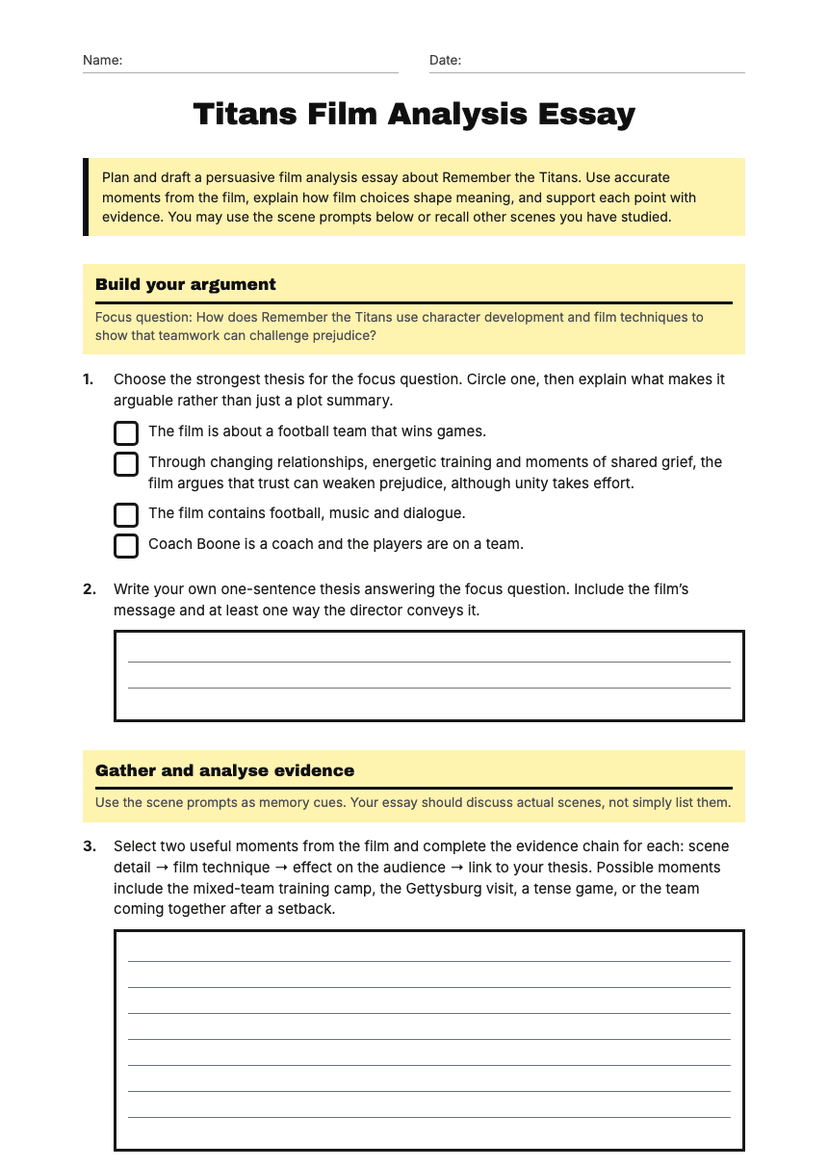
Titans Film Analysis Essay
Free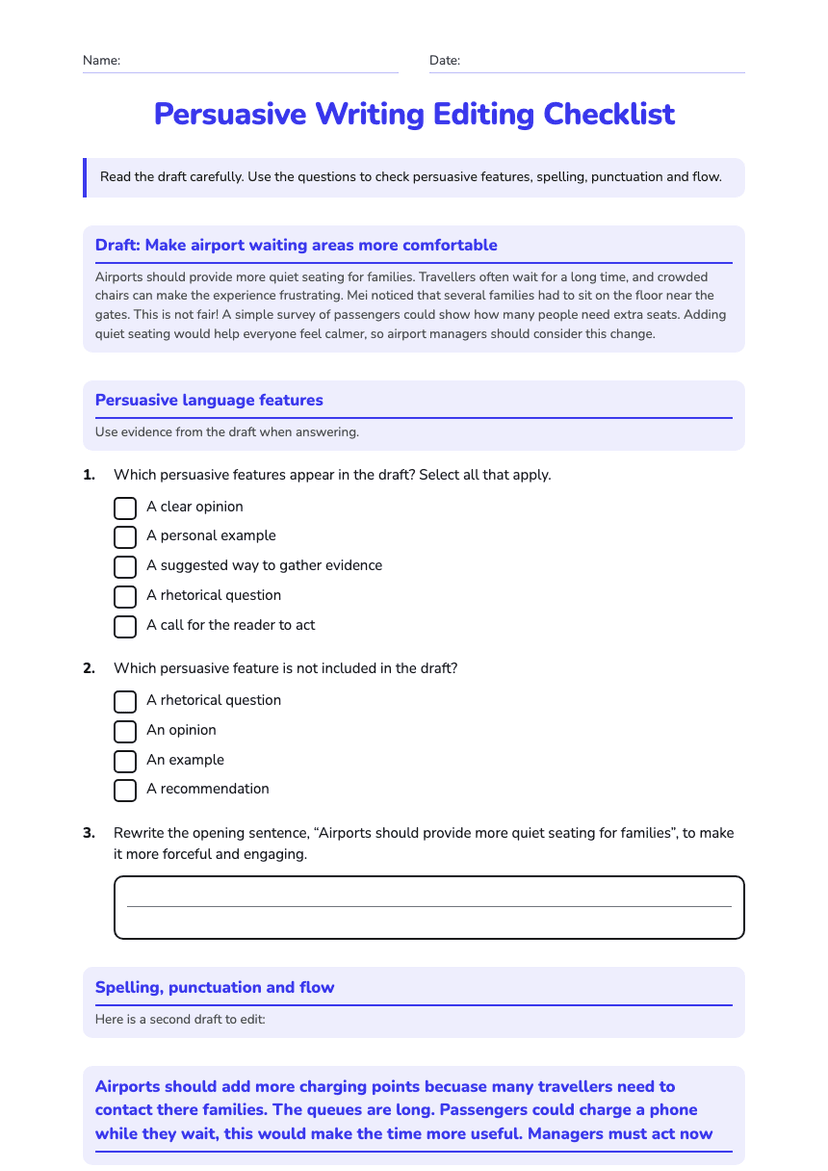
Persuasive Writing Editing Checklist
Free