World Cultures and Languages
A free social sciences worksheet ready for your classroom. Open in Kuraplan to grab the print-ready PDF, customize it for your students, or generate a fresh version in seconds.
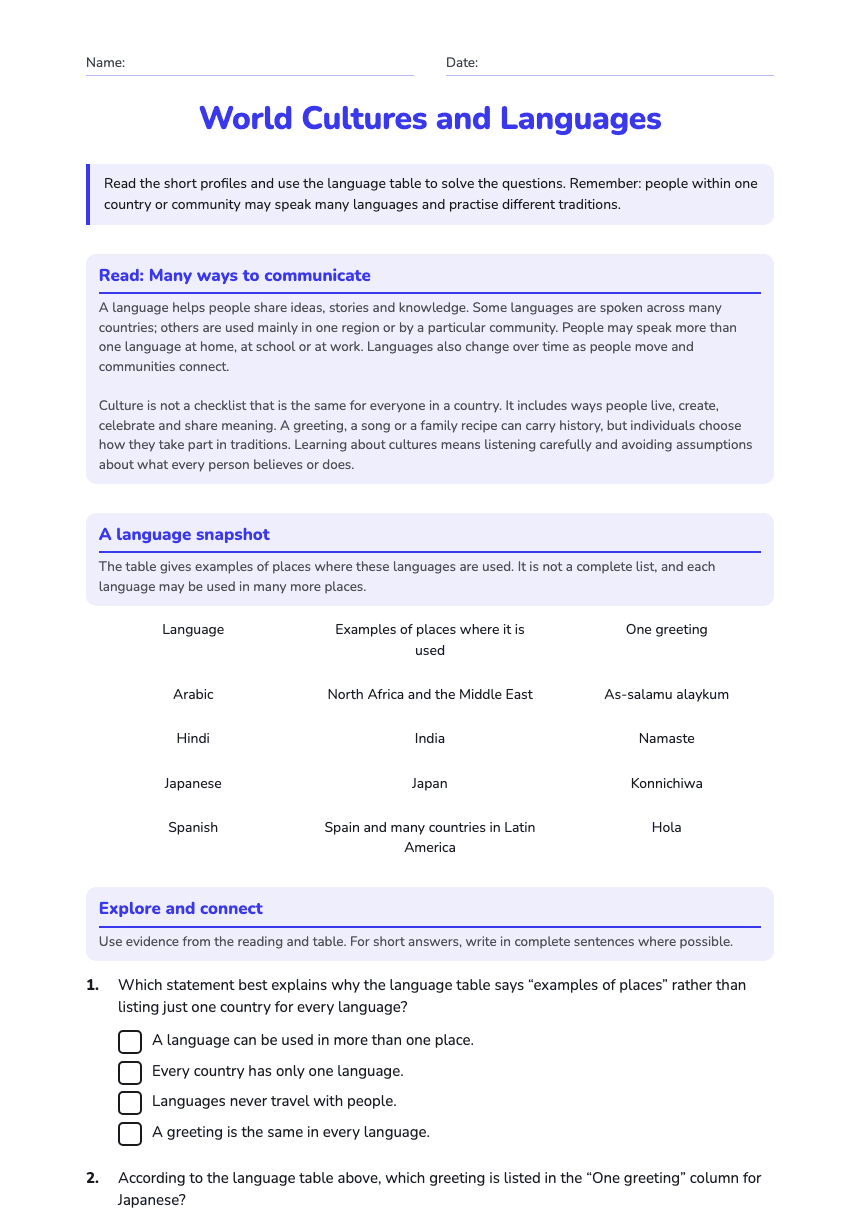
World Cultures and Languages
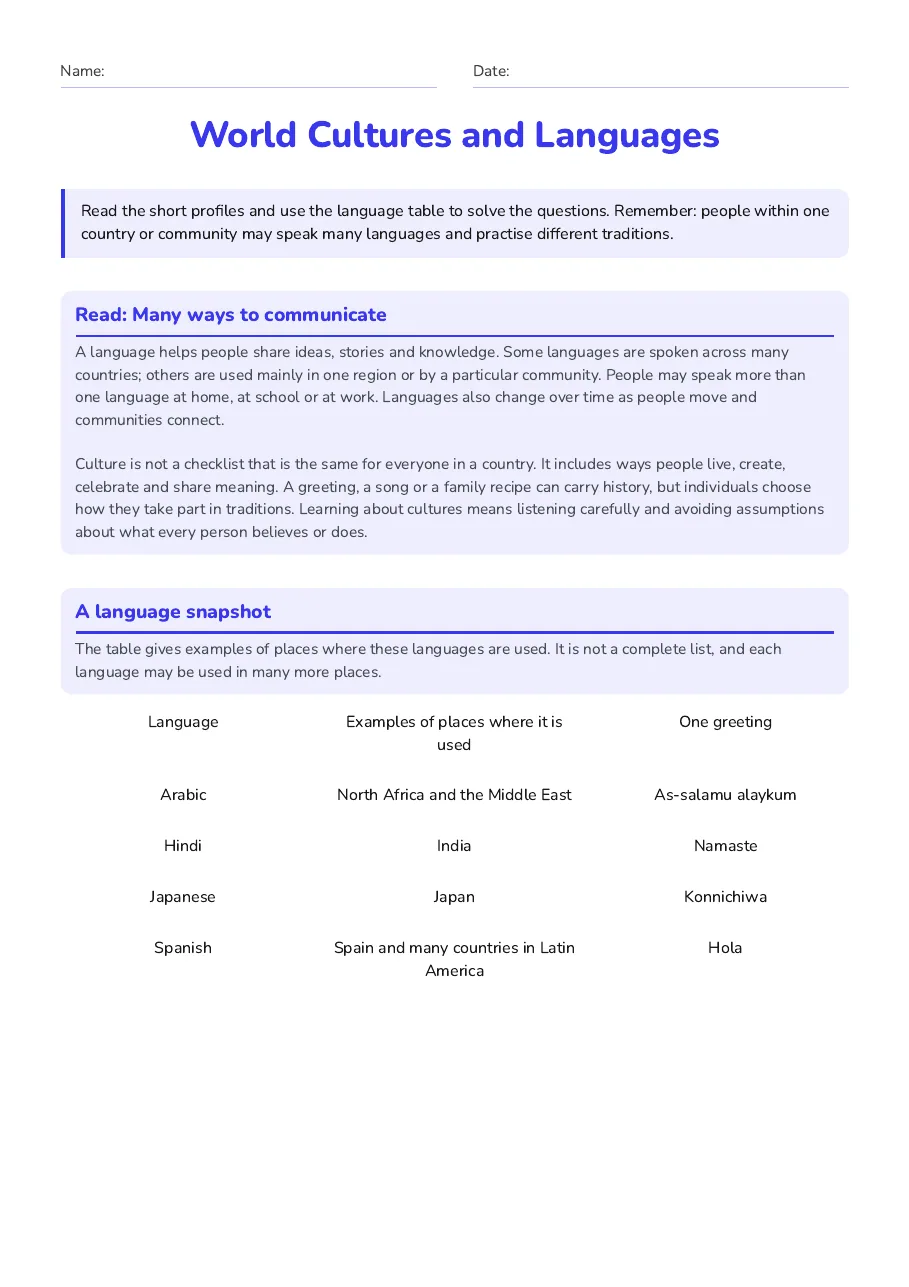
Read: Many ways to communicate
A language helps people share ideas, stories and knowledge. Some languages are spoken across many countries; others are used mainly in one region or by a particular community. People may speak more than one language at home, at school or at work. Languages also change over time as people move and communities connect. Culture is not a checklist that is the same for everyone in a country. It includes ways people live, create, celebrate and share meaning. A greeting, a song or a family recipe can carry history, but individuals choose how they take part in traditions. Learning about cultures means listening carefully and avoiding assumptions about what every person believes or does.
A language snapshot
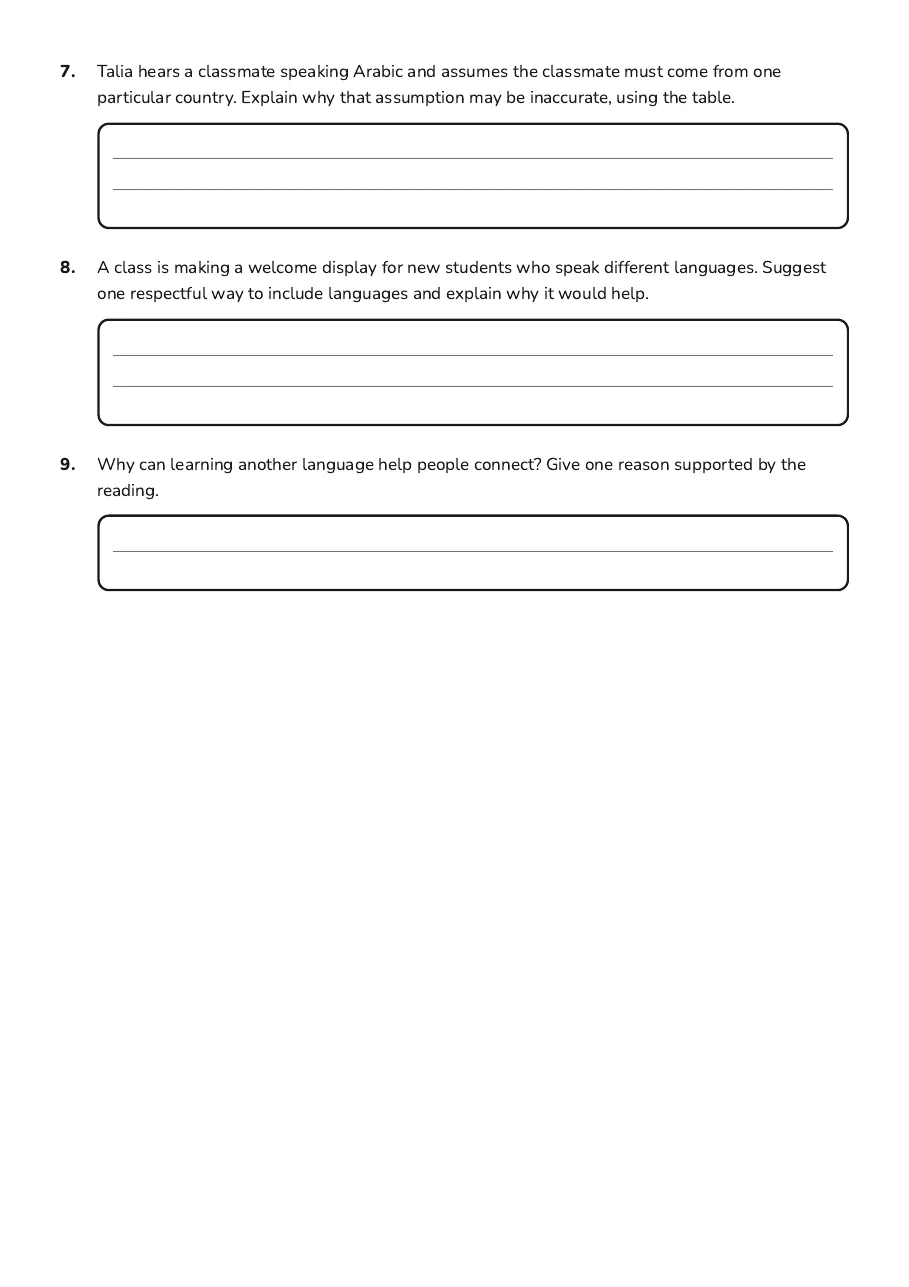
The table gives examples of places where these languages are used. It is not a complete list, and each language may be used in many more places.
Language
Examples of places where it is used
One greeting
Arabic
North Africa and the Middle East
As-salamu alaykum
Hindi
India
Namaste
Japanese
Japan
Konnichiwa
Spanish
Spain and many countries in Latin America
Hola
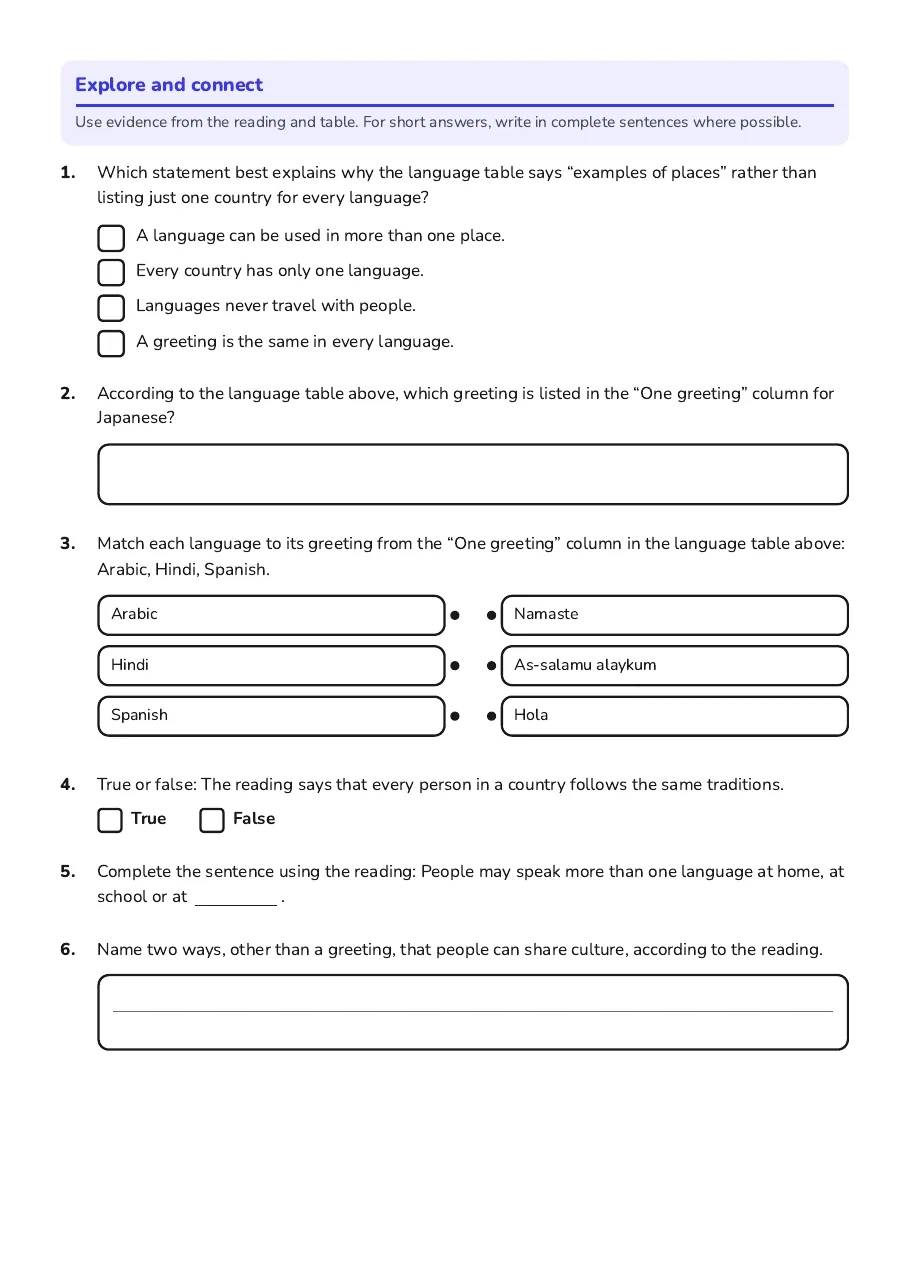
Explore and connect
Use evidence from the reading and table. For short answers, write in complete sentences where possible.
- A language can be used in more than one place.
- Every country has only one language.
- Languages never travel with people.
- A greeting is the same in every language.
- Arabic
- Hindi
- Spanish
- Namaste
- As-salamu alaykum
- Hola
3 printable pages
Page 1
Page 2
Page 3
About This Worksheet
Free in Kuraplan
Sign up free, grab the PDF, and customize it for your class.
Print-Ready
Formatted for standard paper. Clean layout, easy to read.
AI-Generated
Created with Kuraplan's AI, designed for real classroom use.
For Teachers & Parents
Use in classrooms, for homework, tutoring, or homeschool.
Need a custom version of this worksheet?
Kuraplan's AI generates custom worksheets in seconds — differentiated for every learner, aligned to your curriculum.
Generate Custom Worksheets — FreeMore Social Sciences Worksheets
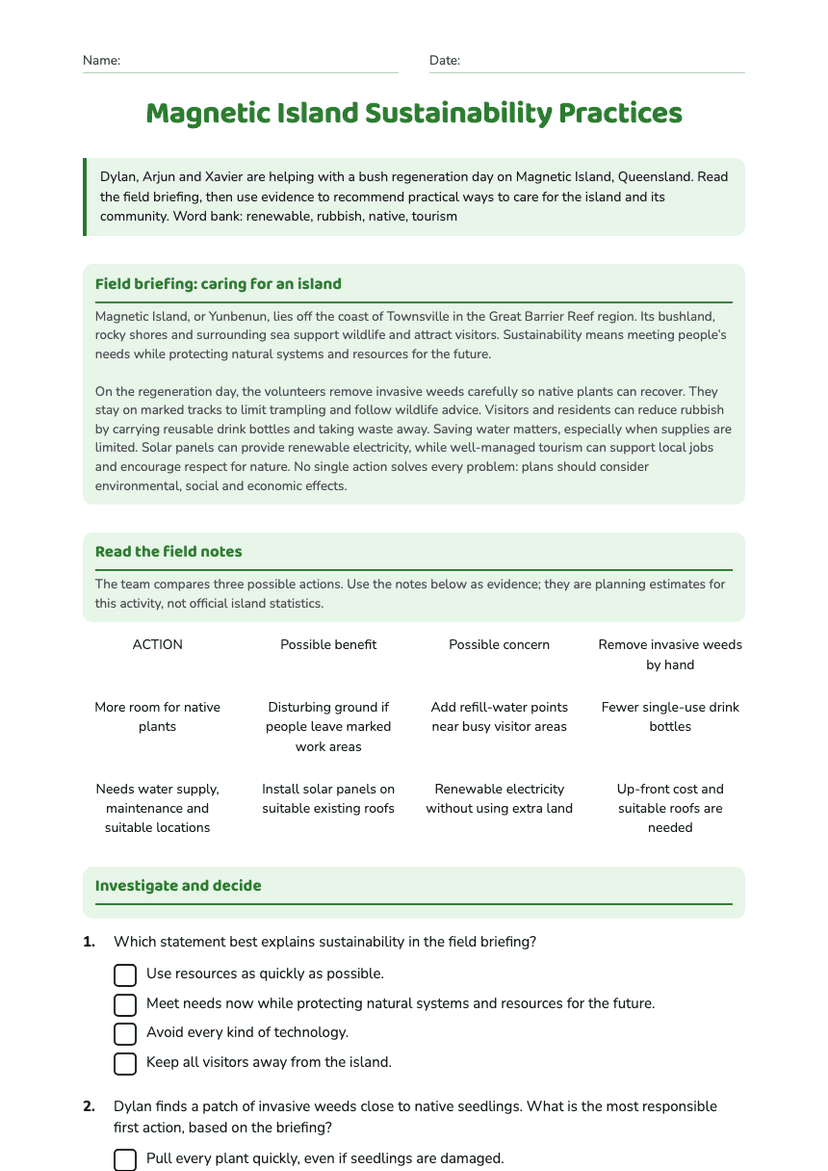
Magnetic Island Sustainability Practices
Free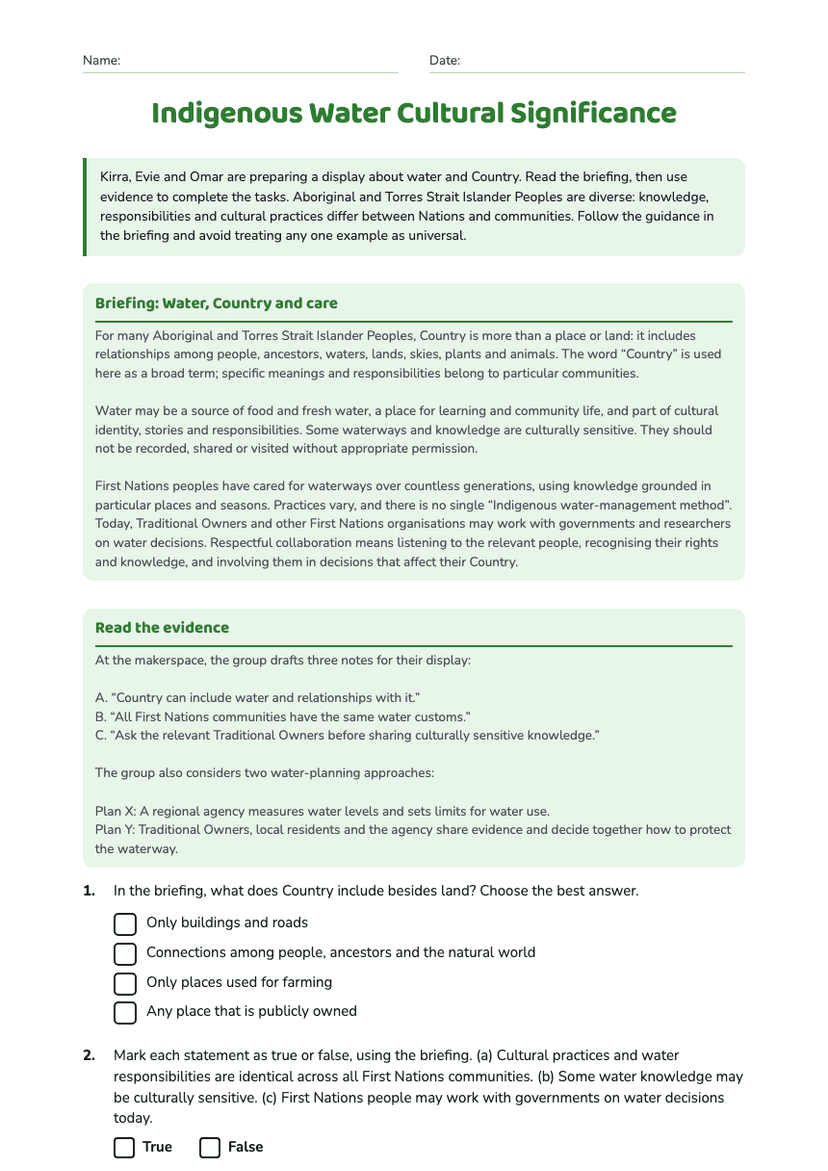
Indigenous Water Cultural Significance
Free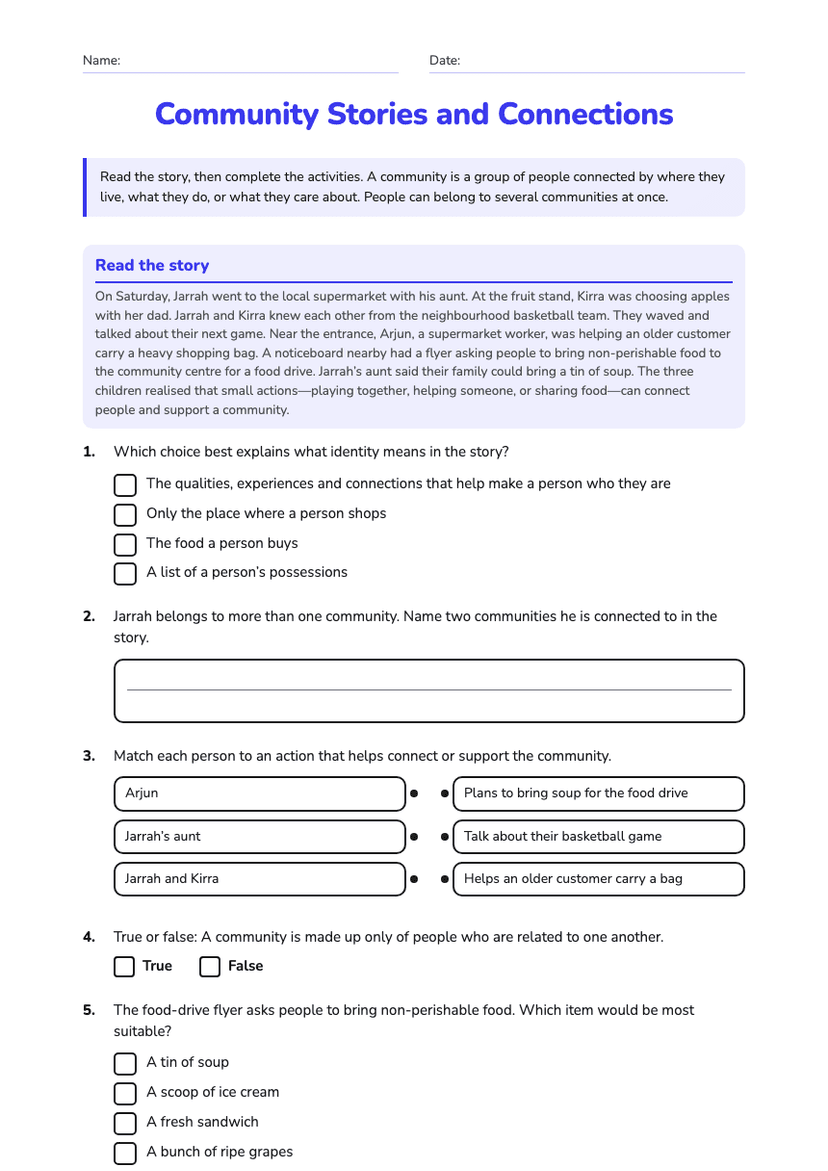
Community Stories and Connections
Free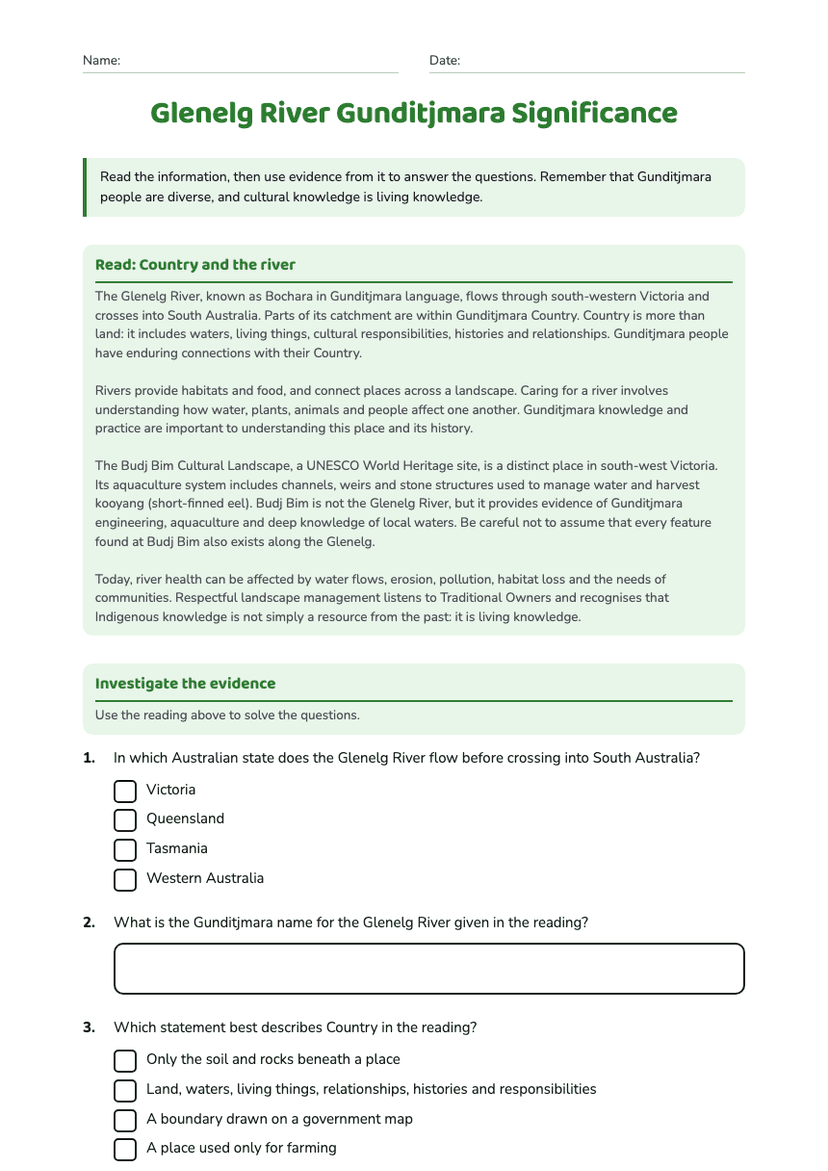
Glenelg River Gunditjmara Significance
Free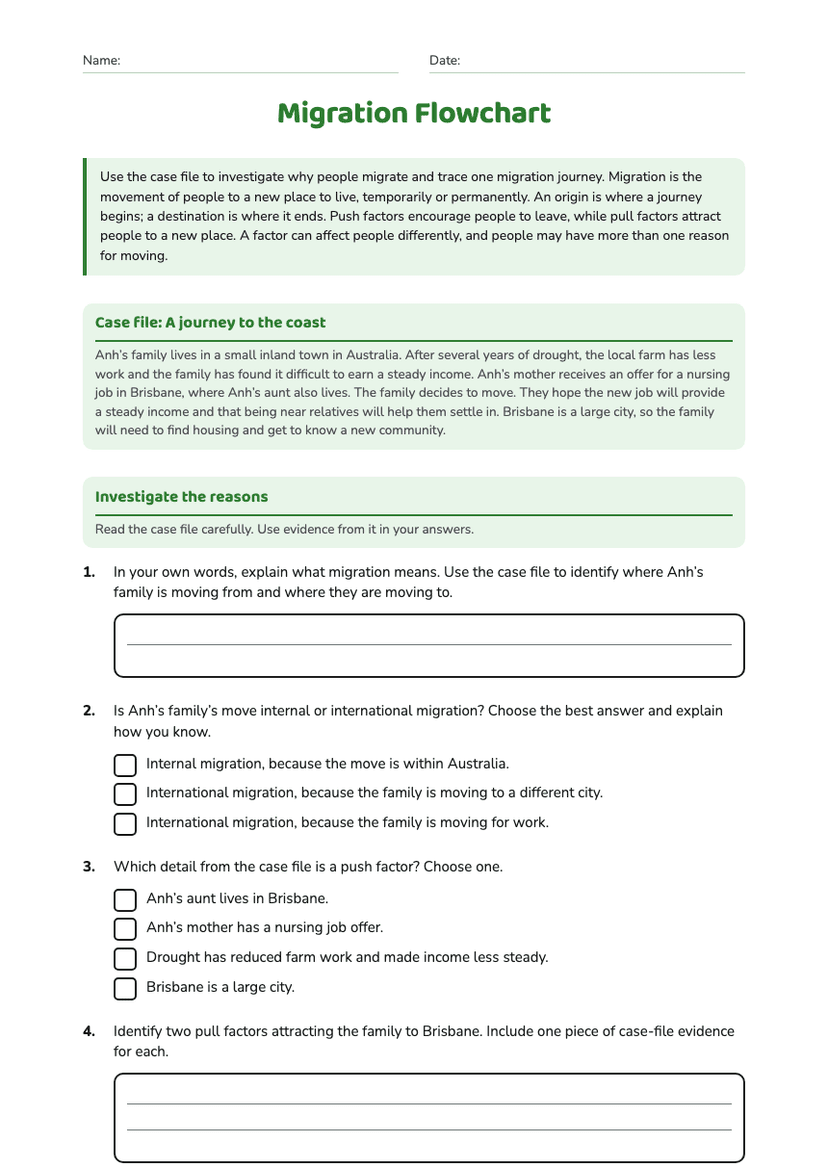
Migration Flowchart
Free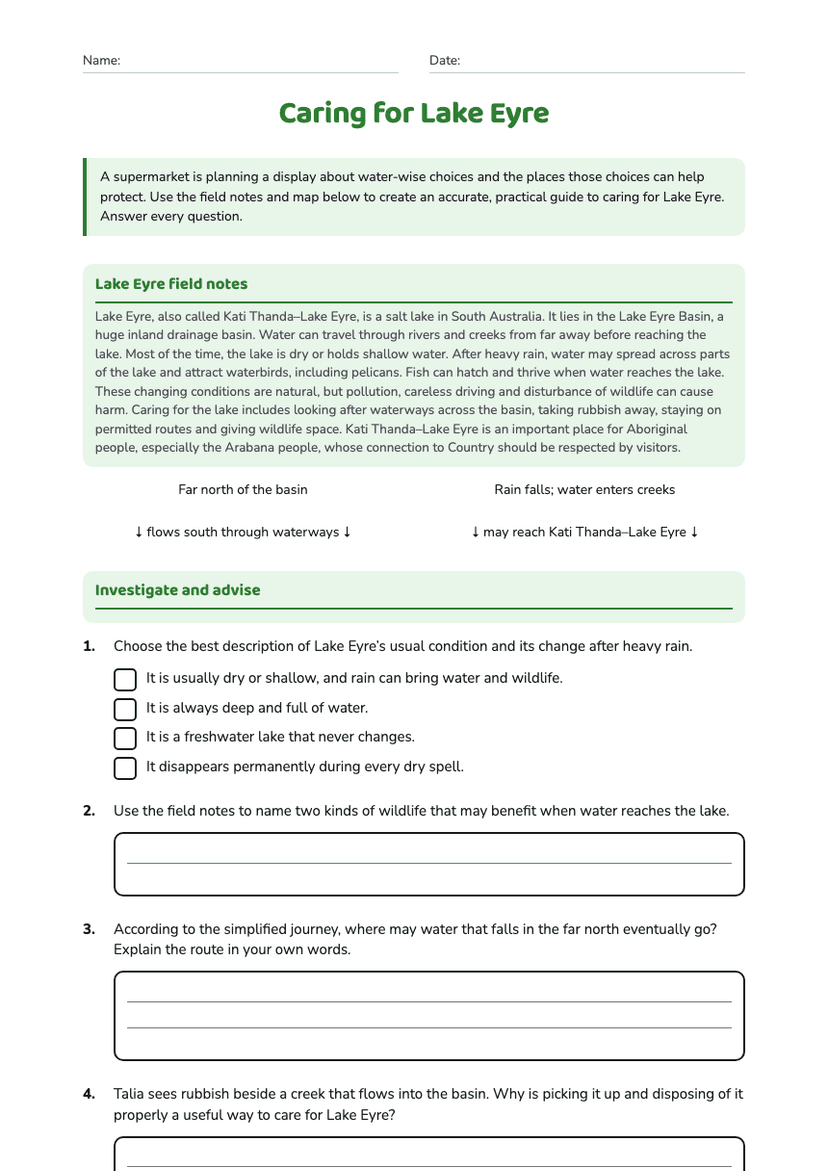
Caring for Lake Eyre
Free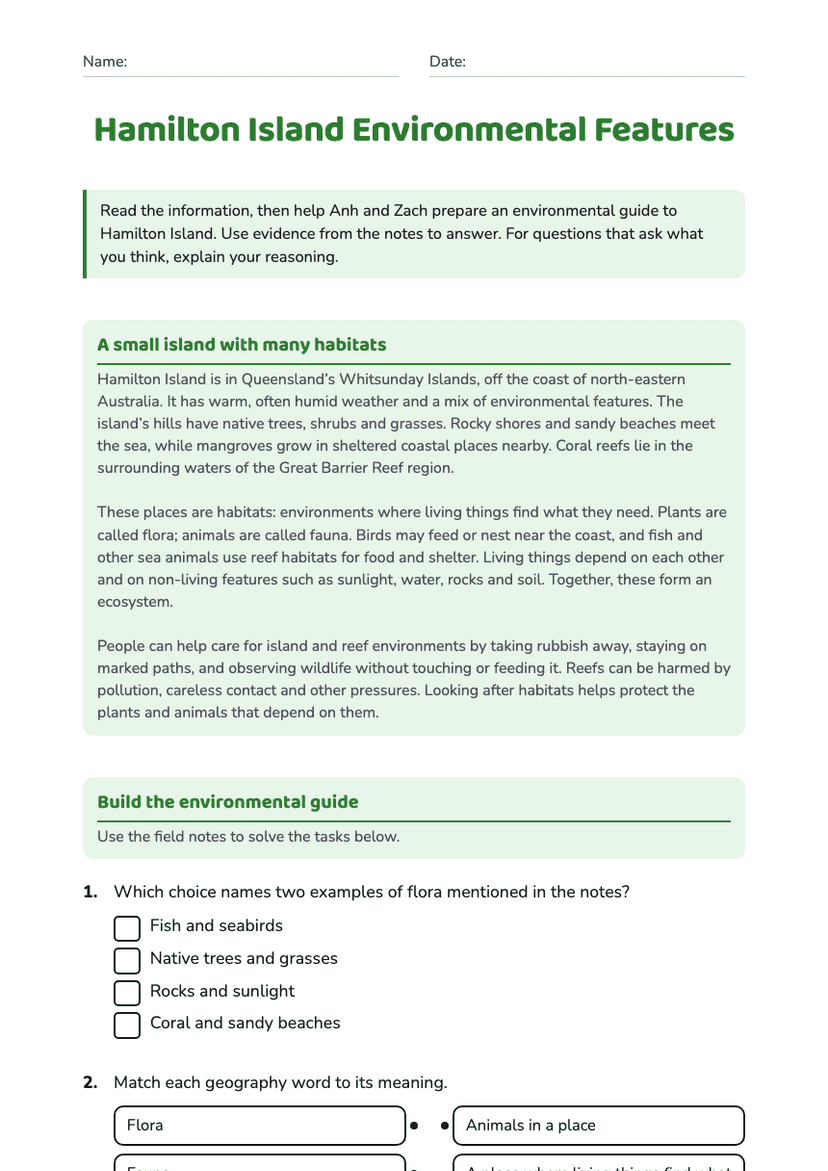
Hamilton Island Environmental Features
Free