Fables and Morals Unit
📚 Part 1: Understanding Fables
1. What is a fable? Circle the best definition:
A true story about real people
A short story with animals that teaches a moral lesson
A long poem about heroes
A factual report about nature
2. Which of these are common features of fables? Check all that apply:
Animal characters that talk and act like humans
A clear moral or lesson at the end
Very long and detailed descriptions
Simple plot with a problem and solution
Magic spells and wizards
3. Complete this sentence about morals:
A moral is a _____________ or _____________ that teaches us how to _____________ or what is right and _____________.
🐢 Part 2: Aesop's Fables Analysis
4. Think about "The Tortoise and the Hare". What was the main moral of this story?
5. Match the Aesop's fable with its moral lesson:
1. The Ant and the Grasshopper
2. The Boy Who Cried Wolf
3. The Lion and the Mouse
4. The Fox and the Grapes
A. Don't pretend something is bad just because you can't have it
B. Even small friends can be great friends
C. Always tell the truth
D. Work hard and prepare for the future
6. Choose one Aesop's fable you know. Describe the main characters and setting:
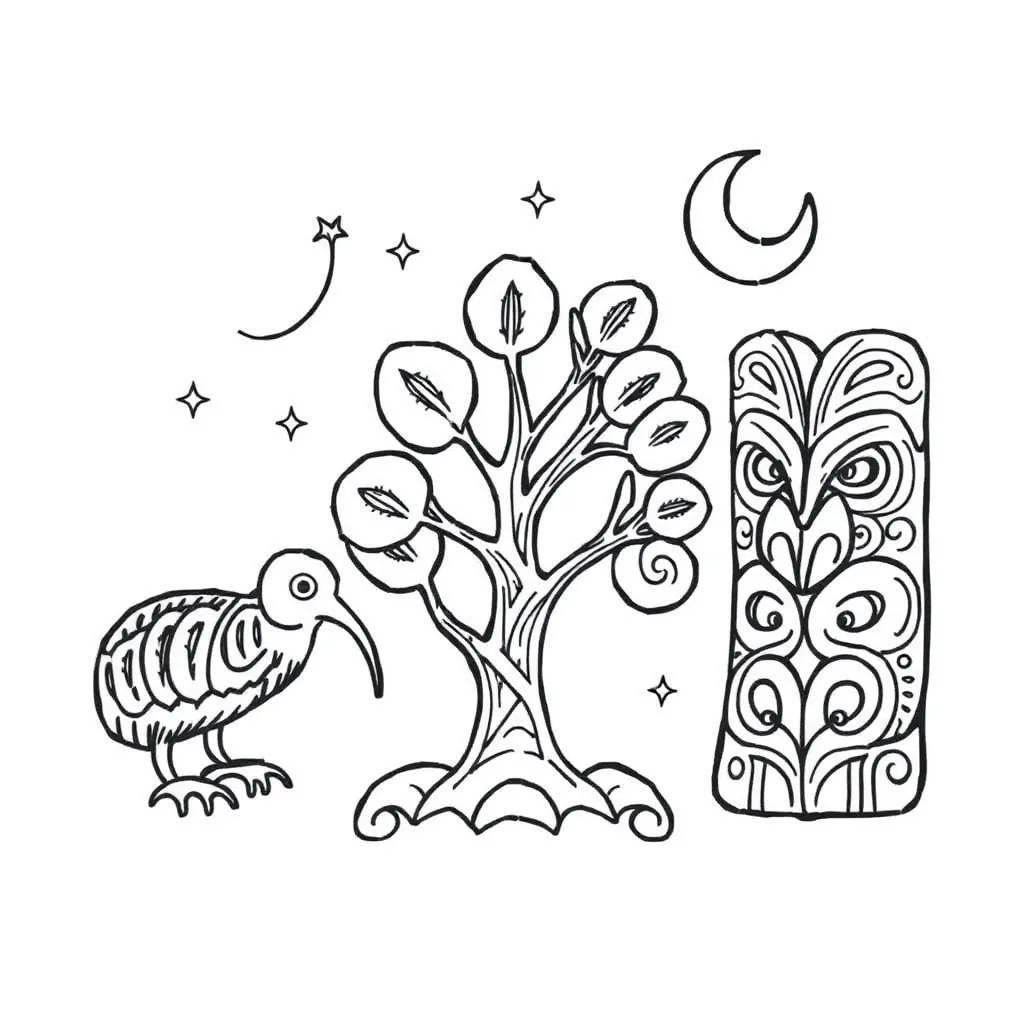
🌿 Part 3: Māori Tales and Cultural Perspectives
7. Māori stories often teach important lessons too. What do we call traditional Māori knowledge and wisdom?
Mātauranga Māori
Tikanga Māori
Whakapapa
Marae
8. How might the morals in Māori tales be different from Aesop's fables? Think about different cultures and values:
9. Fill in the blanks about cultural stories:
Different cultures have different _____________ and beliefs. This means their stories might teach different _____________ or emphasise different _____________ like family, nature, or community.
✍️ Part 4: Language Features in Fables
10. Which language features make fables interesting to read? Check all that apply:
Dialogue (characters talking)
Sensory details (what you can see, hear, smell, feel)
Figurative language (similes, metaphors)
Scientific facts and statistics
Descriptive adjectives
11. Write an example of dialogue that an animal character might say in a fable:
12. Create a simile to describe how slowly a tortoise moves:
The tortoise moved as slowly as _________________________________.
🎨 Part 5: Planning Your Own Fable
13. Choose two animals for your fable characters and explain why you chose them:
14. What moral or lesson do you want to teach in your fable?
15. Draw a simple story map for your fable in the box below. Include: Setting, Characters, Problem, Solution, Moral
16. What is the main problem or conflict in your fable?
🎤 Part 6: Persuasive Speech Connection
17. How could you turn the moral of your fable into a persuasive speech topic?
18. What are the key features of a persuasive speech? Check all that apply:
Clear argument or position
Evidence and examples to support your point
Emotional language to connect with audience
Random facts that don't relate to the topic
Strong conclusion that calls for action
19. Write one strong argument you could use in a speech about the importance of honesty (like in "The Boy Who Cried Wolf"):