Exploring Diction Deeply
A free english (ela) worksheet ready for your classroom. Open in Kuraplan to grab the print-ready PDF, customize it for your students, or generate a fresh version in seconds.
Exploring Diction Deeply
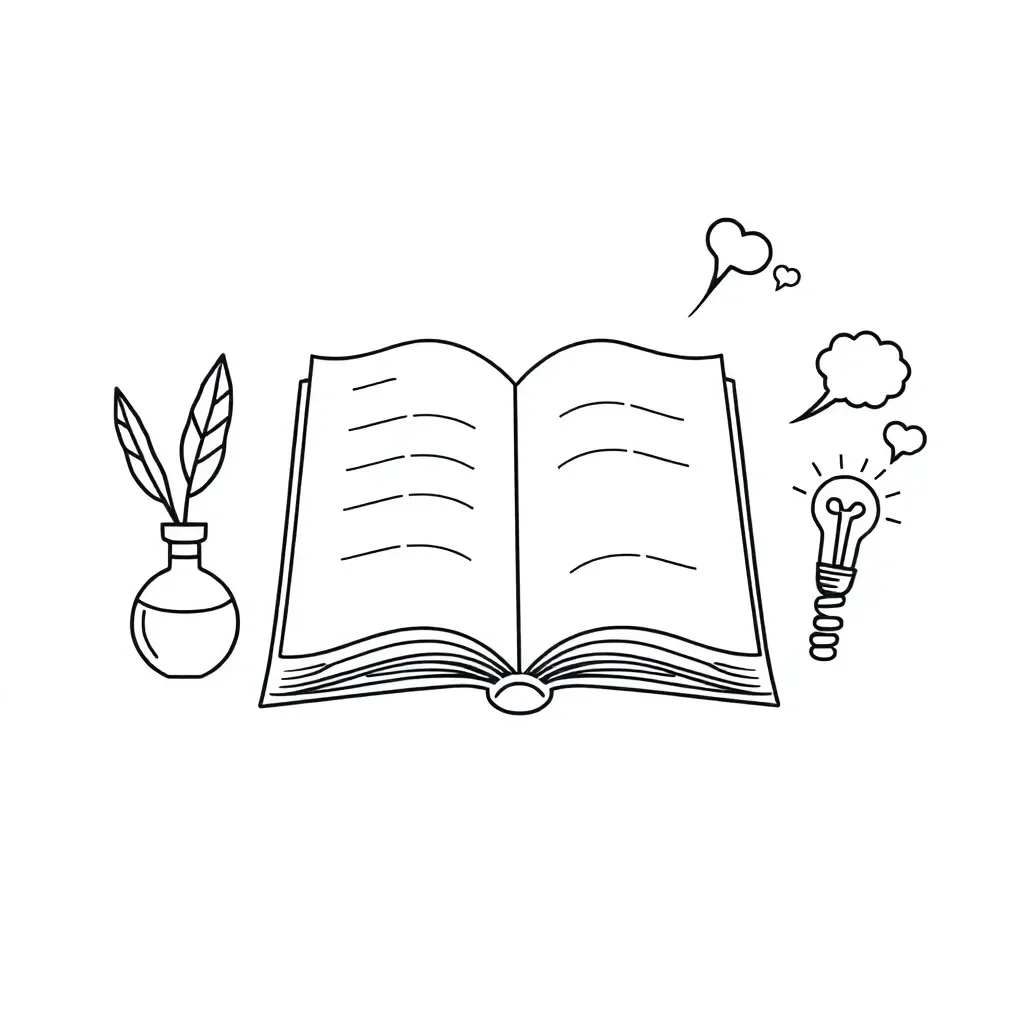
📚 Part 1: Vocabulary & Diction Analysis
a) "The gentleman proceeded cautiously down the corridor."
Formal Informalb) "He's totally gonna freak out when he sees this!"
Formal Informalc) "The young man exhibited considerable anxiety."
Formal InformalCircle all words that create a spooky, mysterious mood:
The / ancient / house / groaned / and / whispered / secrets / in / the / howling / wind
✏️ Part 2: Diction in Context
Version A: "Jake was skinny and weird-looking."
Version B: "Jake possessed a slender frame and distinctive features."
How does the diction in each version affect your perception of Jake? Explain in 2-3 sentences:
The old mansion _____________ on the hill, its broken windows _____________ like dead eyes. The wind _____________ through the bare trees, making visitors feel _____________.
🎯 Part 3: Creative Application
Mood Choice:
Positive/Welcoming Negative/UnpleasantFormal example: _________________________________
Effect: _________________________________
Informal example: _________________________________
Effect: _________________________________
About This Worksheet
Free in Kuraplan
Sign up free, grab the PDF, and customize it for your class.
Print-Ready
Formatted for standard paper. Clean layout, easy to read.
AI-Generated
Created with Kuraplan's AI, designed for real classroom use.
For Teachers & Parents
Use in classrooms, for homework, tutoring, or homeschool.
Need a custom version of this worksheet?
Kuraplan's AI generates custom worksheets in seconds — differentiated for every learner, aligned to your curriculum.
Generate Custom Worksheets — FreeMore English (ELA) Worksheets
Theme and Textual Evidence
Free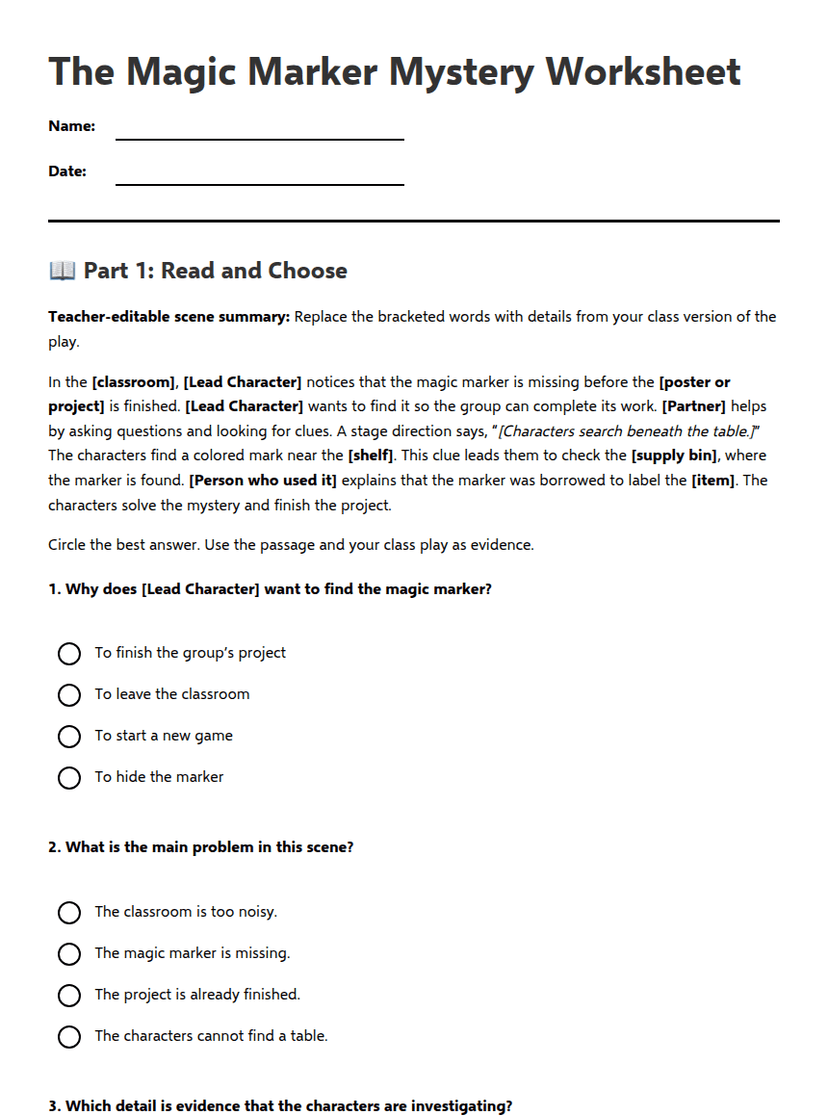
The Magic Marker Mystery Worksheet
Free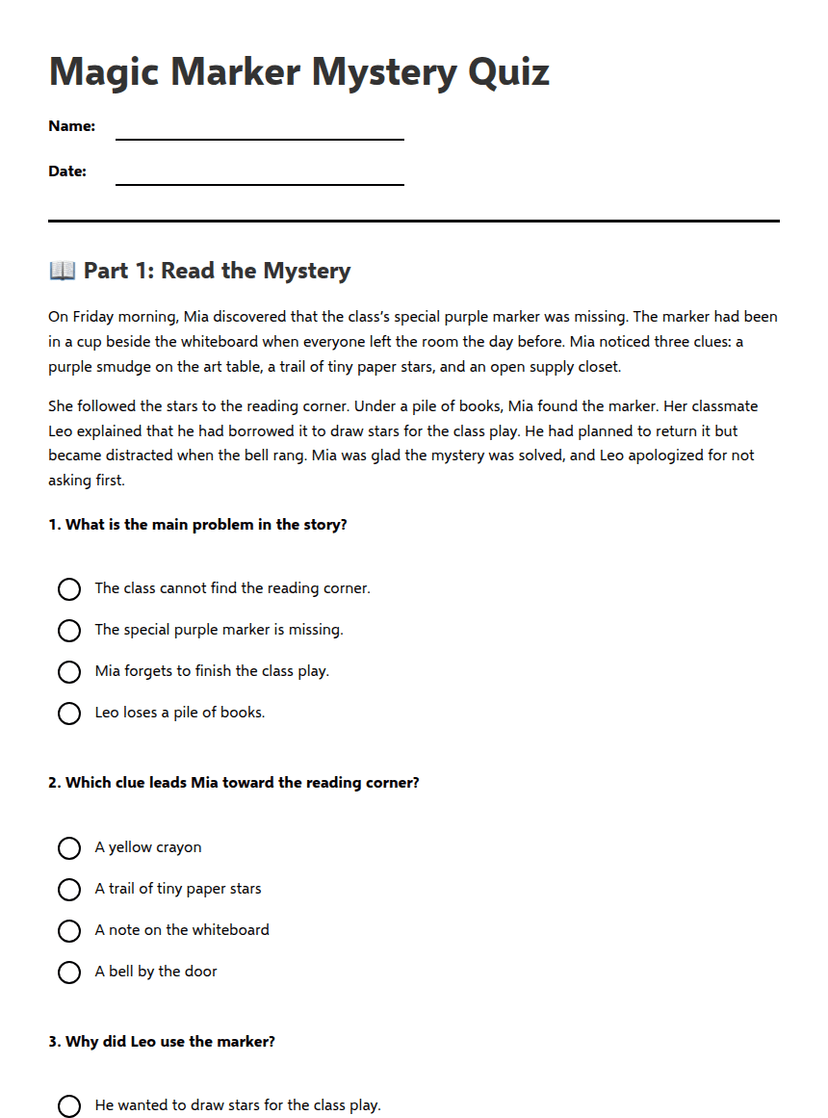
Magic Marker Mystery Quiz
Free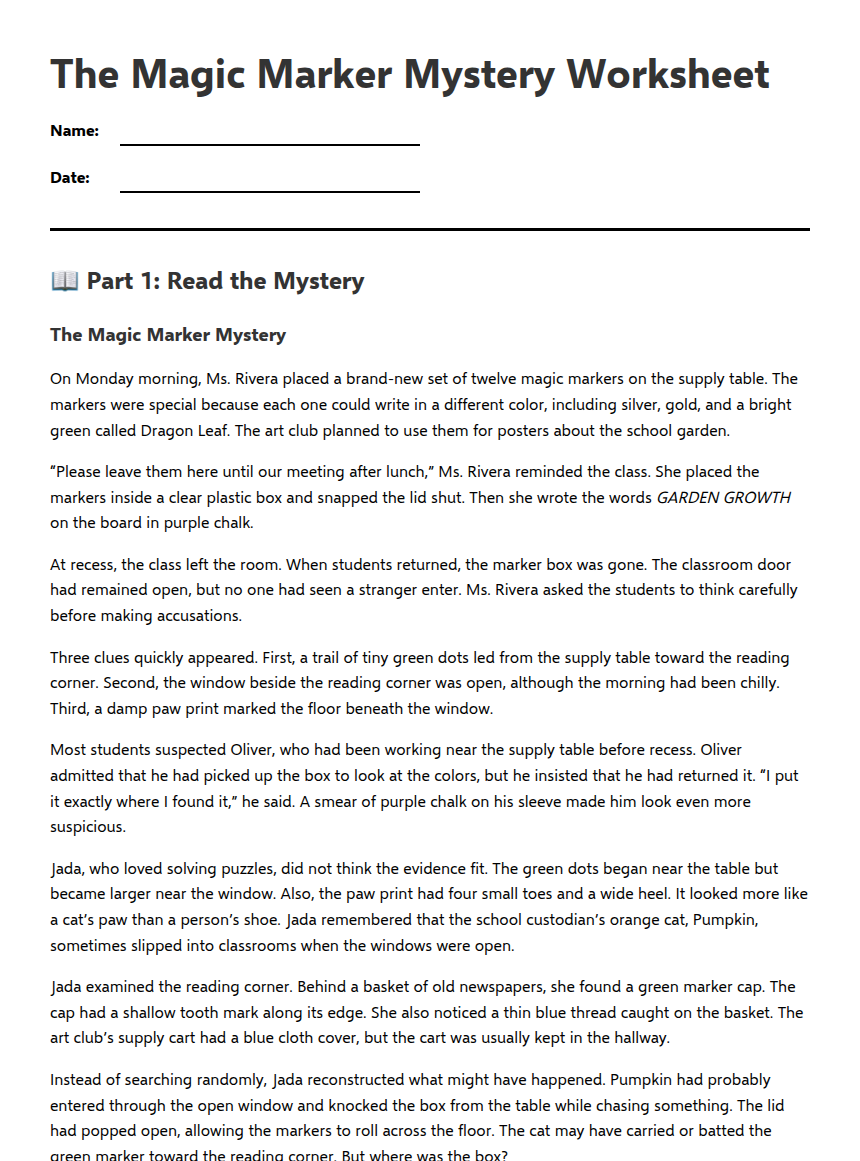
The Magic Marker Mystery Worksheet
Free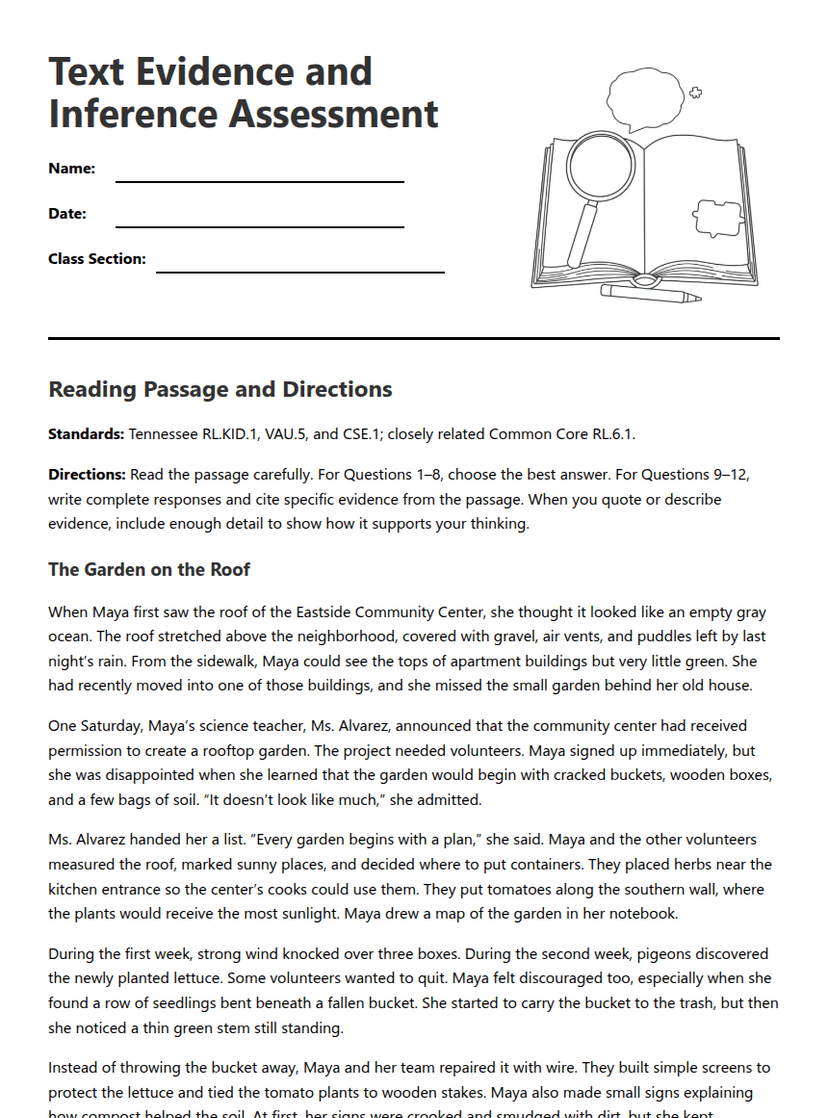
Text Evidence and Inference Assessment
Free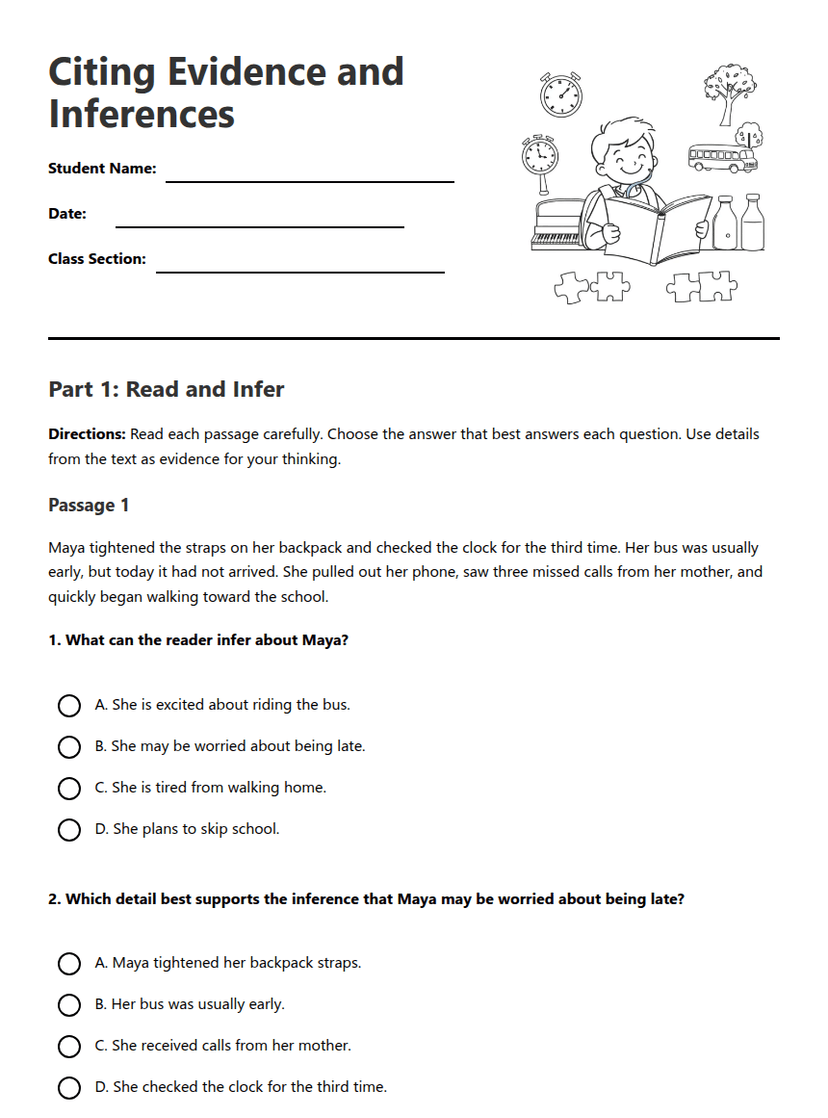
Citing Evidence and Inferences
Free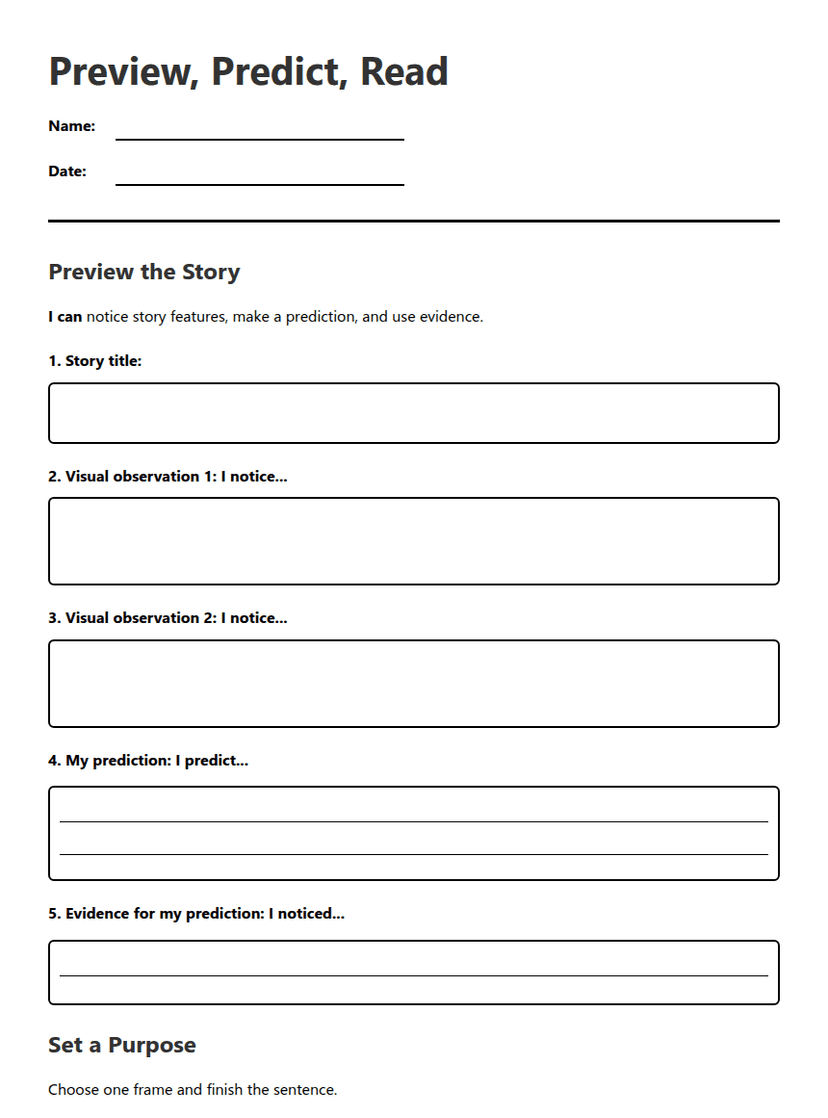
Preview, Predict, Read”】【
Free