Code of Hammurabi Worksheet
A free social studies worksheet ready for your classroom. Open in Kuraplan to grab the print-ready PDF, customize it for your students, or generate a fresh version in seconds.

Code of Hammurabi Worksheet
🎯 Success Criteria - "I Can..." Statements (6th Grade)
By the end of this lesson, I can:
📖 Part 1: Reading Passage - The Code of Hammurabi
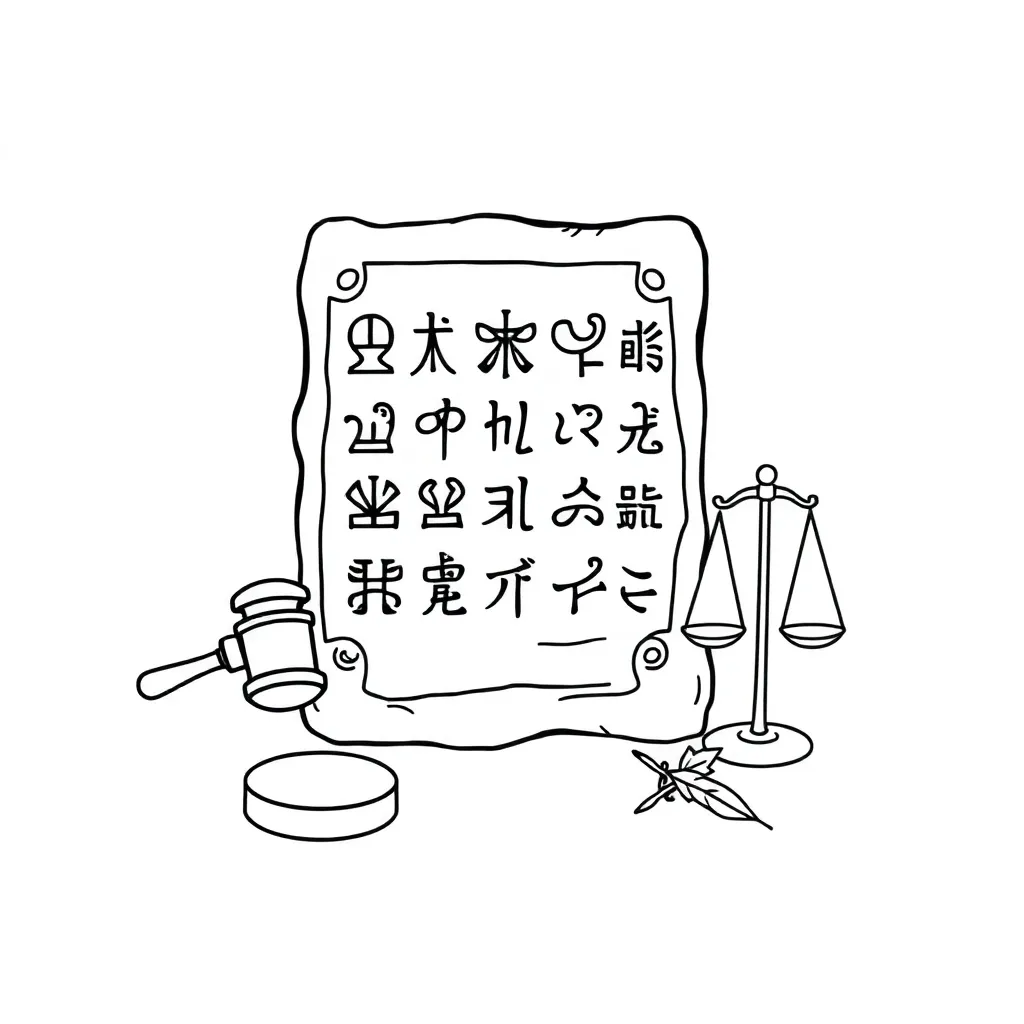
Around 1750 BCE, in the ancient kingdom of Babylon in Mesopotamia, King Hammurabi created one of the world's first written law codes. This collection of 282 laws became known as the Code of Hammurabi. The laws were carved into a large black stone pillar called a stele, which stood over seven feet tall.
Hammurabi wanted everyone in his kingdom to know the laws, so he placed copies of the code in temples and public places throughout Babylon. The laws covered many aspects of daily life, including trade, family relationships, property rights, and punishments for crimes. The code was based on the principle of "lex talionis," which means "the law of retaliation" - essentially "an eye for an eye, a tooth for a tooth."
However, not everyone was treated equally under Hammurabi's laws. Society was divided into three classes: nobles, commoners, and slaves. The punishments for the same crime varied depending on which social class the person belonged to. For example, if a noble injured a commoner, the punishment was less severe than if a commoner injured a noble.
Despite its inequalities, the Code of Hammurabi was revolutionary because it established the idea that laws should be written down and made public. This helped reduce corruption and ensured that everyone knew what was expected of them. The code influenced legal systems for thousands of years and is still studied today as one of humanity's earliest attempts to create an organized system of justice.
Fill-in-the-Blank Questions (Use the reading passage above)
Multiple Choice Questions (Based on the reading)
✏️ Part 2: Create Your Own Laws
Instructions: Imagine you are creating laws for your classroom or school. Write 4 fair laws that would help everyone get along and learn better. For each law, explain why you think it's important.
Why this law is important:
Why this law is important:
Why this law is important:
Why this law is important:
🤔 Part 3: Reflection and Analysis
About This Worksheet
Free in Kuraplan
Sign up free, grab the PDF, and customize it for your class.
Print-Ready
Formatted for standard paper. Clean layout, easy to read.
AI-Generated
Created with Kuraplan's AI, designed for real classroom use.
For Teachers & Parents
Use in classrooms, for homework, tutoring, or homeschool.
Need a custom version of this worksheet?
Kuraplan's AI generates custom worksheets in seconds — differentiated for every learner, aligned to your curriculum.
Generate Custom Worksheets — FreeMore Social Studies Worksheets
African American History
Free
Ancient India for Kids
Free
World History Quiz Worksheet
Free
Brown v. Board Mosaic
Free
Amish American History Exploration
Free
Amish American History Overview
Free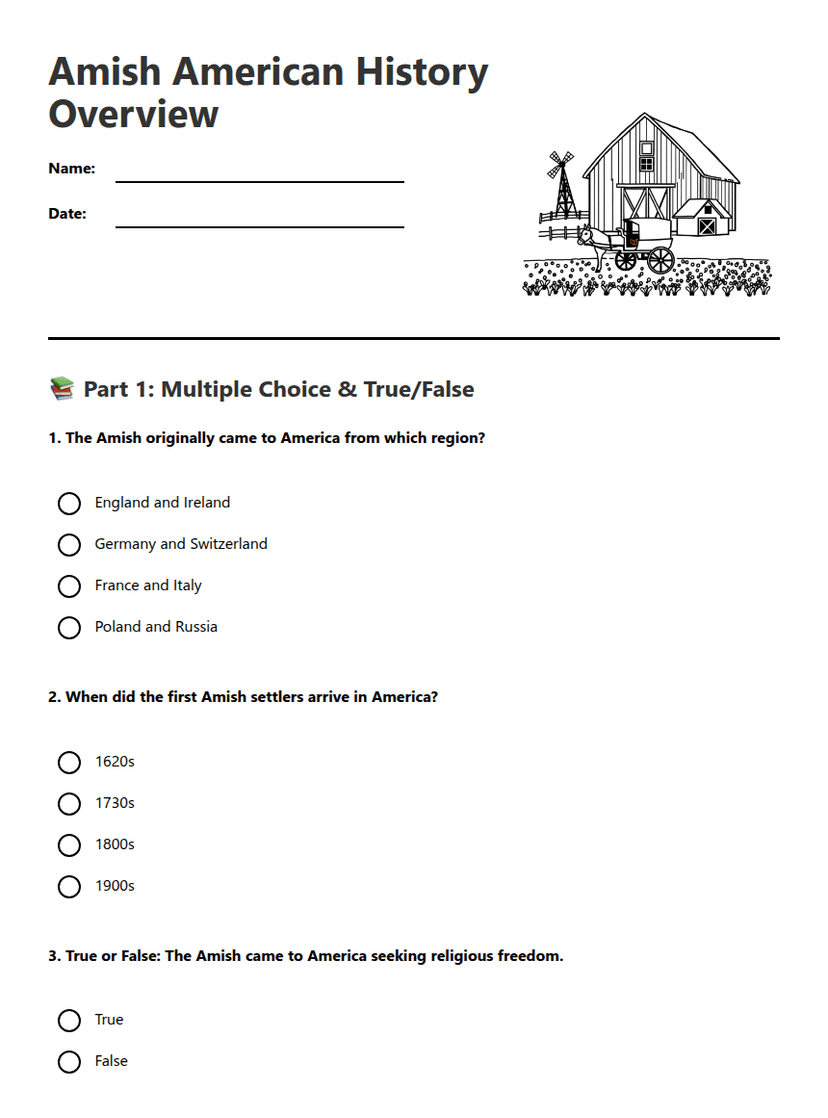
Amish American History Overview
Free