Physical Geography Reading Comprehension
A free english (ela) worksheet ready for your classroom. Open in Kuraplan to grab the print-ready PDF, customize it for your students, or generate a fresh version in seconds.
Physical Geography Reading Comprehension
📖 Reading Passage: Earth's Amazing Physical Features
I can identify and describe different landforms, climate patterns, and natural resources.
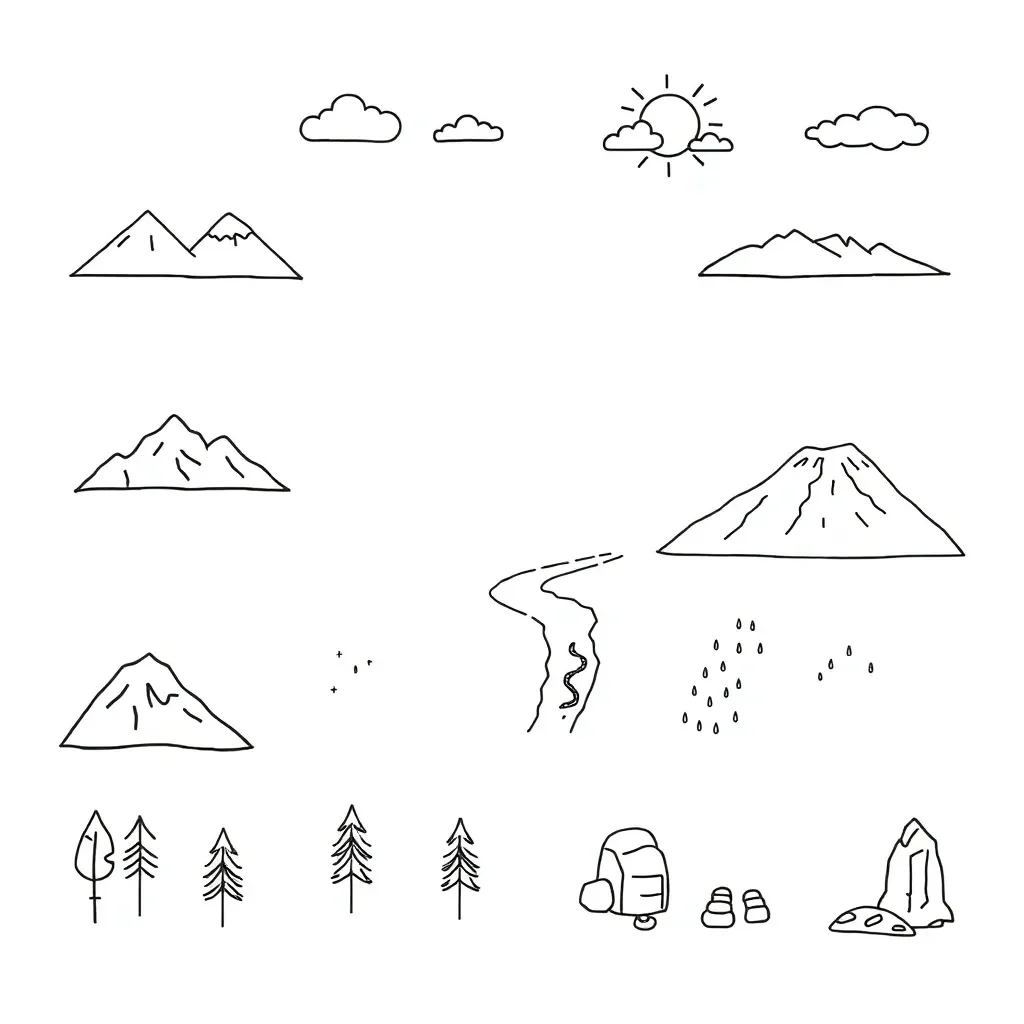
Our planet Earth has incredible physical features that make it unique and beautiful. Physical geography is the study of Earth's natural features like mountains, rivers, deserts, and forests.
Landforms are the natural shapes on Earth's surface. Mountains are tall, rocky areas that can reach thousands of feet high. The Rocky Mountains in the western United States stretch over 3,000 miles! Valleys are low areas between hills or mountains where rivers often flow. Plains are large, flat areas perfect for farming, like the Great Plains in the middle of our country.
Climate is the usual weather pattern in an area over many years. It's different from weather, which changes daily. Florida has a warm, humid climate year-round, while Alaska has a cold climate with long winters. Climate affects what plants and animals can live in different places.
Natural resources are materials from nature that people use. Water is our most important resource - we need it to drink, grow food, and generate electricity. Forests give us wood for building and paper. Underground, we find oil, natural gas, and minerals like gold and iron. The fertile soil in places like Iowa helps farmers grow corn and soybeans to feed people around the world.
Rivers and lakes are important water features. The Mississippi River is 2,320 miles long and helps transport goods across the country. The Great Lakes contain about 20% of the world's fresh water! These water bodies also affect the climate of nearby areas, making winters warmer and summers cooler.
🧠 Part 1: Multiple Choice Questions
✏️ Part 2: Short Answer & True/False
Circle one: TRUE or FALSE
Circle one: TRUE or FALSE
Dyslexia-Friendly Option: Students may use text-to-speech tools or have the passage read aloud. Answers may be given verbally to a teacher or aide.
About This Worksheet
Free in Kuraplan
Sign up free, grab the PDF, and customize it for your class.
Print-Ready
Formatted for standard paper. Clean layout, easy to read.
AI-Generated
Created with Kuraplan's AI, designed for real classroom use.
For Teachers & Parents
Use in classrooms, for homework, tutoring, or homeschool.
Need a custom version of this worksheet?
Kuraplan's AI generates custom worksheets in seconds — differentiated for every learner, aligned to your curriculum.
Generate Custom Worksheets — FreeMore English (ELA) Worksheets
Theme and Textual Evidence
Free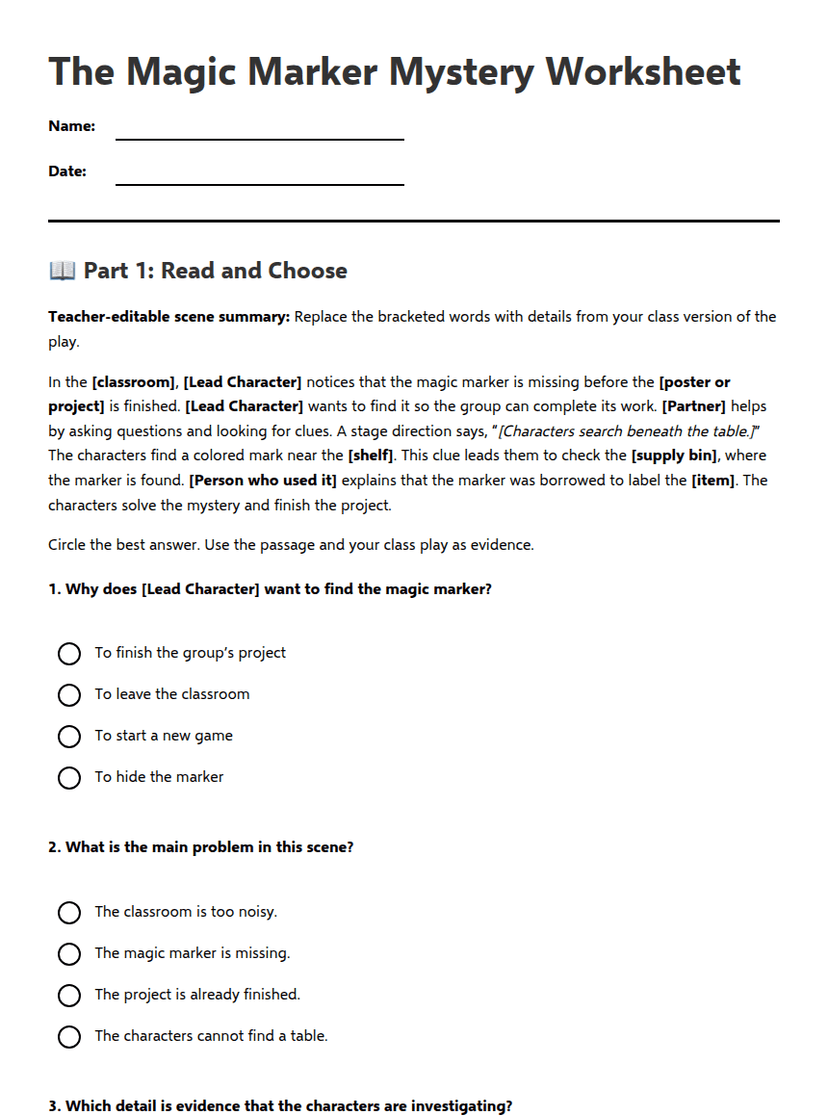
The Magic Marker Mystery Worksheet
Free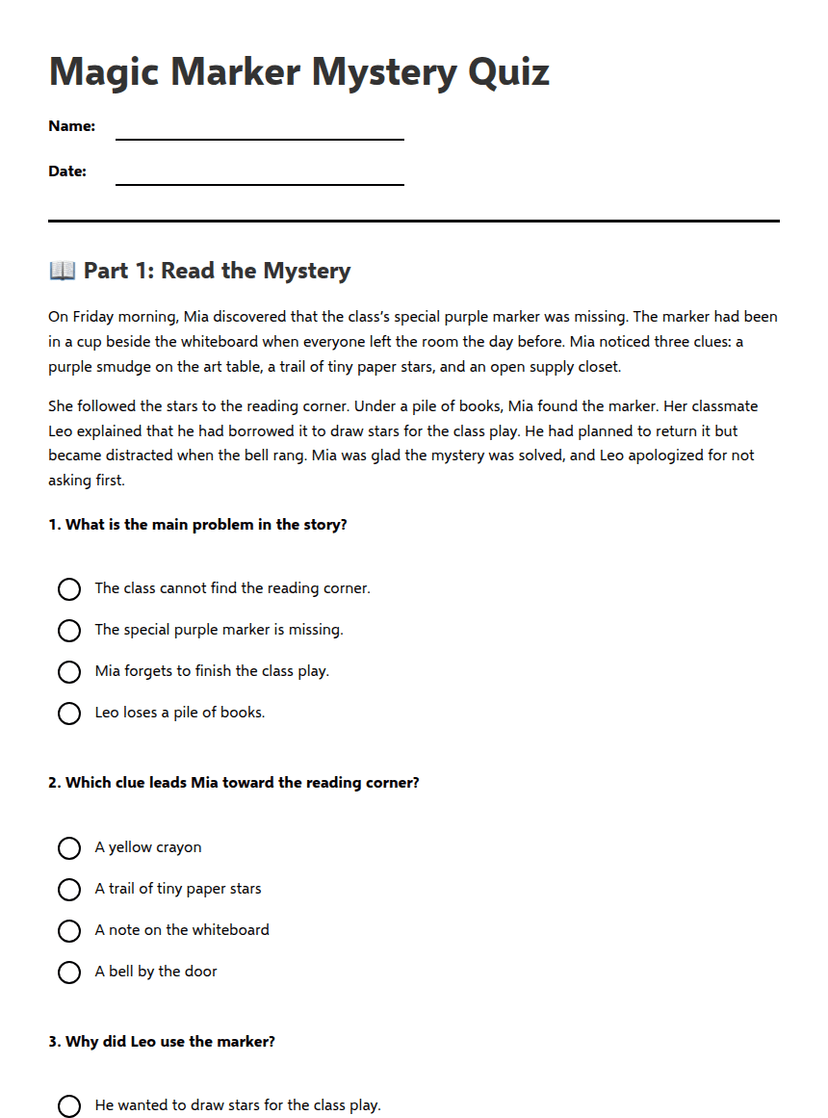
Magic Marker Mystery Quiz
Free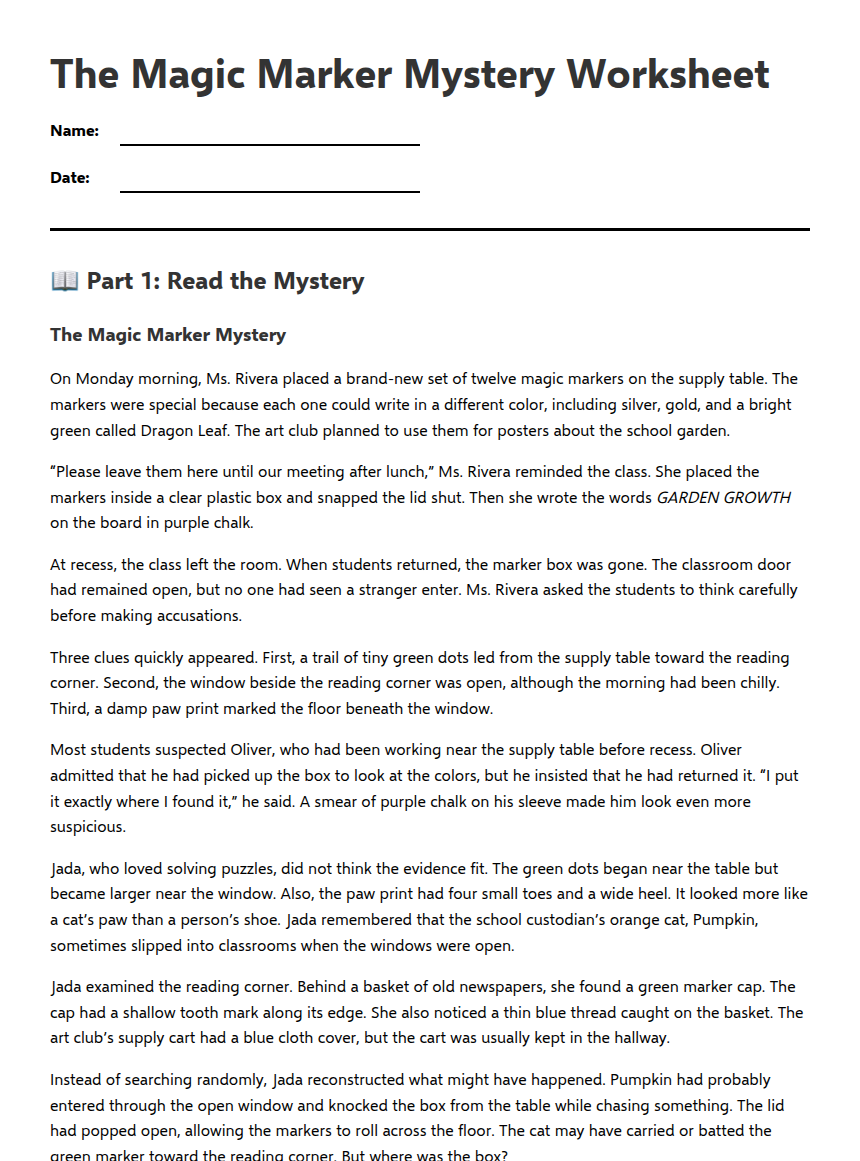
The Magic Marker Mystery Worksheet
Free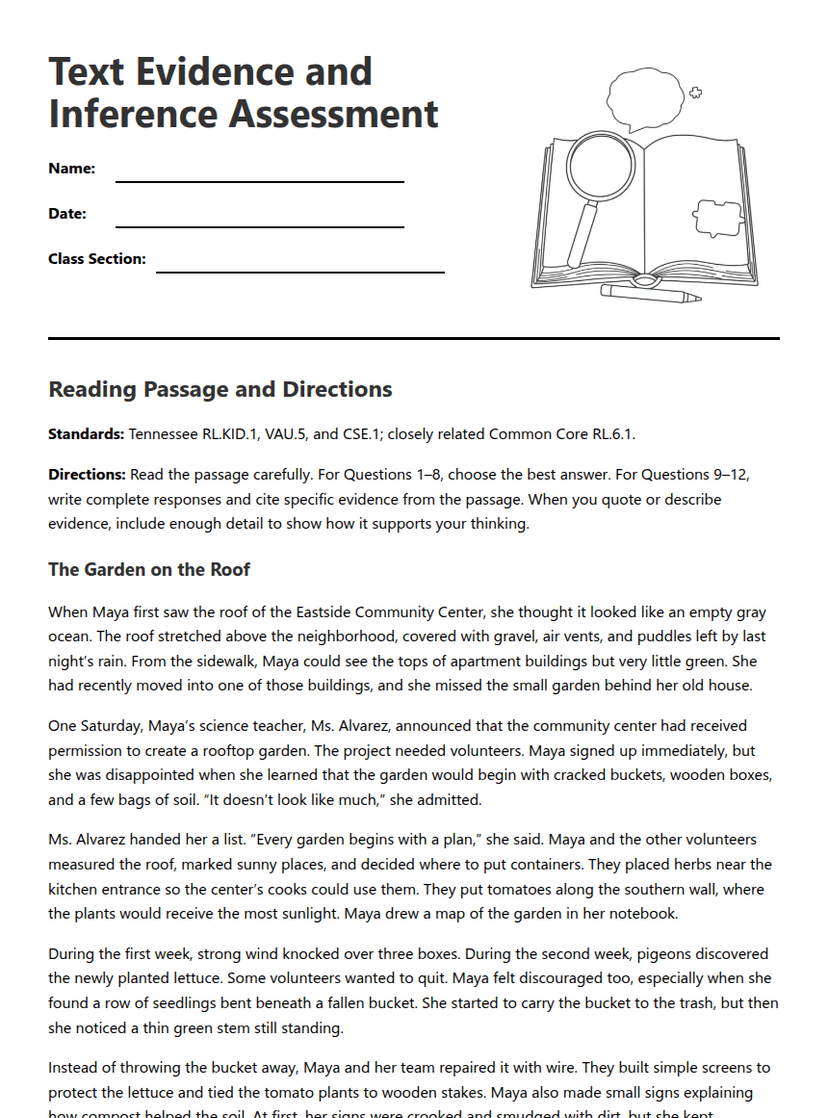
Text Evidence and Inference Assessment
Free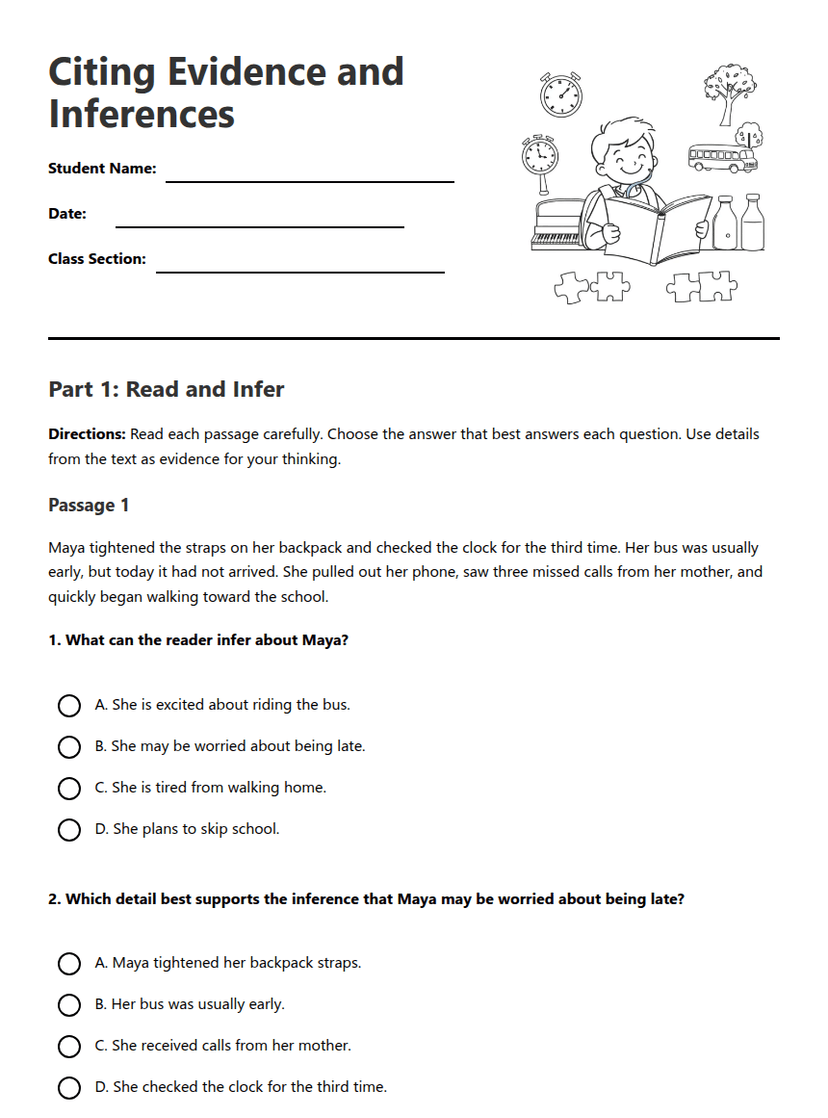
Citing Evidence and Inferences
Free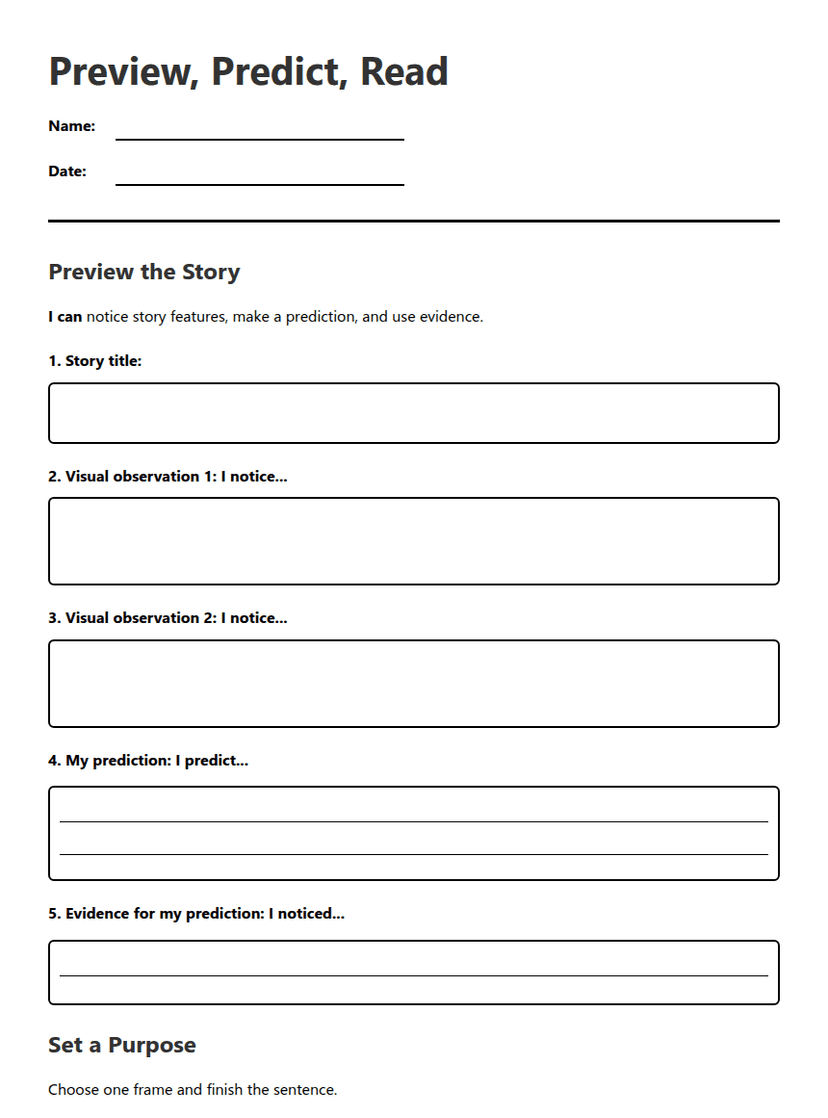
Preview, Predict, Read”】【
Free