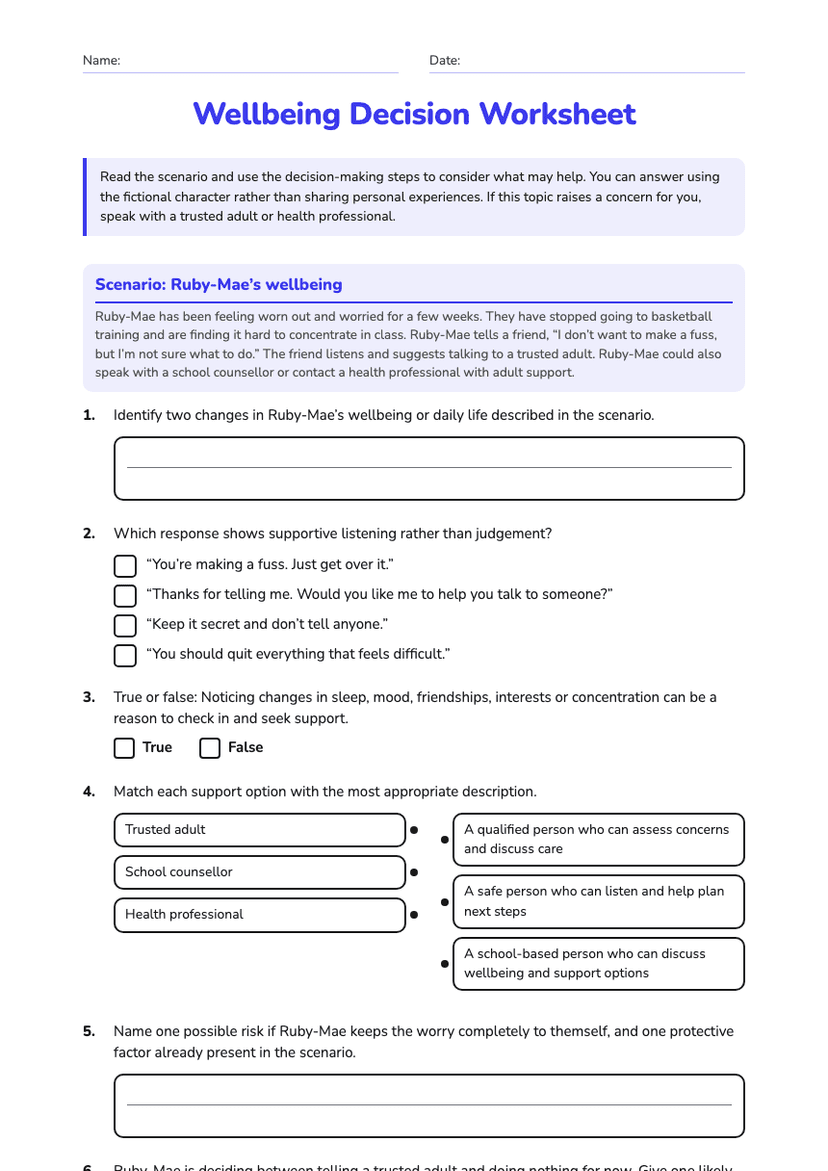
Growing Up & Wellbeing
A free health worksheet ready for your classroom. Open in Kuraplan to grab the print-ready PDF, customize it for your students, or generate a fresh version in seconds.
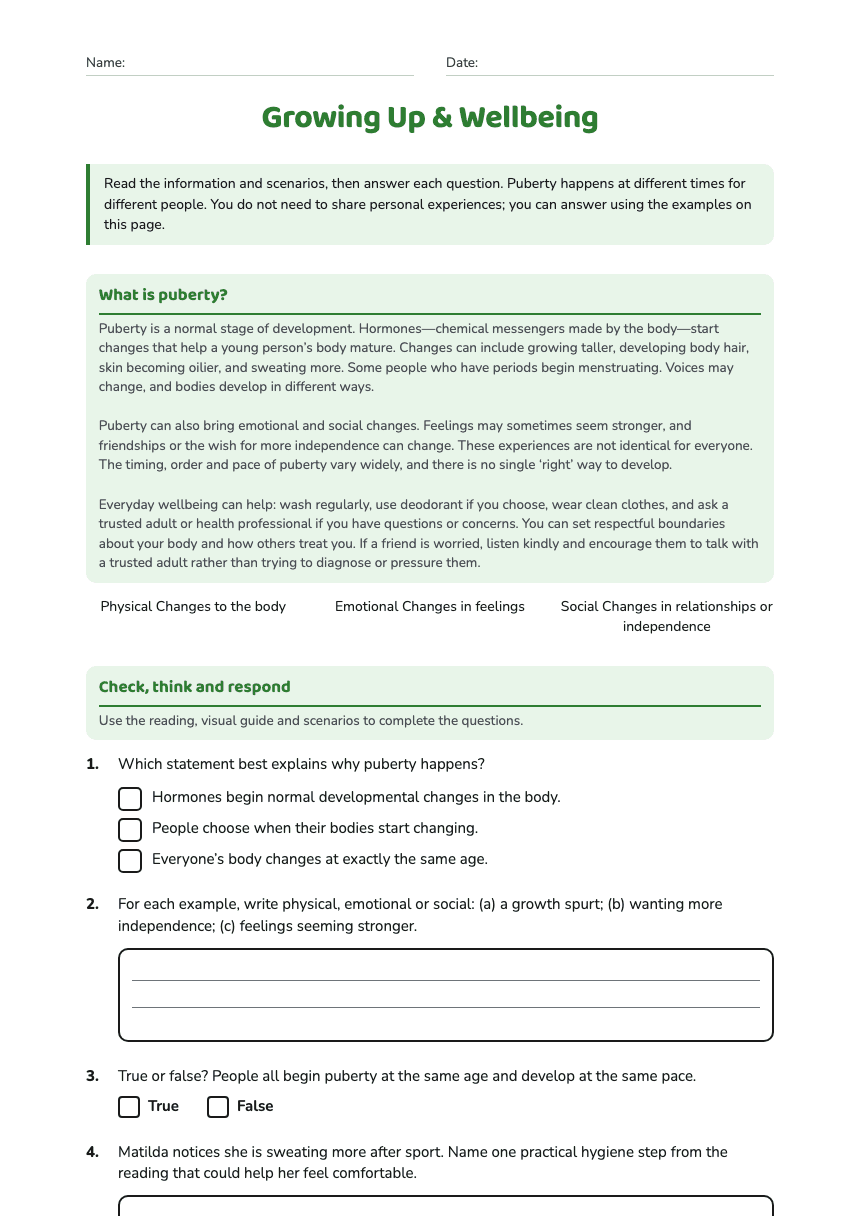
Growing Up & Wellbeing
What is puberty?
Puberty is a normal stage of development. Hormones—chemical messengers made by the body—start changes that help a young person’s body mature. Changes can include growing taller, developing body hair, skin becoming oilier, and sweating more. Some people who have periods begin menstruating. Voices may change, and bodies develop in different ways. Puberty can also bring emotional and social changes. Feelings may sometimes seem stronger, and friendships or the wish for more independence can change. These experiences are not identical for everyone. The timing, order and pace of puberty vary widely, and there is no single ‘right’ way to develop. Everyday wellbeing can help: wash regularly, use deodorant if you choose, wear clean clothes, and ask a trusted adult or health professional if you have questions or concerns. You can set respectful boundaries about your body and how others treat you. If a friend is worried, listen kindly and encourage them to talk with a trusted adult rather than trying to diagnose or pressure them.
Physical Changes to the body
Emotional Changes in feelings
Social Changes in relationships or independence
Check, think and respond
Use the reading, visual guide and scenarios to complete the questions.
- Hormones begin normal developmental changes in the body.
- People choose when their bodies start changing.
- Everyone’s body changes at exactly the same age.
3 printable pages
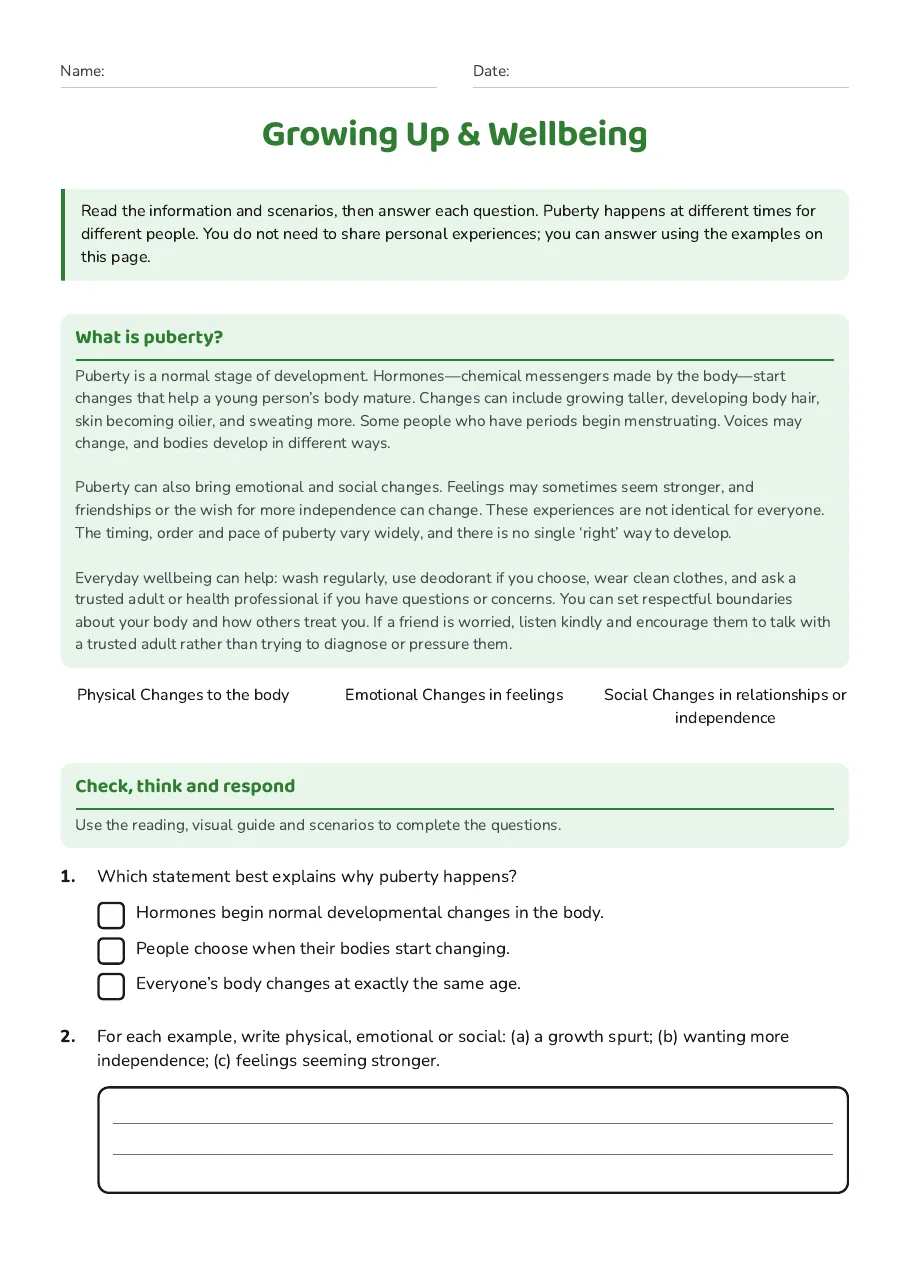
Page 1
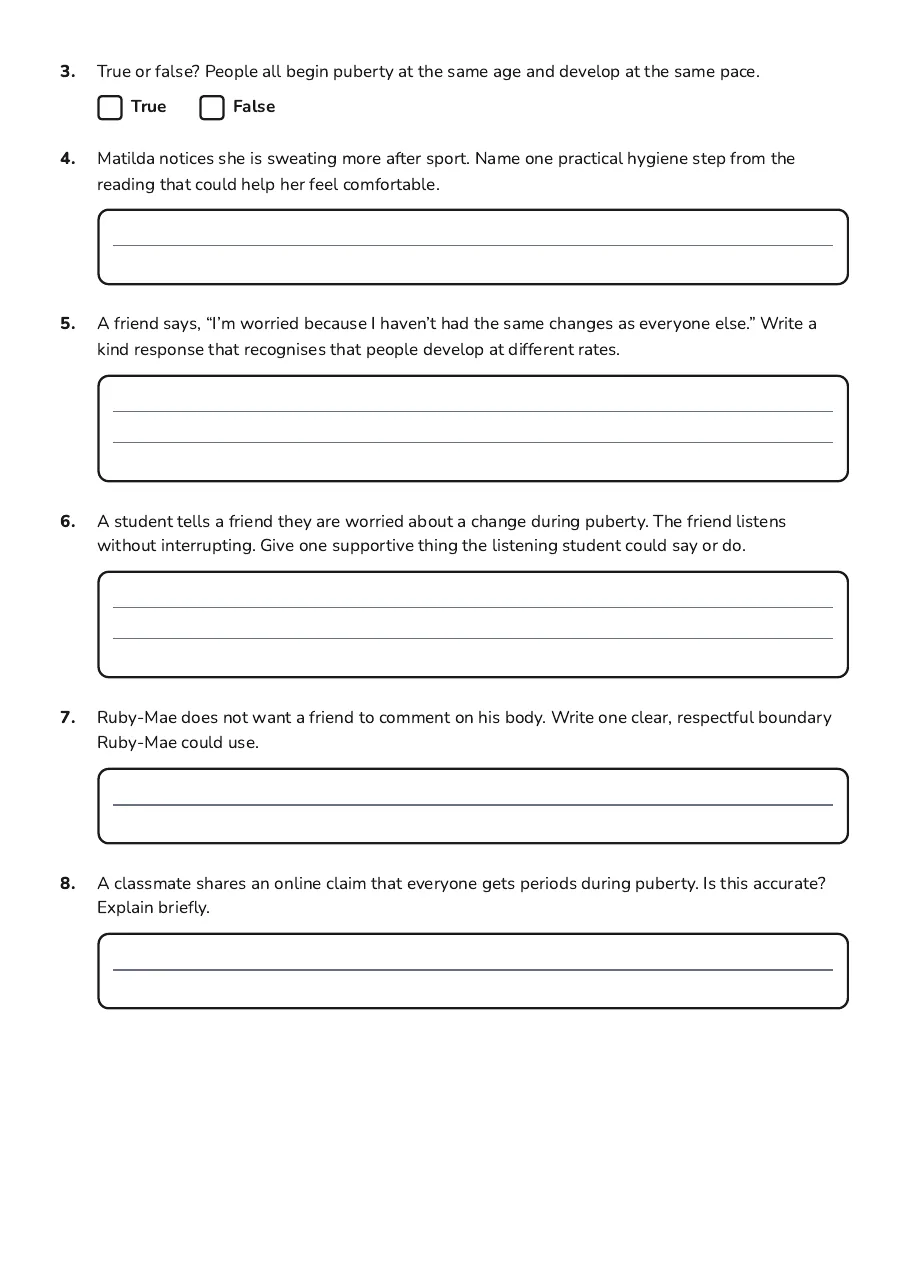
Page 2

Page 3
About This Worksheet
Free in Kuraplan
Sign up free, grab the PDF, and customize it for your class.
Print-Ready
Formatted for standard paper. Clean layout, easy to read.
AI-Generated
Created with Kuraplan's AI, designed for real classroom use.
For Teachers & Parents
Use in classrooms, for homework, tutoring, or homeschool.
Need a custom version of this worksheet?
Kuraplan's AI generates custom worksheets in seconds — differentiated for every learner, aligned to your curriculum.
Generate Custom Worksheets — FreeMore Health Worksheets
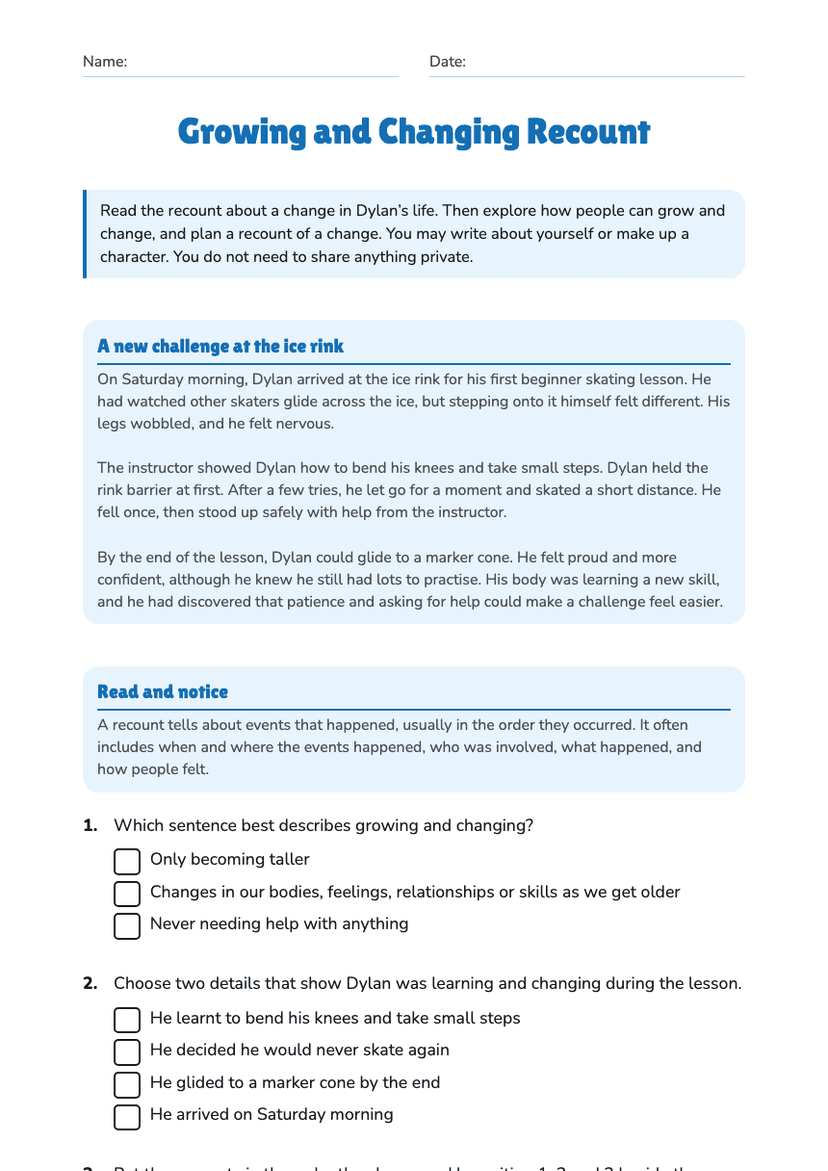
Growing and Changing Recount
Free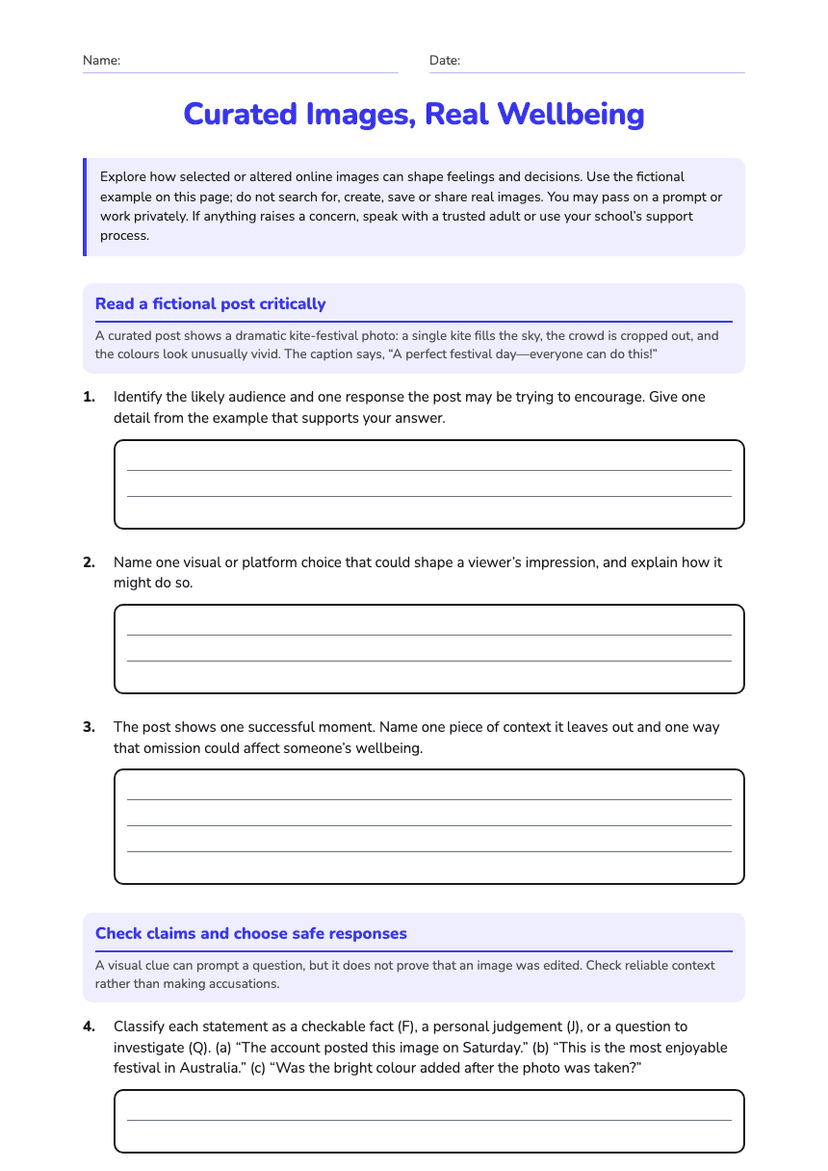
Curated Images, Real Wellbeing
Free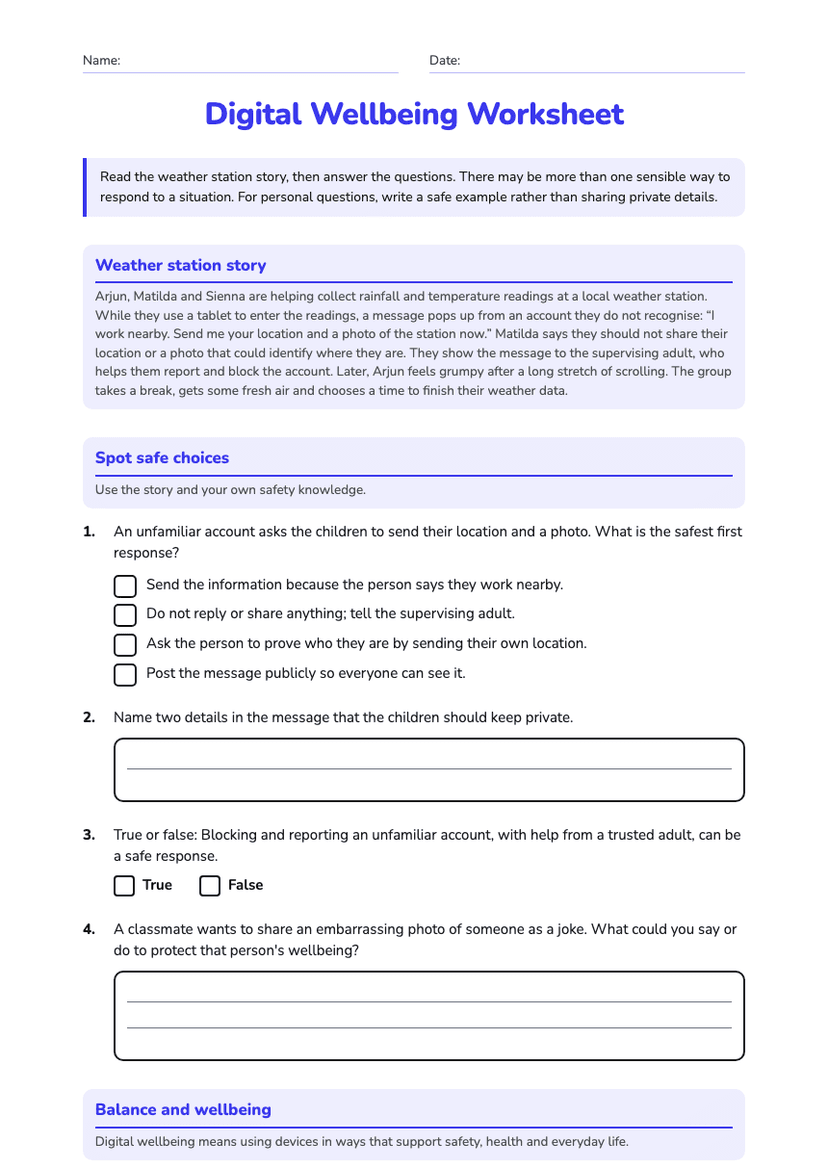
Digital Wellbeing Worksheet
Free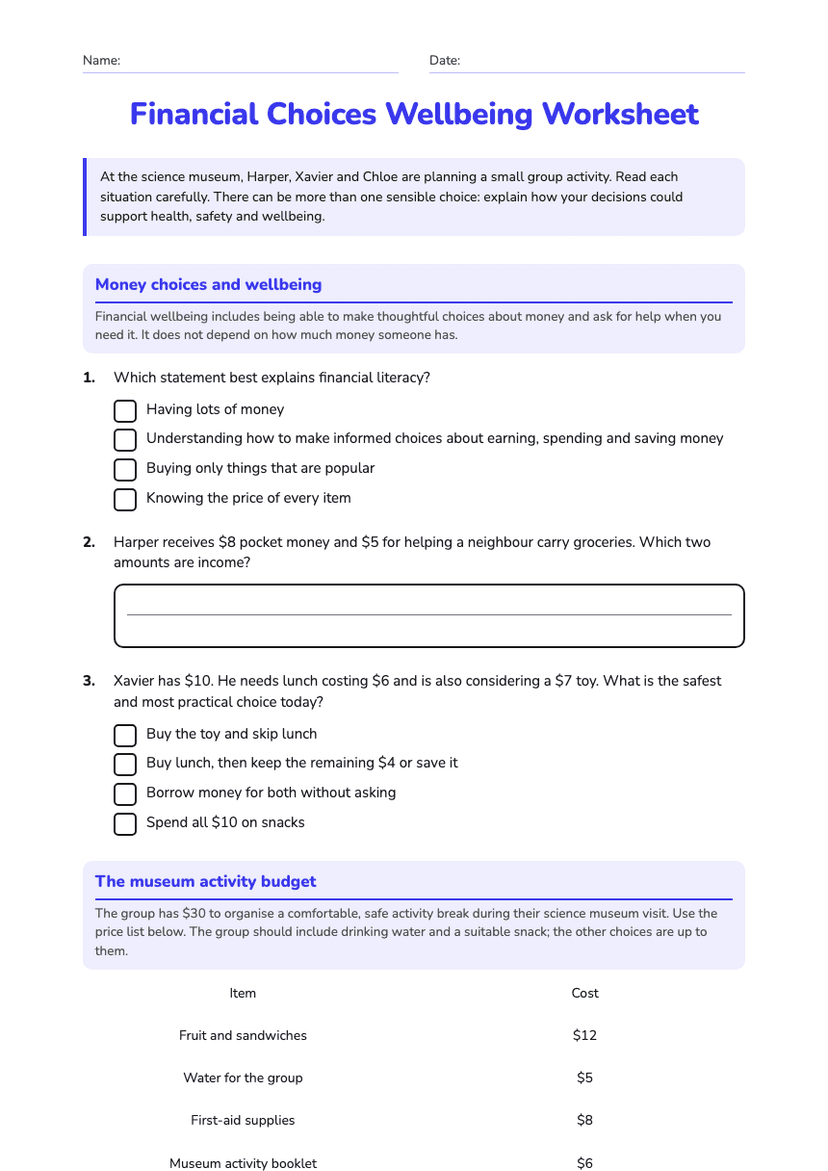
Financial Choices Wellbeing Worksheet
Free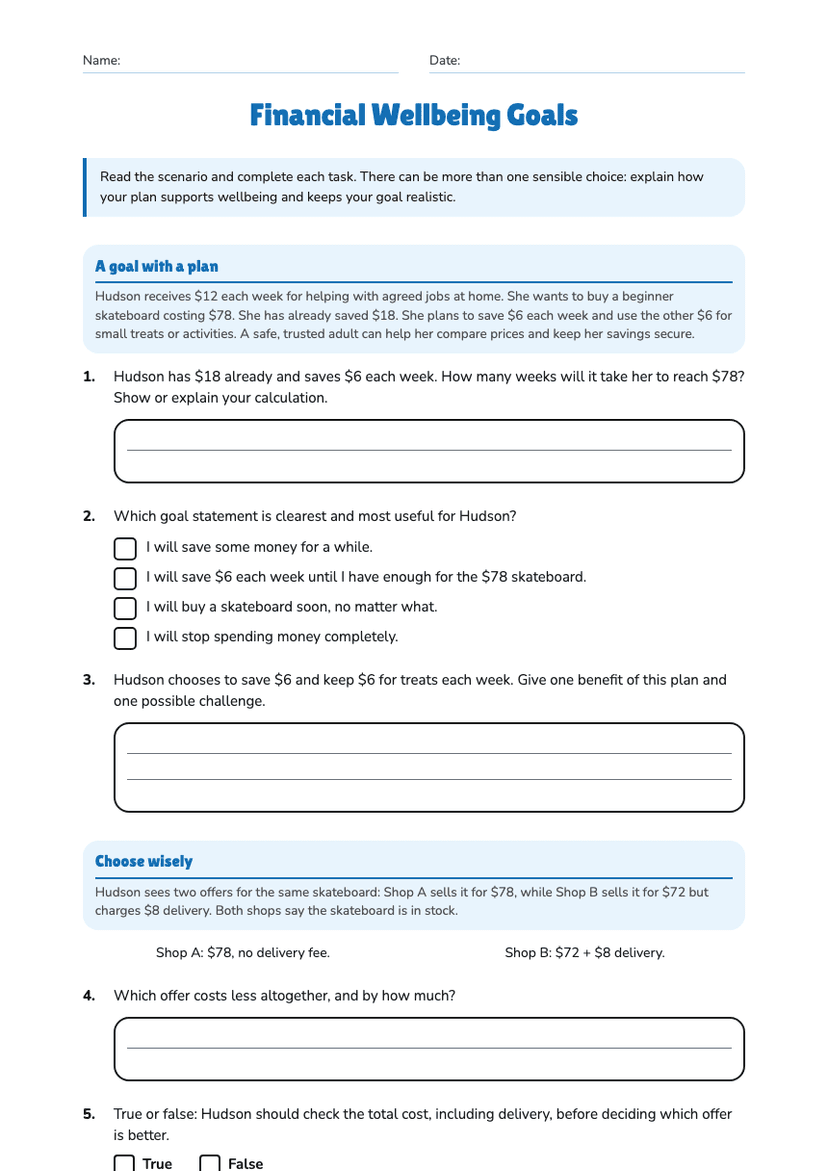
Financial Wellbeing Goals
Free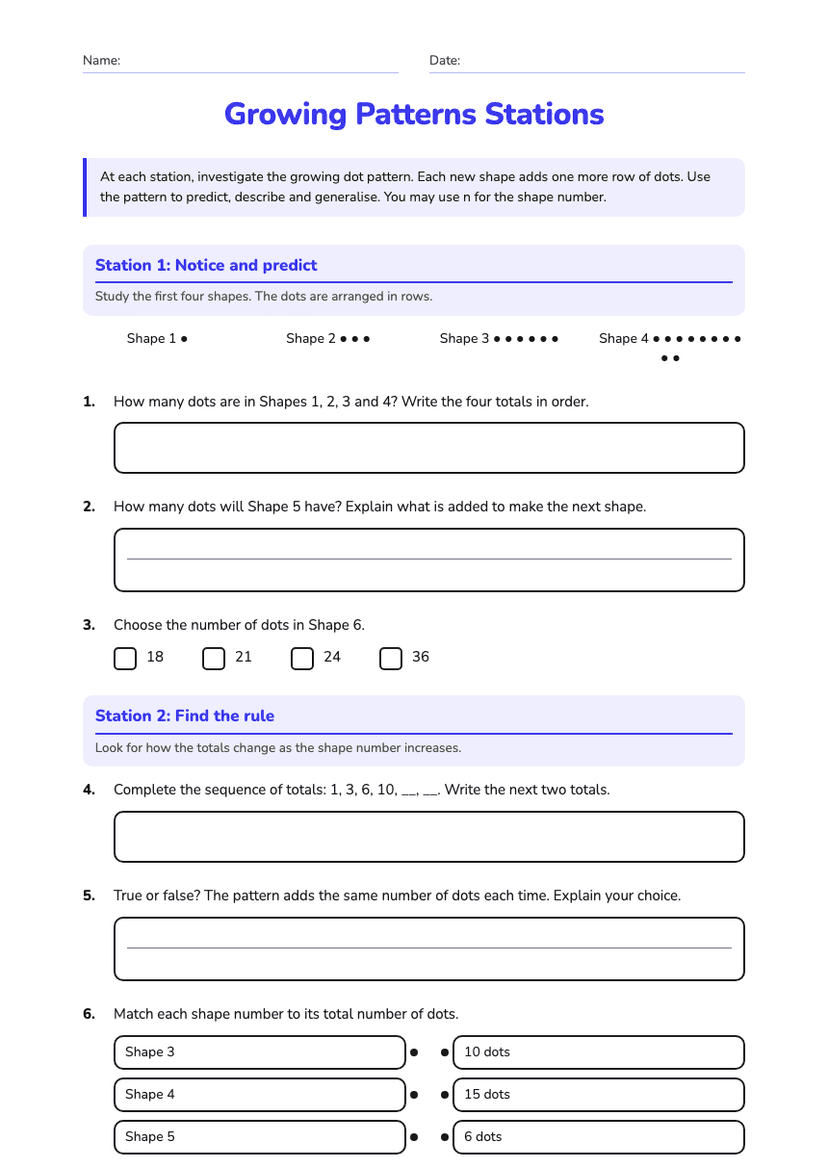
Growing Patterns Stations
Free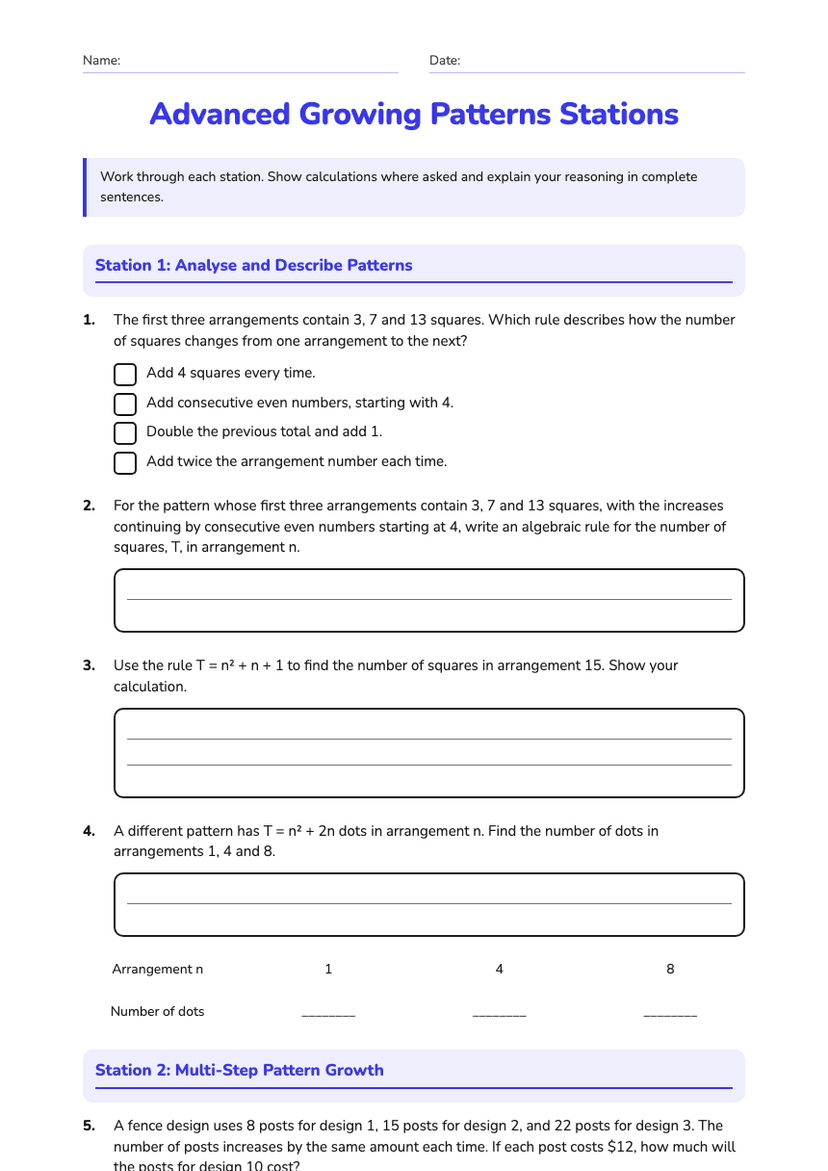
Advanced Growing Patterns Stations
Free