Back to School 2026
Everything you need for the first week of school
School starts in days, not weeks. This page collects our best free back to school resources for US teachers — first week packs by grade band, print-and-go worksheets, coloring pages, and the classroom setup tools that save you an evening: seating charts, name tracing, group makers and timers.
Get the free first week packsFree back to school packs
A curated bundle of first-week resources for your grade band — leave your email and we'll send each pack as it's released this month.
Grades K–2
First Week Pack: K–2
Name practice, all-about-me pages, classroom-routine visuals and easy day-one activities for little learners.
Get the packGrades 3–5
First Week Pack: 3–5
Icebreakers, goal-setting sheets, math and reading warm-ups to see where the class is starting from.
Grades 6–8
First Week Pack: 6–8
Getting-to-know-you activities that don't feel babyish, syllabus scaffolds and first-week routines for middle school.
Grades 9–12
First Week Pack: 9–12
Course expectations templates, discussion starters and diagnostic warm-ups for high school classes.
Fresh worksheets to start the year
The newest free printable worksheets from our US library — handy for review, warm-ups and early diagnostics while routines settle in. Browse the full library for your exact grade and topic.
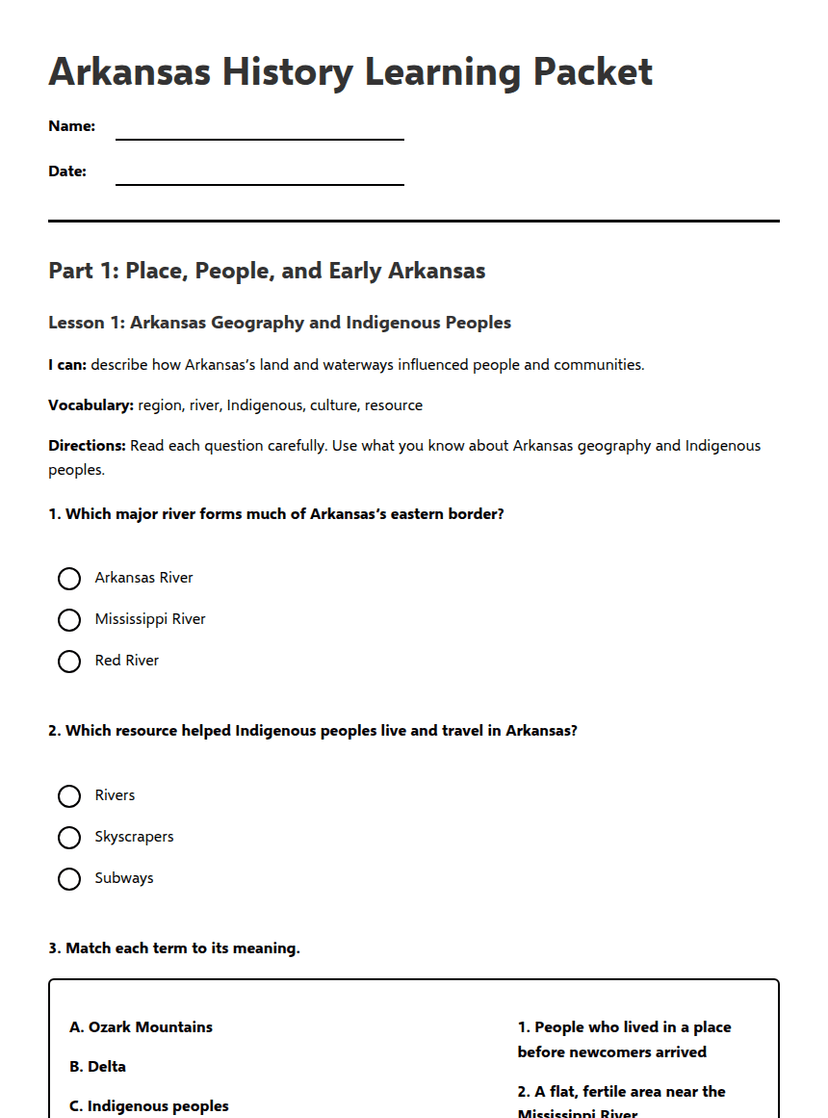
Arkansas History Learning Packet
Free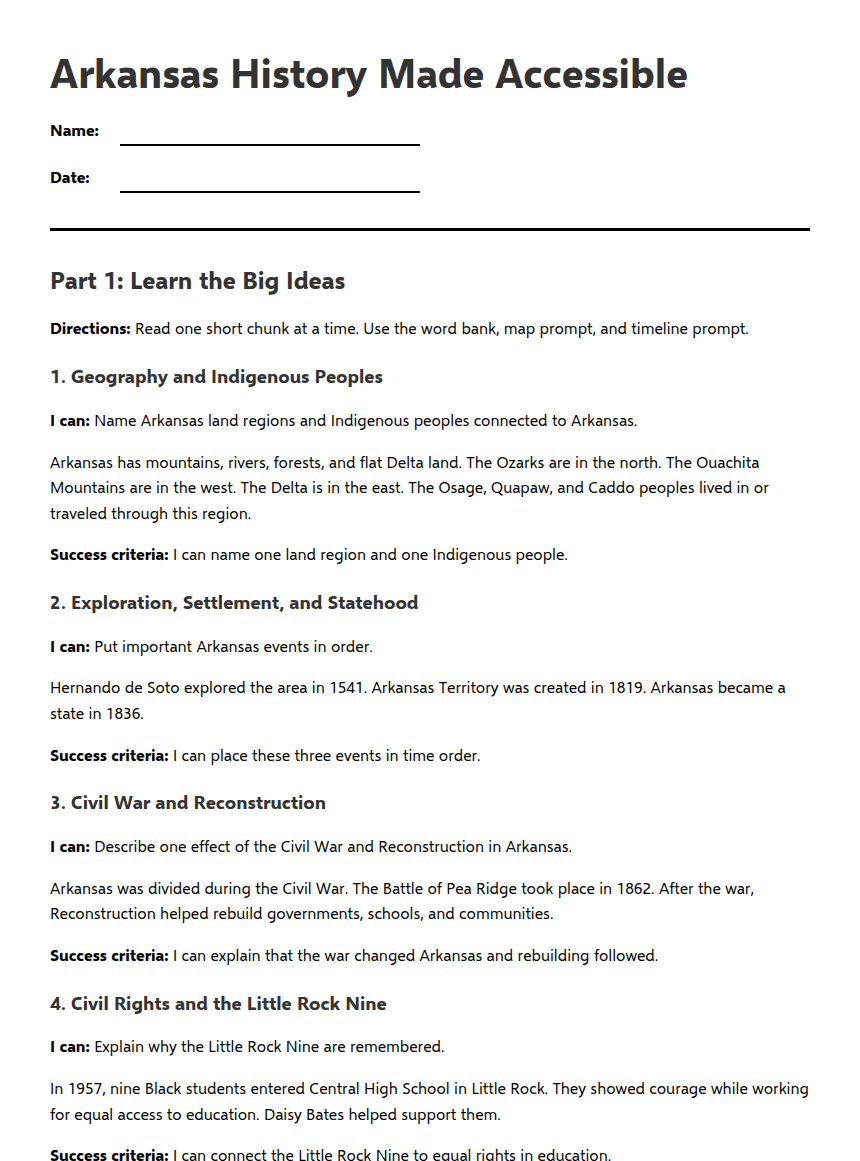
Arkansas History Made Accessible
Free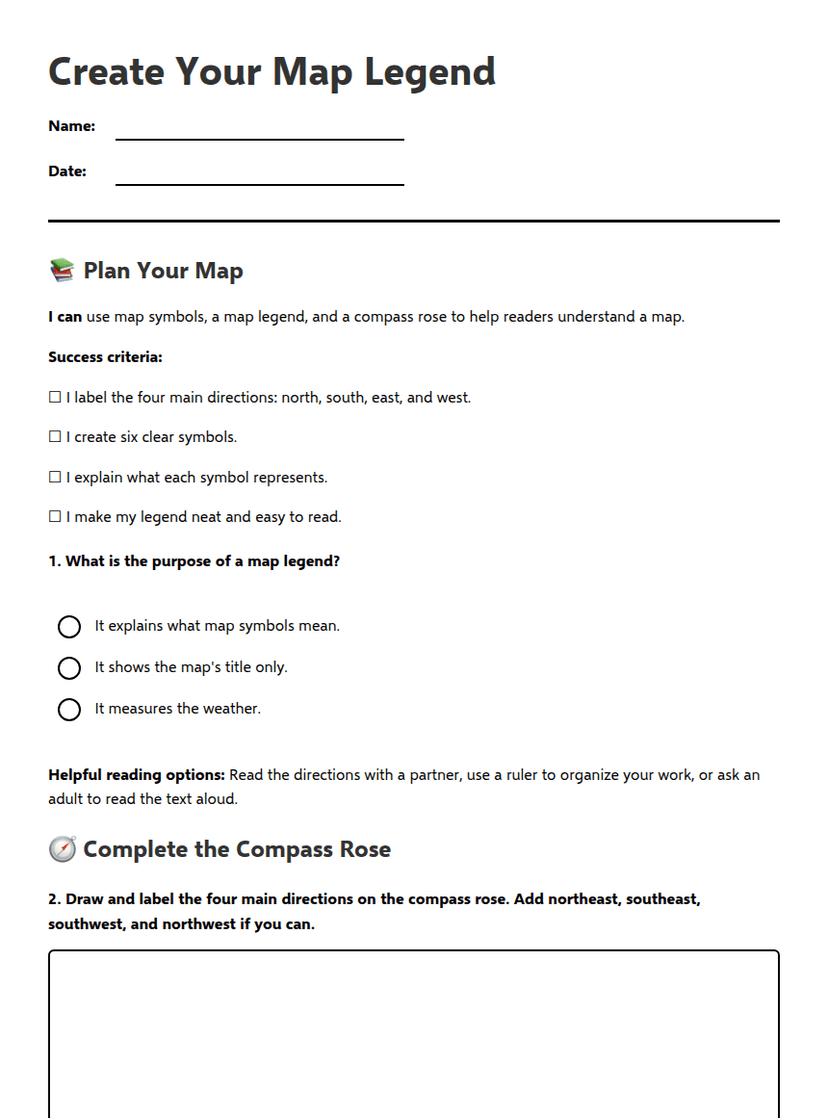
Create Your Map Legend
Free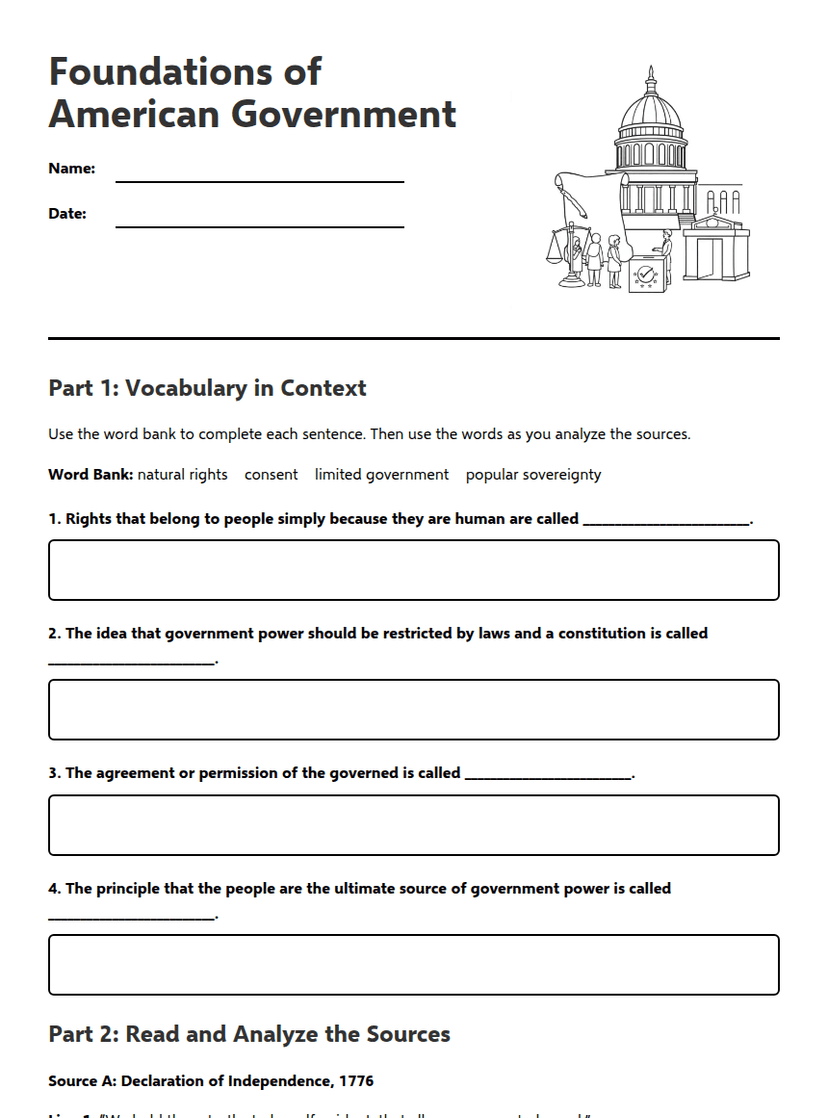
Foundations of American Government
Free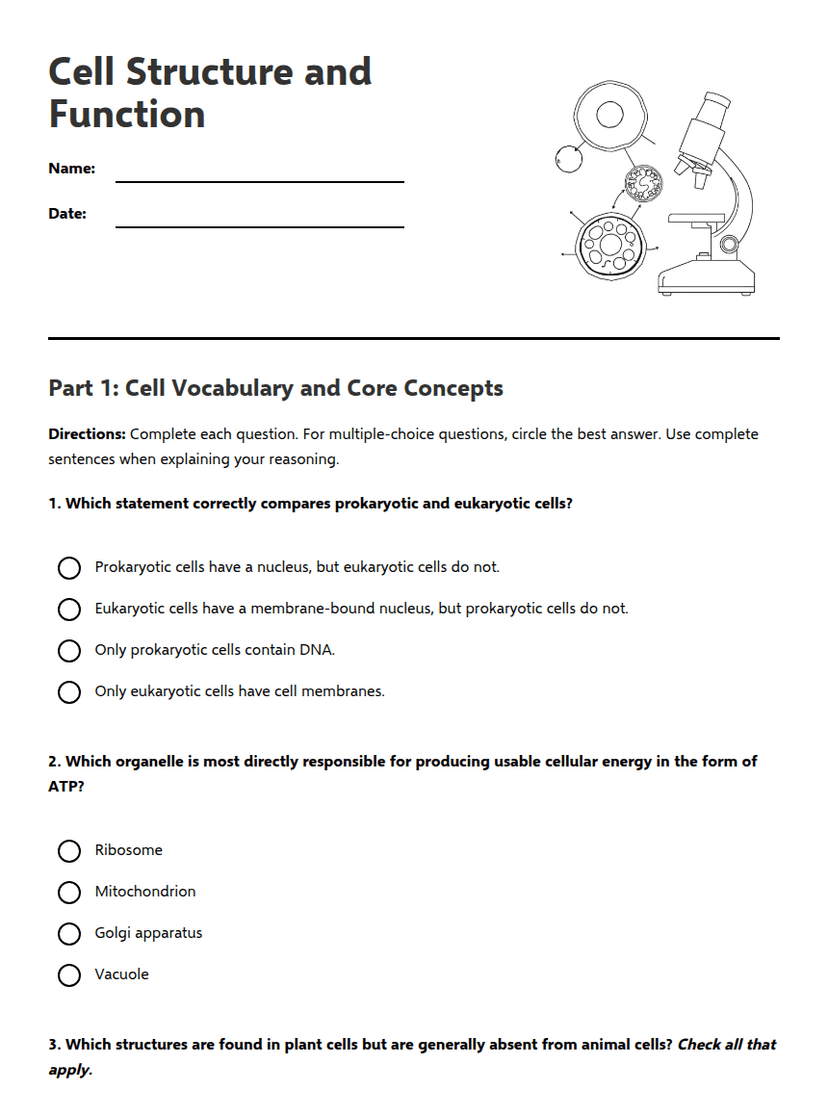
Cell Structure and Function
Free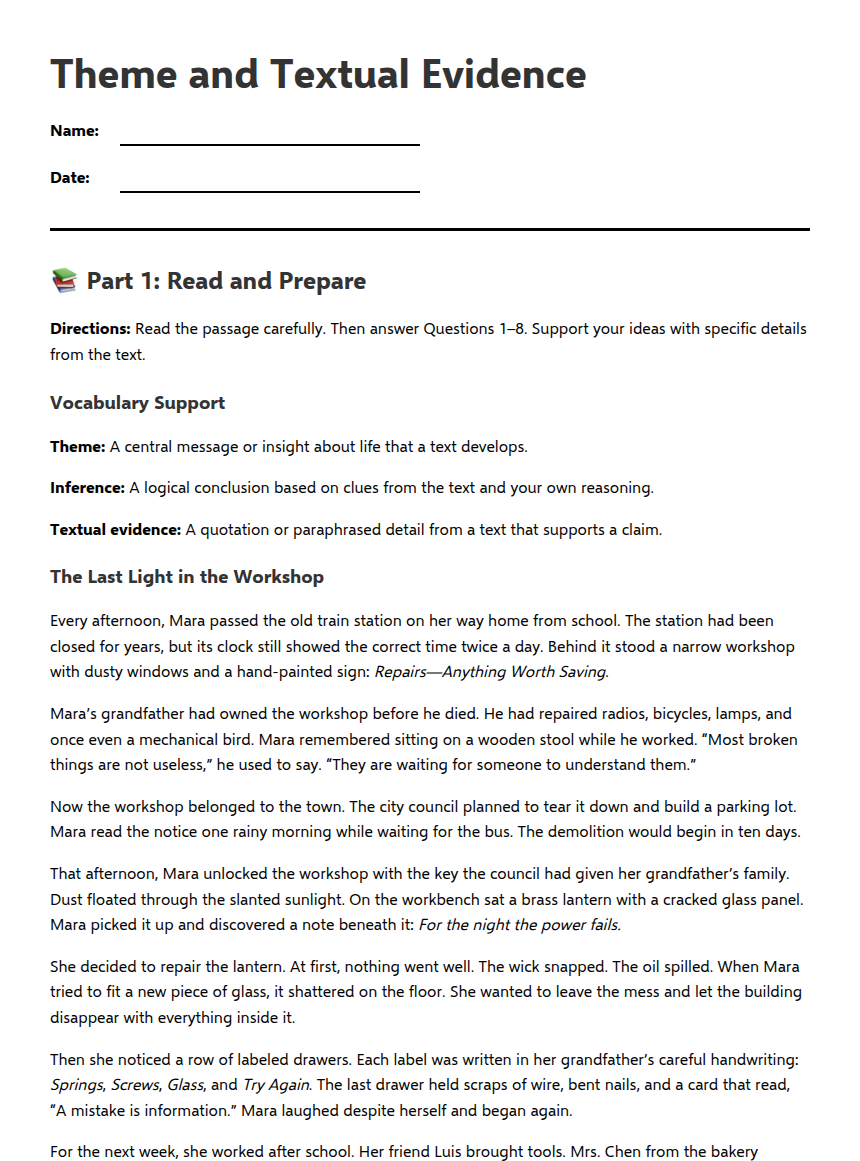
Theme and Textual Evidence
Free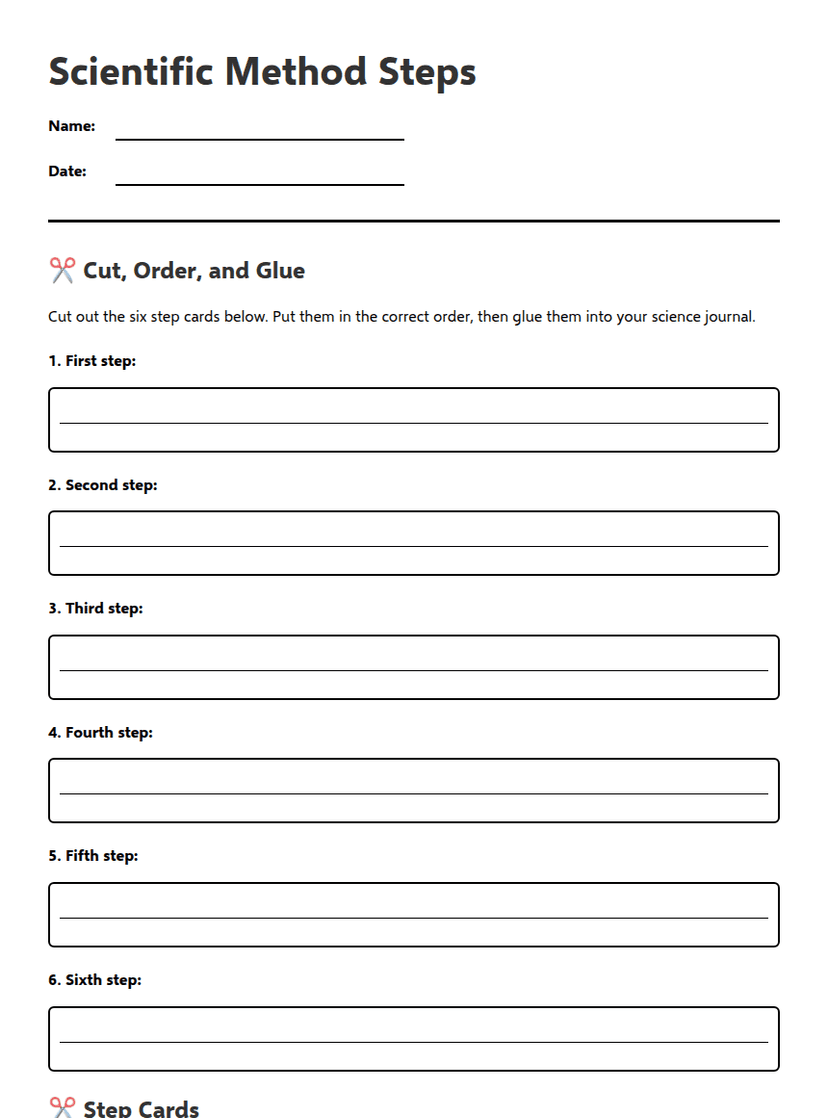
Scientific Method Steps
Free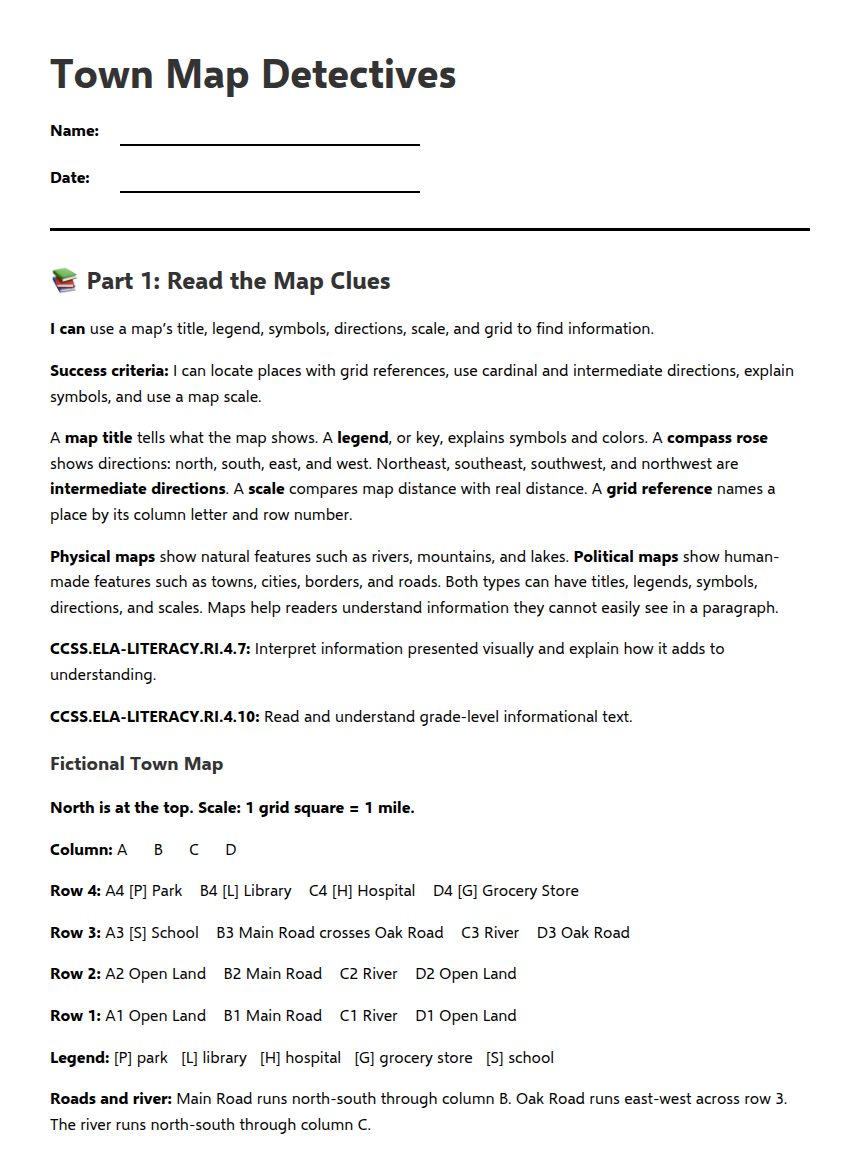
Town Map Detectives
FreeBack to school coloring pages & images
School-themed coloring pages for the first morning, plus clipart for labels, displays and welcome slides — all free to download and use in your classroom.
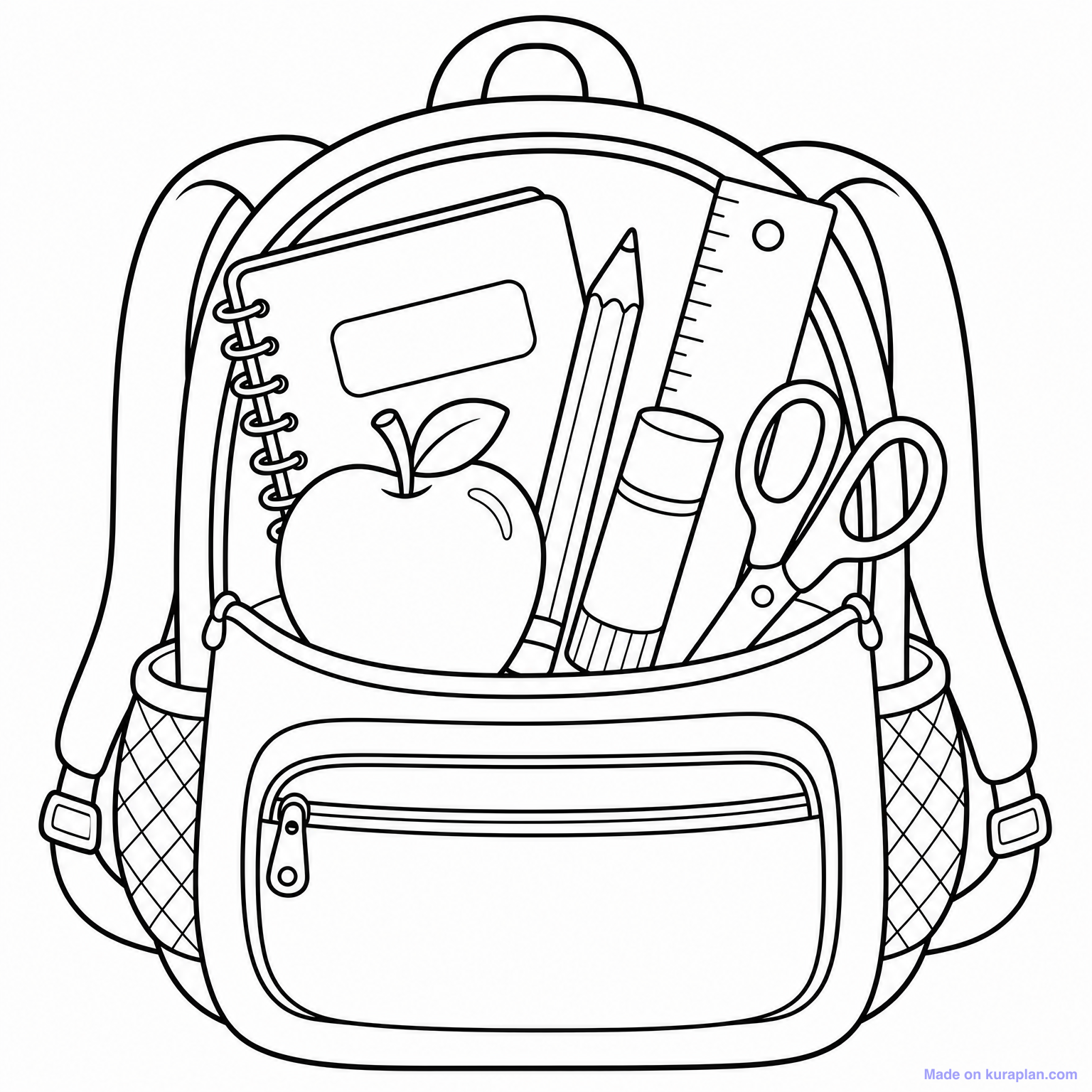
School Backpack with Supplies — Coloring Page
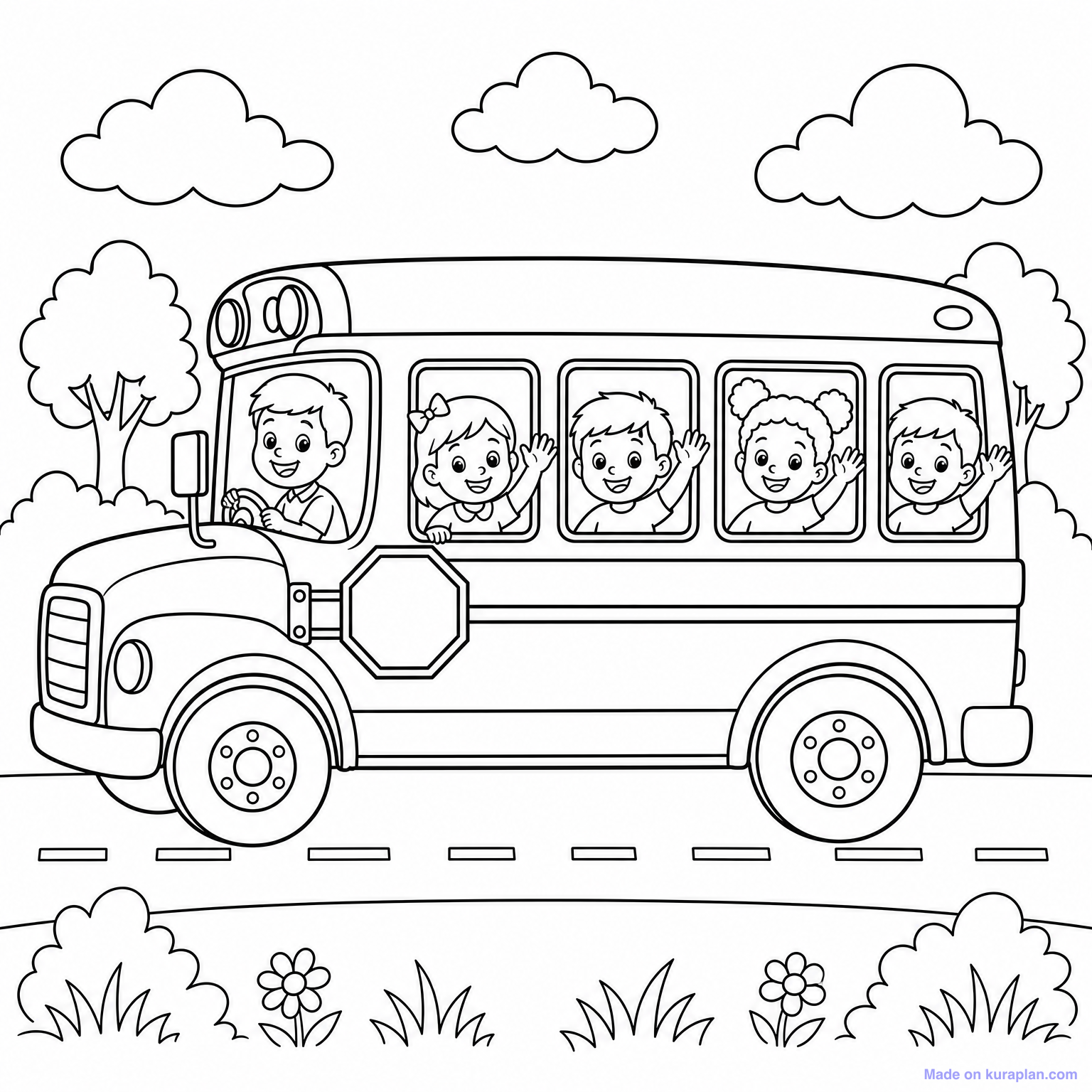
Yellow School Bus — Coloring Page
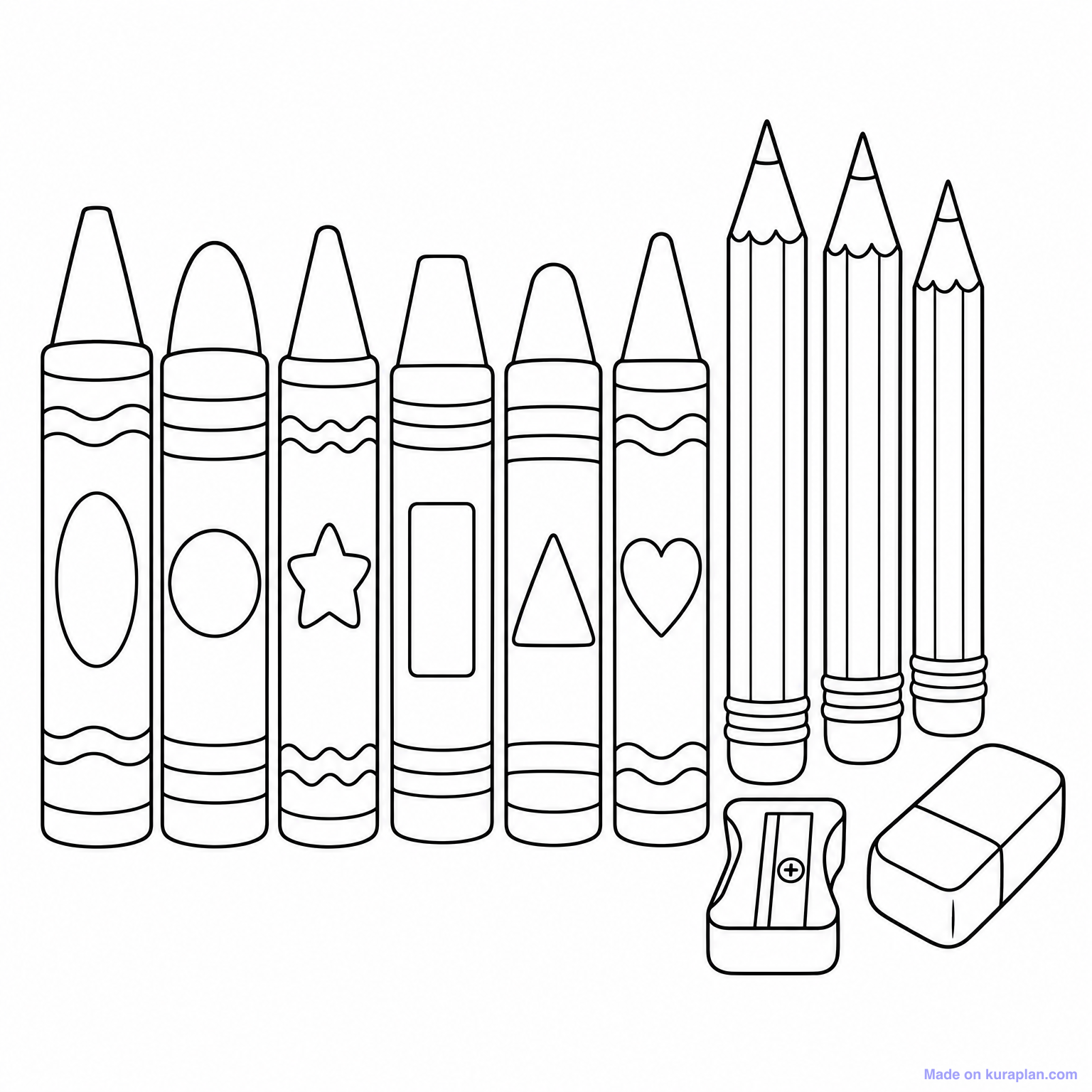
Crayons and Pencils — Coloring Page
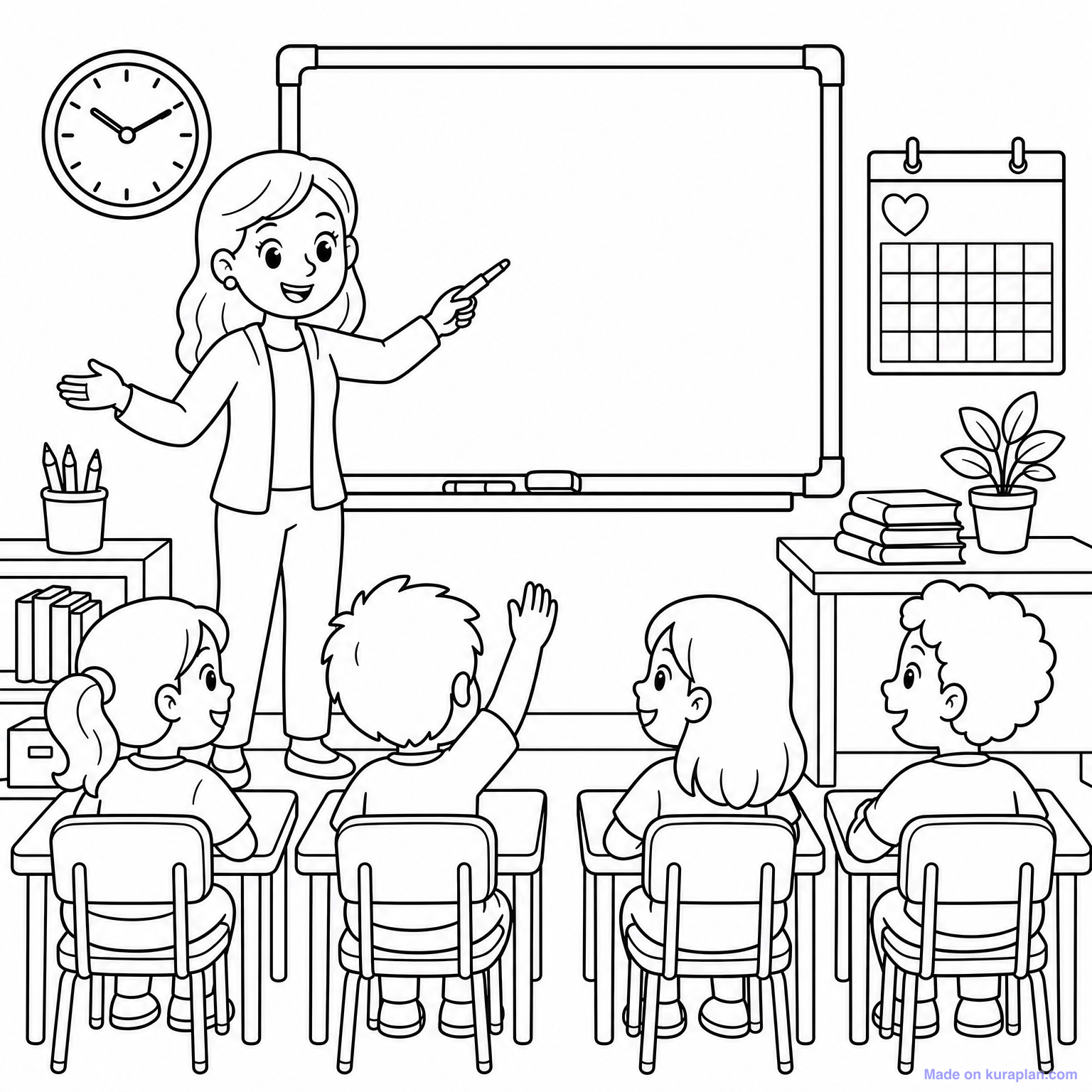
Teacher at Whiteboard — Coloring Page

Seasonal Back To School Apple Books
Border School Supplies
Obj Backpack
Obj Classroom Clock

Building School
Transport School Bus
Classroom setup tools
Free in-browser tools for the jobs every teacher does in August — no account needed.
Name Tracing Generator
Create printable name tracing worksheets for any name — or a whole class list at once. Print and cursive styles with handwriting guide lines.
Open the toolBingo Card Generator
Make printable bingo game cards in seconds: blank bingo card templates, custom word lists, or themed sets like Christmas and sight words. Every card is unique.
Open the toolSeating Chart Maker
Create and customize classroom seating arrangements. Drag-and-drop interface for easy seat assignments.
Open the toolClassroom Timer
Free fullscreen classroom timer — countdown or stopwatch, big visual display students can read from the back row. No download, works on any whiteboard.
Open the toolRandom Group Generator
Create random student groups instantly. Perfect for group projects, team activities, and collaborative learning.
Open the toolWhat actually matters in the first week
Every August the internet fills up with cute first-day crafts, and every September the teachers whose year runs smoothly are the ones who spent week one on something less photogenic: routines. Students can handle exactly one new thing at a time, so teach the room before you teach the content — how we enter, where materials live, what “done” looks like, how we get quiet. Practice each routine until it's boring. Ten minutes of rehearsal in August buys you hours of instruction in February.
Second: learn names fast, and let students see you working at it. Seating charts help (there's a free maker above), name tracing and name tents help more, and greeting students at the door by name in week one is the cheapest relationship-builder in teaching. Students work for teachers who know them.
Third: diagnose quietly. Skip the scary pre-test on day two — instead, fold quick low-stakes warm-ups into the first two weeks and watch what students do with them. A five-minute fluency sheet or a short writing prompt tells you more than a formal assessment, without teaching anyone that this class is a place where they fail on arrival. Save the heavy content for week three; it will land better in a room that runs itself.
Plan the first units, not just the first week
Once routines are set, most grades open the year with the same few units. Our how-to-teach guides give you a research-informed sequence and a free kit for each.
How to teach phonics
Start K–2 reading routines right from day one.
How to teach reading comprehension
Set up the comprehension habits you'll lean on all year.
How to teach place value
The first math unit in most grades — sequence it well.
How to teach multiplication
Plan the fact-fluency routine before the term gets busy.
Back to school — common questions
What should teachers prioritize in the first week of school?
Routines before rigor. The first week is for teaching how your classroom runs — entering, transitions, materials, what to do when finished — plus learning names fast and getting a light diagnostic read on where students are. Academic content matters less than students leaving day five knowing exactly how the room works and feeling known.
Are these back to school resources free?
Yes. The worksheets, coloring pages, images and classroom tools on this page are free to use — we just ask for an email on your first download so we can send the file. No account or credit card needed.
What back to school activities work for older students?
Skip the crayons and lean on structured talk: syllabus scavenger hunts, this-or-that stand-up debates, goal-setting one-pagers, and short diagnostic warm-ups disguised as games. Middle and high schoolers want to know two things in week one — is this teacher organized, and is this room safe to speak in. Activities that answer both beat icebreakers for their own sake.
Can Kuraplan generate first-week resources for my grade?
Yes — Kuraplan generates lesson plans, worksheets, slides and printables aligned to your state's standards. Tell it your grade and subjects once, and it produces first-week icebreakers, diagnostic worksheets and routine posters in about a minute each.
Plan the whole year in minutes, not weekends
Kuraplan generates standards-aligned lesson plans, worksheets, slides and printables for your exact grades.
Try Kuraplan free90-second quiz · no credit card